

 Riri
Riri
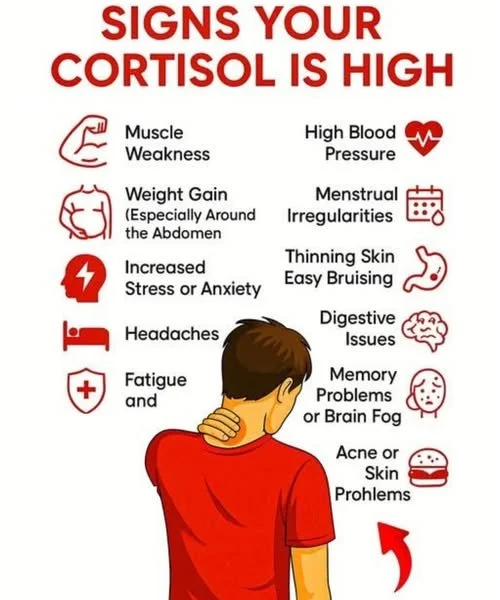
10 Signs That Your Cortisol Levels Are Way Too High
Cortisol, often referred to as the "stress hormone," plays a crucial role in various bodily functions, including metabolism, immune response, and stress management. While it’s essential for our survival, consistently elevated cortisol levels can lead to a range of health issues. If you’re feeling off balance, it might be time to consider whether your stress levels are pushing your cortisol production into overdrive. Here are ten signs that your cortisol levels might be too high.
1. Persistent Fatigue
If you find yourself feeling drained despite getting enough sleep, high cortisol levels might be to blame. Elevated cortisol can disrupt your sleep patterns and lead to chronic fatigue, making it difficult to feel energized or motivated throughout the day.
2. Increased Hunger and Weight Gain
Heightened cortisol levels often lead to an increase in appetite, particularly for sugary and fatty foods. This hormone can trigger cravings and promote weight gain, especially around the abdomen, as your body retains fat in response to chronic stress.
3. Mood Swings and Anxiety
Cortisol has a profound impact on your mood. When levels are high, you may experience heightened anxiety, irritability, or mood swings. These changes can affect your overall emotional well-being and disrupt your daily life.
4. Difficulty Concentrating
High cortisol can impair cognitive functions such as memory and concentration. If you frequently find it challenging to focus or remember details, it could be a sign that your cortisol levels are affecting your brain health.
5. Digestive Issues
Elevated cortisol can disrupt your digestive process, leading to symptoms such as bloating, stomach pain, or irregular bowel movements. Your body’s stress response can impact gut health, resulting in discomfort and digestive disorders.
6. High Blood Pressure
Cortisol is known to raise blood pressure, which can increase the risk of developing cardiovascular diseases. If you’ve been diagnosed with hypertension or have been experiencing elevated blood pressure readings, consider evaluating your stress levels.
7. Frequent Illness
Chronic high cortisol can weaken your immune system, making you more susceptible to infections and illnesses. If you find yourself getting sick more often than usual, your cortisol levels could be interfering with your body’s ability to fight off pathogens.
8. Skin Changes
Cortisol can affect skin health, leading to issues such as acne, eczema, and other skin conditions. If you notice sudden changes in your skin, it could be a response to increased stress and elevated cortisol.
9. Sleep Disturbances
High cortisol levels can disrupt your sleep cycle, making it difficult to fall or stay asleep. If you’re struggling with insomnia or frequently waking in the middle of the night, stress might be playing a role in your sleeplessness.
10. Decreased Libido
Chronic stress and elevated cortisol can lead to decreased sexual desire and performance. If you’ve noticed a drop in your libido, it may be related to your body’s stress response and hormonal imbalances.
Conclusion
If you’re experiencing several of these symptoms, it may be beneficial to consult with a healthcare professional. Incorporating stress management techniques such as exercise, mindfulness, and a balanced diet can help lower cortisol levels and improve your overall well-being. Remember, taking steps to manage stress isn’t just about feeling better mentally—it’s essential for maintaining your physical health as well.
Listen to your body; high cortisol may be a signal that you need to make some lifestyle adjustments.
Further Reading
For those looking to dive deeper into the effects of cortisol and stress management techniques, consider exploring additional resources on nutrition, mindfulness practices, or stress-reducing exercises. Your health journey is unique, and understanding the signs your body gives you is key to achieving balance.

GIPHY App Key not set. Please check settings