

 amanda cohen
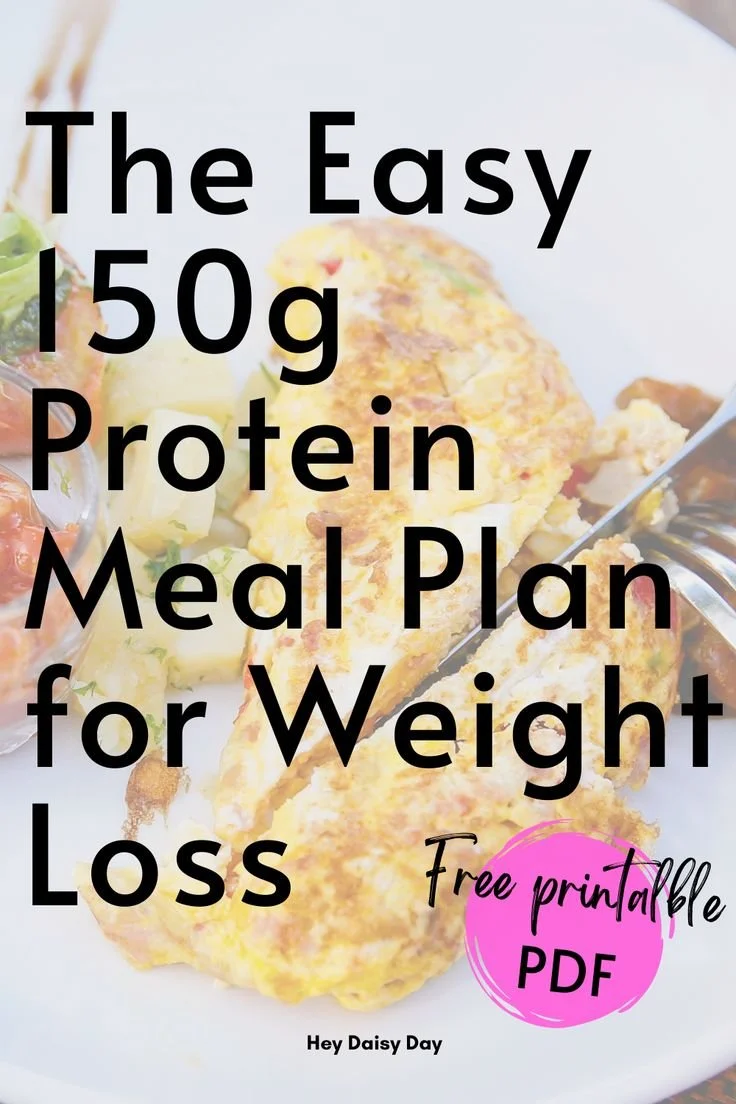
What 150g of Protein Looks Like on a Plate
Introduction
Eating 150 grams of protein in a day can feel like a big target, but when you break it into meals and visualize portion sizes it becomes manageable. Whether you’re building muscle, recovering from injury, or following a high-protein diet for satiety, seeing examples helps. For snack inspiration that blends taste with protein density, try these cinnamon roll protein bites to close a small protein gap without reaching for processed junk.
Why 150g Might Be Your Goal
- Active athletes and strength trainees often aim for 1.6–2.2 g/kg body weight; for many people that can land near 150 g/day.
- Older adults and people recovering from illness may use higher targets to preserve muscle mass.
- The key is distribution: spreading protein across the day improves absorption and muscle protein synthesis.
Visual Plate Examples (approximate protein values)
Below are three realistic daily templates that each reach about 150 g of protein. Numbers are estimates — protein content depends on cooking method and brand — but these give a clear visual sense.
- Omnivore Day (simple, whole-food focus)
- Breakfast: 2 large eggs (12 g) + 200 g Greek yogurt (20 g) = 32 g
- Mid-morning: whey protein shake, 1 scoop = 24 g → running total 56 g
- Lunch: 150 g cooked chicken breast (~31 g/100 g → 47 g) → 103 g
- Afternoon snack: 30 g almonds = 6 g → 109 g
- Dinner: 100 g cooked salmon ≈ 25 g → 134 g
- Evening: 1 cup (100 g) cottage cheese ≈ 11 g → 145 g
- Add 1 hard-boiled egg (6 g) → final ≈ 151 g
What it looks like on a plate: breakfast bowl with yogurt and eggs, a palm-sized chicken breast at lunch with a big salad, and a thumb-sized piece of salmon at dinner — plus a scoop in a shaker for convenience.
- Vegetarian Day (dairy and fermented soy emphasized)
- Breakfast: 250 g Greek yogurt = 25 g
- Mid-morning: 30 g almonds = 6 g → 31 g
- Lunch: 200 g tempeh (≈19 g/100 g → 38 g) → 69 g
- Afternoon: 2 tbsp peanut butter = 8 g → 77 g
- Dinner: 250 g cooked lentils (≈9 g/100 g → 22.5 g) → 99.5 g
- Evening: 150 g cottage cheese = 16.5 g → 116 g
- Add 100 g seitan ≈ 25 g → 141 g
- Snack or small protein bar ≈ 9 g → final ≈ 150 g
Plating: tempeh or seitan replacing meat protein portions, with generous legumes, dairy, and nut-based snacks to close remaining gaps.
- Vegan Day (plant-only protein concentrates and pairings)
- Breakfast: tofu scramble, 200 g firm tofu ≈ 16 g
- Mid-morning: protein smoothie with pea powder, 1 scoop ≈ 20 g → 36 g
- Lunch: 200 g tempeh ≈ 38 g → 74 g
- Afternoon snack: 50 g roasted edamame ≈ 17 g → 91 g
- Dinner: 300 g cooked lentils ≈ 27 g → 118 g
- Evening: 150 g seitan ≈ 37.5 g → final ≈ 155.5 g (rounding and brand variations apply)
This shows how concentrated plant proteins (tempeh, seitan, pea protein) make high totals possible without dairy or animal meat.
Quick Visual Rules of Thumb (eyeballing when you don’t have a scale)
- A palm-sized cooked meat portion (about 100–120 g) ≈ 25–35 g protein.
- 1 large egg = ~6 g protein.
- 1 cup cooked legumes (lentils/beans) ≈ 15–18 g protein.
- 100 g firm tofu ≈ 8 g protein; tempeh ≈ 19 g; seitan ≈ 25 g.
- 1 scoop whey/plant protein powder ≈ 20–25 g (most convenient way to fill gaps).
Practical Tips to Hit 150 g Smoothly
- Spread intake across 3–5 meals; aim for ~25–40 g per main meal plus snacks.
- Favor one dense protein per meal (meat, fish, tempeh, seitan) and add smaller sources (yogurt, nuts, eggs, legumes).
- Use a single protein shake to plug gaps on busy days.
- Track for a few days with a food app or simple log to learn your common shortfalls.
- Balance protein with vegetables, whole grains, healthy fats, and recovery practices — pairing nutrition with movement helps results. If you pair higher-protein days with flexibility or recovery work, explore gentle flow sequences from a guide like harmony of body and mind to stay limber and reduce injury risk.
Common Pitfalls and How to Avoid Them
- Pitfall: Loading all protein at dinner. Solution: intentionally add 15–25 g at breakfast (eggs, yogurt, a small shake).
- Pitfall: Relying on processed bars/meals only. Solution: combine whole-food proteins with one convenient supplement if needed.
- Pitfall: Ignoring calorie balance. Solution: if weight gain is not desired, swap some carbs/fats for higher-protein vegetables and lean proteins rather than just adding calories.
Conclusion
If you want a visual comparison for lower daily targets, see this helpful external reference: Your Visual Guide: Here’s What 100 Grams of Protein Looks Like on … — it’s a useful companion when adapting the 150 g examples above to your plate size and preferences.



GIPHY App Key not set. Please check settings