

 amanda cohen
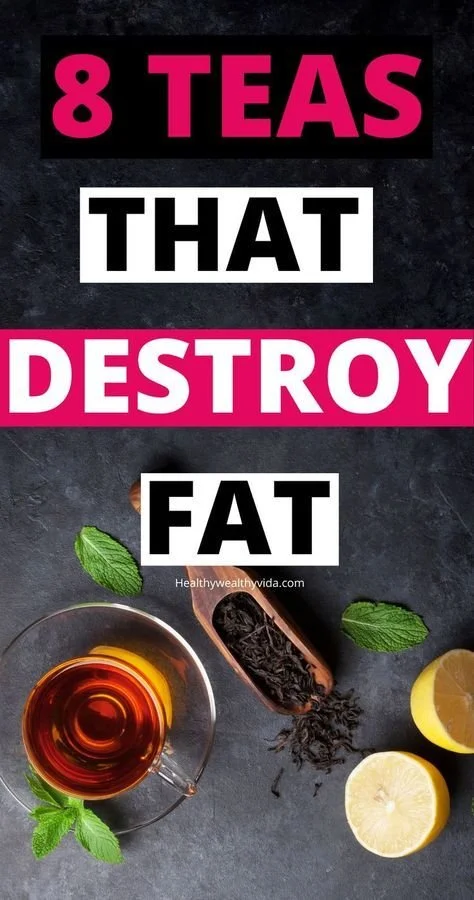
8 Best Teas for Weight Loss (and How to Use Them)
Teas can be a good addition to a sensible weight-loss plan: they’re low in calories, can help curb appetite, and some contain compounds that modestly boost metabolism or fat oxidation. Before diving in, remember that tea is an aid, not a miracle—sustainable results come from decent nutrition, consistent activity, and behavior change. If you want a deeper look at proven approaches, check out this overview of science-backed strategies to losing weight.
Below are eight teas widely regarded as helpful for weight control, how they work, and practical brewing tips.
1. Green Tea
Why it helps: Rich in catechins, especially EGCG, green tea can slightly increase metabolic rate and fat oxidation. Regular consumption has been associated with modest weight-loss benefits in some studies.
How to brew: Steep 2–3 g of leaves (1 tsp) in water at about 75–80°C (167–176°F) for 2–3 minutes to avoid bitterness.
Caution: Contains caffeine—limit late-day intake if sensitive.
2. Oolong Tea
Why it helps: Oolong is partially oxidized and combines attributes of green and black tea. It may improve fat burning and help with lipid metabolism.
How to brew: Use boiling water briefly (3–5 minutes). Multiple short infusions are common.
Caution: Caffeine levels vary with oxidation.
3. Pu-erh Tea
Why it helps: A fermented Chinese tea, pu-erh may influence gut microbes and lipid metabolism, with some studies showing reduced body weight and fat accumulation in animals.
How to brew: Rinse the leaves with hot water once, then steep for 2–4 minutes. Multiple infusions work well.
Caution: Strong flavor—start with short steeps.
4. White Tea
Why it helps: Minimally processed, white tea contains catechins and may inhibit the formation of new fat cells while promoting lipolysis (fat breakdown).
How to brew: Steep in water at 70–80°C (158–176°F) for 3–5 minutes.
Caution: Gentler flavor—avoid overheating.
5. Black Tea
Why it helps: Fully oxidized black tea has theaflavins and thearubigins that may influence weight by altering gut bacteria and decreasing calorie absorption in some cases.
How to brew: Steep 1 tsp in boiling water for 3–5 minutes.
Caution: Higher caffeine content than many other teas.
6. Yerba Mate
Why it helps: A South American infusion with caffeine and polyphenols; mate can increase alertness and energy expenditure and may reduce appetite for some people.
How to brew: Traditional steeping or 5–10 mins in hot (not boiling) water.
Caution: Contains stimulants—don’t overdo it, especially if you have hypertension.
7. Ginger Tea
Why it helps: Ginger supports digestion, can reduce appetite and nausea, and may slightly boost thermogenesis (heat production).
How to brew: Simmer sliced fresh ginger in water 5–10 minutes, or steep dried ginger.
Caution: May interact with blood-thinning medications in high doses.
8. Hibiscus Tea
Why it helps: Tart hibiscus is linked to improved metabolic markers and may reduce fat accumulation in animal studies; it’s caffeine-free and refreshing.
How to brew: Steep 1–2 teaspoons of dried calyces in hot water for 5–10 minutes, then strain.
Caution: Can lower blood pressure—monitor if you already have low blood pressure or take antihypertensives.
How to Use Tea Effectively for Weight Loss
- Replace calorie-dense drinks (sodas, sugary coffee drinks) with plain or lightly flavored tea to reduce daily calorie intake.
- Drink unsweetened or use minimal natural sweetener—added sugar quickly erases benefits.
- Time your tea: a cup before a meal may help moderate appetite for some people; caffeinated teas early in the day can support activity.
- Combine tea with consistent exercise and strength work; even short, focused routines can amplify results—pair teas with exercise like the practical ab workouts or other full-body sessions for better outcomes.
Safety and Practical Tips
- Don’t exceed moderate intake: for caffeinated teas, 2–4 cups/day is a common sensible range depending on tolerance.
- Watch for interactions: herbal teas can affect medications (e.g., ginger, hibiscus). Consult a clinician if you’re on prescriptions.
- Quality matters: choose reputable brands or loose-leaf teas to avoid contaminants and maximize beneficial compounds.
- Be patient: influences on weight are typically small; consider tea one helpful habit among many.
Conclusion
Teas can be a simple, low-calorie tool to support weight-loss efforts when combined with sound diet and exercise. For an easy reference to popular options and more detail, see this curated list of Top Teas for Weight Loss.


GIPHY App Key not set. Please check settings