
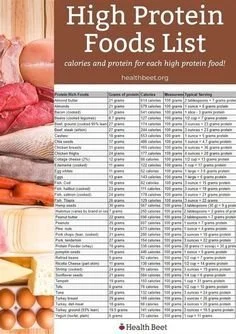
High-Protein Food List: What to Eat for Muscle, Satiety, and Health
Protein fuels muscles, supports recovery, keeps you full, and plays roles in hormones and immune function. Whether your goal is muscle gain, weight loss, better recovery, or simply a healthier diet, focusing on protein-rich foods is one of the simplest, most effective strategies. Below is a practical, food-first guide to the highest-protein choices across animal and plant sources, snack ideas, and a sample day to help you apply the list.
Introduction
- Quick tip: If you want recipe ideas that emphasize lean, filling meals, check out this collection of high-protein low-calorie meals to spark meal planning.
Why protein matters
- Satiety and weight control: Protein reduces hunger and preserves lean mass during weight loss.
- Muscle and recovery: Protein provides amino acids needed to repair and build muscle tissue after resistance training.
- Metabolic and health benefits: Higher protein intakes can support bone health, glucose regulation, and immune function.
Top animal-based protein foods
- Eggs: A complete protein; one large egg provides about 6–7 g of protein. Versatile and cost-effective.
- Poultry (chicken, turkey): Boneless skinless breast is lean and dense in protein (~24–31 g per 100 g cooked).
- Beef and pork: Choose lean cuts for higher protein with moderate fat; ground lean beef or pork and sirloin are good choices.
- Fish and seafood: Tuna, salmon, cod, shrimp, and scallops are excellent — many fish provide ~20–25 g per 100 g cooked plus healthy fats (omega-3s in fatty fish).
- Canned options: Tuna, salmon, and light sardines are portable, shelf-stable, and protein-packed.
Dairy, eggs, and fermented options
- Greek yogurt: Thick, tangy, and often 10–20+ g protein per serving depending on variety.
- Cottage cheese: High in casein protein — slow-digesting and great for evening snacks.
- Milk and kefir: Provide complete proteins along with calcium and vitamin D (if fortified).
- Cheese: Hard cheeses can be protein-dense, though higher in fat — portion control helps.
Plant-based protein sources
- Legumes: Lentils, chickpeas, black beans, and kidney beans are high in protein and fiber. Combine with grains for a complete amino-acid profile.
- Soy products: Tofu, tempeh, and edamame are among the most protein-rich plant foods (tempeh is particularly dense).
- Seitan: Made from wheat gluten, seitan is exceptionally high in protein (not suitable if you’re gluten-sensitive).
- Quinoa and whole grains: Quinoa is a pseudo-grain with a complete amino-acid profile; other whole grains add protein and satiety.
- Nuts and seeds: High in protein and healthy fats — great for snacks or added to dishes (watch portions for calories).
- Plant-based protein powders: Pea, soy, and blended powders can make it easy to meet protein targets.
High-protein snacks & additions
- Jerky (beef, turkey, or salmon): Portable, high in protein, low in carbs.
- Hard-boiled eggs: Easy, inexpensive, and filling.
- Greek yogurt parfaits with nuts or seeds.
- Cottage cheese with fruit or tomatoes.
- Nut butters on whole-grain toast or apple slices.
- Protein smoothies with yogurt or protein powder for quick post-workout recovery.
Simple sample day (approximate protein targets)
- Breakfast: Veggie omelet (2 eggs + 2 egg whites) with spinach and 1/2 cup cottage cheese — ~30–35 g protein.
- Snack: Greek yogurt with a tablespoon of chia seeds — ~15–20 g protein.
- Lunch: Grilled chicken breast salad with quinoa and mixed vegetables — ~35–40 g protein.
- Snack: A small handful of almonds and a piece of fruit — ~6–8 g protein.
- Dinner: Baked salmon with steamed broccoli and lentils — ~35–40 g protein.
- Total: ~120–140 g protein (adjust portions to meet your personal goals based on body weight and activity).
Meal and recipe ideas
- Hearty chili, stir-fries, and bowls are easy ways to combine protein sources with fiber and vegetables. For a flavorful example centered on lean poultry, consider this best high-protein white chicken chili as a satisfying dinner option that balances protein and comfort.
Practical tips to increase protein intake
- Aim for regular protein at each meal and after workouts (20–40 g per meal is a common target depending on your size and goals).
- Prioritize whole-food sources first; use powders to fill gaps or for convenience.
- Plan protein-rich snacks so you don’t rely on low-protein convenience foods.
- Prepare batch-cooked proteins (grilled chicken, baked tofu, lentils) to make assembly fast during a busy week.
- Watch portions of high-fat proteins if calorie control is a goal — choose lean cuts and low-fat dairy when appropriate.
Conclusion
If you want precise protein amounts for common foods to help plan portions and hit daily targets, consult the PROTEIN CONTENT OF COMMON FOODS – Bariatrics for a reliable reference.

GIPHY App Key not set. Please check settings