
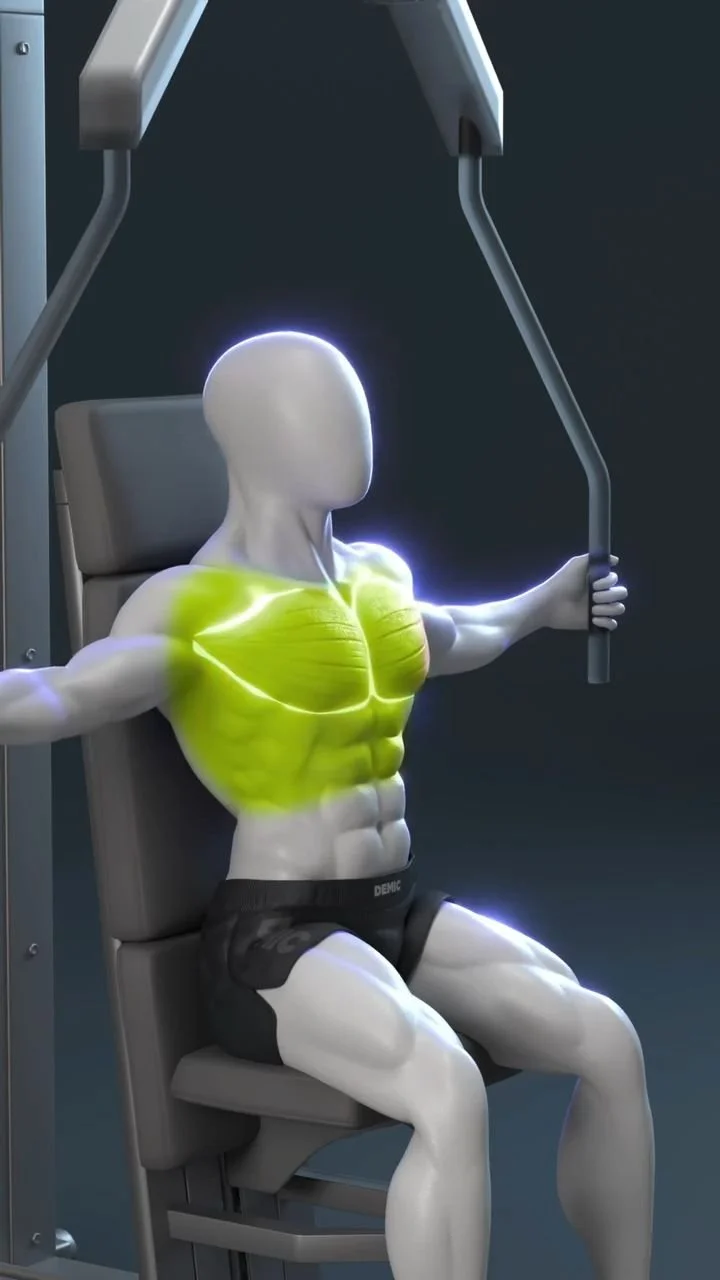
Chest Fly Workout: Build a Fuller, Stronger Chest
Introduction
The chest fly is a staple movement for anyone looking to develop the pectoral muscles — adding width, depth, and separation to the chest. Unlike pressing movements that rely heavily on triceps and shoulders, fly variations isolate the pecs through a horizontal adduction pattern, making them ideal for sculpting the chest and improving muscle symmetry. If you’re exploring alternatives and complementary moves, consider how bodyweight options fit into a balanced plan with resources like bodyweight chest alternatives to round out your routine.
Why the Chest Fly Works
- Isolation focus: Fly movements put the pecs under tension throughout the arc, emphasizing the stretch and contraction of the muscle fibers.
- Range of motion: Flies provide a greater stretch across the chest compared with presses, which can help with hypertrophy when performed safely.
- Versatility: Fly patterns transfer to multiple tools (dumbbells, cables, machines) and bench angles (flat, incline, decline), allowing you to target different portions of the chest.
Common Fly Variations
- Dumbbell Fly: Performed on a flat, incline, or decline bench; traditional and effective for beginners through advanced lifters.
- Cable Fly: Offers consistent tension throughout the motion and allows for many angle variations (high-to-low, low-to-high, midline).
- Pec Deck / Machine Fly: Helpful for beginners or as a finisher because of its stable path and controlled range.
- Standing Single-Arm Cable Fly: Great for correcting imbalances and training unilateral control.
Setup and Proper Form
- Choose an appropriate weight — one that allows full control through the eccentric (lowering) phase without shoulder strain.
- Lie on a bench (for dumbbell fly): feet flat, spine neutral, shoulders retracted slightly. Slight bend in the elbows should be maintained throughout the movement — think of a soft hinge at the elbow, not locked or flapping.
- Lower the weights in a wide arc, feeling a controlled stretch across the chest. Don’t let the elbows drop below shoulder level to avoid undue shoulder stress.
- Bring the weights back together using the chest muscles, not the arms. Imagine hugging a large tree: the motion is driven by the pecs closing around the tree.
- Breathe: inhale during the lowering phase, exhale during the concentric (bringing the weights together).
Programming: Where Flies Fit in Your Workout
- As a primary mover: For isolation-focused chest days, include fly variations early in the workout (after warm-up) and pair with pressing movements for strength balance.
- As an accessory: Use flies after compounds like bench press to increase blood flow to the chest and induce hypertrophy.
- Sets and reps: For hypertrophy, 3–4 sets of 8–15 reps; lighter weights for higher reps or controlled tempo for increased time under tension.
- Frequency: 1–3 times per week depending on overall training split and recovery.
Progression and Variations
- Increase range: Adjust bench angle (incline/decline) to emphasize upper or lower chest fibers.
- Adjust eccentric tempo: Slow the lowering phase to emphasize the stretch.
- Add resistance methods: Use drop sets, supersets with presses, or slower eccentrics to push beyond plateaus.
- Unilateral work: Single-arm flies can correct side-to-side strength differences and force core engagement.
Common Mistakes to Avoid
- Going too heavy: The chest fly is not a press; excessive weight causes shoulder compensation and risks injury.
- Excessive elbow lock: Locking or straightening the elbows puts stress on the joints; maintain a slight bend.
- Overstretching: Letting the arms drop too low behind the plane of the shoulders can strain the rotator cuff.
- Using momentum: Avoid bouncing the weights together — control both phases.
Safety and Shoulder Health
- Warm up thoroughly with rotator cuff activation and light band work.
- Prioritize technique over load. If you have existing shoulder issues, prefer cables or machine versions where the motion can be better controlled.
- Incorporate posterior chain work and scapular stabilizers to maintain shoulder balance.
Sample Chest Fly Workout (Intermediate)
- Warm-up: light band pull-aparts, push-ups — 5–10 minutes.
- Incline Dumbbell Press: 3 sets x 6–8 reps (compound)
- Flat Dumbbell Fly: 4 sets x 10–12 reps (focus on stretch and control)
- Cable High-to-Low Fly: 3 sets x 12–15 reps (finisher)
- Chest-focused cooldown: light mobility and stretching
Pairing Flies with a Plan
Flies are most effective when they live within a structured training plan that balances volume, intensity, and recovery. If you’re new to systematic programming, exploring the advantages of a planned approach can accelerate results; for more on that philosophy, read about the broader benefits of a consistent routine like in this article on structured workout programs.
Troubleshooting Gains
- Stalled growth? Try increasing time under tension by slowing the eccentric and adding a 1–2 second pause at the bottom of each rep.
- Pain during movement? Reduce range, switch to cables or machine, and re-evaluate shoulder warm-up and mobility.
Conclusion
To master the chest fly, prioritize control, a full but safe range of motion, and consistent progressive overload. If you want a step-by-step visual and expert tips for the dumbbell fly specifically, check out this helpful guide: Dumbbell Flys: Video Exercise Guide & Tips.

GIPHY App Key not set. Please check settings