
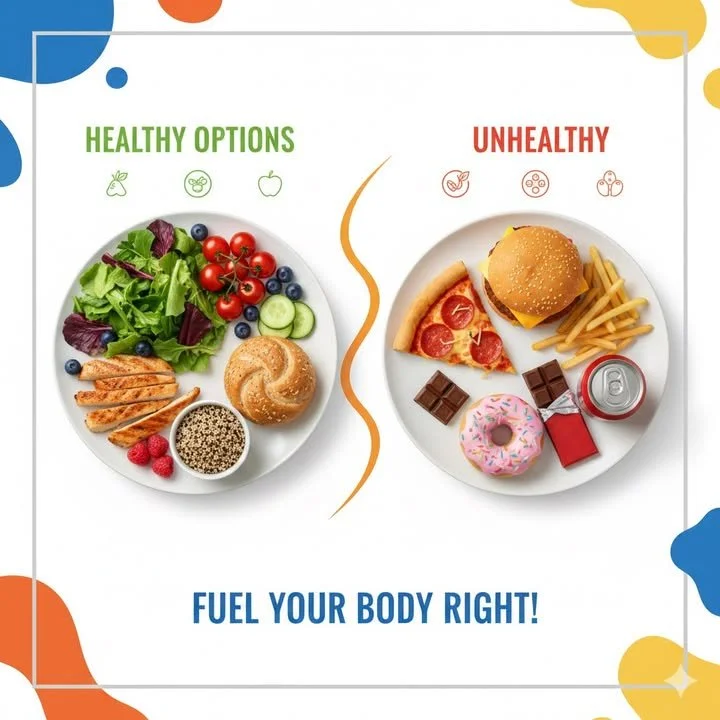
Fuel Your Body With Healthy Food
Eating well is more than a short-term diet—it’s a daily strategy to give your body the energy, nutrients, and resilience it needs. When you focus on fueling rather than filling, food becomes the tool that supports performance, mood, immunity, and long-term health. If you want to think beyond calories and build habits that sustain you, start with small changes that add up.
Incorporate balanced meals, prioritize nutrient-dense choices, and plan practical steps so healthy eating fits your lifestyle. For practical pacing and real-world tips on maintaining steady energy throughout the day, check out these 24/7 body fueling tips.
What “Fuel” Really Means
Fueling your body means giving it the right mix of macronutrients (carbohydrates, proteins, fats), micronutrients (vitamins and minerals), and fluids in amounts that match your activity and goals. Key ideas:
- Carbohydrates supply quick energy for the brain and workouts—pick whole grains, fruits, and starchy vegetables.
- Proteins repair tissue and support satiety—lean meats, legumes, dairy, and soy are versatile options.
- Healthy fats support hormones and brain health—use olive oil, nuts, seeds, and oily fish.
- Vegetables and fruits deliver fiber, antioxidants, and micronutrients that protect cells and support digestion.
Build Balanced Meals
A simple plate model can guide you:
- Half the plate: non-starchy vegetables (colorful, seasonal if possible).
- One-quarter: quality protein (adjust portion to activity level).
- One-quarter: whole grains or starchy veg.
- Add a small portion of healthy fats, and hydrate.
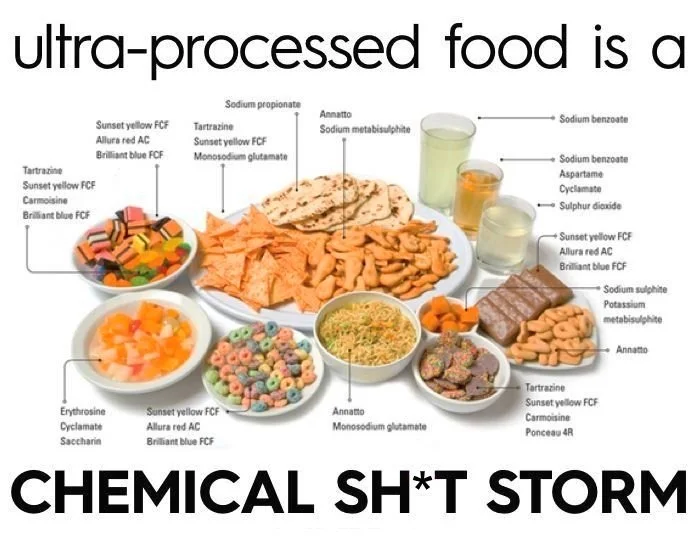
Eating this way keeps blood sugar steadier, reduces energy crashes, and helps you feel satisfied longer—so you’re less likely to reach for highly processed “empty” calories.
Smart Snacking and Meal Timing
Snacks are opportunities to reinforce fueling, not sabotage it. Choose combos that include protein + fiber or healthy fat to sustain energy:
- Greek yogurt with berries and a sprinkle of seeds
- Hummus with raw veggies or whole-grain crackers
- Apple slices with nut butter
Also think about timing: a pre-workout snack with carbs and some protein can boost performance; a recovery snack with carbs + protein aids repair.
Meal Prep and Practical Habits
Consistency wins. Simple habits make healthy eating achievable:
- Batch-cook grains and proteins at the start of the week.
- Keep cut vegetables and fruit visible and ready-to-eat.
- Portion out snacks into single-serve containers to prevent overeating.
- Use flavor-building techniques (spices, acid, herbs) so healthier meals feel satisfying.
If you combine fueling habits with lifestyle choices—sleep, movement, and the right gear—you’re more likely to stick with them. For inspiration that connects activity and mindset, consider browsing apparel to fuel your odyssey as a reminder that the right mindset and gear can support consistent action.
Special Considerations
Everyone’s needs differ. Pregnant people, athletes, older adults, and those with medical conditions should tailor macronutrient ratios and calorie intake. Working with a registered dietitian or healthcare professional helps personalize recommendations and ensures nutrient adequacy.
Conclusion
To learn more about practical ways to shift from “filling up” to genuinely nourishing, see the guide Nutrition for Your Life: Eat to Fuel, not Fill for sensible steps that support long-term health.

GIPHY App Key not set. Please check settings