

 Riri
Riri
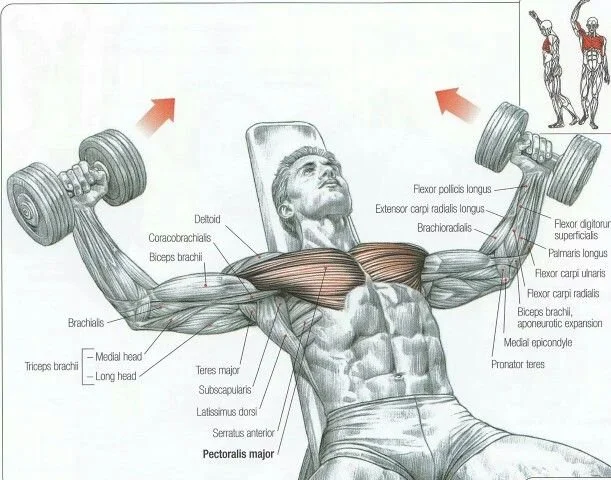
Chest Flys: Build a Bigger Chest the Arnold Way
Chest flys are an iconic movement for sculpting the pecs—especially when performed with the old-school attention to form Arnold Schwarzenegger popularized. They isolate the chest, stretch the muscle under load, and, when programmed correctly, can produce dramatic shape and thickness. This article breaks down how to perform chest flys like Arnold: technique, variations, programming, and pitfalls to avoid.
Arnold trained with a mix of heavy compound presses and precision isolation work. Chest flys fall into the latter category: they’re not about maximal load but about perfect range of motion, tempo, and squeezing at the top. If your goal is not just size but that full, rounded look, you must treat flys as a cornerstone accessory movement. For more targeted chest-shaping methods, see this guide on upper chest growth solutions for bodybuilders which pairs well with fly-focused training.
Why Flys Work (Biomechanics & Physiology)
- Isolation: Flys put the pectoralis major under tension through horizontal adduction, emphasizing the chest while minimizing triceps and anterior deltoid takeover.
- Stretch under load: At the bottom of the movement, the muscle is placed in a stretched position—prime for stimulating sarcoplasmic and structural growth when combined with time under tension.
- Mind-muscle connection: Because the weight is lighter than presses, you can focus on contracting the chest deliberately, improving neuromuscular recruitment over time.
Technique: The Arnold Cues
Arnold’s flys emphasized control, feeling, and a full arc. Key points:
- Setup: Lie on a flat or slightly incline bench with a dumbbell in each hand, palms facing each other. Slight bend in the elbows (soft elbow) maintained through the movement.
- Path of motion: Think of hugging a tree; bring the weights in a wide arc to meet over the mid-chest. Avoid bringing the hands too far past the midline or letting elbows flare excessively.
- Range: Lower until you feel a deep but controlled stretch in the chest—no bouncing at the bottom.
- Tempo: 2–4 second eccentric (lower), a brief pause at the stretch, and a controlled concentric squeeze of 1 second.
- Breathing: Inhale on the descent, exhale as you squeeze upward.
- Loading: Use a weight that allows perfect form for 8–15 reps.
For mental focus and commitment to training technique—traits Arnold championed—read about discipline and gym culture in this piece on 10 reasons the gym is better than a girlfriend. It highlights the consistency mindset that complements isolation work like flys.
Variations and When to Use Them
- Dumbbell Flat Flys: Classic, great for overall chest shape and stretching.
- Incline Dumbbell Flys: Emphasize upper chest; perform at 20–30 degrees for best pec activation.
- Cable Flys (high-to-low and low-to-high): Provide constant tension throughout the range; useful at the end of a workout for a brutal pump.
- Machine Pec Deck: Easy to control range and ideal for heavier sets with less stabilizer fatigue.
- Single-arm Flys: Add anti-rotation demand and correct imbalances.
Arnold would mix angles. Start heavy on compound presses, then use flys at varying inclines to sculpt fullness and separation.
Programming: Sets, Reps, Frequency
- Frequency: 1–2 fly-focused sessions per week as accessories, paired with chest day.
- Volume: 3–5 sets per variation; aim for 8–15 reps for hypertrophy.
- Intensity techniques: Drop sets, slow eccentrics, and pause reps at the stretch can all increase time under tension without heavy loading that risks shoulder strain.
- Order: Place flys after your heavy presses (bench, incline), or reserve them for the next day as a focused chest session if recovery allows.
Sample Fly-Centric Finisher
- Incline Dumbbell Flys: 3 sets × 10–12 reps, 2–3 sec eccentric, 1 sec squeeze
- Cable High-to-Low Flys: 2 sets × 12–15 reps, controlled
- Pec Deck Dropset: 1 set × 10 reps, drop weight, continue to failure
Rest 60–90 seconds between sets and prioritize form over ego.
Common Mistakes and How to Fix Them
- Using too much weight: Leads to shoulder strain and reduced pec activation. Fix: lower the weight and focus on the stretch and squeeze.
- Bouncing at the bottom: Sacrifices tension. Fix: pause briefly at the stretch and maintain control.
- Elbows locked or too bent: Locking transfers stress to joint; excessive bend turns it into a press. Fix: find and maintain a soft elbow angle (~15–30 degrees).
- Neglecting progressive overload: Increase repetitions, time under tension, or use slightly heavier weights over weeks to grow.
Recovery and Complementary Work
- Balance flys with heavy horizontal and vertical pressing in your cycle.
- Include rear-delt and rotator cuff work to protect shoulders.
- Nutrition and sleep: As with any hypertrophy goal, adequate protein, calories, and recovery are essential.
Conclusion
Chest flys done the Arnold way—slow, deliberate, and varied—are a powerful tool for developing a full, rounded chest. If you’re curious about bodyweight variations or how pushups fit into building a plump chest like Arnold’s, this Quora discussion on How many pushups should I do to get a big plump chest like Arnold offers perspectives that complement fly-based training.


GIPHY App Key not set. Please check settings