
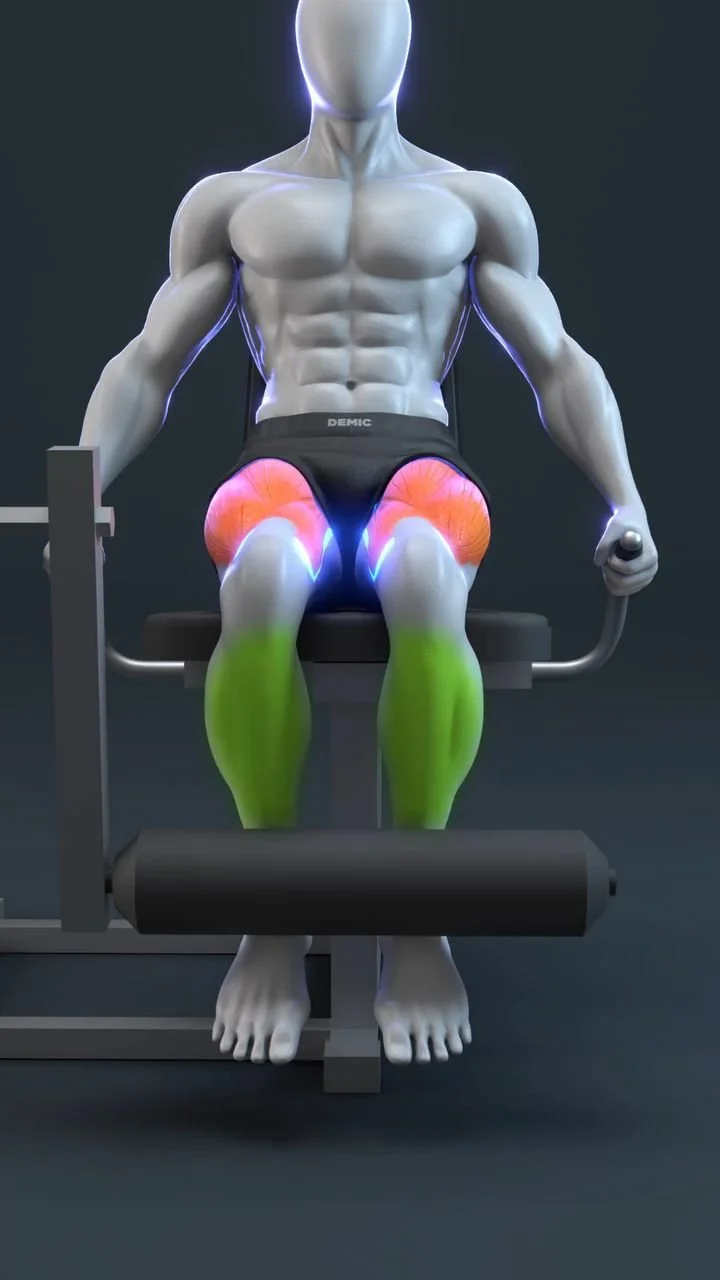
Leg Extension Pitfalls
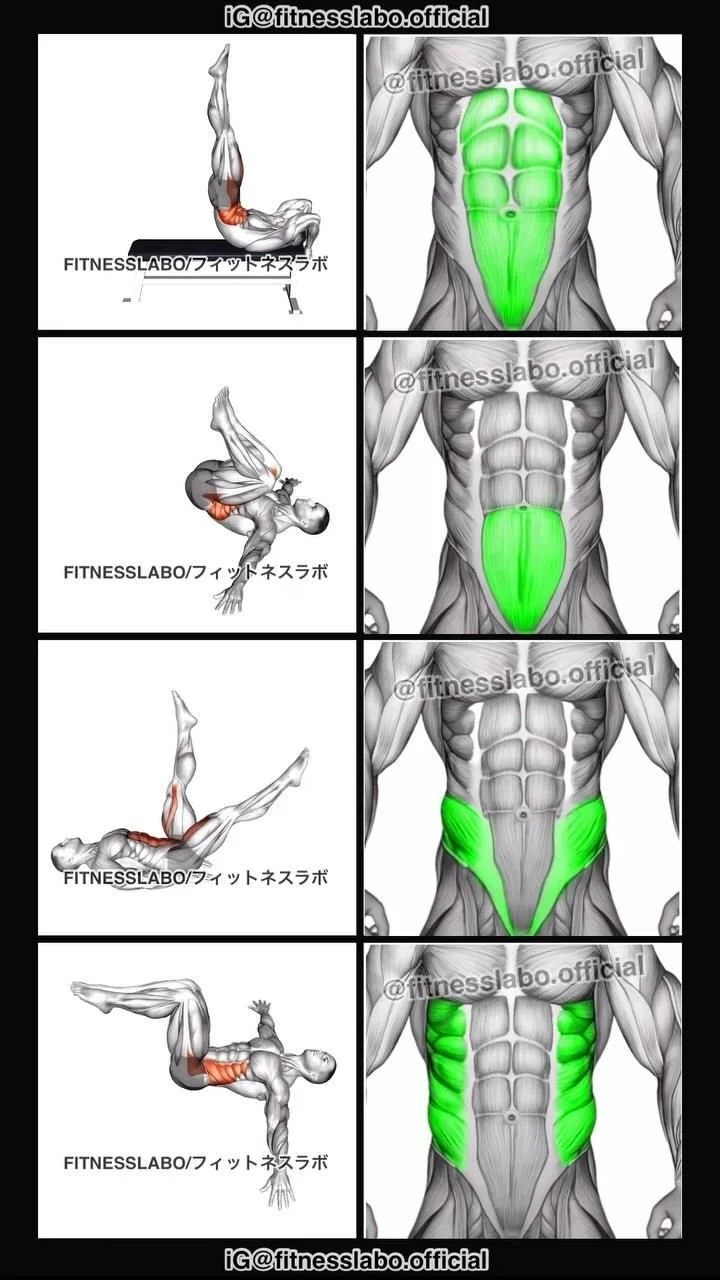
Leg extensions are a focused way to target your quads, but small mistakes can limit gains and increase injury risk. This article breaks down the most common errors, how to spot them, and simple corrections to get the most from every rep. If you’d like to combine leg extensions with core stability work, consider trying a complementary program like the leg-raise and oblique crunch training challenge to improve overall lower-body control.
Why form matters
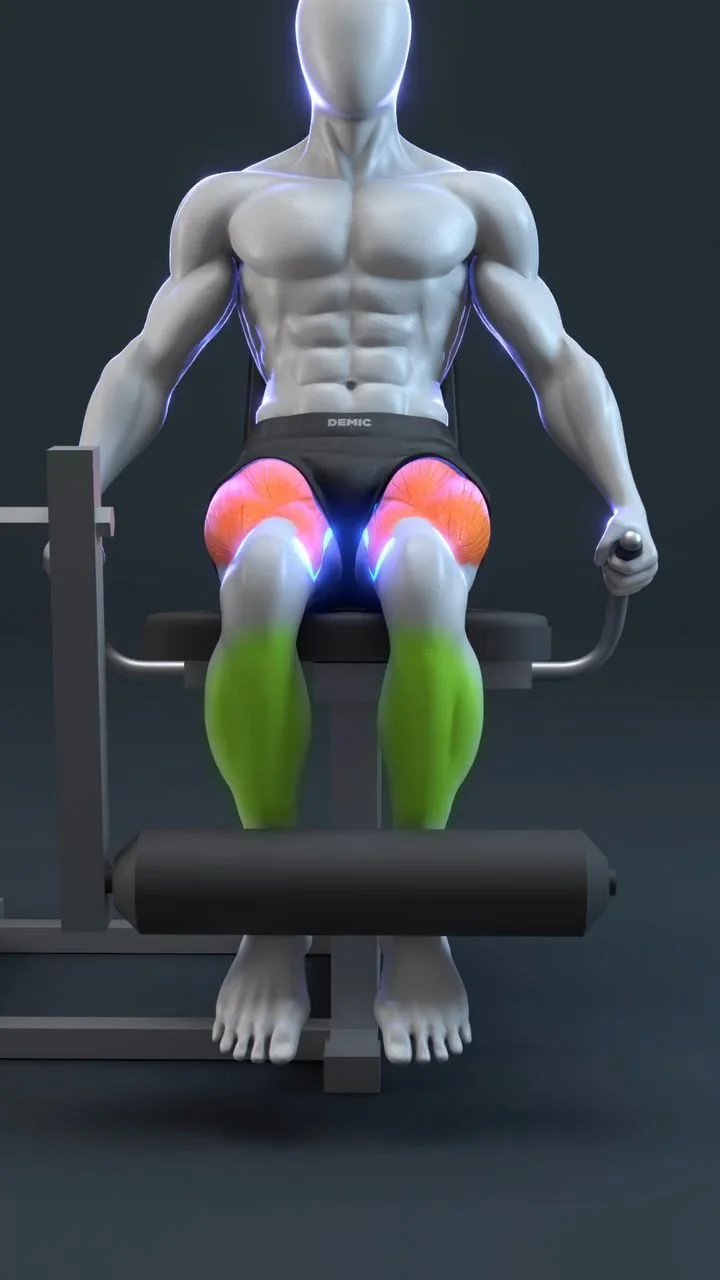
The leg extension isolates the quadriceps, so poor technique transfers load to joints and soft tissues instead of muscle fibers. Even when you feel the burn, the wrong movement pattern can overload the patella tendon or compress the knee joint.
Common mistakes and fixes
-
Using too much weight
- Problem: Momentum and hip movement take the work off the quads and place extra stress on the knees.
- Fix: Reduce weight to a load you can control for 10–15 slow reps; emphasize a smooth, two-second concentric and three-second eccentric tempo.
-
Locking the knees at the top
- Problem: Full extension with a hard lock can compress the joint and shift strain to passive structures.
- Fix: Stop just short of full lockout, maintaining a slight bend to keep the quads under tension.
-
Swinging the torso or gripping the seat too tightly
- Problem: Using the torso to create momentum reduces quad activation and introduces poor posture.
- Fix: Sit tall, hold the handles lightly for stability, and brace your core to prevent body sway.
-
Incorrect pad placement
- Problem: A pad that sits too high on the shin or too low on the ankle alters lever length and joint stress.
- Fix: Position the pad on the lower shin, just above the ankle bone, so the axis of rotation of the machine aligns with your knee.
-
Rushing reps and neglecting tempo
- Problem: Fast reps use momentum, limit time under tension, and reduce effectiveness.
- Fix: Focus on controlled movement: pause briefly at the midpoint, avoid bouncing, and lower the weight deliberately.
-
Ignoring full range-of-motion issues
- Problem: Pain or instability causes some to restrict the arc and underload parts of the muscle.
- Fix: Work through a safe, comfortable range; if pain persists, regress to lighter weight or substitute with other quad-focused moves.
Programming and pairing tips
Leg extensions are great as an isolation finisher or as part of a hypertrophy-focused leg day. Use them after compound lifts when you want to pre-exhaust the quads or later in the session to add focused volume. To balance training and address related muscle groups, pair leg extensions with multi-joint exercises and accessory work — for ideas on complementary routines, see this guide to the best upper-leg workouts.
Quick cues to improve technique
- "Control the descent" — emphasize the eccentric phase.
- "Squeeze at 30°-45°" — find a strong mid-range contraction without locking.
- "Long hips, short knees" — keep your torso neutral and avoid using the hips to drive the movement.
Conclusion
Correcting common leg extension mistakes preserves knee health and improves muscle activation; for a focused guide on technique and typical errors, consult this detailed resource on leg extension technique and common mistakes: leg quad extension exercise technique and common mistakes.

GIPHY App Key not set. Please check settings