
Presence: Confident Body Language
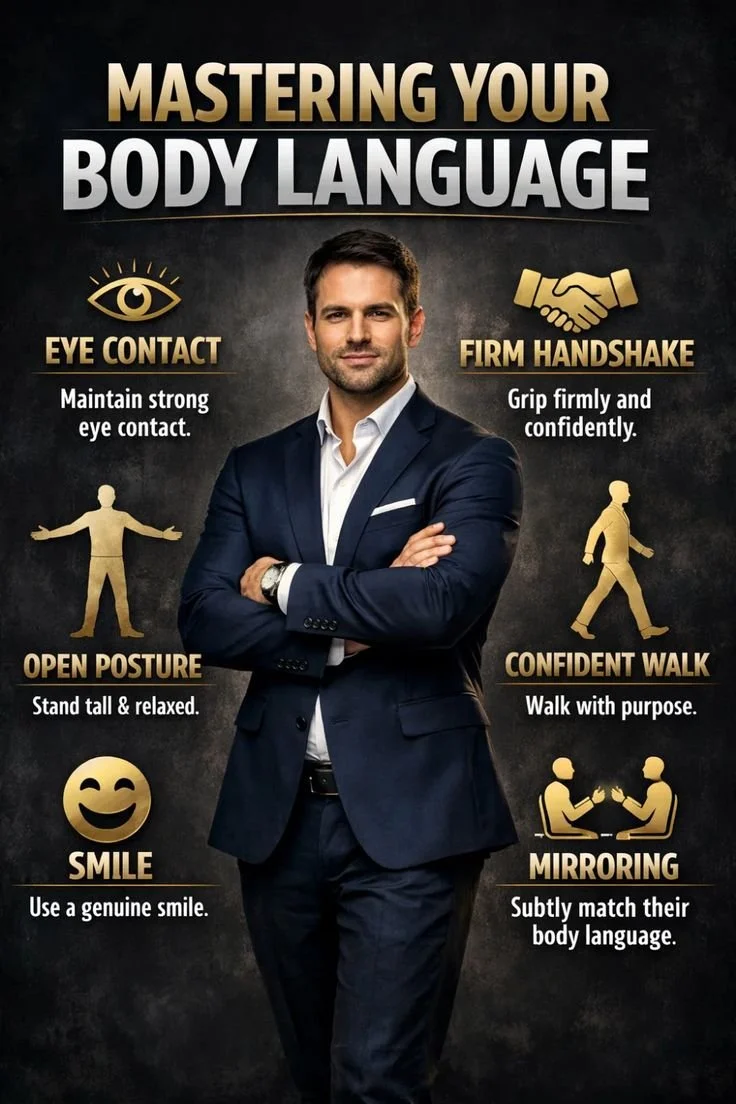
Non-verbal communication shapes how others see you and how you feel about yourself. Small changes — from posture to microexpressions — can flip uncertainty into quiet assurance, and practices like yoga routines for posture and calm are a great place to start.
Stand Tall: Posture and Stance
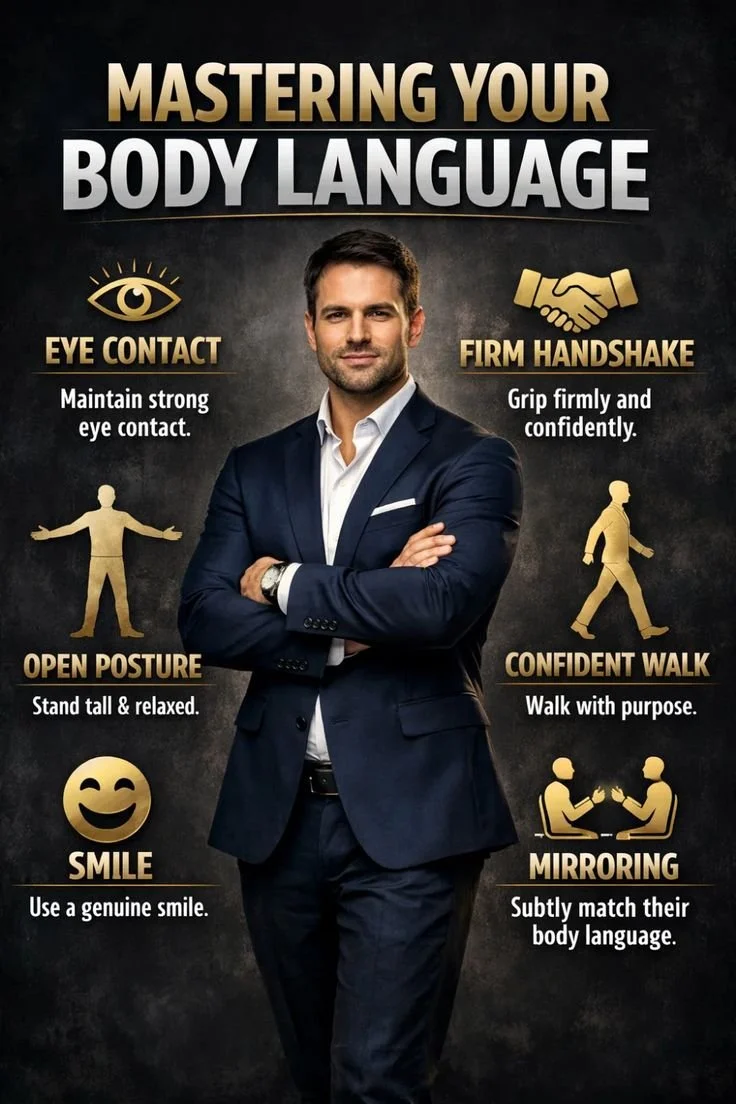
Good posture is the foundation of confident presence. Stand with your weight evenly distributed, shoulders relaxed but back, and your chin level. When you practice upright, open stances, you not only appear more self-assured but your body chemistry shifts toward calm alertness. Adding core-strength work such as core-strength routines supports that posture and reduces the physical effort required to hold yourself confidently.
Face, Eyes, and Microexpressions
Your face broadcasts feelings before words do. Maintain a neutral-to-positive expression and use brief, genuine smiles to build rapport. Eye contact should be steady and conversational: hold attention long enough to show interest, then look away naturally. Practicing these cues in social settings — for example by participating in group fitness classes or other communal activities — helps you become comfortable with friendly, authentic exchanges.
Breath, Voice, and Movement
Calm, measured breathing governs both voice quality and nervous energy. Speak at a moderate pace, project from your diaphragm, and pause before key points to add weight. Move with purpose: deliberate, unhurried gestures signal control. If you feel nervous, rehearsing with supportive peers or by joining a fitness community can increase practice opportunities and normalize performance under observation.
Quick Practices to Build Confidence
- Power pose for two minutes before stressful interactions to center your breathing and posture.
- Record a short video of yourself speaking to catch distracting habits and refine gestures.
- Use mirror practice: rehearse expressions and smiles until they feel natural, not forced.
- Start conversations with open-ended questions and maintain relaxed eye contact.
Conclusion
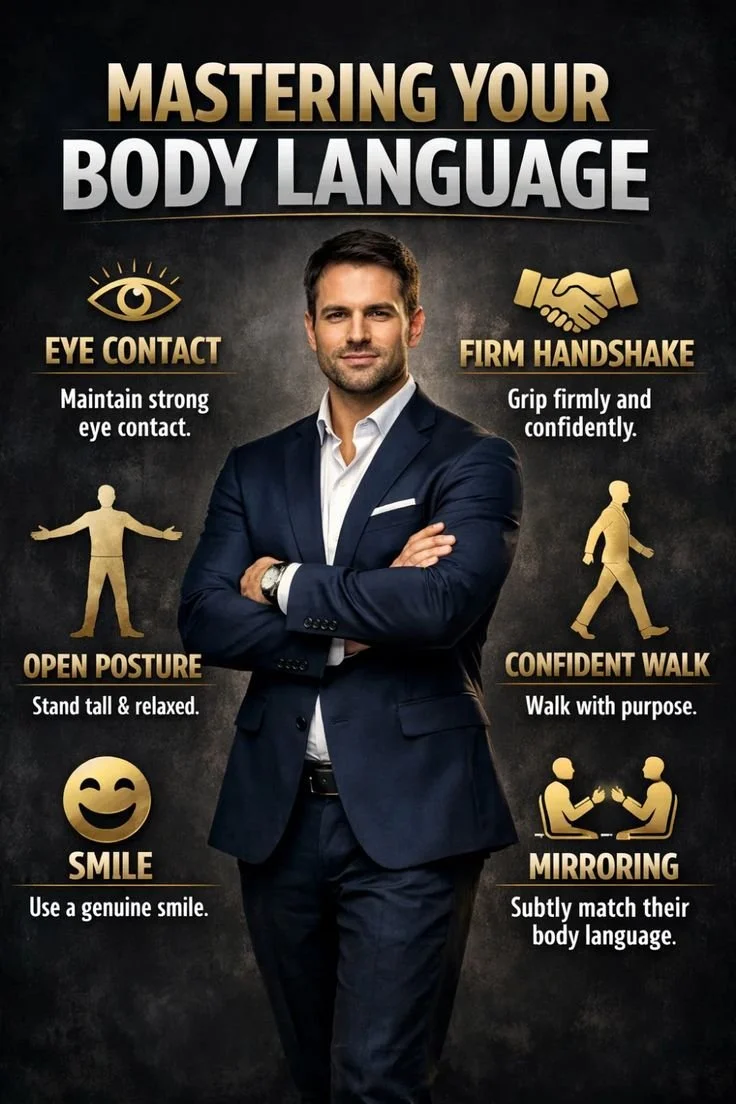
Non-verbal skills are learnable and compound over time — the more you practice posture, expression, breath, and movement, the more confidently you’ll carry yourself. For a practical overview of verbal and nonverbal techniques that boost interpersonal effectiveness, see this guide to effective communication.


GIPHY App Key not set. Please check settings