

Natural Testosterone Boost: Quick Guide
Boosting testosterone naturally focuses on simple, sustainable habits: better sleep, smart strength training, nutrient-dense food, and stress management. Small daily changes compound into meaningful hormonal improvements without supplements or prescriptions. For practical routines that support overall energy and recovery, consider these expert tips on 24/7 body fueling to keep your hormones—and workouts—on track.

Prioritize Sleep and Stress Control
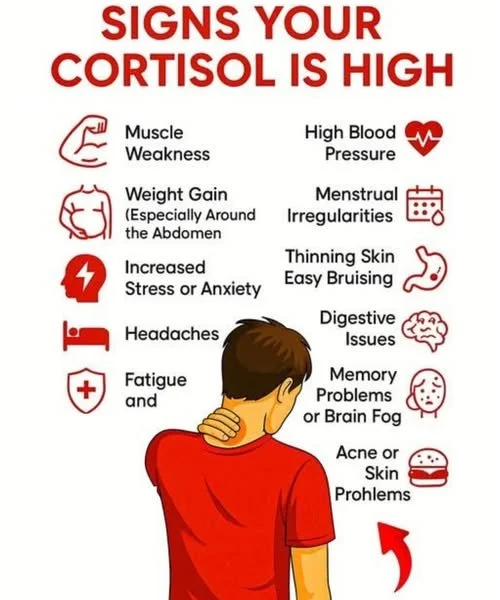
Quality sleep is one of the strongest natural boosters of testosterone; aim for consistent 7–9 hours and a wind-down routine that limits screens and caffeine late in the day. Managing stress with breathing, brief meditation, or purposeful breaks helps lower cortisol, which otherwise suppresses testosterone production.
Lift Heavy, Lift Smart
Resistance training—especially compound movements like squats, deadlifts, and presses—stimulates testosterone. Plan progressive overload, prioritize form, and include recovery days so that each session contributes to strength and hormone health. Incorporating compound lifts and a consistent resistance routine will stimulate testosterone production; follow this full-body workout plan for all goals for structure.
Nutrition That Supports Hormones
A balanced diet with adequate protein, healthy fats (olive oil, nuts, avocados), and enough calories prevents the hormonal downshift that comes with chronic calorie restriction. Micronutrients such as vitamin D, zinc, and magnesium play a supportive role—get sunlight for vitamin D and eat a variety of whole foods. A small pre-bed snack with protein can also support overnight recovery; learn more about what to eat before bed to boost fat loss and support hormones.
Smart Training Prep and Recovery
What you do before and after workouts affects recovery and hormone response. Avoid mistakes that undermine progress—improper warm-ups or skipping mobility work can lead to poor performance and stress responses. For tips on what to avoid prior to training, review these things to avoid before workouts. Post-workout nutrition and sleep are equally important for maintaining healthy testosterone levels.
Build Consistency, Not Perfection
Small habits maintained over weeks and months move the needle more than intense short-term efforts. Track sleep, strength, and mood rather than obsessing over single lab numbers. Fueling consistently throughout the day supports recovery and hormonal balance—see practical approaches in these expert tips on 24/7 body fueling.

Conclusion
For an evidence-based overview of lifestyle strategies, consider reading Healthline’s guide to eight proven ways to increase testosterone naturally, which summarizes research-backed practices you can apply alongside the habits outlined above.



GIPHY App Key not set. Please check settings