

Home Chest Power: Quick Upper-Body Routine
A stronger chest improves posture, pressing strength, and the look of your upper body — and you don’t need a gym to get results. This article outlines the best chest exercises you can do at home, how to progress them, and simple programming tips so you build size and strength safely.

Why train chest at home
Training chest at home is convenient and effective when you use bodyweight variations, simple equipment (dumbbells or bands), and consistent progression. If you’re building a balanced program that includes more than just chest, consider reading Mastering Strength Training: Your Path to a Stronger Body for guidance on structure and progression.
Essential no-equipment moves
- Standard push-up — focus on full range of motion and tight core alignment. Aim for controlled tempo (2 seconds down, 1 second up).
- Wide push-up — places more emphasis on the outer chest fibers and shoulders.
- Diamond push-up — shifts load to the inner chest and triceps; great for building pressing strength.
- Decline (feet-elevated) push-up — increases upper-chest and shoulder recruitment.
Perform 3–4 sets of a variation that leaves you 1–3 reps shy of failure. If standard reps become easy, slow the eccentric, add a pause at the bottom, or move to a harder variation.
Pairing chest work with antagonists
Balancing chest training with back exercises prevents posture problems and supports overall upper-body development. On chest days add a few rows or pull-up variations to keep the shoulders healthy — for specific back movements you can pair with these chest exercises, see 5 Must-Do Back Moves to Build a Massive Back which outlines complementary pulling options.
Dumbbell and band alternatives
If you have dumbbells or resistance bands, introduce:
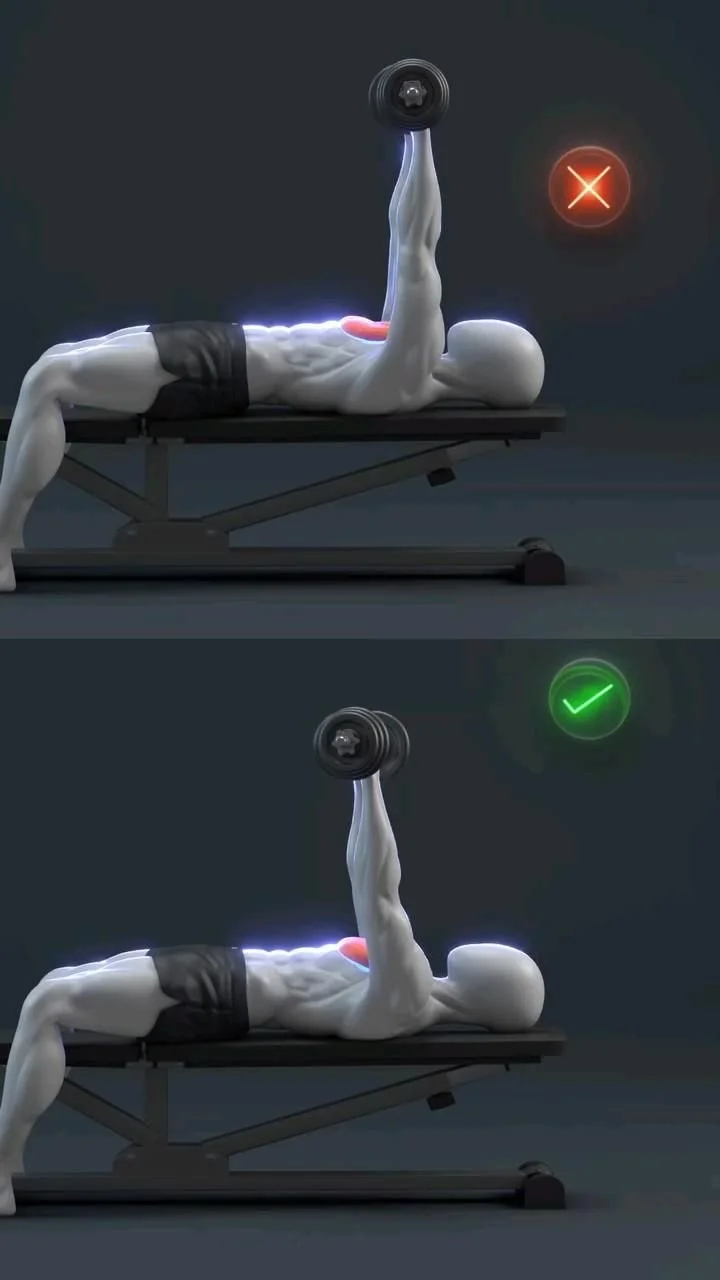
- Dumbbell floor press or single-arm chest press — safer than barbell pressing at home and great for unilateral strength.
- Dumbbell chest fly (on floor or bench substitute) — stretches the pecs and isolates fibers.
- Band press and band fly — excellent for continuous tension through the rep.
Keep sets in the 6–12 rep range for hypertrophy or 4–6 for strength, adjusting rest and load accordingly.
Programming, progression, and motivation
Progress by increasing reps, adding sets, reducing rest, or moving to harder variations. Structure a simple routine: 3 chest-focused sessions per week with at least one day of rest between intense efforts. For perspective on long-term consistency and the mindset needed for steady progress, check this reflective piece: A Letter to My Younger Self on Bodybuilding and Life.
Form, recovery, and small details that matter
- Warm up the shoulders and thoracic spine before heavy pressing.
- Tactile cues: think “squeeze the chest” at the top of each rep.
- Prioritize restful sleep and protein for recovery.
- Learn from experience and coaching wisdom; small technical fixes compound into big gains over months — see lessons from veteran trainers for practical pointers: Invaluable Wisdom: 10 Lessons from a Bodybuilding Pioneer Trainer.

Conclusion
For a concise, expert-driven collection of home chest variations and tips covering upper, middle, and lower pec development, review this comprehensive ATHLEAN-X guide to chest exercises at home to complement the routines above and refine your technique.

GIPHY App Key not set. Please check settings