
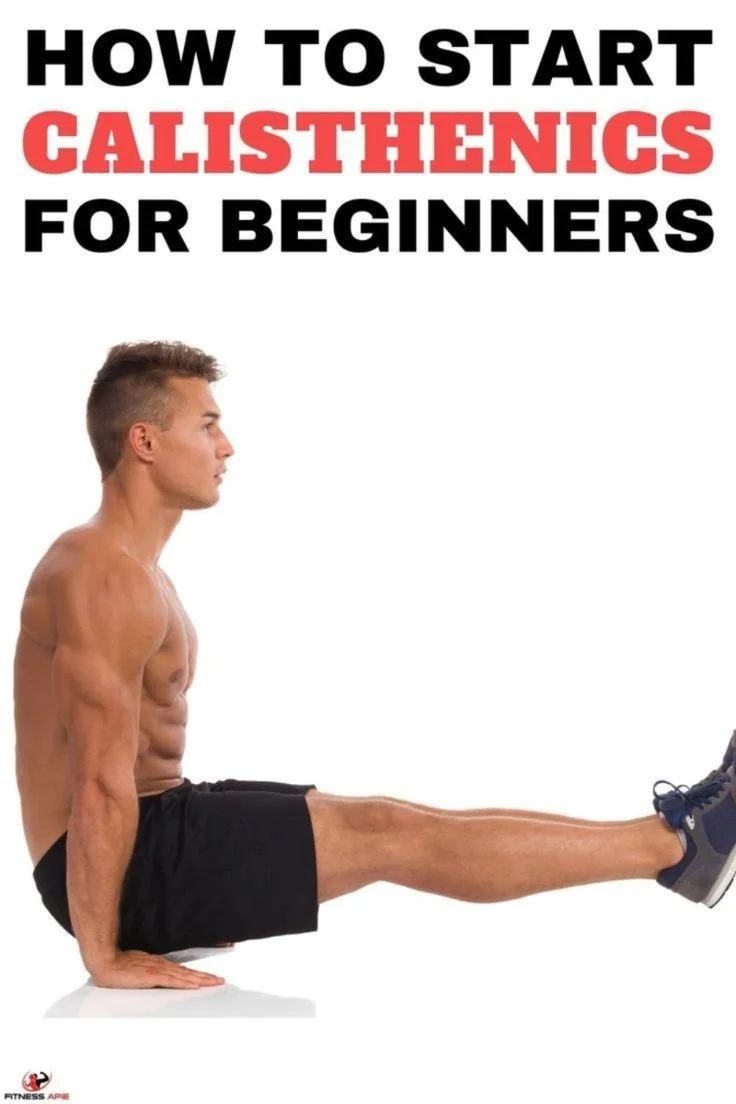
Calisthenics Kickstart
Calisthenics is a minimalist, effective way to build strength, mobility, and confidence using only your bodyweight. Beginners can get impressive results with consistent practice, a few core movements, and sensible progressions that match their current fitness level. When you’re ready to add arm-focused moves, check routines like five best exercises to build triceps.
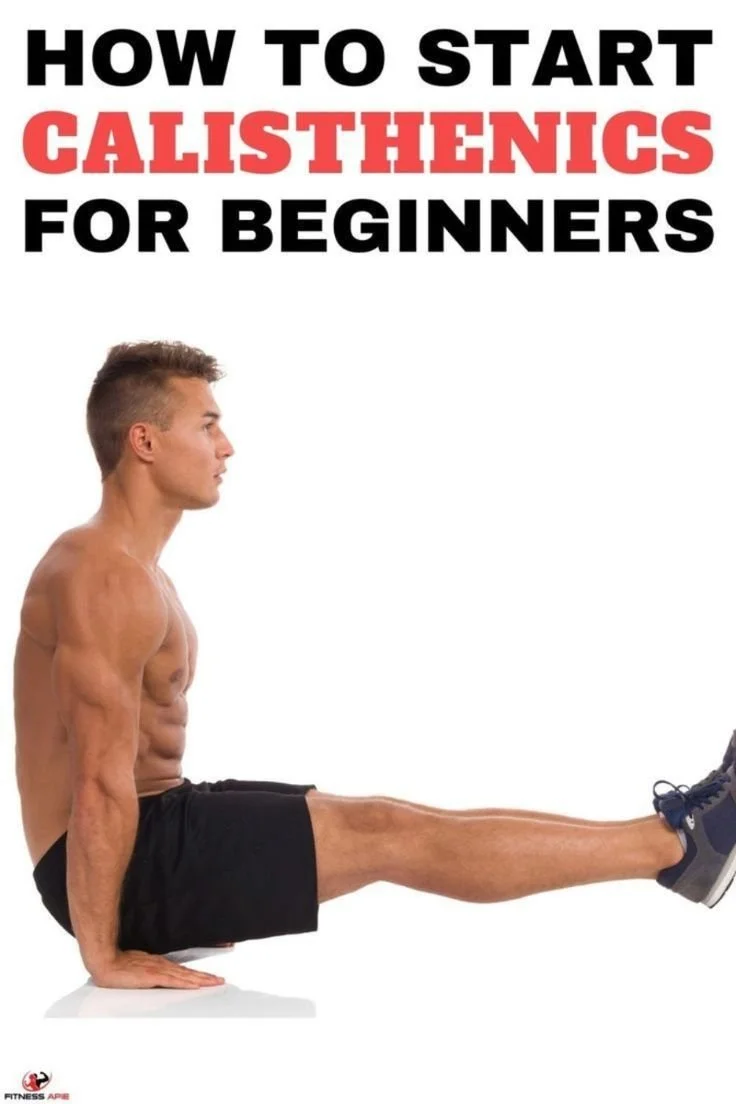
Why calisthenics works
- No gym required: you can train anywhere, from a park to your living room.
- Scalable intensity: progressions let you move from assisted to advanced variations.
- Full-body benefits: many bodyweight moves train strength, balance, and coordination at once.
Getting started: what you need and how often to train
- Equipment: none is required, but a pull-up bar, a set of resistance bands, and a mat help progression.
- Frequency: aim for 3 non-consecutive full-body sessions per week when starting.
- Session length: 30–45 minutes is enough for warm-up, 3–4 main exercises, and a short cooldown.
Core moves to learn (and simple progressions)
- Squat → Assisted pistol progressions
- Push-up → Knee push-up → Incline push-up → Full push-up
- Bodyweight row → Elevated rows → Horizontal rows → Pull-up progression
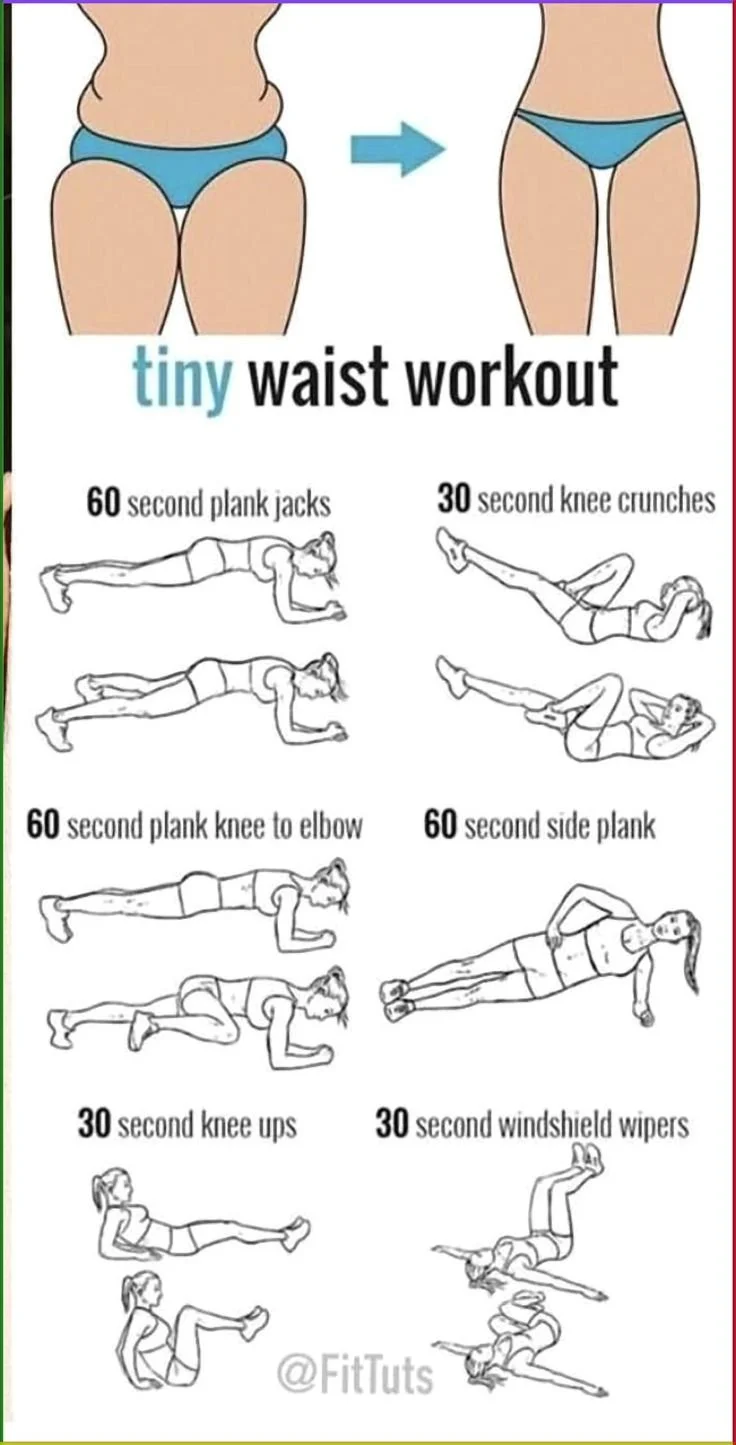
- Plank → Side plank → Hollow hold → Dynamic core drills
For extra core routines that complement these moves, try the abs killer exercises to burn your core.
Sample beginner workout (A/B split)
Workout A:
- Push variation: 3×8–12 incline push-ups
- Pull variation: 3×6–10 Australian rows
- Legs: 3×12 bodyweight squats
- Core: 3×30–45s plank holds
Workout B:
- Push variation: 3×6–10 knee-to-full push-up progressions
- Pull variation: 3×5–8 negative pull-ups or assisted pull-ups
- Legs: 3×8–10 Bulgarian split squat (assisted as needed)
- Core: 3×15–20 hollow body rocks
Progression and programming tips
- Add reps or reduce assistance when current sets feel easy by the last rep.
- Track workouts with a simple log and aim to improve one variable (reps, sets, time under tension) each week.
- To choose evidence-backed core drills, see best ab exercises according to science.
Warm-up, mobility, and recovery
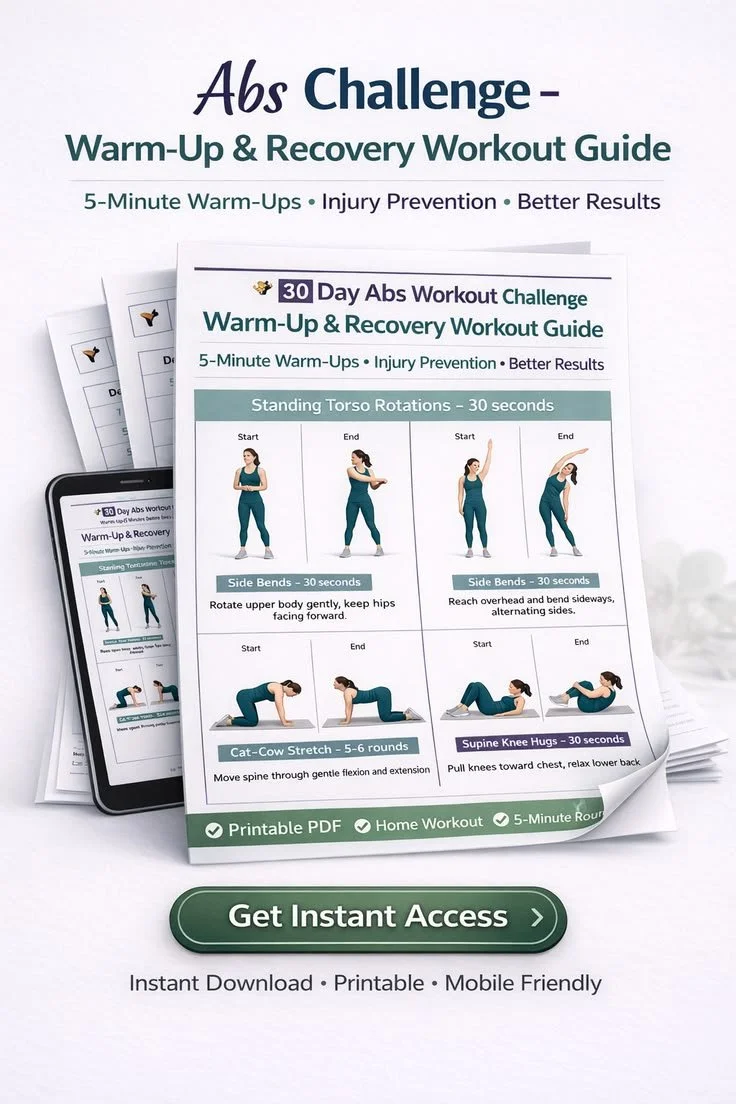
- Warm-up: 5–10 minutes of dynamic movements (arm circles, leg swings, hip openers) and movement-specific warm-ups (scapular pulls, banded pull-aparts).
- Mobility: spend extra time on tight areas—shoulders, hips, and ankles—after workouts or on rest days.
- Recovery: prioritize sleep, hydration, and a protein-rich diet for muscle repair. If you want a simple starting nutrition reset, use the 7-day detox printable guide.
Safety and common mistakes
- Avoid rushing progressions; poor form increases injury risk.
- Quality over quantity: better to do fewer clean reps than many sloppy ones.
- Rest is part of training—schedule recovery days and listen to your body.
Quick 4-week beginner plan (overview)
- Weeks 1–2: Focus on learning form, 3 sessions/week, conservative volume.
- Weeks 3–4: Start adding small progression steps (extra reps or reduced assistance) and one extra set per major movement if recovery is good.
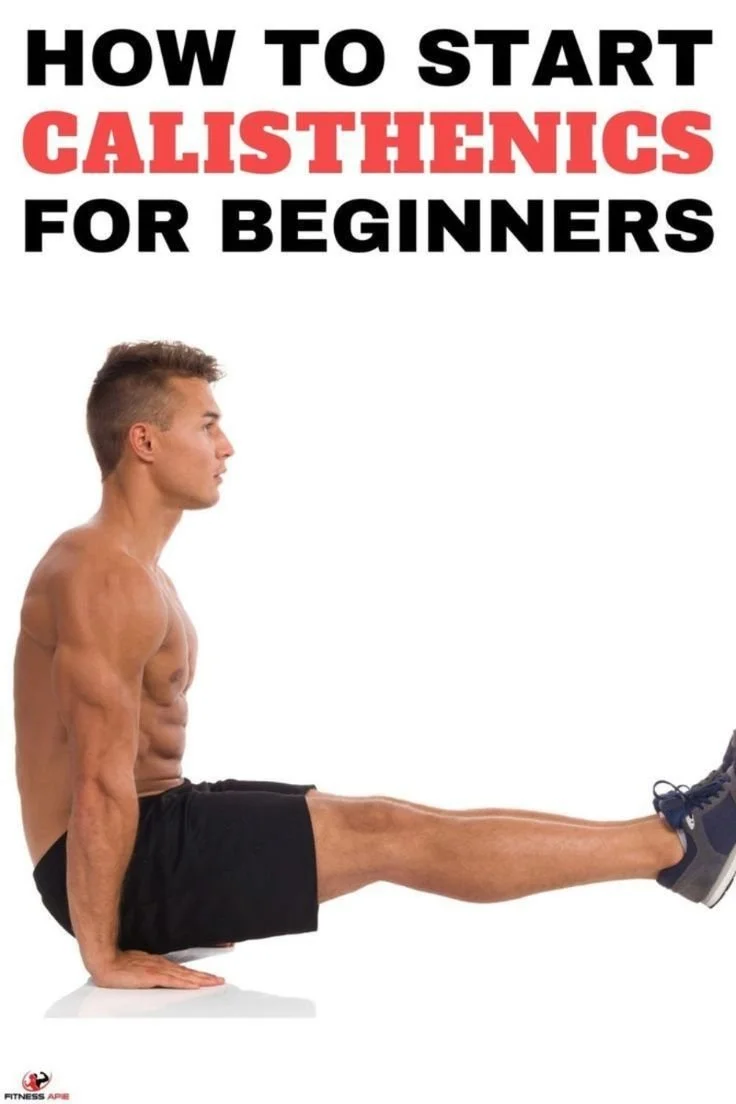
Conclusion
If you want a structured, beginner-focused breakdown of exercises to complement this plan, check out Gymshark’s beginner calisthenics guide for further step-by-step progressions and routines.

GIPHY App Key not set. Please check settings