
Biceps Blast Blueprint
Building powerful, shapely biceps takes targeted movement selection, consistent progression, and smart recovery. This guide gives a focused, practical approach to sculpting your arms with a mix of compound lifts and isolation work. If you need short, equipment-free options to complement this routine, consider these 10-minute workouts at home to keep frequency high without overtraining.
Warm-up and Prep
Start every session with 5–10 minutes of light cardio and dynamic arm movements: arm circles, band pull-aparts, and light curls. A proper warm-up increases blood flow, improves joint mobility, and primes the biceps for heavier loading.
- Light compound movements first (e.g., rows or chin-ups) help recruit the biceps as a secondary muscle.
- Perform 2–3 ramp-up sets with increasing weight and decreasing reps before your working sets.
Core Biceps Exercises
Select 3–4 exercises per workout, mixing one heavy compound movement with two or three isolation variations.
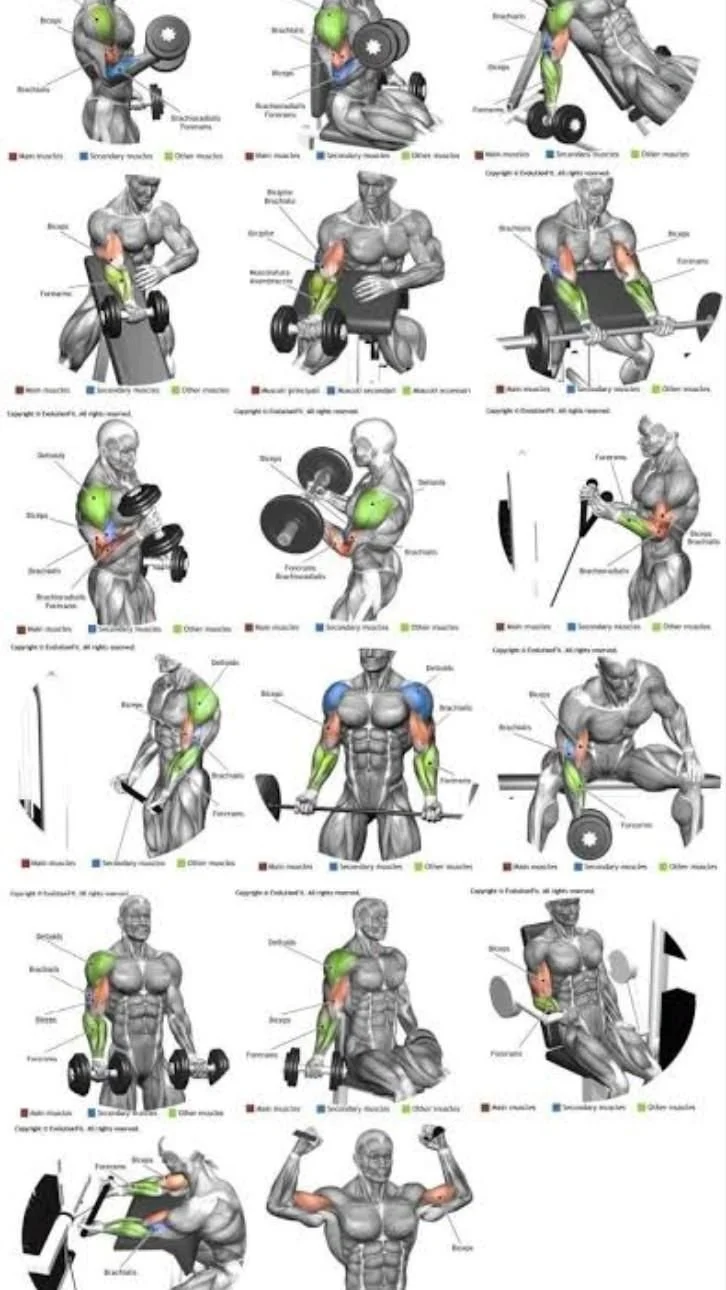
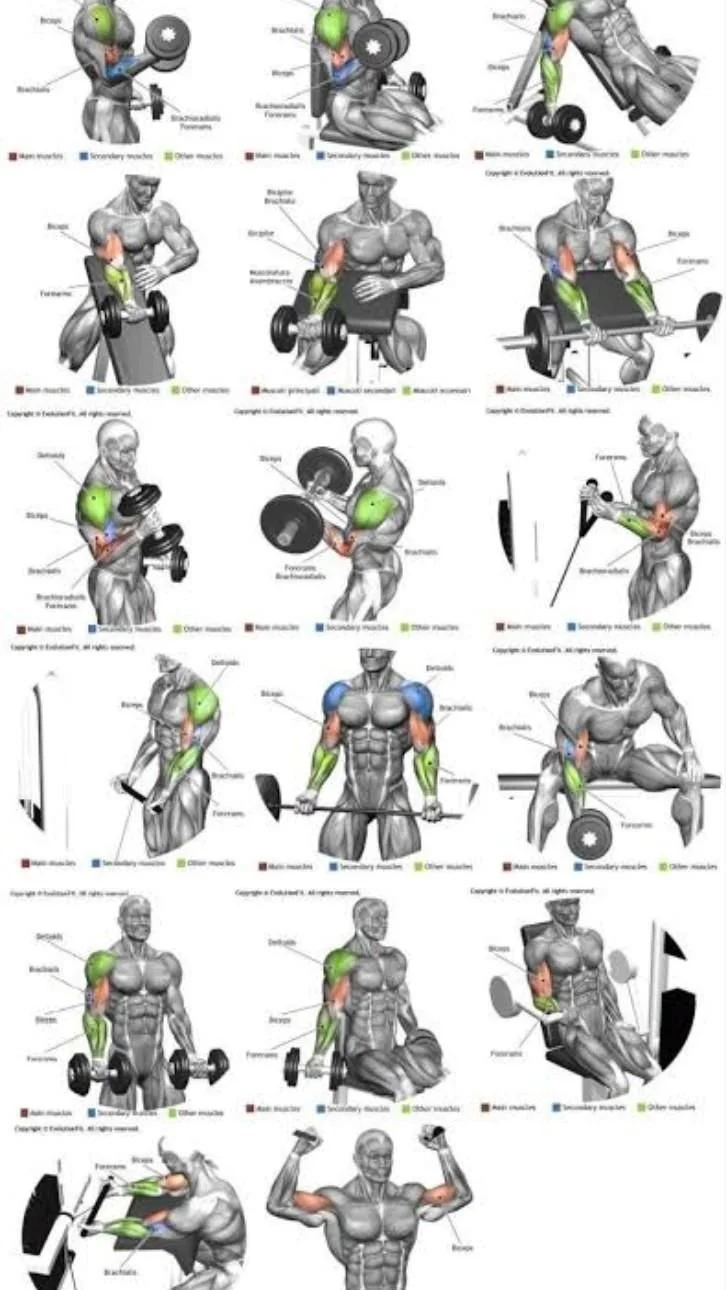
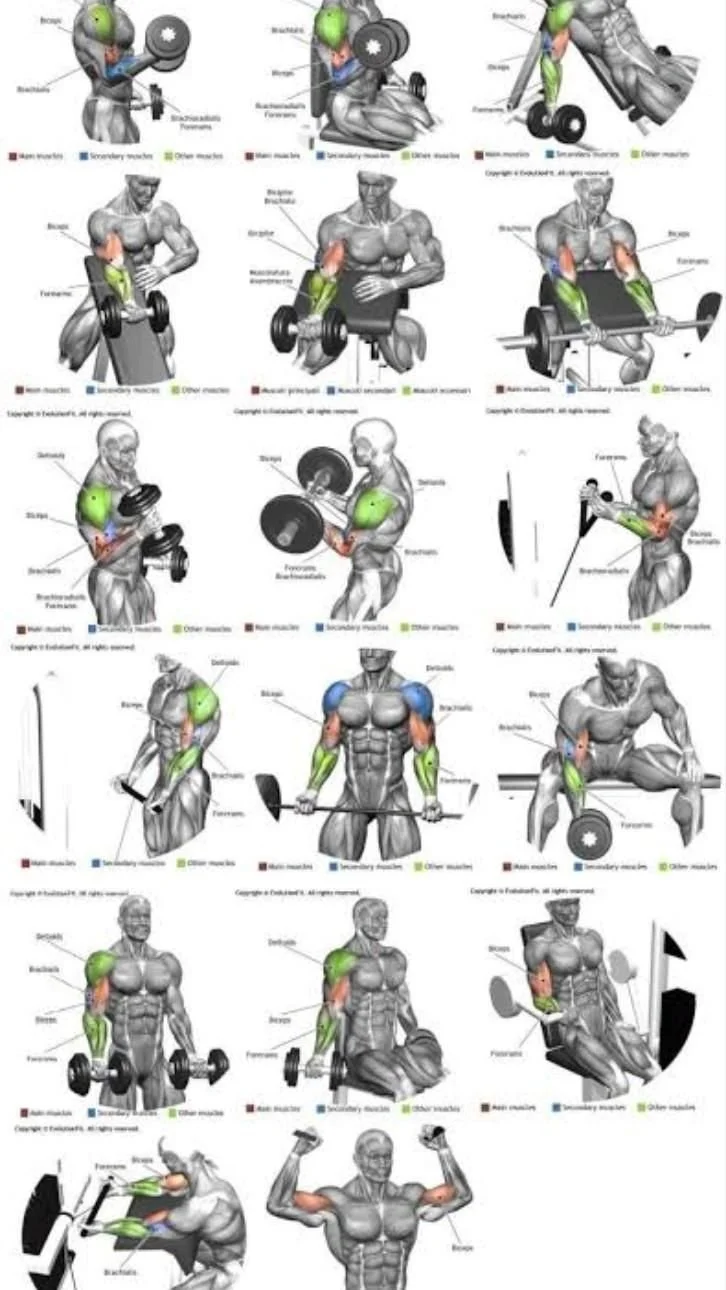
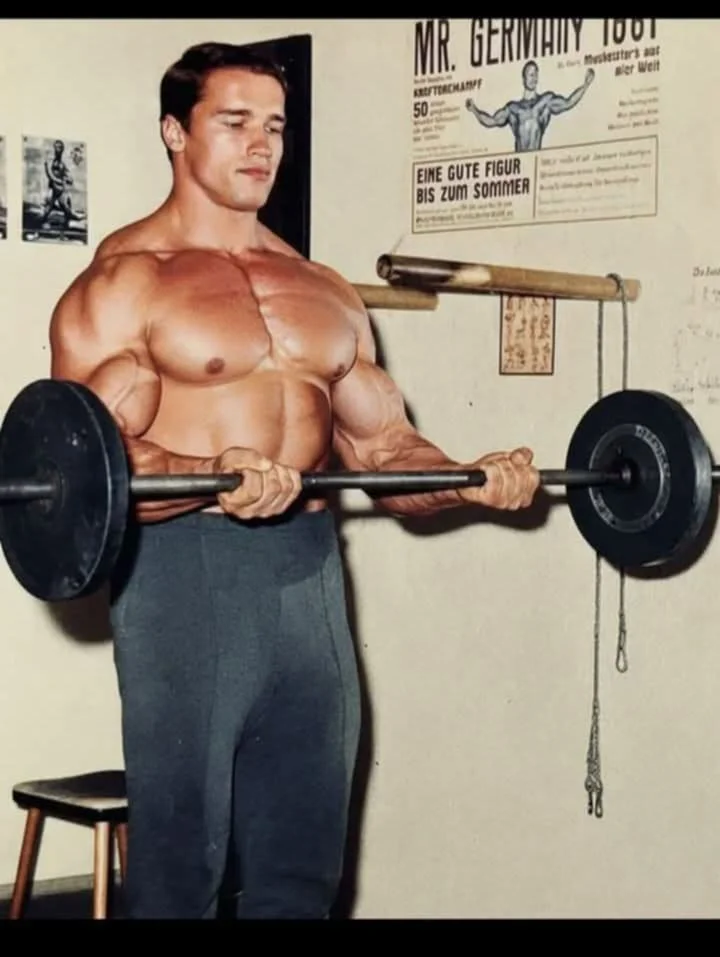
- Barbell or EZ-bar curls: 4 sets of 6–8 reps for strength and mechanical overload.
- Incline dumbbell curls: 3 sets of 8–12 reps to emphasize long-head stretch.
- Hammer curls: 3 sets of 10–12 reps to target brachialis and add arm thickness.
- Concentration or preacher curls: 2–3 sets of 10–15 reps for peak contraction.
Include at least one variation that changes hand positioning each session to hit different biceps regions. For program ideas and structured progressions, check this curated set of biceps workouts that scale from beginner to advanced.
Training Tips and Programming
- Frequency: Train biceps 2–3 times per week with 24–72 hours recovery between intense sessions.
- Volume: Aim for 10–20 working sets per week per arm, adjusted for recovery and experience.
- Tempo: Use controlled eccentric phases (2–4 seconds) to increase time under tension.
- Progressive overload: Increase reps, sets, or load gradually; micro-loads (1–2.5 lb) help steady gains.
- Avoid ego lifting: Sacrificing form for weight often shifts stress away from biceps to shoulders and back.
Recovery and Nutrition
- Prioritize sleep and protein intake (~0.7–1.0 g per lb of bodyweight depending on goals).
- Use soft-tissue work and gentle stretching to improve recovery and mobility.
- If soreness limits performance, lower volume or substitute lighter variations rather than skipping sessions.
Conclusion
For a comprehensive library of biceps-specific movements to expand your exercise selection, visit Muscle & Strength’s biceps exercise library.



GIPHY App Key not set. Please check settings