

 Riri
Riri
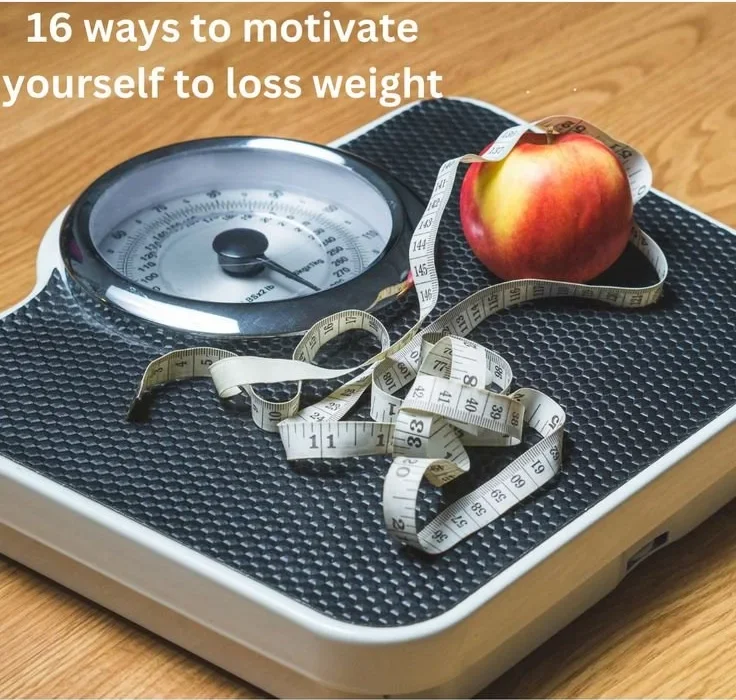
Weight Loss Tips
Finding a sustainable path to weight loss is less about dramatic shortcuts and more about consistent habits, motivation, and realistic planning. Start by setting small, measurable goals and celebrating progress; this keeps momentum and builds confidence. For ideas on gentle dietary swaps that can help without feeling restrictive, check out research-backed options like the best weight loss teas for losing weight to complement your routine.
Table of Contents

Why realistic goals work
Losing weight steadily (for example, 0.5–1 pound per week) is more maintainable than rapid drops. Break a larger goal into monthly milestones and focus on habits; consistent sleep, regular meals, and daily movement; rather than the scale alone.
Practical daily strategies
- Mindful eating: Slow down, chew thoroughly, and notice fullness cues to avoid overeating.
- Protein and fiber focus: Prioritize lean proteins and high-fiber vegetables to stay fuller longer.
- Move more, not less: Short activity bursts like 10-minute walks, stair climbs, or brief bodyweight circuits add up.
- Hydration and sleep: Often overlooked, adequate water and 7–9 hours of quality sleep support appetite regulation and recovery.
Staying motivated during plateaus
Plateaus are normal. When progress stalls, revisit your habits, not just calorie numbers. Small tweaks—adding resistance training, tightening portion control, or reviewing stressors—can restart progress. Reading real-life journeys can be inspiring and informative; for a perspective on how commitment continues beyond major weight loss, see this thoughtful account of a weight loss journey after a large transformation.
Practical meal and habit examples
- Simple swap: Replace soda with sparkling water + lemon.
- Balanced snack: Greek yogurt with berries and a sprinkle of nuts.
- Habit anchor: Pair a new habit (e.g., 5-minute stretch) with an existing daily routine like brushing your teeth to make it stick.
Conclusion
Long-term success depends heavily on motivation and self-determination alongside practical habits; for an evidence-based look at how motivation influences sustained weight control, review this comprehensive study on motivation, self-determination, and long-term weight control.



GIPHY App Key not set. Please check settings