
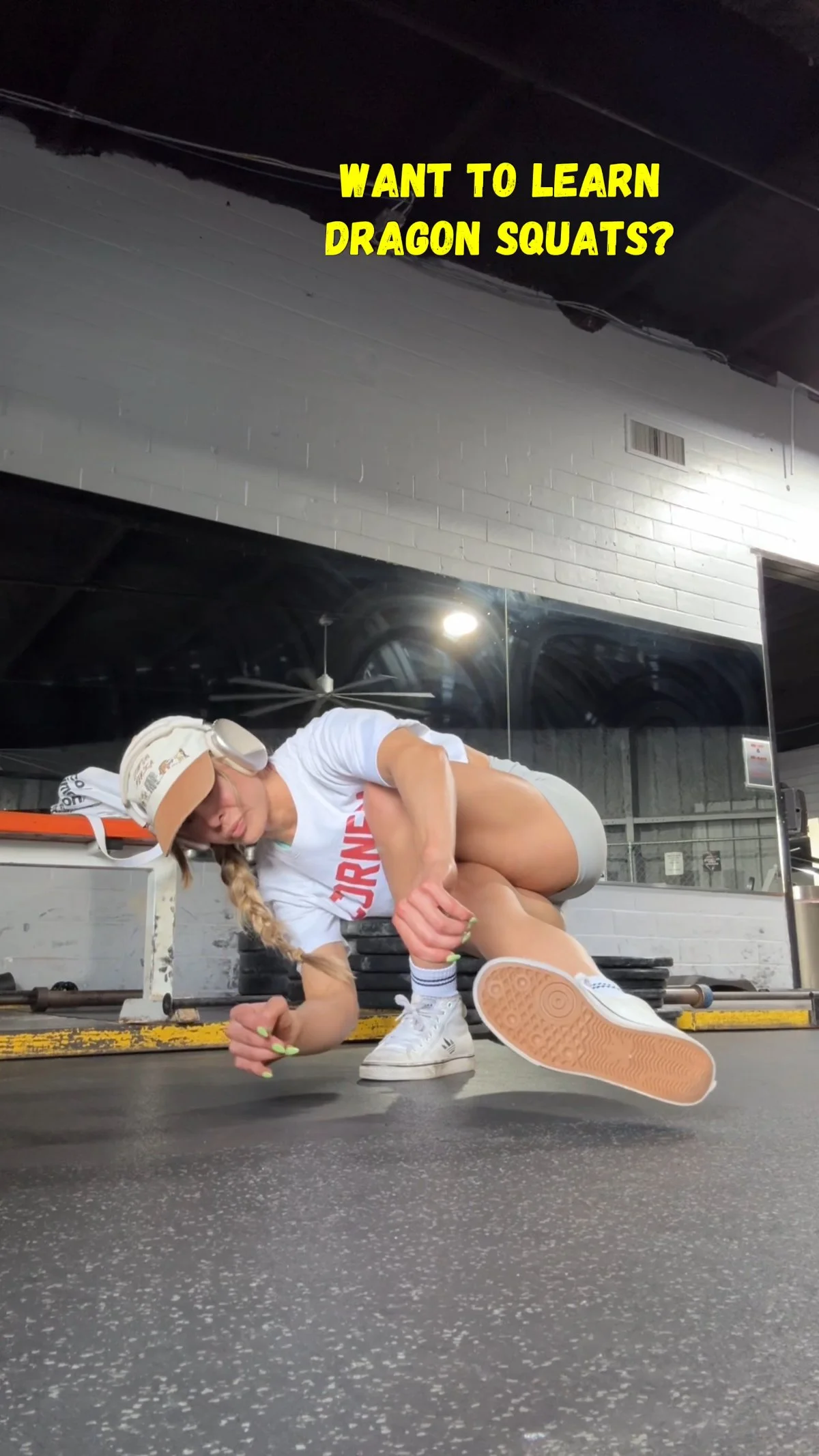
Discover the Power of Dragon Squats for Lower-Body Strength
Dragon squats are one of my favorite lower-body calisthenics exercises. They’re challenging but doable if you follow this progression! I recommend adding 3-4 sets of this exercise once or twice a week into your training. Keep pushing yourself, going deeper and lifting your leg higher each time.
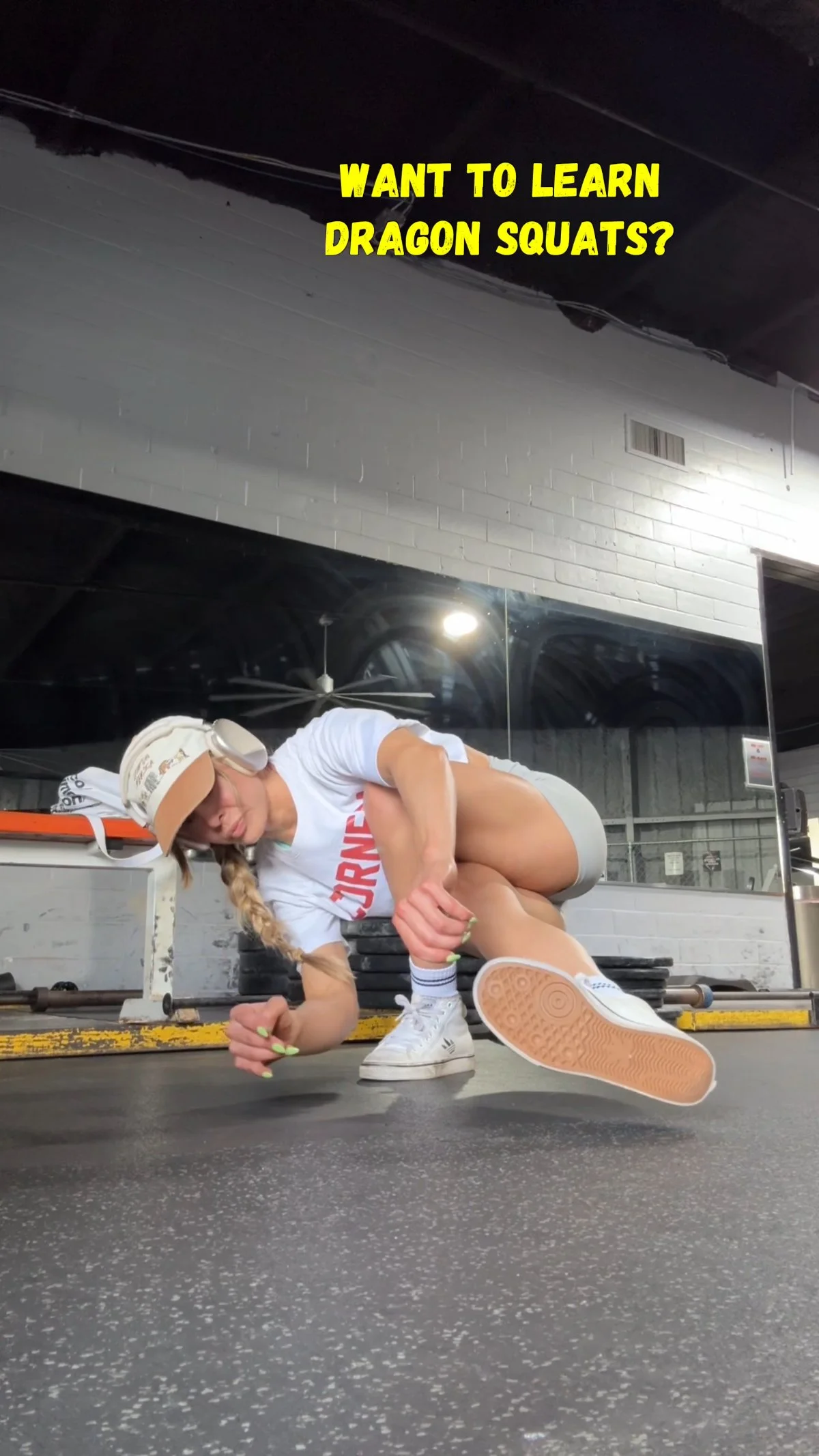
What Are Dragon Squats?
Dragon squats are a dynamic and effective movement that works multiple muscle groups in the lower body, including your quads, hamstrings, glutes, and calves. This exercise builds strength, improves flexibility, and enhances your overall balance. They resemble a squat with a twist—literally!
How to Perform Dragon Squats
- Starting Position: Stand with your feet shoulder-width apart.
- Squatting Down: Begin to lower into a squat while shifting your weight to one side.
- Extend Your Leg: As you squat, extend one leg out to the side. Keep your core tight and focus on balance.
- Depth and Control: Go as deep as you can without losing form, then push through your heel to rise back to the starting position.
- Repeat: Alternate sides and complete the desired number of sets.
Tips for Success
- Start Slowly: If you’re new to dragon squats, begin with assisted versions until you feel comfortable with the movement.
- Focus on Form: Prioritize maintaining a straight back and engaged core throughout the exercise.
- Progress Gradually: As you build strength, aim to increase your range of motion and the height of your extended leg.
Incorporating Dragon Squats into Your Routine
I recommend integrating dragon squats into your weekly workout regimen. Perform 3-4 sets, once or twice a week, depending on your overall training schedule. They can be an excellent addition to leg day or even as part of a cardio circuit.
Keep challenging yourself; every effort to deepen your squat and lift your leg higher contributes to your overall strength and flexibility.
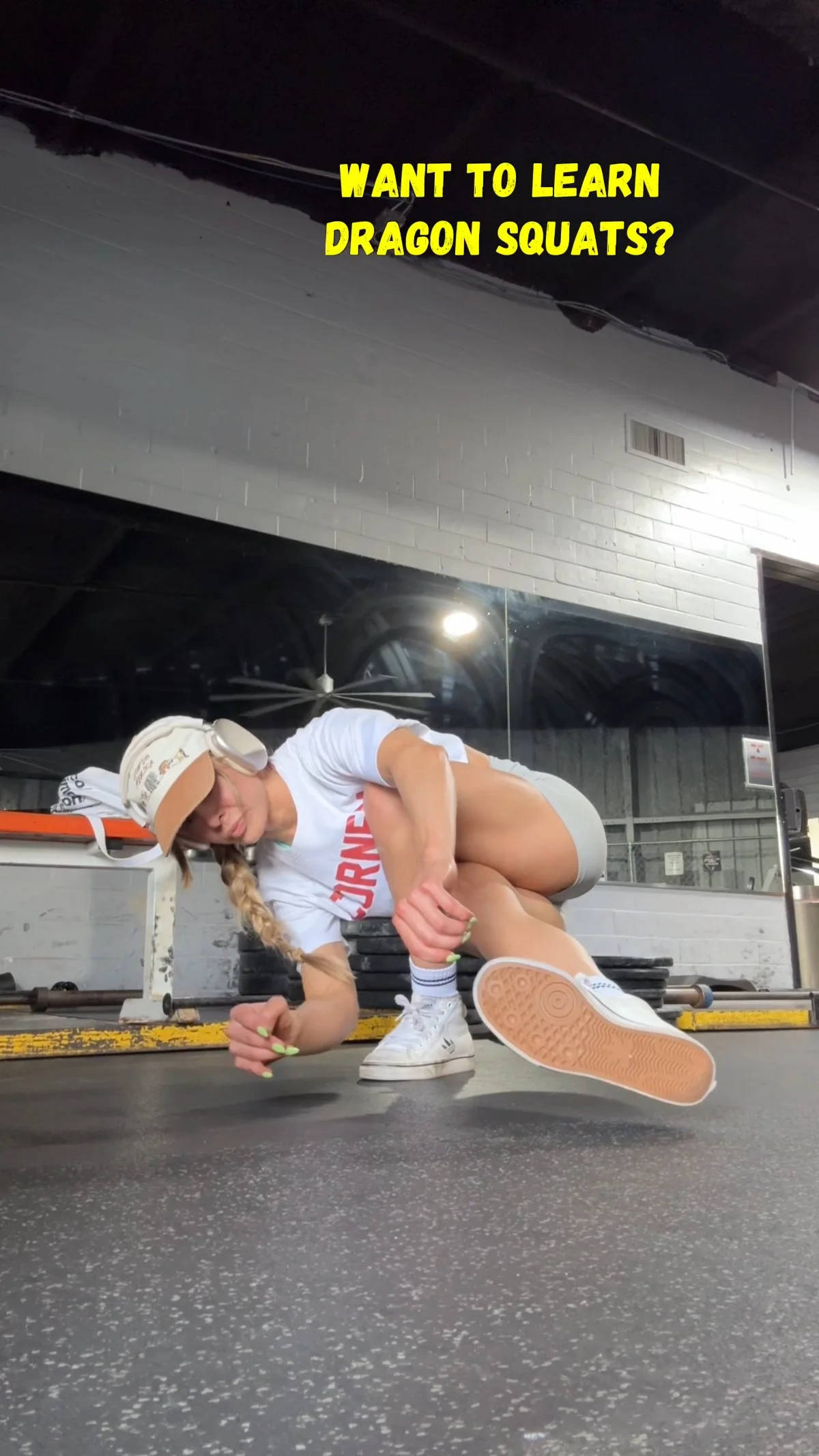
Conclusion
Incorporating dragon squats into your training will not only enhance your lower-body strength but also significantly improve your balance and mobility. Embrace the challenge, and you’ll soon see the benefits!



GIPHY App Key not set. Please check settings