amanda cohen

Delicious protein cookie dough with over 30 grams of protein in each serving.

Protein Cookie Dough Recipe – Over 30 Grams Of Protein!

Protein Cookie Dough — Over 30 Grams of Protein (Single-Serve)

If you want a safe-to-eat cookie dough that doubles as a high-protein snack, this single-serve protein cookie dough delivers more than 30 grams of protein with minimal fuss. It’s thick, scoopable, and customizable for allergies and flavor preferences. If you’re building a full day of high-protein meals, check out this roundup of 50 high-protein low-calorie meals for more ideas that pair well with this treat.

Why this works

  • Whey isolate (or another concentrated protein powder) provides the bulk of protein without adding a lot of carbs or fat.
  • Powdered peanut butter (or cottage cheese / Greek yogurt) boosts protein and improves texture.
  • Oat flour or quick oats add body so the dough holds together.

Ingredients (single serving)

  • 1 scoop (30 g) whey protein isolate — vanilla or chocolate (≈25 g protein)
  • 2 tbsp powdered peanut butter (PB2) mixed with 1–2 tbsp water OR 2 tbsp natural peanut butter (≈6–8 g protein for PB2)
  • 2 tbsp oat flour or 3 tbsp quick oats, lightly ground
  • 2–3 tbsp nonfat Greek yogurt or 2 tbsp low-fat cottage cheese (optional, for creaminess)
  • 1–2 tsp sweetener (maple syrup, honey, or zero-calorie sweetener)
  • 1–2 tbsp milk or unsweetened almond milk (to reach desired consistency)
  • Pinch of salt and 1/4 tsp vanilla extract
  • Optional mix-ins: mini dark chocolate chips, chopped nuts, or cinnamon

Estimated nutrition (approximate)

  • Protein: 30–35 g
  • Carbs: 18–25 g (depends on oats and sweetener)
  • Fat: 6–10 g (varies with peanut product)
  • Calories: ~300–360

Instructions

  1. Combine dry ingredients: In a small bowl, stir the protein powder, oat flour (or ground oats), and a pinch of salt.
  2. Add peanut butter base: If using PB2, mix the powder with 1–2 tbsp water first until it’s a spread-like consistency. If using natural peanut butter, just measure it.
  3. Mix wet ingredients: Add the peanut butter, Greek yogurt (or cottage cheese, if using), vanilla, and sweetener to the dry mix.
  4. Adjust consistency: Add milk a little at a time until you reach a thick, scoopable cookie-dough texture. If it’s too runny, sprinkle in a bit more protein powder or oats.
  5. Fold in mix-ins gently: Stir in up to 1 tbsp of mini chocolate chips or chopped nuts.
  6. Taste and tweak: Adjust sweetener or salt to preference.

Edible cookie dough vs baked cookies

  • To eat raw: This recipe is designed to be safe raw (no eggs). Use heat-treated flour or oats if you’re concerned—simply pulse oats in a blender for a few seconds or bake at 350°F (175°C) for 5 minutes and cool.
  • To bake: Scoop dough onto a lined baking sheet and flatten slightly; bake at 350°F (175°C) for 8–10 minutes for a soft cookie. Baking may reduce some protein bioavailability slightly, but flavor and texture change nicely.

Variations and swaps

  • Vegan: Use a plant-based protein powder (pea or soy) and swap Greek yogurt for blended silken tofu or extra nut butter. Add a flax "egg" (1 tbsp ground flax + 3 tbsp water) if baking.
  • Lower carb: Replace oats with almond flour (note: texture will be different) and choose a low-carb sweetener.
  • Higher protein: Stir in 2 tbsp nonfat dry milk powder or replace some oats with extra protein powder, but beware of dryness—add more yogurt/milk.

Serving ideas

  • Eat straight from the bowl with a spoon.
  • Scoop onto apple slices or rice cakes.
  • Use as a dip for strawberries or banana slices.
  • Spread between two small baked protein cookies to make an icebox sandwich.

Storage

  • Refrigerate in an airtight container for up to 3–4 days.
  • Freeze in portioned scoops (on a tray, then bagged) for up to 1 month; thaw briefly at room temperature before eating.

Troubleshooting

  • Too dry: Add a teaspoon or two of milk or Greek yogurt.
  • Too sweet or chalky: Use less protein powder next batch, or add more peanut butter and a pinch of salt.
  • Not holding together: Add more oat flour or chill the dough 10–15 minutes in the fridge.

Further dessert pairing
If you enjoy protein-forward desserts, you might also like a chocolate protein pudding recipe as a lighter, scoopable option that pairs well with small spoonfuls of cookie dough for a decadent but balanced treat.

Conclusion

For an easy, high-protein snack that tastes like dessert but fuels your goals, try this single-serve protein cookie dough. If you want a ready-made version or inspiration for a one-serving baked alternative, check out Single Serve Protein Cookies (30g protein!).

Protein Cookie Dough Recipe – Over 30 Grams Of Protein! Read More »

A person performing lower chest exercises to build strength and definition.

Chisel Your Lower Chest With These 7 Exercises

Chisel Your Lower Chest With These 7 Exercises

Building a well-defined lower chest gives your pecs a sharper, more sculpted look and improves pressing strength. Whether you’re training at home or in the gym, focusing on downward angles and targeted contractions makes all the difference. If you like working with free weights, you might also enjoy this primer on top chest dumbbell moves to complement the lower-chest work below.

Below are seven highly effective exercises, technique tips, and simple programming you can use to add depth and separation to the lower portion of your chest.

1. Decline Barbell Bench Press

  • Purpose: Heavy compound lift to overload the lower pec fibers.
  • How: Set bench to a 15–30° decline. Grip slightly wider than shoulder-width. Lower the bar to the lower sternum, drive through the feet and press up.
  • Sets/Reps: 3–5 sets of 4–8 reps.
  • Cues: Keep a tight arch, scapula retracted, drive through your heels, and avoid flaring elbows excessively.

2. Decline Dumbbell Press

  • Purpose: Greater range of motion and unilateral balance compared to barbell.
  • How: Same decline angle as barbell. Press dumbbells together slightly at lockout for more pec activation.
  • Sets/Reps: 3–4 sets of 6–10 reps.
  • Cues: Rotate wrists slightly so palms face each other at the bottom, then press into a subtle pronation to maximize pec stretch and contraction.

3. Weighted Dips (Chest-Focused)

  • Purpose: Excellent lower-chest builder when performed with a forward lean.
  • How: Use dip bars, lean chest forward about 20–30°, lower to about 90° elbow bend, then press up. Add weight with a belt if needed.
  • Sets/Reps: 3 sets of 6–12 reps.
  • Cues: Squeeze the chest at the top, control the descent, and avoid locking the shoulders forward.

4. High-to-Low Cable Fly (Cable Crossover)

  • Purpose: Targets the lower pec fibers via a downward, inward line of pull.
  • How: Set pulleys high, step forward with one foot, pull handles down and together in a sweeping arc toward the hips.
  • Sets/Reps: 3 sets of 10–15 reps.
  • Cues: Keep elbows slightly bent, pause and squeeze at peak contraction, and control both sides to avoid momentum.

5. Decline Dumbbell Fly

  • Purpose: Isolate the lower chest with a deep stretch.
  • How: On a decline bench, perform flyes with a slight arc, bringing dumbbells toward midline at the bottom near hip level.
  • Sets/Reps: 3 sets of 8–12 reps.
  • Cues: Focus on the mind–muscle connection, use moderate weight, and protect shoulders by keeping the range controlled.

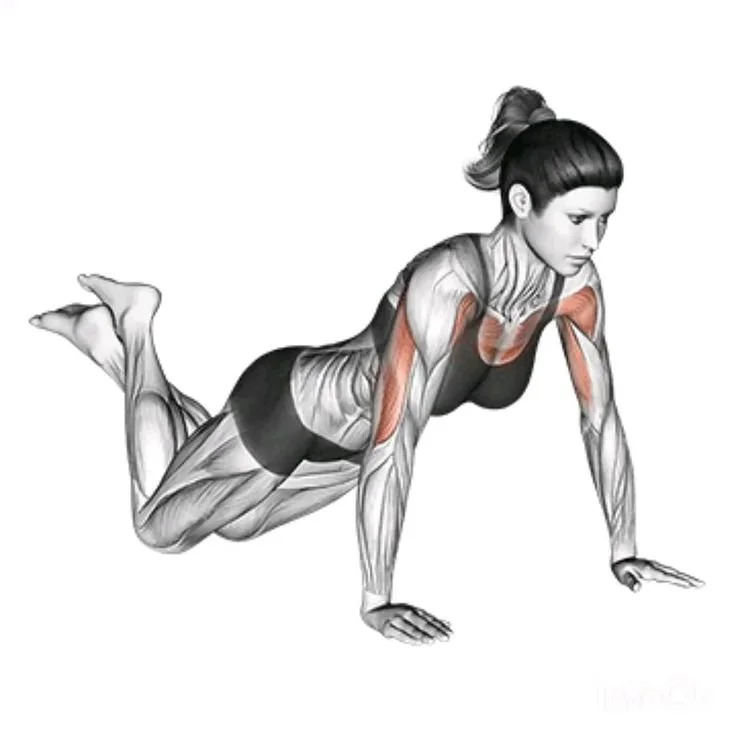
6. Decline Push-Up (Feet-Elevated)

  • Purpose: A bodyweight lower-chest movement you can do anywhere.
  • How: Place feet on an elevated surface so your torso is angled down. Perform push-ups, lowering chest toward the floor then pushing up to full extension.
  • Sets/Reps: 3–4 sets of 8–20 reps (adjust elevation for difficulty).
  • Cues: Maintain a straight plank line, and emphasize a deep descent with a strong press at the top.

7. Single-Arm Decline Dumbbell Press

  • Purpose: Improves unilateral strength and addresses imbalances while hitting the lower chest.
  • How: Perform a decline dumbbell press with one arm at a time; brace the core to prevent rotation.
  • Sets/Reps: 3 sets of 6–10 reps per side.
  • Cues: Keep hips square and stabilize with the opposite hand on the bench or by bracing legs.

Programming and Progression

  • Frequency: Train chest 1–2 times per week; include at least one heavy compound session (decline press/dips) and one higher-rep shaping session (cables/flyes).
  • Progressive Overload: Increase weight or reps gradually; track workouts to ensure steady progression.
  • Recovery: Allow 48–72 hours between intense chest sessions. Sleep, nutrition, and hydration are essential for muscle repair.
  • Core Integration: Strong core and obliques help stabilize the torso during heavy pressing and dips — include dedicated core work to support performance and reduce injury risk. For targeted side-ab development and stability drills, see this guide to oblique exercises and side-abs.

Technique Checklist (Always)

  • Warm up thoroughly: joint mobility and light chest activation.
  • Prioritize form over ego; controlled reps beat heavy sloppy reps.
  • Squeeze the pecs at the peak of each rep; feel the lower fibers work.
  • Breathe: inhale on the descent, exhale on the concentric press.
  • If you feel persistent shoulder pain, reduce range or load and consult a professional.

Sample Two-Week Microcycle (For Intermediate Lifters)

Week A

  • Day 1 (Strength): Decline Barbell Press 5×5, Weighted Dips 3×8, High-to-Low Cable Fly 3×12
  • Day 4 (Hypertrophy): Decline Dumbbell Press 4×8, Decline Dumbbell Fly 3×10, Decline Push-Ups 3xMax

Week B

  • Day 1 (Strength): Decline Dumbbell Press 4×6, Weighted Dips 4×6, Single-Arm Decline Press 3×8
  • Day 4 (Hypertrophy): High-to-Low Cable Fly 4×12, Decline Dumbbell Fly 3×12, Decline Push-Ups 3xMax

Adjust sets, reps, and rest to match your recovery and goals.

Conclusion

If you want a structured routine and extra ideas for shaping the lower pecs, check out this practical resource: The Best Lower Chest Workout for Shape and Strength.

Chisel Your Lower Chest With These 7 Exercises Read More »

Person performing neck stretches to alleviate stiff neck and upper back pain.

15 Stretches to Relieve a Stiff Neck, Tight Shoulders, and Upper Back Pain

15 Stretches to Relieve a Stiff Neck, Tight Shoulders, and Upper Back Pain

A stiff neck, tight shoulders, and upper back pain are common for people who work at desks, carry heavy bags, or spend long hours on screens. Regularly doing targeted stretches can reduce tension, improve posture, and prevent recurring discomfort. If you’re interested in how movement and mindset interact when building long-term habits, this reflection on fitness and life can be a helpful companion: A Letter to My Younger Self on Bodybuilding and Life.

Below are 15 effective stretches you can do almost anywhere. Hold each stretch for 20–45 seconds, breathe slowly and deeply, and repeat 2–3 times per side where applicable. Move gently into each position — you should feel tension release, not sharp pain. If you have a diagnosed injury or severe pain, check with a healthcare professional first.

  1. Chin Tucks
  • How: Sit tall. Gently draw your chin straight back (making a “double chin”), keeping eyes level. Hold and relax.
  • Benefits: Strengthens deep neck muscles and reduces forward-head posture.
  1. Upper Trapezius Stretch
  • How: Sit or stand. Tilt your head to one side as if bringing your ear to your shoulder. For a deeper stretch, place the same-side hand on top of your head and apply light pressure.
  • Benefits: Releases tension along the side of the neck.
  1. Levator Scapulae Stretch
  • How: Rotate head 45 degrees to the side, then tuck your chin and look down toward your armpit. Use your hand to gently increase the stretch.
  • Benefits: Targets the muscle that runs from the neck to the shoulder blade.
  1. Scalene Stretch
  • How: Sit tall. Grip the bottom of your chair with one hand to anchor your shoulder, tilt your head to the opposite side and slightly backward to feel a stretch in the front/side of the neck.
  • Benefits: Helps with neck stiffness often caused by poor posture.
  1. Doorway Pec Stretch
  • How: Stand in a doorway, place forearms on the door frame at shoulder height, and gently lean forward until you feel a stretch across your chest.
  • Benefits: Opens tight chest muscles that pull shoulders forward.
  1. Cross-Body Shoulder Stretch
  • How: Bring one arm across your chest and use the opposite arm to press it closer to your body.
  • Benefits: Stretches the rear deltoid and upper shoulder area.
  1. Shoulder Rolls
  • How: Slowly roll both shoulders up, back, and down in a circular motion; reverse the direction after several repetitions.
  • Benefits: Improves movement in the shoulder girdle and encourages mobility.
  1. Neck Rotation
  • How: Slowly turn your head to look over one shoulder, hold, then return to center and repeat the other side.
  • Benefits: Relieves stiffness and maintains neck mobility.
  1. Cat-Cow (for upper back mobility)
  • How: On hands and knees, alternate arching the back up (cat) and sinking the chest forward (cow), moving smoothly with your breath.
  • Benefits: Mobilizes the entire spine and releases upper back stiffness.
  1. Thread-the-Needle
  • How: From hands and knees, slide one arm underneath the body and rest your shoulder and head on the floor, twisting the thoracic spine. Return and repeat on the other side.
  • Benefits: Excellent for thoracic rotation and upper-back tension.
  1. Eagle Arms (Garudasana arms)
  • How: Wrap one arm under the other at the elbows and bring palms together if possible; lift elbows and lengthen the spine.
  • Benefits: Targets the upper back between the shoulder blades.
  1. Wall Angels
  • How: Stand with your back against a wall. With elbows and wrists touching the wall, slide arms up and down like making a snow angel.
  • Benefits: Strengthens scapular stabilizers and improves posture.
  1. Foam Roller Thoracic Extension
  • How: Place a foam roller horizontally under the upper back, support your head, and gently extend over the roller. Move it slightly up and down to target different segments.
  • Benefits: Opens the chest and decompresses the thoracic spine.
  1. Seated Thoracic Twist
  • How: Sit tall, cross arms over chest, rotate your torso to look over one shoulder, using gentle force from your core. Repeat each side.
  • Benefits: Improves mid-back mobility and eases stiffness.
  1. Corner Lat Stretch
  • How: Stand facing a corner, place forearms on each wall, and lean your chest toward the corner while keeping the pelvis neutral.
  • Benefits: Stretches the lats and side of the upper back that can contribute to shoulder tightness.

Quick routine sample (10–15 minutes)

  • Warm-up: Shoulder rolls and neck rotations (1–2 minutes)
  • Mobilize: Cat-cow and thread-the-needle (2–3 minutes)
  • Stretch sequence: Doorway pecs, cross-body shoulder, levator scapulae, and corner lat stretch (2 sets each, 30–40 seconds)
  • Finish: Wall angels and chin tucks to reinforce posture (1–2 minutes)

Tips for better results

  • Breathe: Exhale as you move into each stretch and inhale while holding. Controlled breathing facilitates relaxation.
  • Consistency: Do these stretches daily or after long periods of sitting. Small, frequent sessions beat rare, long sessions.
  • Combine with movement: Pair stretches with strengthening of the upper back and shoulder stabilizers to prevent recurrence. For guidance on calm, structured routines that blend flexibility and mindfulness, you might find this yoga guide useful: Harmony of Body and Mind — The Ultimate Guide to Yoga Routines.
  • Ergonomics: Adjust your workspace — monitor at eye level, chair at proper height, and take micro-breaks every 30–60 minutes.
  • Progress slowly: Increase stretch intensity gradually. If you feel numbness, tingling, or worsening pain, stop and consult a professional.

When to see a professional

  • If pain is severe, persistent, or accompanied by weakness, numbness, radiating pain down the arms, or recent trauma, seek medical attention or physical therapy.

Conclusion

If you want a broader set of exercises that combine stretches, strengthening moves, and mobility drills specifically for the upper back, neck, and shoulders, check out this helpful collection: 19 Exercises for Upper Back Pain, Neck Pain, Tight Shoulders.

15 Stretches to Relieve a Stiff Neck, Tight Shoulders, and Upper Back Pain Read More »

A person showcasing their visible abs through a fitness routine and healthy diet.

Visible abs

How to Get Visible Abs: A Practical, Sustainable Guide

Visible abs are a combination of muscle development, low body fat, and consistent habits. While “six-pack” appeal is often aesthetic, the work involved improves posture, athletic performance, and core strength. This guide breaks down the realistic steps to make your abs show — without falling for quick fixes or extreme diets.

What “Visible Abs” Really Means

Having visible abs means two things:

  • Your abdominal muscles are developed enough to create definition.
  • Your overall body fat is low enough for that definition to show through the skin.

Training the rectus abdominis, transverse abdominis, and obliques all contribute to a cleaner, more defined midsection. If you want targeted ideas for your side abs, check this list of the best oblique exercises to balance your core work.

Anatomy and Why It Matters

Understanding the muscles helps you train them effectively:

  • Rectus abdominis: the “six-pack” muscle running down the front.
  • External and internal obliques: run along the sides and control rotation, side-bending and core stability.
  • Transverse abdominis: deep muscle that stabilizes the spine and compresses the abdomen.

Training should address both visible muscle development (hypertrophy) and deep stability so your midsection looks toned and functions well.

Nutrition: The Primary Driver of Visibility

No amount of ab training can outwork a calorie surplus if your goal is visible abs. Key points:

  • Create a modest caloric deficit for fat loss (0.5–1% body weight per week is a sustainable target).
  • Prioritize lean protein to preserve muscle while cutting.
  • Fill meals with vegetables, whole grains, and healthy fats for satiety and micronutrients.
  • Track progress and adjust calories rather than chasing extreme restrictions.

Hydration and sodium management can temporarily affect how “flat” your midsection looks, but long-term fat loss is what reveals abs.

Training Strategy: Strength, Volume, Progression

Make ab training purposeful:

  • Train core 2–4 times per week with a mix of loaded and bodyweight exercises.
  • Include progressive overload: add resistance, increase time under tension, or raise reps.
  • Combine compound lifts (squats, deadlifts, overhead presses) that stress the core with focused ab movements.

For advanced bodyweight progressions and moves that build real abdominal strength, consider training elements like the dragon flag and hip raise to increase intensity safely — this resource shows how to approach those at home: dragon-flag and hip-raise progressions.

Cardio and Conditioning

Cardio can accelerate fat loss but isn’t mandatory if you maintain a calorie deficit through diet and resistance training. Use:

  • High-intensity interval training (HIIT) for time-efficient calorie burn and metabolic stimulus.
  • Low-intensity steady state (LISS) for active recovery and extra calorie expenditure without taxing recovery.

Mix modalities to avoid plateaus and keep your metabolism responsive.

Lifestyle Factors: Sleep, Stress, Consistency

  • Sleep: Aim for 7–9 hours. Poor sleep disrupts hormones that regulate appetite and fat storage.
  • Stress management: Chronic stress elevates cortisol which can complicate fat loss for some people.
  • Consistency: Visible abs typically require months of consistent diet and training, not days or a single workout routine.

Common Mistakes to Avoid

  • Doing endless crunches without addressing diet or whole-body training.
  • Chasing spot reduction — you can’t pick where fat comes off.
  • Jumping between extreme diets that cause rebound weight gain.
  • Forgetting recovery — overtraining can stall progress.

Short Sample Weekly Plan (Beginner)

  • 3 strength sessions (full-body focus, including heavy compound lifts)
  • 2 dedicated core sessions (planks, hanging knee raises, weighted crunch variations)
  • 2 cardio/conditioning sessions (one HIIT, one LISS)
  • Daily attention to protein intake and a small calorie deficit if fat loss is the goal

Mindset: Realistic Timelines

Visible abs depend on starting body composition. For some, a few weeks of focused work will produce noticeable change; for others, it may take months. Focus on sustainable habits, measurable progress, and strength gains rather than purely aesthetic timelines.

Conclusion

If you want a reliable primer on what six-pack abs actually entail and sensible ways to get there, read this overview on 6-Pack Abs: What They Mean and How to Get Them (6-Pack Abs: What They Mean and How to Get Them). It complements the training and nutrition strategies above with practical, evidence-based advice.

Visible abs Read More »

Image showcasing 筋肉 development and training techniques.

Pin en 筋肉

Title: Pin en 筋肉 — Caring for Trigger Points and Everyday Muscle Health

Introduction
Muscles do more than produce movement; they store tension, react to stress, and hold the story of our daily habits. The phrase "Pin en 筋肉" evokes the idea of pinpointing muscle issues—finding the sore spot, treating it, and preventing recurrence. Whether you lift weights at the gym, sit at a desk all day, or carry stress in your shoulders, understanding how to locate and manage tightness matters. For those who treat regular workouts as part of life, the culture of the gym can shape habits and recovery routines—see how gym priorities influence daily care with this look at gym life. the gym is better than a girlfriend

What is a "pin" in muscle?
When people say they feel a "pin" or pinpoint pain in a muscle, they often mean a trigger point: a tight, tender spot within a taut band of muscle fibers. Trigger points can refer pain to nearby areas, limit range of motion, and increase muscle fatigue. They form from overuse, poor posture, trauma, or prolonged tension (for example, hunching over devices).

Recognizing common trigger-point patterns
Certain muscles are frequent offenders:

  • Trapezius and levator scapulae: produce neck and shoulder stiffness.
  • Upper back and rhomboids: cause mid-back tightness when posture is poor.
  • Gluteus medius and piriformis: refer pain into the hip and down the leg.
  • Calves and hamstrings: tighten from running or standing for long periods.

Identifying these patterns helps you target treatment and adjust activities that provoke pain.

Assessment and safe self-care
To find a trigger point, press along the muscle belly and notice spots that reproduce the pain and feel denser or more nodular than surrounding tissue. When treating yourself:

  • Apply sustained pressure for 20–60 seconds, breathing slowly. Stop if pain sharply increases.
  • Use tools like massage balls or foam rollers to control pressure safely.
  • Combine pressure with gentle stretching afterward to restore length.

If pain persists or worsens, seek evaluation from a physical therapist or medical provider.

Simple prevention strategies
Prevention pays off. Integrate these habits:

  • Regular movement breaks to interrupt static postures.
  • Strengthening of weak opposing muscles to balance the body.
  • Progressive loading in workouts to avoid sudden overload.
  • Hydration, sleep, and stress management to support recovery.

Targeted exercises for neck and shoulders
Neck and shoulder triggers are common in desk workers. Gentle mobility and strengthening can ease tension and reduce recurrence. For a set of practical moves specifically aimed at easing neck and shoulder tension, try these recommended routines that combine mobility, scapular control, and postural strengthening. 11 exercises ease tension neck shoulders

When to seek professional help
Consult a clinician if:

  • Pain radiates beyond typical patterns (numbness, tingling, or weakness).
  • Pain follows a fall or acute injury.
  • Self-care fails after several weeks.
    Professionals can differentiate trigger points from nerve entrapments, joint problems, or systemic causes and provide modalities like manual therapy, dry needling, or guided exercise programs.

Lifestyle adjustments that help
Small daily changes make a big difference:

  • Ergonomic workstation setup to keep shoulders relaxed.
  • Regular short walks or movement breaks during long sitting periods.
  • Mindful breathing and relaxation to reduce muscular guarding.
  • Balanced exercise that includes flexibility and eccentric strength work.

Conclusion

For targeted, over-the-counter relief when you have a localized sore spot, consider trying a product designed to act on pinpoint pain. One option to explore is the サロンパス®ツボコリ®パッチ|コリや痛みにピンポイント®で効く, which is marketed for precise application to stubborn knots and discomfort.

Pin en 筋肉 Read More »

Innerpace: A guide to self-discovery and achieving inner peace

Innerpace

Innerpace: Finding Rhythm Between Stillness and Motion

Introduction

In a world that prizes speed, constant connection, and nonstop productivity, the idea of slowing down can feel counterintuitive. Innerpace is a concept that brings together two complementary needs: inner calm and sustainable tempo. It’s less about achieving static peace and more about learning your natural rhythm — how to move through tasks, emotions, and relationships with awareness and steadiness. This article explores what Innerpace means, why it matters, practical ways to cultivate it, and how to sustain it in daily life.

What is Innerpace?

Innerpace is the balanced tempo of our inner life — a steady, adaptable flow between rest and action. It’s neither perpetual relaxation nor constant high-energy output. Instead, it’s an attuned pace that aligns with your physical energy, mental clarity, and emotional state. When you operate from Innerpace, decisions feel clearer, transitions are smoother, and stress is more manageable because your responses match the situation rather than amplifying it.

Key characteristics of Innerpace:

  • Awareness of body and mind signals (hunger, fatigue, overwhelm).
  • Intentional transitions between work and rest.
  • A flexible schedule that honors biological rhythms.
  • Capacity to respond, not react, under pressure.

The science behind Innerpace

The foundations of Innerpace draw on neuroscience, circadian biology, and stress physiology:

  • Autonomic balance: Practices that enhance parasympathetic activation (rest-and-digest) help counter chronic sympathetic dominance (fight-or-flight), reducing anxiety and improving recovery.
  • Circadian alignment: Matching demanding tasks to times when alertness and cognitive function are naturally higher leads to better outcomes and less fatigue.
  • Neuroplasticity: Regular mindfulness and paced breathing can reshape stress responses, making calmer reactions habitual.
  • Energy economics: Task-switching and multitasking deplete cognitive resources; deliberate pacing conserves mental energy for sustained performance.

Practices to cultivate Innerpace

  1. Micro-breaths
    Take 3–5 slow, deliberate breaths at transition points (before meetings, between tasks, after stressful moments). Slow exhalations activate the vagus nerve and support down-regulation.

  2. Time-blocking with rhythm
    Plan work in focused blocks (e.g., 50 minutes) followed by brief restorative breaks (10–15 minutes). The ratio can be tuned to personal endurance and task type.

  3. Anchor routines
    Create short pre-task rituals that signal the brain to switch modes: a cup of tea, a stretch sequence, or a one-minute visualization. These anchors make transitions deliberate and reduce cognitive friction.

  4. Body-first checks
    Start decisions or breaks by scanning your body: Are you thirsty? Tense? Hungry? Addressing physical needs prevents escalation into stress.

  5. Rhythm journaling
    Keep a simple log of when you feel most alert, anxious, or creative. Mapping these patterns helps schedule activities in sync with your natural highs and lows.

  6. Movement cycles
    Integrate gentle movement throughout the day — standing, a 5-minute walk, or mobility flows. Movement resets focus and helps avoid sluggishness.

Daily routines that support Innerpace

Morning

  • Wake with light exposure, hydrate, and do 5–10 minutes of movement or stretching.
  • Do one focused planning step: identify the highest-impact task for the morning.

Workday

  • Start with your most demanding cognitive task during peak alertness.
  • Use time blocks and micro-breaks; avoid adulting the rest of the day by staying rigidly busy.
  • Have a midday reset: a short walk, breathing practice, or mindful lunch.

Evening

  • Wind down electronics at least 60 minutes before bedtime.
  • Engage in restorative practices: reading, light stretching, or journaling.
  • Prioritize sleep hygiene — consistent bedtimes and a cool, dark room help maintain circadian rhythm.

Overcoming common obstacles

Obstacle: “I don’t have time for pacing.”
Strategy: Begin with tiny practices — 30 seconds of breathing or one intentional pause per hour. Small changes compound and are easier to maintain.

Obstacle: “Work demands make flexibility impossible.”
Strategy: Negotiate mini-breaks and time-blocks with realistic commitments. Demonstrating improved output after adopting Innerpace routines often helps gain buy-in.

Obstacle: “I feel guilty resting.”
Strategy: Reframe rest as a productivity tool; recovery improves creativity, decision-making, and resilience.

Bringing Innerpace to teams and organizations

Teams can benefit from shared pacing norms:

  • Meeting design: shorter, agenda-driven sessions with scheduled breaks.
  • Focus blocks: company-wide “no-meeting” windows to enable deep work.
  • Culture of micro-rest: normalize short walks or breathing breaks and discourage glorifying busyness.

Measuring progress

Track subjective and objective markers:

  • Subjective: self-reported stress, clarity, and satisfaction at different times of day.
  • Objective: sleep duration/quality, task completion rates, and error frequency.
    Set weekly reflection points to iterate on what pacing patterns improve your well-being and performance.

A note on personalization

Innerpace is not one-size-fits-all. Night owls, parents, creatives, and shift workers will each craft rhythms that suit their circumstances. The key is consistent attention: notice what drains you, what restores you, and how your tempo affects relationships and goals.

Conclusion

If you want a guided approach or a structured program to explore this balance further, consider visiting Innerpace for resources and tools designed to help you cultivate a steady, sustainable inner rhythm.

Innerpace Read More »

Selection of the best weight loss teas for effective fat burning and wellness

8 Of The Best Weight Loss Teas For Losing Weight

8 Best Teas for Weight Loss (and How to Use Them)

Teas can be a good addition to a sensible weight-loss plan: they’re low in calories, can help curb appetite, and some contain compounds that modestly boost metabolism or fat oxidation. Before diving in, remember that tea is an aid, not a miracle—sustainable results come from decent nutrition, consistent activity, and behavior change. If you want a deeper look at proven approaches, check out this overview of science-backed strategies to losing weight.

Below are eight teas widely regarded as helpful for weight control, how they work, and practical brewing tips.

1. Green Tea

Why it helps: Rich in catechins, especially EGCG, green tea can slightly increase metabolic rate and fat oxidation. Regular consumption has been associated with modest weight-loss benefits in some studies.
How to brew: Steep 2–3 g of leaves (1 tsp) in water at about 75–80°C (167–176°F) for 2–3 minutes to avoid bitterness.
Caution: Contains caffeine—limit late-day intake if sensitive.

2. Oolong Tea

Why it helps: Oolong is partially oxidized and combines attributes of green and black tea. It may improve fat burning and help with lipid metabolism.
How to brew: Use boiling water briefly (3–5 minutes). Multiple short infusions are common.
Caution: Caffeine levels vary with oxidation.

3. Pu-erh Tea

Why it helps: A fermented Chinese tea, pu-erh may influence gut microbes and lipid metabolism, with some studies showing reduced body weight and fat accumulation in animals.
How to brew: Rinse the leaves with hot water once, then steep for 2–4 minutes. Multiple infusions work well.
Caution: Strong flavor—start with short steeps.

4. White Tea

Why it helps: Minimally processed, white tea contains catechins and may inhibit the formation of new fat cells while promoting lipolysis (fat breakdown).
How to brew: Steep in water at 70–80°C (158–176°F) for 3–5 minutes.
Caution: Gentler flavor—avoid overheating.

5. Black Tea

Why it helps: Fully oxidized black tea has theaflavins and thearubigins that may influence weight by altering gut bacteria and decreasing calorie absorption in some cases.
How to brew: Steep 1 tsp in boiling water for 3–5 minutes.
Caution: Higher caffeine content than many other teas.

6. Yerba Mate

Why it helps: A South American infusion with caffeine and polyphenols; mate can increase alertness and energy expenditure and may reduce appetite for some people.
How to brew: Traditional steeping or 5–10 mins in hot (not boiling) water.
Caution: Contains stimulants—don’t overdo it, especially if you have hypertension.

7. Ginger Tea

Why it helps: Ginger supports digestion, can reduce appetite and nausea, and may slightly boost thermogenesis (heat production).
How to brew: Simmer sliced fresh ginger in water 5–10 minutes, or steep dried ginger.
Caution: May interact with blood-thinning medications in high doses.

8. Hibiscus Tea

Why it helps: Tart hibiscus is linked to improved metabolic markers and may reduce fat accumulation in animal studies; it’s caffeine-free and refreshing.
How to brew: Steep 1–2 teaspoons of dried calyces in hot water for 5–10 minutes, then strain.
Caution: Can lower blood pressure—monitor if you already have low blood pressure or take antihypertensives.

How to Use Tea Effectively for Weight Loss

  • Replace calorie-dense drinks (sodas, sugary coffee drinks) with plain or lightly flavored tea to reduce daily calorie intake.
  • Drink unsweetened or use minimal natural sweetener—added sugar quickly erases benefits.
  • Time your tea: a cup before a meal may help moderate appetite for some people; caffeinated teas early in the day can support activity.
  • Combine tea with consistent exercise and strength work; even short, focused routines can amplify results—pair teas with exercise like the practical ab workouts or other full-body sessions for better outcomes.

Safety and Practical Tips

  • Don’t exceed moderate intake: for caffeinated teas, 2–4 cups/day is a common sensible range depending on tolerance.
  • Watch for interactions: herbal teas can affect medications (e.g., ginger, hibiscus). Consult a clinician if you’re on prescriptions.
  • Quality matters: choose reputable brands or loose-leaf teas to avoid contaminants and maximize beneficial compounds.
  • Be patient: influences on weight are typically small; consider tea one helpful habit among many.

Conclusion

Teas can be a simple, low-calorie tool to support weight-loss efforts when combined with sound diet and exercise. For an easy reference to popular options and more detail, see this curated list of Top Teas for Weight Loss.

8 Of The Best Weight Loss Teas For Losing Weight Read More »

Five simple life changes to help you lose belly fat and improve health.

Five Simple Life Changes That Will Help You Lose Belly Fat Are Easy Weight Loss Tips ✅(Follow This)✅

Five Simple Life Changes That Will Help You Lose Belly Fat — Easy Weight Loss Tips

Introduction
Losing belly fat is less about drastic diets and more about consistent small changes that add up. Before diving in, it’s helpful to know the difference between shedding pounds on the scale and losing actual body fat; understanding the nuances of weight loss vs fat loss will keep your expectations realistic and your approach effective. Below are five straightforward, science-backed adjustments you can adopt today to reduce abdominal fat and improve overall health.

  1. Prioritize Protein at Every Meal
    Why it helps: Protein increases satiety, preserves lean muscle during weight loss, and boosts the thermic effect of food (calories burned during digestion). Maintaining or building muscle also raises resting metabolic rate, which helps with body fat reduction.
    How to do it:
  • Aim for a palm-sized portion of high-quality protein (chicken, fish, eggs, legumes, dairy, or tofu) at each meal.
  • Include a protein-rich snack like Greek yogurt or a small handful of nuts between meals when hungry.
  • If you’re new to tracking macros, start by ensuring 20–30 g of protein per meal as a practical target.
  1. Move More Throughout the Day (Not Just Exercise)
    Why it helps: Non-exercise activity thermogenesis (NEAT) — the energy spent on daily tasks like walking, fidgeting, and household chores — can be a major determinant of total daily calorie burn.
    How to do it:
  • Break up sitting time every 30–60 minutes with 2–5 minutes of walking or stretching.
  • Park farther, take stairs, or use a standing desk for part of the day.
  • Add short walking sessions after meals to help blood sugar control and digestion.
  1. Strength Train Twice a Week
    Why it helps: Resistance training helps preserve or increase muscle mass while you lose fat, shaping the midsection and improving posture. Over time, this contributes to a leaner look even if the scale moves slowly.
    How to do it:
  • Focus on compound movements (squats, deadlifts, rows, presses) that engage multiple muscle groups.
  • Two to three sessions per week of 20–40 minutes each is enough for most beginners to see meaningful change.
  • If you’re unsure where to start, seek a short plan or certification-backed guidance — or take inspiration from seasoned lifters and coaches like those found in long-form reflections such as this letter to my younger self on bodybuilding and life.
  1. Prioritize Sleep and Stress Management
    Why it helps: Chronic sleep deprivation and elevated stress increase cortisol, which is linked to accumulation of visceral (deep abdominal) fat and stronger cravings for sugary, high-calorie foods.
    How to do it:
  • Aim for 7–9 hours of quality sleep per night. Set a consistent bedtime and wake time.
  • Build a wind-down routine (limit screens before bed, read, practice deep breathing).
  • Use practical stress-reduction tools: short mindfulness sessions, brisk walks, or scheduling small, enjoyable activities into your week.
  1. Make Smart, Sustainable Food Swaps
    Why it helps: You don’t have to eliminate favorite foods; swapping a few items can reduce calories and improve fullness without feeling deprived.
    How to do it:
  • Replace sugary drinks with water, sparkling water, or unsweetened tea.
  • Swap refined carbohydrates (white bread, pastries) for whole-food alternatives (oats, brown rice, sweet potatoes) that provide fiber and steady energy.
  • Use portion-aware plating: fill half your plate with vegetables, one-quarter with lean protein, and one-quarter with a starchy or grain component.

Small Habits, Big Results
Consistency beats perfection. Implementing one of these changes at a time and keeping it sustainable will lead to long-term shifts in body composition. Track progress with measurements and how clothes fit rather than relying only on the scale; losing belly fat often happens gradually as you build habits.

Conclusion

Meal prepping and handling food safely are part of a sustainable approach to diet change. For simple guidance on safe food handling while preparing meals at home, review the official resource on 4 Steps to Food Safety.

Five Simple Life Changes That Will Help You Lose Belly Fat Are Easy Weight Loss Tips ✅(Follow This)✅ Read More »

Image illustrating habits that sabotage weight loss success

11 Common Habits Sabotaging Your Weight Loss

11 Common Habits Sabotaging Your Weight Loss — and How to Fix Them

Trying to lose weight can feel like an uphill battle when everyday habits quietly work against you. Below are 11 common behaviors that derail progress, why they matter, and simple, practical fixes you can start using today. If stress or hormones are a factor for you, consider strategies for cortisol management like the detox cortisol cocktail to complement other changes.

1. Skipping meals (especially breakfast)

Why it sabotages: Skipping meals often leads to extreme hunger later, poor food choices, and overeating.
Fix: Aim for regular, balanced meals. A protein-rich breakfast can stabilize appetite and energy.

2. Mindless snacking while distracted

Why it sabotages: Eating while watching TV or working makes it easy to consume extra calories without noticing.
Fix: Create designated eating times and eat without screens. Pre-portion snacks if you need convenience.

3. Drinking calories

Why it sabotages: Sugary drinks, specialty coffees, and excessive alcohol add calories quickly and don’t fill you up.
Fix: Replace sugary beverages with water, sparkling water, or unsweetened tea. If you enjoy coffee drinks, switch to smaller sizes or lower-calorie options.

4. Relying on “low-fat” or “diet” processed foods

Why it sabotages: Many “diet” foods are high in sugar or refined carbs and can spike hunger and cravings.
Fix: Focus on whole foods—vegetables, lean proteins, whole grains, and healthy fats. Read labels and prioritize ingredient lists over marketing claims.

5. Not managing portion sizes

Why it sabotages: Even healthy foods can lead to weight gain in excessive amounts.
Fix: Use measuring cups or a food scale until you can eyeball portions accurately. Plate smaller serving sizes and wait 10–15 minutes before seconds.

6. Neglecting strength training

Why it sabotages: Only doing cardio can burn calories in the short term, but muscle loss lowers resting metabolic rate.
Fix: Include 2–3 strength sessions per week. Even bodyweight exercises or resistance bands increase lean mass and long-term calorie burn. For help setting realistic fitness goals, check out this guide on achievable weight-loss resolutions.

7. Sleep deprivation

Why it sabotages: Poor sleep disrupts hunger hormones (ghrelin and leptin), increases cravings, and reduces willpower.
Fix: Prioritize 7–9 hours of quality sleep. Establish a relaxing bedtime routine and limit screens before bed.

8. High, unmanaged stress

Why it sabotages: Chronic stress raises cortisol, which can promote fat storage—especially around the midsection—and increase appetite.
Fix: Build daily stress-management practices: short walks, breathing exercises, or a few minutes of meditation. Small, consistent steps reduce the biological drive to overeat.

9. Being too rigid or all-or-nothing

Why it sabotages: Strict rules lead to feelings of deprivation and bingeing when they inevitably fail.
Fix: Use a flexible approach—80/20 or mindful indulgences—so you can sustain healthy habits long term.

10. Obsessive scale-watching

Why it sabotages: Daily weigh-ins can be discouraging due to normal fluctuations and can undermine motivation.
Fix: Track trends weekly or biweekly, and use other progress measures such as energy levels, clothing fit, and strength gains.

11. Underestimating liquid and hidden calories (dressings, sauces, condiments)

Why it sabotages: Small extras add up: salad dressings, sauces, and toppings can turn a healthy meal into a calorie-dense one.
Fix: Measure dressings and use flavoring like herbs, lemon, or vinegar. Choose lighter condiments and be mindful when eating out.

Conclusion

Breaking weight-loss plateaus is often less about radical diets and more about noticing and adjusting small habits. For more examples of everyday behaviors that derail progress and practical ways to address them, see this roundup on 20 Everyday Habits That Sabotage Weight Loss Goals.

11 Common Habits Sabotaging Your Weight Loss Read More »

Personalized workout plan for achieving a dream body and fitness goals.

Workout Plan For Dream Boday

Workout Plan for Your Dream Body

Introduction
A clear, structured plan is the fastest way to build the body you want without wasting time. This guide gives a practical, adaptable workout plan that balances strength, conditioning, and recovery so you can see progress week to week. Before you begin, review common pre-workout mistakes to avoid — knowing what not to do will make your sessions safer and more effective: things to avoid before a workout.

Design Principles

  • Consistency over intensity: steady effort across months beats occasional extreme sessions.
  • Progressive overload: increase reps, sets, weight, or density over time.
  • Compound movements first: prioritize lifts that move multiple joints and muscles.
  • Recovery matters: sleep, nutrition, and active rest influence gains more than many realize.

Weekly Structure (4-day split)

  • Day 1 — Push Strength: bench press, overhead press, incline dumbbell press, triceps work.
  • Day 2 — Pull Strength: weighted pull-ups/lat pulldowns, barbell rows, face pulls, biceps work.
  • Day 3 — Rest or active recovery (light mobility, walking).
  • Day 4 — Lower Body Power: trap bar or barbell deadlift, Bulgarian split squats, hamstring curls.
  • Day 5 — Hypertrophy & Conditioning: supersets for chest/back/legs with short cardio finisher.
  • Day 6 — Mobility + Optional Light Cardio: foam rolling, dynamic stretching.
  • Day 7 — Rest.

Sample Session Templates

  • Push Strength

    • Warm-up: 5–10 min dynamic mobility + light sets
    • Bench press: 4 sets x 4–6 reps
    • Overhead press: 3 x 6–8
    • Incline dumbbell press: 3 x 8–10
    • Triceps rope pressdowns: 3 x 12–15
    • Core finisher: plank 3 x 45–60s
  • Pull Strength

    • Warm-up
    • Weighted pull-ups or lat pulldown: 4 x 6–8
    • Barbell row: 4 x 6–8
    • Single-arm dumbbell row: 3 x 8–10
    • Face pulls: 3 x 12–15
    • Hammer curls: 3 x 10–12
  • Lower Body Power

    • Warm-up
    • Trap bar deadlift: 4 x 3–5
    • Bulgarian split squat: 3 x 8–10 each leg
    • Romanian deadlift or hamstring curl: 3 x 8–10
    • Calf raises: 4 x 12–15
  • Hypertrophy & Conditioning

    • Circuit of 4 exercises (chest, back, quads, glutes) 3 rounds, 10–12 reps each
    • Short conditioning: 10–15 minutes of intervals (bike or row)

Leg focus and variations
If you want to emphasize leg development, rotate in targeted movements and volume. For exercise ideas and protocols that hit every upper and lower leg muscle effectively, see these curated options: best upper leg workouts.

Progression and Periodization

  • 8-week blocks: build intensity across 6 weeks, then deload on week 7, and reassess on week 8.
  • Track one main lift per session (bench, squat/deadlift, overhead press) and aim for incremental increases.
  • Swap accessory movements every 4–6 weeks to avoid plateaus.

Nutrition & Recovery

  • Protein: aim for 0.7–1.0 g per pound of bodyweight for muscle growth or preservation.
  • Calories: slight surplus for muscle gain (+200–300 kcal), moderate deficit for fat loss (-300–500 kcal).
  • Hydration and sleep: prioritize 7–9 hours of sleep and 2–3 liters of water daily.
  • Active recovery: light movement, mobility, and contrast showers can speed recovery and reduce soreness.

Common Mistakes to Avoid

  • Skipping progressive overload and relying on the same weights for months.
  • Ignoring mobility — poor range of motion limits gains and increases injury risk.
  • Overtraining — doing too many high-intensity sessions without adequate recovery.

Sample 8-Week Focus Plan

  • Weeks 1–3: Build base strength, focus on compound lifts, moderate volume.
  • Week 4: Increase volume with supersets and conditioner intervals.
  • Week 5–6: Increase intensity (heavier loads, lower reps on main lifts).
  • Week 7: Deload — reduce volume and intensity by ~40%.
  • Week 8: Test 1RM or retake body composition and progress photos.

Quick Tips for Long-Term Success

  • Keep a training log and review every 4 weeks.
  • Use realistic metrics (strength increases, consistency, energy levels).
  • Make the plan fit your life — 80% adherence to a good plan beats 100% adherence to a plan you hate.

Conclusion

If you want a concise follow-along sequence to complement this plan, check out the Dream Body Workout Series – 2 Lazy 4 the Gym for a structured, easy-to-follow routine that pairs well with the principles above: Dream Body Workout Series – 2 Lazy 4 the Gym.

Workout Plan For Dream Boday Read More »

In an article published in the medical journal The Lancet, 43 scientists and researchers joined forces to determine whether ultra processed foods are “replacing” fresh food and meals. Their conclusion…

The Evolution of Diet: Are Ultra-Processed Foods Replacing Fresh Foods?

In a world increasingly driven by convenience and fast-paced lifestyles, the rise of ultra-processed foods has sparked considerable debate among health professionals and researchers alike. Recently, a compelling study published in the esteemed medical journal The Lancet has united 43 scientists and researchers to explore an intriguing question: Are ultra-processed foods effectively replacing fresh food and meals in our daily diets?

Understanding Ultra-Processed Foods

Ultra-processed foods are defined as products that have been significantly altered from their original form through industrial processing, which includes the addition of sugar, fats, salt, preservatives, and artificial flavors. Common examples include sugary cereals, frozen meals, and snack bars. The convenience of these items often appeals to busy individuals seeking quick meal solutions, but their long-term health implications have raised alarms among nutritionists and wellness advocates.

A Collaborative Research Effort

In an unprecedented collaboration, 43 experts across various fields of study — including nutrition, public health, and food science — embarked on a comprehensive investigation into the impact of ultra-processed foods on dietary habits. Their findings, released in The Lancet, present a multifaceted view of how these foods are intertwined with the lifestyles of modern consumers.

Key Findings: The Replacement Effect

The researchers concluded that ultra-processed foods are indeed making significant inroads into our daily dietary choices. Several critical factors influenced this trend:

  1. Accessibility and Convenience: Ultra-processed food items are often readily available in supermarkets and convenience stores, making them an attractive option for individuals with busy schedules. The ease of preparation appeals to a generation that prefers quick solutions.

  2. Marketing Strategies: Aggressive marketing tactics, particularly targeted toward younger demographics, have fostered a culture that prioritizes the consumption of packaged goods over fresh produce. This representation can distort perceptions of food quality and nutritional value.

  3. Social Influences: Social media and cultural shifts play an undeniable role in shaping dietary preferences. The portrayal of fast food and ultra-processed snacks as trendy can lead to a decline in the consumption of traditional meals and fresh ingredients.

  4. Economic Factors: In some regions, the lower cost of ultra-processed foods compared to fresh produce makes them the go-to choice for budget-conscious consumers. Economic constraints can limit access to healthier options, further entrenching the popularity of processed foods.

Consequences for Public Health

The shift toward ultra-processed foods is not without its concerns. The research group highlighted potential health implications, including rising rates of obesity, diabetes, and other chronic conditions. The high levels of sugar, unhealthy fats, and additives commonly found in these foods can contribute to adverse health outcomes.

As the prevalence of ultra-processed foods continues to grow, the researchers advocate for public health initiatives that promote education about healthy eating and accessibility to fresh foods. They urge policymakers to consider regulations on marketing practices and to foster environments that encourage fresh food consumption.

Conclusion: A Call to Action

The findings from this extensive investigation underscore an urgent need for awareness and action. While ultra-processed foods may offer convenience, the long-term impact on health and well-being is a growing concern that requires collective attention. Individuals, communities, and policymakers must work together to strike a balance between convenience and health, ensuring that fresh foods regain their rightful place at the center of our diets.

As consumers, we hold the power to influence the market through our choices. By prioritizing fresh, wholesome ingredients and advocating for better food policies, we can help redirect the trajectory of our dietary patterns toward healthier, more sustainable eating habits. The collaboration of 43 minds has illuminated a path forward — it is now up to us to follow it.

In an article published in the medical journal The Lancet, 43 scientists and researchers joined forces to determine whether ultra processed foods are “replacing” fresh food and meals. Their conclusion… Read More »

It seems like the friction between hardcore supporters of weight training and hardcore supporters of bodyweight training has existed since the beginning of time. One group says lifting weights is al…

The Age-Old Debate: Weight Training vs. Bodyweight Training

It seems like the friction between hardcore supporters of weight training and hardcore supporters of bodyweight training has existed since the beginning of time. These two factions often find themselves at odds, each claiming that their method is the superior path to fitness.

The Weightlifting Warriors

Proponents of weight training, often affectionately dubbed "the weightlifting warriors," argue that lifting weights is the ultimate way to build muscle mass and strength. They tout the benefits of structured routines, measurable progression, and the variety of equipment available at the gym. Here are some key arguments in favor of weight training:

  • Muscle Hypertrophy: Weight training allows for targeting specific muscle groups with precision, promoting muscle growth (hypertrophy) effectively.
  • Strength Gains: Progressive overload, achieved by incrementally increasing weights, leads to significant enhancements in strength over time.
  • Equipment Variety: The diverse range of machines, free weights, and accessories caters to different fitness levels, goals, and preferences.
  • Performance Benchmarks: Lifting heavy weights provides clear benchmarks and goals for athletes aiming to improve their performance.

However, critics often point out the potential drawbacks of weight training, such as the risk of injury if proper form is not maintained and the expense of gym memberships and equipment.

The Bodyweight Believers

On the other side of the spectrum, the "bodyweight believers" assert that bodyweight training offers a full-body workout that is often more functional and accessible. They emphasize the importance of mastering one’s own body before relying on external weights. Here are some perks of bodyweight training:

  • Functional Strength: Bodyweight exercises often mimic real-life movements, enhancing functional strength and overall athleticism.
  • Accessibility: This method requires minimal to no equipment, making it an ideal choice for those who prefer to work out at home or find a gym cramped and intimidating.
  • Low Impact: Many bodyweight exercises can be gentle on the joints, reducing the risk of injuries often associated with heavy weightlifting.
  • Versatility: The multitude of variations available in bodyweight exercises means that workouts can continually challenge the body and prevent plateaus.

Yet, skeptics of bodyweight training argue that it can sometimes limit progression for those seeking to build maximal strength and muscle mass, particularly for advanced trainees.

Finding Common Ground

Despite the divisive opinions, it’s essential to recognize that both forms of training have their merits and shortcomings. The ideal fitness philosophy may not lie in adhering strictly to one approach, but rather in a balanced integration of both methods. Here’s how enthusiasts can combine the two:

  • Contemporary Routines: Incorporating both weight training and bodyweight exercises into a single routine can optimize overall fitness, strength, and muscle definition.
  • Complementary Skills: While lifting weights can enhance controlled strength, bodyweight exercises can improve core stability and flexibility, essential for effective lifting.
  • Mobility and Recovery: Bodyweight training can serve as an excellent low-impact recovery tool for those who lift heavy weights, keeping the body mobile and agile.

Conclusion

Ultimately, whether you’re a weightlifting warrior or a bodyweight believer, the most important factor is to find what works best for you and your unique fitness goals. The diverse world of training methodologies offers something for everyone, and embracing a holistic approach can lead to more sustainable results, improved health, and a greater enjoyment of physical fitness. So, rather than getting caught up in the age-old debate, let’s celebrate the myriad ways we can move our bodies, challenge ourselves, and become the fittest versions of ourselves.

It seems like the friction between hardcore supporters of weight training and hardcore supporters of bodyweight training has existed since the beginning of time. One group says lifting weights is al… Read More »

5 Things You Should Never Do Before a Workout (Read in c0mments ⬇️)

5 Things You Should Never Do Before a Workout

When it comes to exercise, preparation is key to ensuring a successful and efficient workout. However, certain habits can sabotage your efforts before you even step foot in the gym or hit the trail. Here are five critical things you should steer clear of prior to your workout:

1. Skipping Hydration

Hydration plays a vital role in athletic performance. Failing to drink enough water before exercising can lead to dehydration, fatigue, and decreased stamina. Aim to hydrate adequately in the hours leading up to your workout. Avoid consuming excessive caffeine or sugary drinks, as they can further dehydrate your body.

2. Eating Heavy Meals

While it’s important to fuel your body, consuming a large, heavy meal right before you work out can cause discomfort and sluggishness. It’s advisable to eat a balanced meal 2-3 hours beforehand, or a lighter snack about 30-60 minutes before exercising. Focus on easily digestible foods rich in carbohydrates and protein to provide you with sustained energy.

3. Neglecting a Warm-Up

Diving straight into intense workouts without warming up can increase your risk of injury. A proper warm-up gradually increases heart rate and prepares your muscles for the demands of the activity ahead. Consider engaging in dynamic stretches or light cardio for about 5-10 minutes to ready your body for action.

4. Overloading on Supplements

While dietary supplements like protein powders and energy boosters can enhance performance, relying on them excessively right before a workout can have adverse effects. Overconsumption may lead to digestive upset or jitters, hindering your performance instead of enhancing it. Focus on a balanced diet to meet your nutritional needs more than on pre-workout supplements.

5. Ignoring Your Mental State

Your mental preparedness is just as important as your physical readiness. Stepping into a workout with a negative mindset or distractions can diminish your performance. Take a moment to clear your mind, set your intentions, and visualize your goals. Engaging in mindfulness or breathing exercises can help improve focus and boost your overall workout experience.


Conclusion

Being mindful of your pre-workout routine can significantly impact your overall performance and enjoyment. By avoiding these five common pitfalls, you will set yourself up for a more effective and fulfilling workout session. Give your mind and body the attention they deserve, and watch your fitness journey thrive!

5 Things You Should Never Do Before a Workout (Read in c0mments ⬇️) Read More »

The upper chest area can be one of the most stubborn to grow and has been the source of frustration for many advanced bodybuilders and novices alike. Luckily, every problem has its solution, and it’s…

Unlocking Upper Chest Growth: A Bodybuilder’s Guide

The upper chest area can often be a source of frustration for many bodybuilders, whether you’re an advanced lifter or just starting out. While countless hours spent in the gym and a focus on nutrition may yield significant overall development, the upper chest stubbornly resists growth for many. This leads to a common dilemma: how do you effectively target the upper pectoral muscles? Fear not; every problem has its solution, and we’re here to guide you through it.

Understanding the Anatomy

Before diving into solutions, let’s take a moment to understand the anatomy of the chest. The pectoralis major, commonly known as the pectorals or pecs, is divided into two main parts: the upper (clavicular) head and the lower (sternocostal) head. The upper chest can be particularly challenging to develop as it requires specific angles and movements to properly engage and activate the muscles.

Common Mistakes to Avoid

Many bodybuilders unknowingly make mistakes that hinder upper chest growth. Here are some common pitfalls:

  1. Neglecting Incline Exercises: Flat bench presses are great for overall chest development, but they often overlook the upper chest. If your routine lacks incline movements, you’re missing out on crucial upper pectoral activation.

  2. Insufficient Range of Motion: Many lifters do not fully extend or lower the weight during their sets. A limited range of motion prevents muscle fibers from being adequately stimulated.

  3. Poor Form: Improper form can lead to engaging other muscles, such as the shoulders or triceps, rather than focusing on the chest.

  4. Inadequate Recovery: Muscle growth occurs during recovery phases. Overtraining your chest without allowing for sufficient recovery time can stall progress.

Effective Exercises for Upper Chest Growth

To effectively target the upper chest, consider integrating the following exercises into your workout routine:

1. Incline Barbell Bench Press

The incline barbell bench press places greater emphasis on the upper chest. By setting the bench to a 30-45 degree angle, you can effectively engage the clavicular head of the pectorals.

2. Incline Dumbbell Flyes

This exercise not only expands the range of motion but also provides a deep stretch to the upper chest. Adjust the bench to an incline, hold the dumbbells above your chest, and slowly lower them to the sides while maintaining a slight bend in your elbows.

3. Cable Crossovers (High Position)

Using the cable machine, set the pulleys to a high position and pull them down towards the center of your body. This movement effectively targets the upper chest while keeping constant tension on the muscles.

4. Push-ups with Feet Elevated

Elevating your feet during push-ups shifts extra weight onto your upper chest, enhancing muscle activation in that area. It’s an excellent bodyweight alternative that can be done anywhere.

Incorporating Variation

As with any workout regimen, introducing variation can spur further muscle growth. Change the angles, grip, and equipment you use regularly. For instance, alternate between dumbbells and barbells or change the incline to keep your muscles guessing.

Nutrition and Recovery

No workout will succeed without optimal nutrition and recovery. Ensure you’re consuming enough protein, carbohydrates, and healthy fats to support muscle growth. Additionally, prioritize sleep and rest days to allow your upper chest muscles to recover and grow.

Conclusion

While upper chest growth can be frustrating, understanding how to target those muscles effectively makes all the difference. By incorporating the right exercises, avoiding common mistakes, and embracing a holistic approach to training and recovery, you can unlock the potential of your upper chest. Remember, consistency is key, and with determination and the right strategies, you will conquer this stubborn area of your physique. Happy lifting!

The upper chest area can be one of the most stubborn to grow and has been the source of frustration for many advanced bodybuilders and novices alike. Luckily, every problem has its solution, and it’s… Read More »

Women Rate: Top 10 Male Bodyparts That They Find Attractive (more in c0mments)

Women’s Perspective: The Top 10 Male Body Parts They Find Attractive

Attraction is a multifaceted phenomenon that varies from person to person. When it comes to physical features, women often have their preferences that can significantly influence their attraction to men. In this article, we’ll explore the top 10 male body parts that women find appealing, based on various surveys and discussions. Let’s dive into the details!

1. Smile

A genuine, captivating smile can light up a room and draw people in. Women appreciate men who take care of their dental hygiene and can share a warm, infectious smile. It conveys confidence and friendliness, making it one of the most attractive features.

2. Eyes

“Windows to the soul” is a well-known phrase for a reason. Eyes can express a range of emotions and connect people deeply. Whether it’s intense blue, deep brown, or striking green, women often find themselves captivated by a man’s gaze and the stories his eyes tell.

3. Arms

Well-defined arms can signify strength and protection. Women are often attracted to muscular arms, which can evoke feelings of safety and reliability. Men who engage in weight training or sports typically have well-toned arms that catch the eye.

4. Chest

A fit and sculpted chest is often seen as a symbol of masculinity. A well-proportioned chest can enhance a man’s physique, making it more appealing. Women appreciate a man who is committed to physical fitness, and a strong chest is often a reflection of that lifestyle.

5. Back

A broad, strong back is both attractive and conveys strength. This feature is often highlighted in tailored shirts or when wearing athletic gear. A well-defined back can indicate that a man takes care of his body and is physically active.

6. Hands

The appearance of a man’s hands can tell a story of their own. Strong, well-groomed hands are often seen as attractive. Whether it’s from holding hands or performing physical tasks, the way a man’s hands look and feel can significantly influence attraction.

7. Abs

Defined abdominal muscles are often at the top of many women’s lists. Chiseled abs can reflect dedication to fitness and a healthy lifestyle. While not every woman prioritizes abs, having a toned midsection is generally associated with physical attractiveness.

8. Legs

Strong, athletic legs are an appealing feature for many women. They symbolize strength, ability, and vitality. Whether a man is wearing shorts or tailored trousers, well-defined legs can attract attention and admiration.

9. Jawline

A strong jawline is synonymous with masculinity and can add to a man’s overall attractiveness. Women often appreciate a well-defined jaw that contributes to a more chiseled face, enhancing a man’s features and providing an aesthetically pleasing look.

10. Neck

Women often find an attractive neck to be a subtle yet appealing feature. A strong neck can complement the shoulders and jawline, indicating strength and masculinity. It can be a distinctive feature that catches attention, especially during intimate moments.

Conclusion

Attraction is subjective and influenced by a multitude of factors beyond physical appearance. However, these top 10 male body parts frequently attract women’s admiration. While individual tastes will always vary, understanding these preferences can offer insights into what women often find appealing in a man’s physique.

Next time you’re hitting the gym or prepping for a date, remember that the little details can make a significant impression! What do you think? Are there any features you believe should have made the list? Share your thoughts in the comments below!

Women Rate: Top 10 Male Bodyparts That They Find Attractive (more in c0mments) Read More »

Person performing a shoulder workout with dumbbells for strength and muscle gain.

Shoulder Workout on dumbbells

Dumbbell Shoulder Workout: Build Strong, Rounded Delts at Home

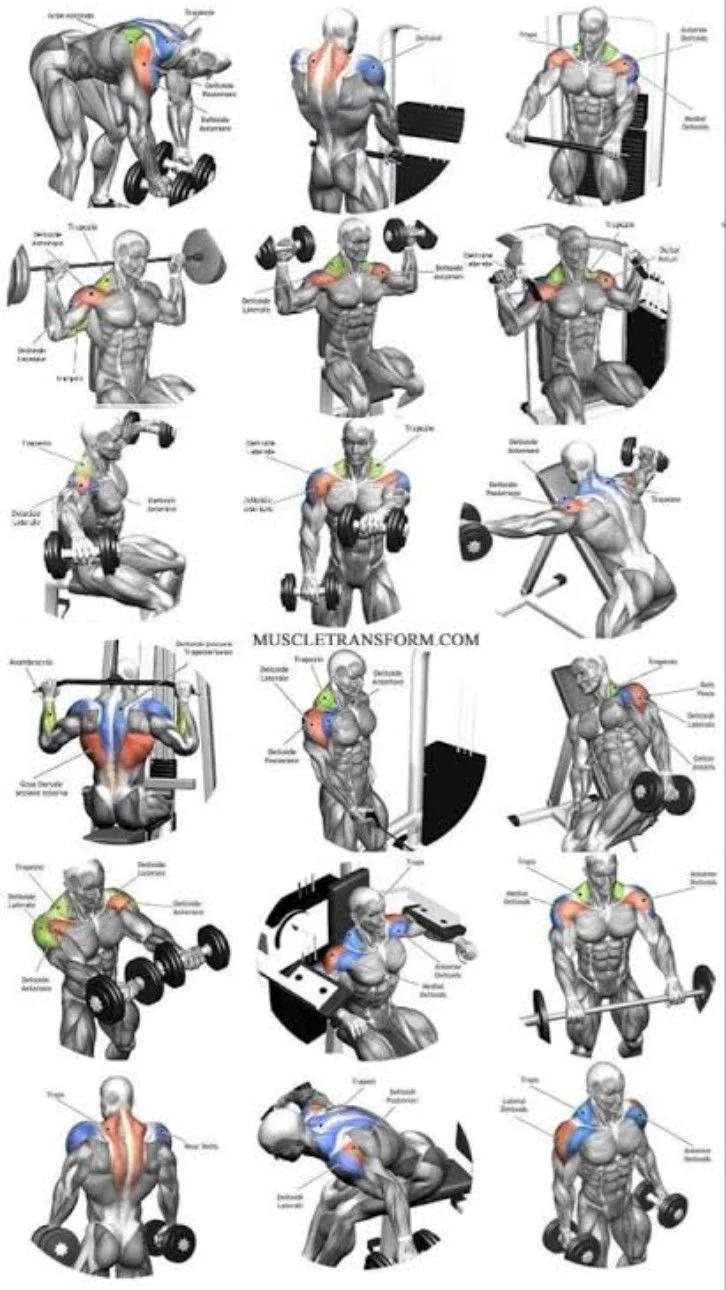
Shoulders add width, shape, and power to your upper body. Dumbbells are one of the most versatile tools for shoulder development — they allow a full range of motion, help correct imbalances, and can be used for strength, hypertrophy, and endurance work. If you pair shoulder days with arm routines, consider checking this focused plan inspired by classic splits: Arnold’s ultimate shoulder and arms workout for ideas on pairing movements and sequencing.

This guide covers anatomy, warm-up, a complete dumbbell-only shoulder workout, technique cues, progressions, common mistakes, and a short weekly plan so you can train safely and consistently.

Shoulder anatomy quick primer

  • Anterior deltoid (front): presses and forward raises.
  • Lateral deltoid (side): creates width — targeted by lateral raises.
  • Posterior deltoid (rear): shoulder horizontal abduction and posture — targeted by reverse flyes and face pulls.
  • Rotator cuff: small stabilizers (supraspinatus, infraspinatus, teres minor, subscapularis) — critical for joint health.

Balanced development means hitting all three heads while protecting the cuff.

Warm-up (5–10 minutes)

  • Arm circles (30 sec each direction)
  • Band pull-aparts or light reverse flyes: 2 sets of 12–15 reps
  • Light dumbbell presses: 2 sets of 8–12 reps with very light weight
  • Scapular push-ups or T-spine mobility work for 1–2 minutes

A proper warm-up increases blood flow and primes stabilizers — skip it at your own risk.

Dumbbell Shoulder Workout (All equipment: pair of dumbbells, bench optional)

Goal: hypertrophy and strength. Rest 60–90s between sets unless noted.

  1. Seated Dumbbell Overhead Press — 4 sets x 6–10 reps

    • Strong compound movement that targets anterior and lateral delts. Sit to reduce lower-back compensation. Keep ribs down and press in a slightly arc path.
  2. Standing Single-Arm Dumbbell Press — 3 sets x 8–10 reps each arm

    • Anti-rotation demand improves core stability and isolates side-to-side imbalances.
  3. Dumbbell Lateral Raise (leaning or standing) — 4 sets x 10–15 reps

    • Use a slight bend in the elbow. Lead with the elbow, not the hand. For strict form, use lighter weight and controlled tempo.
  4. Seated Bent-Over Reverse Fly (rear delt fly) — 3 sets x 10–15 reps

    • Hinge at hips, keep chest angled toward floor, pull elbows wide to target posterior delts.
  5. Incline Dumbbell Y-Raise — 3 sets x 10–12 reps

    • Performed on an incline bench or leaning forward, brilliant for upper traps + rear delt integration and shoulder health.
  6. Dumbbell Upright Row (wide grip, high-pull variation) — 3 sets x 8–12 reps

    • Use a wider hand path to emphasize delts and reduce impingement risk — stop at chest height.
  7. Farmer Carry or Suitcase Carry — 2–3 rounds, 30–60 seconds

    • Heavy loaded carry builds trap strength and overhead stability when performed in conjunction with presses.

Finish with light banded external rotations: 2 sets x 15 reps per side to help rotator cuff recovery.

Tip: Prioritize compound pressing early in the workout when fresh, then move to isolation raises.

Technique cues and safety

  • Neutral wrist alignment reduces strain — avoid excessive wrist extension.
  • Avoid shrugging during presses; keep traps down and initiate movement from the deltoid.
  • Control the eccentric (lowering) phase — a 2–3 second descent increases muscle tension.
  • If you have any shoulder pain (not just muscle fatigue), reduce range, lower load, or stop and assess.

Progressions and variations

  • Increase load slowly (2–5% increments) or add a set each 1–2 weeks.
  • Cluster sets (short intra-set rests) can boost strength without increasing absolute load.
  • Use tempo variations: slow eccentrics for growth, explosive concentric for power.
  • Replace seated presses with dumbbell push presses occasionally to overload.

If you want to balance your upper-body routine with core work for better postural support, consider integrating a concise ab plan like this one: 6 essential ab exercises to maintain a rock-solid midsection that supports heavy pressing.

Common mistakes to avoid

  • Using too much weight on lateral raises — swinging reduces delt activation.
  • Neglecting the rear delts — leads to postural problems and imbalances.
  • Rushing through reps — momentum reduces time under tension.
  • Overtraining frequency without adequate recovery — shoulders need care, especially rotator cuffs.

Sample 4-week progression (2 shoulder-focused sessions per week)

Week 1: Moderate weight, focus on form (sets as prescribed).
Week 2: Increase weight on main presses by 2.5–5% or add 1 set to isolation work.
Week 3: Introduce tempo variations (3s eccentrics).
Week 4: Deload week — reduce volume by ~40% to consolidate gains.

Recovery: prioritize sleep, protein intake (~0.7–1.0g/lb bodyweight depending on goals), and a light mobility session mid-week.

Conclusion

For a comprehensive library of exercises to vary your training and keep gains coming, check out this curated list of the 13 Best Dumbbell Shoulder Exercises.

Shoulder Workout on dumbbells Read More »

Scroll to Top