Riri

Healthy homemade Pumpkin Protein Balls made with natural ingredients

Pumpkin Protein Balls

Pumpkin Protein Balls: A Simple, Nourishing Snack

Pumpkin protein balls are bite-sized, nutrient-dense snacks that pair the cozy flavor of pumpkin with protein-rich ingredients for sustained energy. They’re perfect for breakfasts on the go, post-workout refueling, or a healthy dessert. If you enjoy experimenting with protein-based treats, you might also like ideas for 3-ingredient protein powder pancakes—a complementary quick option when you want something warm and filling.

Why Pumpkin Protein Balls Work

  • Pumpkin purée adds moisture, fiber, vitamins A and C, and a mild sweetness that pairs well with warming spices.
  • Protein powder and nut butter provide the staying power to keep you satisfied between meals.
  • No-bake preparation makes them fast, fridge-stable, and portable.

Ingredients (makes about 12–16 balls)

  • 1 cup canned pumpkin purée (not pumpkin pie filling)
  • 1 cup rolled oats (use gluten-free if needed)
  • 1/2–3/4 cup vanilla or unflavored protein powder
  • 1/3 cup natural nut butter (peanut, almond, or cashew)
  • 2–3 tbsp maple syrup or honey (adjust to taste)
  • 1 tsp vanilla extract
  • 1 tsp cinnamon, 1/4 tsp nutmeg, pinch of salt
  • Optional mix-ins: mini chocolate chips, chopped pecans, shredded coconut, chia seeds

Method

  1. In a bowl, combine the pumpkin purée, nut butter, maple syrup, and vanilla. Stir until smooth.
  2. Add oats, protein powder, spices, and salt. Mix until a thick dough forms. If too wet, add a tablespoon of oats or protein powder; if too dry, add a teaspoon of pumpkin or water.
  3. Fold in any optional mix-ins.
  4. Scoop tablespoon-sized portions and roll into balls with damp hands. Place on a parchment-lined tray.
  5. Chill in the fridge for at least 30 minutes to firm up. Store in an airtight container for up to 5 days or freeze for longer storage.

Variations and Flavor Ideas

  • Chocolate-Pumpkin: Use chocolate protein powder or stir in cocoa powder and a few chocolate chips.
  • Spiced Pecan: Fold in toasted pecan pieces and extra cinnamon.
  • Coconut & Seed: Roll the balls in shredded coconut and add a tablespoon of chia or flaxseed for extra fiber.
  • Lower-Sugar: Reduce or omit the sweetener and use a flavored protein powder or add a few raisins for natural sweetness.

Nutrition & Benefits

Pumpkin protein balls offer:

  • Balanced macronutrients when made with a protein powder and nut butter: carbs from oats and pumpkin, protein from powder and nut butter, healthy fats from nuts.
  • Micronutrients like vitamin A from pumpkin and minerals like magnesium from nuts.
  • Convenient portion control—each ball is typically around 80–120 calories depending on size and ingredients.

If you’re building a higher-protein meal plan, these balls pair well with other ideas from a collection of 50 high-protein, low-calorie meals to keep your day varied and on-target.

Make-Ahead, Storage & Serving Suggestions

  • Make a double batch and freeze in single layers on a tray, then transfer to a freezer bag for up to 3 months. Thaw in the fridge overnight or enjoy cold.
  • Pack a couple with a piece of fruit for a balanced snack. They’re also great crumbled over Greek yogurt or blended into a smoothie for extra texture and flavor.
  • To serve warm, microwave a ball for 10–15 seconds—soft and cozy without losing shape.

Tips for Success

  • Use protein powder that you enjoy the taste of—flavor and texture vary by brand.
  • If oats are too coarse for your liking, pulse them in a food processor for a finer texture.
  • Adjust sweetness after mixing; different protein powders alter perceived sweetness.
  • For a firmer bite, increase the oat-to-pumpkin ratio slightly.

Conclusion

If you want a ready-made variation or inspiration for no-bake versions, check out this recipe for No Bake Pumpkin Protein Balls l Jessica in the Kitchen for another take on pumpkin energy bites and helpful visual guidance.

Pumpkin Protein Balls Read More »

Person performing cable exercises for shoulder enhancement and strength training

Enhance Your Shoulders: Top 5 Cable Exercises

Enhance Your Shoulders: Top 5 Cable Exercises

Well-developed shoulders improve posture, create balanced aesthetics, and support stronger pressing movements. Cables are uniquely effective for shoulder training because they maintain continuous tension through the range of motion, allow for smooth unilateral work, and enable precise angle variations to target all three deltoid heads. Before you start, pair this work with solid core stability — for example, include focused core sessions like the ones in this guide: Work Your Abs to Exhaustion: 5 Abs Exercises.

Below are five cable exercises that together will build size, strength, and shape across the anterior, medial, and posterior deltoids. For each exercise I’ll include setup, execution, coaching cues, rep ranges, and common mistakes.

1. Single-Arm Cable Overhead Press

  • Setup: Attach a single handle to the low pulley. Stand facing away from the machine with the handle at shoulder height. Grip the handle and step forward slightly for tension.
  • Execution: Press the handle overhead until your elbow is fully extended, keeping your wrist neutral. Lower under control to shoulder height.
  • Cues: Keep the torso braced, ribs down, and avoid excessive lumbar extension. Drive with the shoulder, not the traps.
  • Reps/Sets: 3–4 sets of 6–10 reps per arm for strength; 8–12 for hypertrophy.
  • Common mistakes: Letting the elbow flare forward or using hip drive to cheat the movement.

Why do single-arm presses? They reveal and correct unilateral imbalances and force your core to stabilize against rotation.

2. Cable Lateral Raise (High-Pulley)

  • Setup: Set the pulley to the lowest position, stand side-on, and hold the handle in the hand farthest from the machine.
  • Execution: With a slight bend in the elbow, raise your arm out to the side to about shoulder height, leading with the elbow. Pause briefly at the top.
  • Cues: Keep the movement smooth and controlled; avoid swinging. Think of lifting with the middle deltoid, not the traps.
  • Reps/Sets: 3–4 sets of 10–15 reps.
  • Common mistakes: Shrugging the shoulder, using momentum, or raising above shoulder level.

Cable lateral raises offer constant tension and allow slight angle changes (lean forward 10–15° to emphasize the posterior deltoid).

3. Cable Face Pull

  • Setup: Use a rope attachment on a high pulley. Stand facing the machine, grab the rope with a neutral (palms facing) grip.
  • Execution: Pull the rope toward your upper chest/face, flaring the elbows out and squeezing the rear delts and upper back. Control the return.
  • Cues: Pinch shoulder blades together; think “pull the elbows back.” Keep the neck long and chest up.
  • Reps/Sets: 3–4 sets of 12–15 reps.
  • Common mistakes: Letting the wrists collapse, using too much weight, or letting the shoulders round forward.

Face pulls are essential for rear-delt development and shoulder health, improving posture and counteracting bench-dominant training.

4. Cable Front Raise (Single or Double)

  • Setup: Attach a straight bar or single handles to low pulleys. Stand in the center for double-arm work or side-on for single-arm.
  • Execution: With a slight bend in the elbow, lift the handle(s) straight in front of you to around shoulder height, then lower slowly.
  • Cues: Avoid swinging or using hip drive. Keep scapula stable and ribs down.
  • Reps/Sets: 3 sets of 10–12 reps.
  • Common mistakes: Using momentum, locking the elbows, or over-rotating the shoulder.

Front raises emphasize the anterior deltoid and can be used as a finisher after pressing work.

5. Bent-Over Cable Reverse Fly (Rear Delt Row Variation)

  • Setup: Set two pulleys to the lowest position. Cross them so your right hand holds the left handle and vice versa. Hinge at the hips until torso is near-parallel to the floor.
  • Execution: With a slight elbow bend, pull the handles out and back in a wide arc, targeting the rear delts. Squeeze at peak contraction.
  • Cues: Lead with the elbows, keep the neck neutral, and avoid collapsing the chest.
  • Reps/Sets: 3–4 sets of 10–15 reps.
  • Common mistakes: Relying on momentum or turning it into a lat-dominant row.

This movement isolates the posterior deltoid while preserving continuous tension from the cables.

Programming Tips

  • Order: Start with compound pressing (single-arm overhead press) then move to lateral and posterior-focused isolation movements.
  • Volume: For hypertrophy, aim for 10–20 sets per week for shoulders split across sessions.
  • Tempo: Use a 1–2 second concentric and 2–3 second eccentric tempo to increase time under tension.
  • Progressive Overload: Increase weight, reps, or add a pause/slow eccentric every 2–4 weeks.
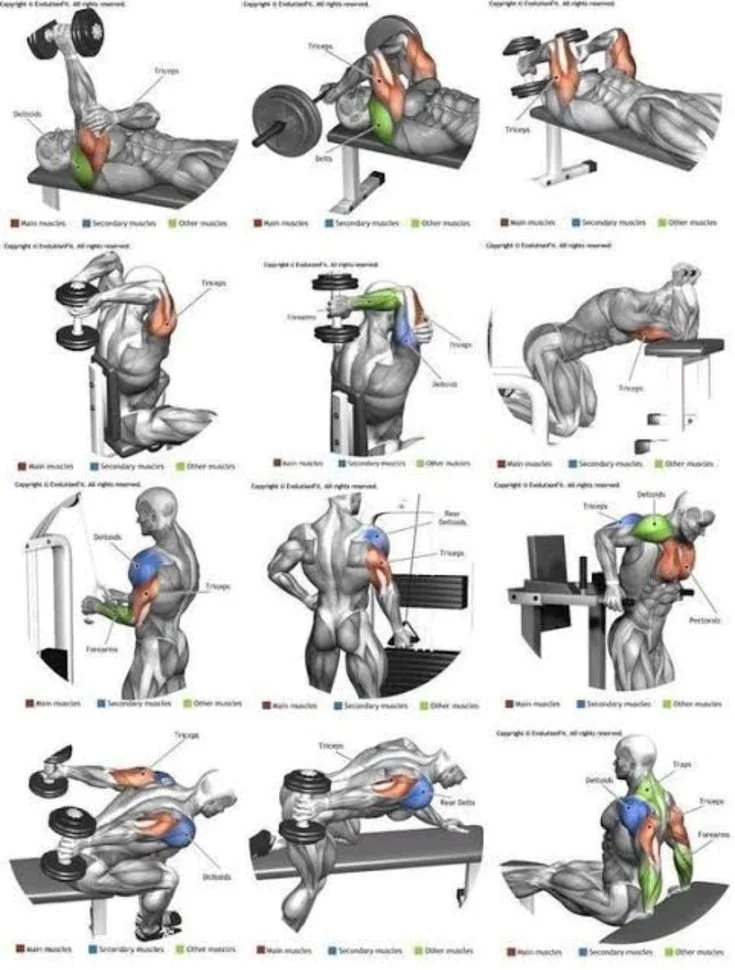
  • Pairing: Combine shoulder days with pressing and arm work; balance heavy pressing with targeted triceps training like these recommended movements: 5 Best Exercises to Build Triceps.

Recovery is key—prioritize sleep and nutrition, and avoid training shoulders heavy on back-to-back days.

Common Faults and Fixes

  • Pain or impingement: Reduce range, lower the weight, and emphasize controlled motion. Replace with machine or band variations if needed.
  • Dominant traps: Reduce load, cue scapular depression, and focus on elbow-led movement.
  • Imbalanced development: Use unilateral cable exercises to identify and correct side-to-side strength differences.

Variations to Keep Progressing

  • Change pulleys: Small adjustments in pulley height shift emphasis between deltoid heads.
  • Tempo sets: Slow eccentrics or pause reps increase time under tension.
  • Pre-exhaust: Start with isolation (e.g., lateral raises) before presses to recruit delts more directly.

Conclusion

For a complete reference and more exercise variations to build both size and strength in your deltoids, see this roundup: 6 Best Cable Shoulder Exercises for Size and Strength.

Enhance Your Shoulders: Top 5 Cable Exercises Read More »

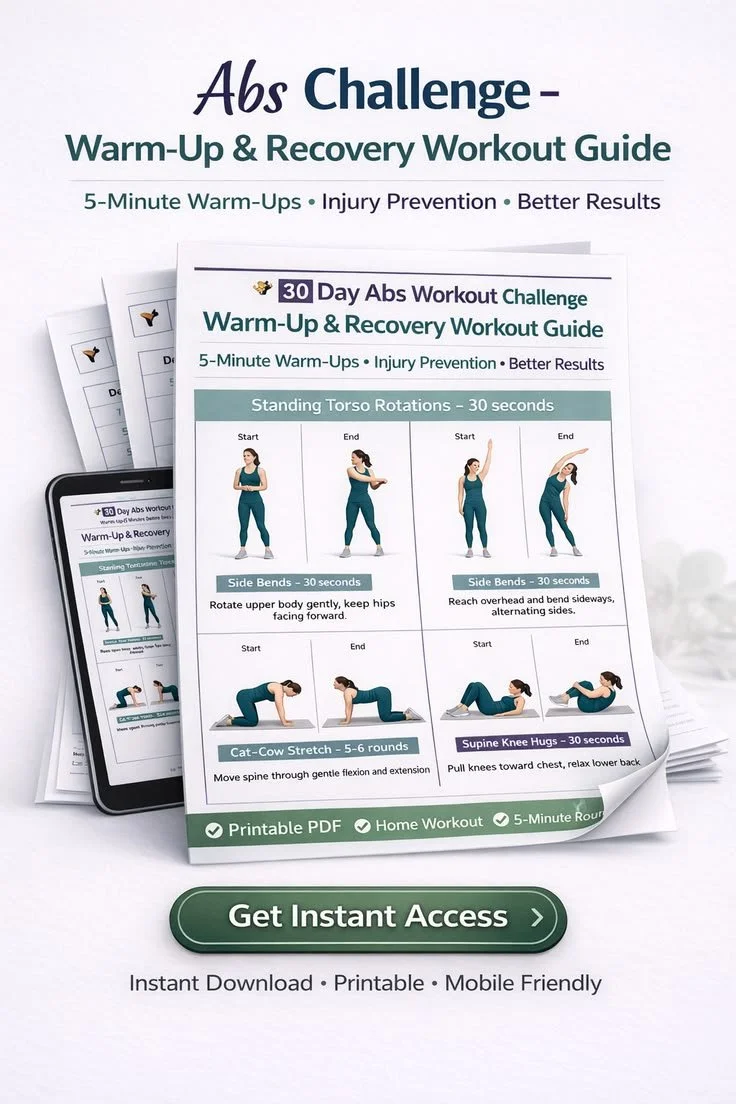
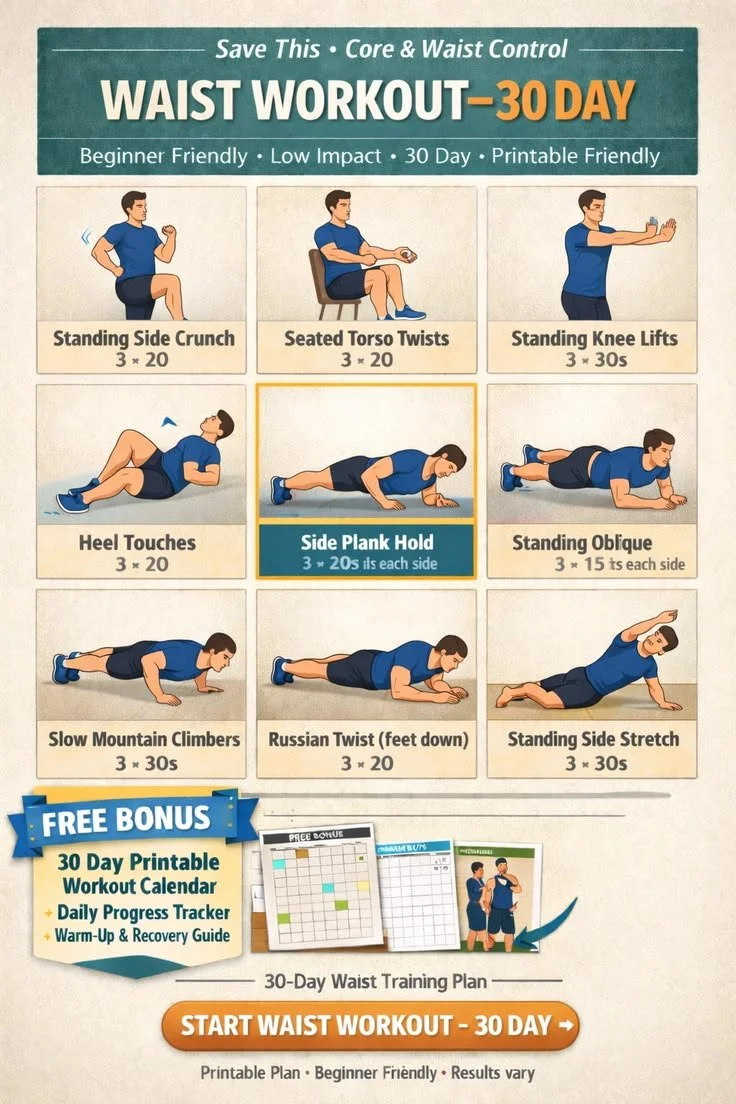
30 Day Ab Challenge workout for fabulous abs in a month

30 Day Ab Challenge – Get Fabulous Abs in 30 Days

30 Day Ab Challenge — Get Fabulous Abs in 30 Days

Introduction
Begin with a realistic promise: 30 days is enough to build tighter, more defined abs if you combine consistent training, smart nutrition, and recovery. This challenge is designed for all fitness levels by progressing intensity rather than demanding extreme workouts from day one. If you’re curious about specific moves that target lower abs and obliques, check out this leg raise & oblique crunch progression to learn proper form and progressions.

Why 30 Days Works

  • Focused consistency builds habit. Doing shorter, targeted workouts daily or almost-daily is more effective than sporadic long sessions.
  • Progressive overload applies to abs too: increase reps, difficulty, or add holds and slow negatives over weeks.
  • Diet determines visible results: reducing body fat while maintaining muscle will reveal abdominal definition.

Core Principles Before You Start

  • Quality over quantity: do controlled reps with full range of motion.
  • Frequency: 4–6 short sessions per week works well; include at least 1–2 rest or active-recovery days.
  • Nutrition: prioritize a calorie range that supports fat loss (if needed), high protein, whole foods, and plenty of water.
  • Sleep & recovery: aim for 7–8 hours nightly and include mobility to avoid overuse.

Daily Structure (15–25 minutes)
Each day, follow a simple structure:

  1. Warm-up (3–5 min): light cardio + dynamic stretches for hips and spine.
  2. Main set (10–15 min): core circuit of 3–5 exercises, 3 rounds with minimal rest.
  3. Finisher (2–5 min): an isometric hold (plank, hollow hold) to burn out the core.
  4. Cool-down: gentle stretching for the lower back and hips.

Key Exercises and Modifications

  • Plank variations: high plank, forearm plank, side plank. Increase time or add leg lifts for harder progressions.
  • Leg raises: start with bent-knee raises, progress to straight-leg lowering. For advanced work, include negatives and slow tempo. For technique and variations, see this dragon flag & laying hip raise tutorial.
  • Crunch progressions: regular crunch → bicycle crunch → weighted crunches.
  • Anti-extension/anti-rotation: ab wheel, stir-the-pot, Pallof press (or a suitcase carry if no equipment).
  • Dynamic moves: mountain climbers, flutter kicks, and Russian twists to add cardio and oblique engagement.

Sample 30-Day Plan (Weeks)
Week 1 — Foundation: focus on form, 3–4 sets per exercise, low-to-moderate reps.
Week 2 — Volume: increase reps/rounds and shorten rest intervals.
Week 3 — Intensity: add harder progressions (straight leg lowers, weighted planks).
Week 4 — Peak & test: max holds and one challenge day where you test longest plank and a rep max for a chosen core move.

Example Daily Circuit (beginner → advanced)

  • Beginner: Plank 30s, Bent-leg raises 10, Bicycle crunch 15/side — repeat 3x.
  • Intermediate: Forearm plank 45s, Straight-leg lowers 12, Russian twists 20 — repeat 3x.
  • Advanced: RKC plank 60s, Dragon-flag negatives 6, Weighted sit-ups 20 — repeat 3x.

Nutrition & Fat Loss Tips

  • Create a small calorie deficit (200–500 kcal/day) for steady fat loss without sacrificing energy.
  • Prioritize protein (0.7–1.0 g per lb bodyweight) to preserve muscle.
  • Reduce refined carbs and added sugars; focus on vegetables, lean proteins, whole grains, and healthy fats.
  • Stay hydrated — dehydration makes training harder and can mask results.

Recovery & Injury Prevention

  • Don’t ignore lower back pain — regress movements and strengthen posterior chain (glutes, hamstrings).
  • Rotate exercise selection to avoid repetitive strain.
  • Use mobility work for hips and thoracic spine to improve core engagement.

Tracking Progress

  • Use photos, waist measurements, and performance metrics (plank time, reps) rather than daily weight.
  • Celebrate consistency milestones (week 2, week 3) and adjust the plan if you plateau.

Troubleshooting Common Problems

  • No visible changes: check calorie intake and body-fat reduction, increase intensity or manage stress and sleep.
  • Soreness: active recovery, light mobility, and foam rolling; scale back if severe.
  • Boredom: mix in different exercises, add tempo changes, or use supersets to keep sessions engaging.

Conclusion

Ready to complement this 30-day plan with an app that guides you through daily routines and tracks progress? Try the Six Pack in 30 Days app for structured workouts and pacing to help you stay on track.

30 Day Ab Challenge – Get Fabulous Abs in 30 Days Read More »

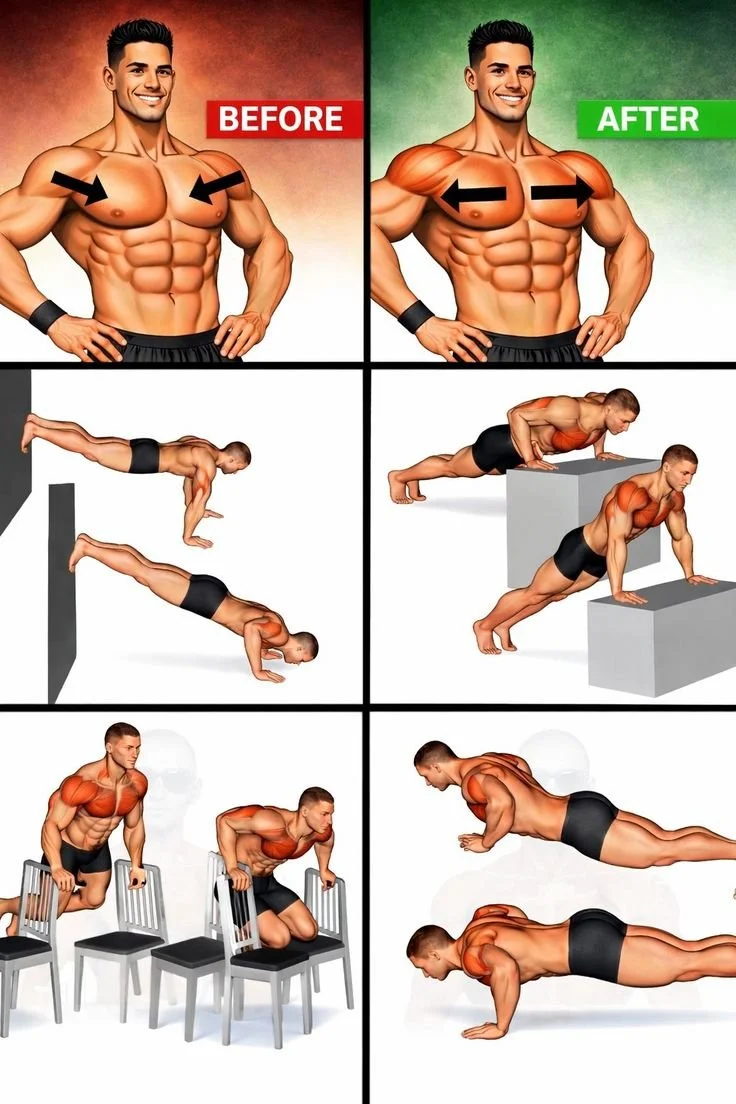
Video showcasing abs workout exercises to tone and sculpt your core.

PhrzeApparel on Instagram: “ABS KILLER EXERCISES TO BURN YOUR CORE! 🔥 Try these to tone & sculpt your abs: • Work on upper abs for a chiseled six-pack 💪 • C… [Video] [Video] | Workout videos, Abs workout, Bodyweight back workout

ABS KILLER: Burn Your Core and Sculpt a Lean Midsection

Want a core routine that torches fat, builds strength, and gives you a chiseled look? These targeted moves focus on upper and lower abs, obliques, and deep core stabilizers so you get both the aesthetic and functional benefits. If you’re ready to push yourself, consider routines that let you work your abs to exhaustion—performed with strict form, they deliver fast results.

Why these exercises work

A truly effective ab program combines:

  • Anti-flexion and anti-extension moves (to resist bending and arching)
  • Rotation and anti-rotation (for obliques and stability)
  • High-rep muscle fatigue plus progressive overload (for hypertrophy and definition)

Targeting different muscle fibers and movement patterns forces adaptation. This article gives you compound core movements and isolated drills so you sculpt the “six-pack” while improving posture and athleticism.

The 6 killer ab moves (and how to do them)

  1. Hollow body hold — Lie on your back, lift shoulders and legs a few inches, keep low back flat. Hold for 20–60s. Great for deep transverse abdominis engagement.
  2. Hanging leg raise — Hang from a bar, keep legs straight or slightly bent, lift to 90° or higher. Focus on slow descent. Excellent for lower abs.
  3. Bicycle crunch — Slow, controlled reps with full range, touching elbow to opposite knee. Targets upper abs and obliques.
  4. Russian twists (weighted) — Sit, lean back, rotate torso with a kettlebell or plate. Keep movement from the core, not the arms.
  5. Ab wheel rollout (or TRX rollout) — From knees or standing (advanced), roll out and return with a braced core. Fantastic for anti-extension strength.
  6. Plank-to-pike (on sliders or a stability ball) — Start in plank, drive hips up into pike, then back to plank. Dynamic core control and hip flexor involvement.

Perform each exercise with intent: slow eccentric lowering, brief isometric holds at peak contraction, and controlled breathing.

Sample workout (strength + burn)

  • Hollow body hold — 3 x 30–45s
  • Hanging leg raises — 3 x 8–12 reps
  • Ab wheel rollout — 3 x 6–10 reps
  • Russian twists — 3 x 20 total (10 each side)
  • Plank-to-pike — 3 x 10–12 reps
    Adjust reps to your level; cycle through as a superset circuit for conditioning. If you want a condensed, highly effective plan, check out routines like the best ab workouts for men that focus on the core essentials and progression.

Progressions and modifications

  • Beginner: Reduce range (tuck leg raises instead of full hanging), perform knee rollouts, and shorten holds.
  • Intermediate: Add tempo (3s eccentric), increase hold times, add light weights for Russian twists.
  • Advanced: Slow negatives, single-leg variations, weighted hollow holds, and bar muscle-up negatives to increase intensity.

Consistency matters more than intensity spikes—progress stepwise and track improvements.

Form, breathing, and common mistakes

  • Keep the pelvis neutral; avoid overarching the lower back.
  • Breathe out on the hard part of the rep (concentric) and inhale on return.
  • Don’t cheat with momentum—if hips swing or shoulders drive the movement, reduce range or resistance.
  • Prioritize scapular stability and shoulder strength for hanging and rollout progressions.

Nutrition and recovery

Visible abs are made in the kitchen as much as the gym. Maintain a lean body-fat level with a slight calorie deficit if your goal is revealment, prioritize protein (1.6–2.2 g/kg), and sleep 7–9 hours for recovery. Allow 48 hours between intense core sessions or split core work into shorter daily sessions emphasizing different planes.

Conclusion
A smart mix of holds, controlled lifts, rotation, and anti-extension work will sculpt your abs while improving core function. Stick with progressive overload, clean technique, and consistent nutrition—and you’ll see steady, sustainable results.

PhrzeApparel on Instagram: “ABS KILLER EXERCISES TO BURN YOUR CORE! 🔥 Try these to tone & sculpt your abs: • Work on upper abs for a chiseled six-pack 💪 • C… [Video] [Video] | Workout videos, Abs workout, Bodyweight back workout Read More »

28 CLUB UK apparel collection for your adventures.

Apparel to fuel your odyssey. | 28 CLUB UK

Apparel to fuel your odyssey — a closer look at 28 CLUB UK

Introduction
Apparel can be more than fabric; it’s the engine that propels your daily odyssey, whether that’s a commute, a gym session, or an all-day creative streak. 28 CLUB UK captures that ethos with pieces designed for motion, mood, and moments. If you’re pairing performance wear with a focused training plan, resources like mastering strength training can help you get the most from what you wear and how you move.

Performance and design: form follows function
What sets odyssey-driven apparel apart is how design decisions map to real use. Look for:

  • Articulated seams and stretch zones that follow joint movement.
  • Breathable meshes and moisture-wicking finishes in high-heat areas.
  • Minimal bulk with strategic layering options so pieces work across climates.

28 CLUB UK’s approach leans into subtle branding and refined silhouettes that don’t sacrifice utility for looks — a balance that lets you transition from training to town without changing outfits.

Materials and sustainability
High-performance garments are only as responsible as the materials they use. Recycled polyesters, responsibly sourced cotton blends, and PFC-free DWR finishes reduce environmental impact while keeping functionality high. If you’re also refining habits around training and wellbeing, guides like unlocking your fitness potential align nicely with choosing gear that supports a longer-term, healthier routine.

Styling tips: build a capsule for movement
Create a capsule that supports spontaneity:

  • Start with a neutral base (black, navy, or charcoal) and add one accent color.
  • Invest in a versatile mid-layer that works both as insulation and as a style piece.
  • Choose footwear that matches your primary activity but can double as street-ready.

Care and longevity: extend the life of your odyssey kit
To get the most from performance pieces:

  • Wash less frequently and on gentle cycles.
  • Use mild detergents and avoid fabric softeners that clog technical fabrics.
  • Repair small issues (replace a zipper pull, re-stitch a seam) before they force a full replacement.

Beyond the garment: community and confidence
Apparel fuels more than physical movement — it fuels confidence. Brands like 28 CLUB UK design with a communal mindset, creating apparel that fits into the routines and rituals of people on the move. That sense of belonging can be as motivating as any performance feature.

Conclusion

Every odyssey benefits from a soundtrack and a vibe — the right gear supports your body, and the right music fuels the journey. For a dose of high-energy inspiration to match your apparel-fueled pursuits, check out Metallica.

Apparel to fuel your odyssey. | 28 CLUB UK Read More »

A variety of fat-burning foods including fruits, vegetables, and lean proteins.

9 Fat-Burning Foods That’ll Help You Reach Your Goals Faster

9 Fat-Burning Foods That’ll Help You Reach Your Goals Faster

Losing weight and leaning out efficiently isn’t just about eating less — it’s about eating smarter. Certain foods can help boost metabolism, increase satiety, preserve muscle, and improve hormonal signals that support fat loss. Combine smart food choices with consistent training and mindset work (for example, learn more about the importance of the mind-body connection) to accelerate results.

Below are nine evidence-backed foods that can help torch fat when used as part of an overall calorie-controlled, nutrient-dense plan. For each, you’ll get why it helps and practical ways to include it in meals.

1. Lean Protein (chicken, turkey, lean beef, tofu, fish)

Why: Protein has a high thermic effect (your body burns more calories digesting it), helps preserve lean muscle during weight loss, and increases fullness.
How to use: Aim for a protein source at each meal — grilled chicken salad, a turkey-stuffed sweet potato, or tofu stir-fry. If you strength train, pairing protein with resistance work improves body composition; a useful resource on building strength is mastering strength training.

2. Eggs

Why: Nutrient-dense and high in high-quality protein and healthy fats; eggs increase satiety and can reduce total daily calories when eaten for breakfast.
How to use: Whole-egg omelets with vegetables, hard-boiled eggs as snacks, or poached eggs atop roasted veggies.

3. Green Tea (especially Matcha)

Why: Contains caffeine and catechins like EGCG that can modestly increase metabolic rate and fat oxidation.
How to use: Drink unsweetened green tea between meals or use matcha in smoothies or yogurt bowls.

4. Chili Peppers (capsaicin-containing foods)

Why: Capsaicin can slightly boost calorie burn and reduce appetite for some people.
How to use: Add chopped chilies, hot sauce, or cayenne to soups, sauces, and marinades. Start mild if you’re sensitive.

5. Greek Yogurt (plain, low-fat or full-fat depending on calorie budget)

Why: High in protein, which aids muscle retention and satiety; probiotics may support gut health, which can influence weight regulation.
How to use: Use as a breakfast base with berries and nuts or as a creamy sauce substitute for sour cream.

6. Oats and Steel-Cut Oats

Why: High in soluble fiber, which slows digestion, stabilizes blood sugar, and increases fullness.
How to use: Overnight oats with protein powder, warm oatmeal topped with cinnamon and nuts, or use oat flour in baking.

7. Berries (blueberries, strawberries, raspberries)

Why: Low-calorie, fiber-rich, and nutrient-dense — they satisfy sweet cravings while adding bulk to meals.
How to use: Add to yogurt, salads, or blended into smoothies for natural sweetness and extra fiber.

8. Nuts and Seeds (almonds, walnuts, chia, flax)

Why: Provide healthy fats and protein; moderate amounts increase satiety and may help control snacking.
How to use: Use a small handful as a snack, sprinkle chia or flax into smoothies, or add chopped nuts to salads and oatmeal.

9. Non-starchy Vegetables (leafy greens, broccoli, peppers, zucchini)

Why: Very low in calories but high in volume and fiber, helping you feel full while keeping calorie intake low.
How to use: Fill half your plate with veggies at meals, spiralize zucchini as a pasta substitute, or roast a large tray of mixed vegetables for the week.

Practical Tips for Getting the Most from These Foods

  • Prioritize protein and vegetables at every meal to maximize satiety.
  • Use spices, herbs, and low-calorie condiments to make healthy foods more enjoyable — adherence is the most important factor.
  • Combine these foods with consistent resistance training and progressive overload to preserve muscle and increase metabolic rate.
  • Control portion sizes of calorie-dense items like nuts, and focus on whole, minimally processed forms of these foods where possible.
  • Keep a simple plan: rotate a few favorite meals and prep for the week to avoid decision fatigue.

Conclusion

Fat-loss-friendly foods can make dieting easier and more sustainable, but lasting results also require attention to behaviors around eating. If emotions or stress lead to overeating, it helps to address those patterns directly. For strategies on managing emotional eating as part of a weight-management plan, see the Weight loss: Gain control of emotional eating – Mayo Clinic.

9 Fat-Burning Foods That’ll Help You Reach Your Goals Faster Read More »

Weight loss tips for obese women that gave real results.

Weight loss tips for obese women that actually worked. I tried them.

Weight loss tips for obese women that actually worked — I tried them

I spent years trying every quick fix and fad, then slowly learned what really moved the needle for me. This article shares practical, evidence-minded changes that helped me lose weight sustainably as an obese woman — with real-life caveats, small steps, and what I’d do differently. Early on I focused on rebuilding confidence and functional strength (you can read more about approaches to building strength in women here), which made all the daily tasks easier and motivated me to keep going.

Below are the tactics that worked for me, why they worked, and how to adapt them to your life.

1) Start with tiny, specific goals

Big goals feel inspiring but are easy to abandon. Instead:

  • Choose one micro-goal for 2–4 weeks (e.g., walk 10 minutes after dinner 5 days a week).
  • Track it in a simple habit tracker or calendar.
    Why it worked for me: small wins built momentum and lowered decision fatigue. After a month I naturally increased duration.

2) Prioritize movement you enjoy (not punishment)

Movement doesn’t have to be high-intensity or humiliating. I tried classes that weren’t for me and quit; then I found:

  • Low-impact cardio (brisk walking, pool laps, cycling)
  • Beginner strength routines focusing on compound movements
  • Dance or chair-based workouts for bad-joint days
    Doing activities I looked forward to made consistency possible. Even 150 minutes of moderate activity per week delivered benefits when sustained.

3) Use strength training to protect and build muscle

Strength training changed my body composition and made daily life easier. My approach:

  • 2–3 full-body sessions per week, 20–40 minutes each
  • Focus on squats, deadlifts (or hip-hinge variations), rows, push movements, and core work
  • Progressive overload: gradually increase reps, sets, or difficulty
    Benefits: better posture, increased resting energy expenditure, less joint pain. If you’re unsure where to start, a certified trainer for a few sessions can teach safe form.

4) Tame the food environment — not willpower alone

Willpower is finite; environment is powerful. Practical swaps that helped:

  • Remove trigger foods from immediate reach; keep healthy snacks visible
  • Prep simple meals and portions on Sundays (roasted veggies, protein, grains)
  • Use smaller plates and plan meals so hunger doesn’t drive impulsive choices
    I also learned to let myself have small portions of favorite foods to avoid feeling deprived.

5) Focus on protein and fiber for satiety

Higher-protein meals and fiber-rich foods kept me full longer:

  • Aim for a protein source at each meal (eggs, lean meat, legumes, tofu, Greek yogurt)
  • Prioritize vegetables, whole fruits, legumes, and whole grains for fiber
    This combo helped reduce late-night snacking and stabilized energy.

6) Learn to track in a way that fits your life

Tracking can be paper, an app, or a photo log. I used a simple habit log and occasional calorie checks:

  • Track for short windows (2–4 weeks) to learn patterns, then relax tracking once habits improve
  • Use photos of meals when you don’t want calorie counting but want awareness
    Tracking taught me where calories snuck in (drinks, sauces, snacks) without turning food into an enemy.

7) Sleep, stress, and recovery are non-negotiable

Poor sleep and chronic stress sabotage appetite hormones and motivation:

  • Prioritize 7–9 hours when possible
  • Build a wind-down routine: limit screens, dim lights, and consistent bedtimes
  • Add daily small stress-relief moments (breathing, short walks, journaling)
    When sleep improved, cravings decreased and workouts felt easier.

8) Use flexible structure, not rigid rules

Rigid diets often backfire. I adopted a flexible plan:

  • Create a daily structure (protein at meals, vegetables, planned treat)
  • Allow for social events and one-off indulgences without guilt
    This helped me stick with changes long-term because life didn’t feel on hold.

9) Try evidence-based variations cautiously and get informed

People will recommend diets like low-carb, keto, intermittent fasting, or plant-based approaches. I experimented carefully and learned:

  • Some approaches worked short-term but weren’t sustainable for me
  • Medical conditions, medications, and personal preferences matter
    For practical guidance on fueling strategies and timing, I used resources that explained the science and real-world tips for steady energy and recovery here.

10) Build a support system and celebrate non-scale victories

Weight is one measure, but improvements in stamina, mood, clothing fit, and daily function are huge wins:

  • Share goals with a friend or group for accountability
  • Track improvements like walking distance, sleep quality, or how clothes fit
    Celebrating these wins prevented discouragement when the scale stalled.

11) Be patient and iterate

Expect plateaus and imperfect weeks. Each setback provided data:

  • Reassess: Did I need more movement, sleep, or a meal tweak?
  • Adjust one variable at a time (e.g., increase protein, change workout intensity)
    This experimental mindset reduced shame and encouraged learning.

Practical week-one plan to try

  • Day 1–7: Walk 10–20 minutes after dinner 5 days; add one 20-minute strength session.
  • Prep 3 lunches with a protein + veggie + whole grain template.
  • Track steps and a simple food/photo log for awareness.
  • Prioritize bedtime; aim for same sleep time each night.

What I wish I knew earlier

  • Small consistency beats big, unsustainable efforts.
  • Muscle matters — don’t fear strength training.
  • Mental health support and realistic medical advice speed progress.
  • There’s no single “perfect” diet; find a pattern you can live with.

Conclusion

If you’re curious about specific diets like ketogenic approaches, it’s helpful to read balanced, expert-reviewed resources before deciding. For a clear overview on whether keto might be right for you and the potential benefits and risks, see this Harvard Health article: Should you try the keto diet?

If you want, tell me your current routine and I’ll suggest a personalized, realistic 4-week plan.

Weight loss tips for obese women that actually worked. I tried them. Read More »

Personal weight-loss journey of losing 170 pounds and ongoing transformation

How I Learned My Weight-Loss Journey Wasn’t Over Even After Losing 170 Pounds

How I Learned My Weight-Loss Journey Wasn’t Over — Even After Losing 170 Pounds

I thought the hard part would end when the scale stopped showing the number I’d chased for years. Losing 170 pounds was, without question, one of the biggest accomplishments of my life — and also the start of a whole new chapter I hadn’t expected. In the weeks and months that followed, I learned that weight loss is a process that keeps evolving: your body changes, your mind rewires, and the systems that got you to goal may not be the ones that keep you healthy for life.

From the beginning, I challenged the ideas I’d been told about diets and quick fixes. That skepticism led me to rethink what “healthy” really means, not as a single destination but as an ongoing set of choices and check-ins, from nutrition to sleep and stress management. If you’re curious about common diet misunderstandings, I found it useful to revisit some myths in nutritional myths early in my maintenance phase.

The surprise after the scale

Reaching my target weight did not erase the day-to-day challenges. Two unexpected things stood out:

  • Physical aftermath: loose skin, changes in posture, and new aches were reminders that rapid or large weight changes have lasting physical effects. I needed to add targeted strength work and mobility routines to rebuild stability and comfort.
  • Mental adjustment: the identity I built around losing weight had to shift. For years my schedule, food choices, and social plans were structured around loss. Once I stopped losing, I felt a kind of aimless vulnerability — the same discipline now needed to be repurposed toward maintenance and life beyond the scale.

Body composition and strength matter more than the number

I learned to measure success differently. Instead of obsessing over weight fluctuations, I tracked energy, sleep quality, strength gains, and how my clothes felt. Weight can bounce due to hydration, hormones, and food choices, but improvements in performance and day-to-day energy are more meaningful long-term indicators.

  • Focus on building muscle to support metabolism and joint health.
  • Embrace functional movement: squats, deadlifts, and pushing/pulling patterns helped me feel stronger and less fragile.
  • Work with professionals when needed: a trainer, physical therapist, or coach can help transition you safely from weight-loss programming to maintenance and strength goals.

Relearning how to eat without restriction

During active weight loss, I followed a structured plan. Post-weight-loss, the challenge was to eat without reverting to extremes — neither undereating nor falling into old patterns.

  • Permit small treats: complete prohibition breeds cravings. A sustainable approach includes enjoyable foods in moderation.
  • Reassess portions and satiety cues rather than following rigid rules.
  • If you want practical, satisfying options that support long-term habits, consider rebuilding your snack repertoire with smart choices like the ideas in this list of healthy snacks.

Emotional work: grief, celebration, and identity

Losing a large amount of weight is emotionally complex. There is joy and pride, but often grief for the person you were and the ways of living you leave behind. Social reactions can be baffling — strangers treating you differently, or loved ones experiencing their own discomfort with your change.

  • Allow space for contradictory feelings. Celebrate wins, but let yourself mourn aspects of the past.
  • Build a community that supports your current values — whether that’s a fitness class, a therapy group, or online forums focused on maintenance and self-care.
  • Practice self-compassion; mindset work is as important as any workout plan.

Strategies that kept me steady

What ultimately helped me maintain progress after such a huge loss were simple, repeatable systems:

  • Routine check-ins: weekly non-scale measures (sleep, moods, clothing fit) and monthly photos to monitor changes without obsessing.
  • Flexible structure: planned meals most days, with “free” meals that don’t derail progress.
  • Strength-first fitness: three to four resistance sessions per week to preserve muscle and raise baseline energy.
  • Recovery focus: prioritizing sleep, stress reduction, and mobility work to keep the body resilient.
  • Medical follow-up: ongoing conversations with doctors about hormones, nutrient status, and any medications that can affect weight and energy.

When setbacks happen

I hit plateaus and had moments of regression. The difference between those who sustain and those who revert is what happens after a stumble:

  • Treat setbacks as data, not failure.
  • Reassess habits and environment: what triggers led to backsliding? Can you modify them?
  • Re-engage supportive resources — a coach, therapist, or accountability partner.

What I wish someone had told me

  • Weight loss is not the finish line; it’s a major waypoint.
  • Your body and life after a big change require their own plans.
  • Celebrate the accomplishment, but be curious about what maintenance looks like for you personally.

Conclusion

If you want a personal perspective that echoes the complexity of finishing — yet not finishing — a massive weight-loss effort, the article How I Learned My Weight-Loss Journey Wasn’t Over Even After … captures many of the same lessons I lived through and can be a useful companion as you plan your next chapter.

How I Learned My Weight-Loss Journey Wasn’t Over Even After Losing 170 Pounds Read More »

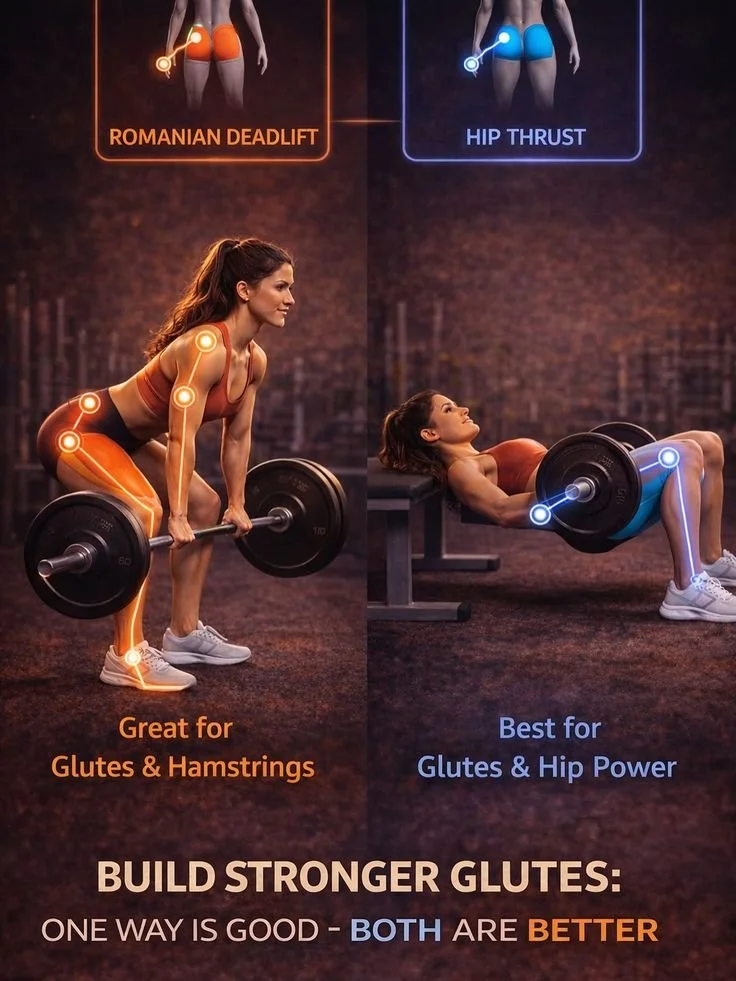
Woman performing exercises in a fitness routine for treinos corpo feminino.

Guia de Treinos para o Corpo Feminino dos Sonhos

Training Guide for the Dream Female Body

(Guia de Treinos para o Corpo Feminino dos Sonhos)

Introduction
A realistic, sustainable plan is the fastest path to the silhouette and strength many women seek. This guide condenses effective training principles, a practical workout structure, nutrition basics, and recovery strategies so you can build muscle, burn fat, and feel confident. For posture and upper-body tension advice that complements training, try these neck and shoulder relief exercises to stay mobile and pain-free.

Training principles: what matters most

  • Consistency over perfection: three to five quality sessions per week beats sporadic marathon workouts.
  • Progressive overload: gradually increase weight, reps, or volume to stimulate adaptation.
  • Compound movements first: squats, deadlifts, lunges, presses and rows recruit multiple muscles and deliver the most bang for your time.
  • Prioritize technique: good form reduces injury risk and improves long-term results.
  • Balanced programming: include strength, hypertrophy, cardio, and mobility.

Sample 4-week training split (beginner to intermediate)
Aim for 4 sessions per week. Each workout begins with a 5–10 minute dynamic warm-up and ends with 5–10 minutes of mobility or stretching.

Week structure example:

  • Day 1 — Lower body strength (focus: glutes & quads)

    • Barbell or goblet squats: 4 sets x 6–8 reps
    • Romanian deadlifts: 3 x 8–10
    • Bulgarian split squats: 3 x 10 each leg
    • Glute bridges: 3 x 12–15
  • Day 2 — Upper body push/pull

    • Incline dumbbell press: 4 x 8–10
    • Bent-over rows or dumbbell rows: 4 x 8–10
    • Overhead press or lateral raises superset: 3 x 10–12
    • Assisted pull-up or lat pulldown: 3 x 8–12
  • Day 3 — Active recovery or low-intensity cardio + mobility

    • 20–30 minutes brisk walking or cycling; foam rolling and targeted mobility work
  • Day 4 — Lower body hypertrophy (focus: hamstrings & glutes)

    • Deadlift variation (sumo or trap bar): 4 x 6–8
    • Walking lunges: 3 x 12 each leg
    • Hamstring curls or Nordic curls: 3 x 10–12
    • Cable kickbacks or banded hip thrusts: 3 x 15
  • Day 5 — Full-body conditioning (HIIT or circuits)

    • 20–25 minute EMOM or circuit combining kettlebell swings, jump squats, push-ups, and rows

Progression tips

  • Increase load by ~2.5–5% when you can hit the top rep range with solid form.
  • Alternatively, add a set or reduce rest times to raise intensity.
  • Track workouts—small, consistent changes add up.

Nutrition fundamentals

  • Protein: aim for 1.4–2.0 g/kg bodyweight to support muscle repair and growth.
  • Calories: create a small deficit for fat loss (-200 to -400 kcal/day) or a slight surplus for muscle gain (+150–300 kcal/day), depending on your goal.
  • Quality carbs and healthy fats support training performance and recovery.
  • Meal timing matters less than total daily intake; however, a protein-rich meal or shake post-workout helps recovery.
  • If you like quick, protein-packed breakfasts after training, try a simple protein pancake recipe to hit your macros fast.

Recovery and mobility

  • Sleep: prioritize 7–9 hours per night. Growth and fat loss are optimized with good sleep.
  • Active recovery: include light movement, stretching, and foam rolling between intense sessions.
  • Deload: every 4–8 weeks, reduce volume or intensity for a week to let your body adapt.
  • Mobility routine: short daily sessions focused on hips, thoracic spine, and shoulders preserve movement quality for heavier lifts.

Mindset and consistency

  • Set process goals (e.g., “train 4x/week”) instead of vague outcome goals.
  • Track small wins: increases in weight lifted, improved reps, tighter form, or more mobility.
  • Social support, training partners, or accountability tools increase adherence.

Common mistakes and how to fix them

  • Doing too much cardio and not enough strength work: prioritize resistance training to protect muscle and boost metabolism.
  • Ignoring progressive overload: keep challenging your body in small, measurable ways.
  • Skipping recovery: soreness is not a badge of honor—rest is part of progress.
  • Overemphasizing ab exercises: core strength is important, but compound lifts already work the core effectively.

Quick workout example you can repeat each week

  • Warm-up: 5–10 min mobility and light cardio
  • Circuit (3 rounds): 10 goblet squats, 10 push-ups, 12 alternating lunges, 12 bent-over rows, 30s plank
  • Finish: 10 minutes steady-state cardio + stretching

Measuring success

  • Track body measurements and strength gains rather than fixating on scale weight alone.
  • Take monthly photos under consistent lighting and clothing to monitor visual changes.
  • Celebrate non-scale victories: better sleep, more energy, clothes fitting differently.

Conclusion

If you want an easy-to-follow app to complement this plan and help you schedule workouts, check out the Treino para Mulheres – Apps no Google Play as a starting point for guided sessions and progress tracking.

Good luck—consistent effort, balanced nutrition, and smart recovery will get you closer to your dream body while keeping you strong and healthy.

Guia de Treinos para o Corpo Feminino dos Sonhos Read More »

Beginner-friendly bodyweight training demonstration with @maveripped showcasing 7 exercises.

New to bodyweight training? @maveripped demos 7 foundational exercises per… [Video] in 2025 | Calisthenics workout for beginners, Calesthenics workout, Calisthenics workout at home

Beginner’s Guide: 7 Foundational Calisthenics Moves (Maveripped’s 2025 Demo)

If you’re new to bodyweight training, Maveripped’s 2025 demo of seven foundational exercises is a great starting point. These moves build balanced strength, body awareness, and movement quality you can use at home with minimal equipment. Strong core work underpins every calisthenics skill—if you want more advanced core progressions like dragon flags and hip raises, check out this detailed abs workout at home — dragon flag & laying hip raise to plan a long-term core progression.

Below I break down the seven foundational moves, simple regressions and progressions, programming tips, and a short beginner routine you can start today.

The 7 Foundational Exercises (what Mavericks likely covers)

  1. Push-up (horizontal pressing)

    • Why: Builds chest, shoulders, triceps and teaches scapular control.
    • Regression: Incline push-ups (hands on a bench or wall).
    • Progression: Decline push-ups, archer push-ups, or ring/uneven push-ups.
    • For detailed push-up variations and chest-oriented bodyweight programming, see this chest workout bodyweight exercises — push-ups (2025) resource.
  2. Australian/Inverted Row (horizontal pulling)

    • Why: Develops back strength and scapular retraction; balances pressing work.
    • Regression: Higher bar angle or bent-knee rows.
    • Progression: Move to lower angles, single-arm rows, or full pull-ups.
  3. Assisted Pull-up or Dead Hang (vertical pulling readiness)

    • Why: Vertical pulling is essential; dead hangs build grip and decompression.
    • Regression: Band-assisted pull-ups, negative (eccentric) reps.
    • Progression: Unassisted pull-ups, weighted or one-arm variants.
  4. Bodyweight Squat (leg strength & mobility)

    • Why: Fundamental lower-body pattern, builds quads, glutes, and ankle/knee control.
    • Regression: Box squat to a chair to ensure depth and form.
    • Progression: Pistol squat progression, jump squats, or Bulgarian split squats.
  5. Glute Bridge / Hip Thrust (posterior chain)

    • Why: Strengthens glutes and hamstrings, balances anterior chain.
    • Regression: Double-leg bridge with holds.
    • Progression: Single-leg bridge, elevated foot variations, or weighted hip thrusts.
  6. Hollow Hold / Lying Leg Raises (core & tension)

    • Why: Teaches full-body tension and core coordination essential for calisthenics.
    • Regression: Tuck hollow or bent-knee leg raises.
    • Progression: Extended leg raises, toes-to-bar, or L-sit variations.
  7. Plank + Scapular/Shoulder Stability Work

    • Why: Builds anti-extension/anti-rotation strength and shoulder health.
    • Regression: Knee planks, short holds.
    • Progression: RKC plank, plank to push-up transitions, or weighted holds.

How to Practice Each Move (sets, reps and cues)

  • Warm-up: 5–10 minutes of dynamic mobility (arm circles, leg swings, band pull-aparts).
  • General beginner dosing:
    • Push/pull/legs/core each 2–4 sets per session.
    • Reps: aim for 6–12 quality reps for strength-focused moves; 10–20 for endurance-style squats/bridges.
    • Holds: core and stability holds 20–60 seconds depending on level.
  • Technical cues:
    • Push-ups: neutral spine, tuck ribs, drive through mid-chest.
    • Rows: squeeze shoulder blades, avoid shrugging.
    • Squats: knees track toes, chest up, sit between heels.
    • Hollow/leg raises: maintain posterior pelvic tilt and full-body tension.

Simple Progressions and Weekly Structure

  • Aim for 3 non-consecutive training days per week (e.g., Mon/Wed/Fri).
  • Progress by:
    • Adding reps or sets.
    • Reducing assistance (lowering incline or lighter band).
    • Increasing difficulty (changing leverage, adding tempo, or slower eccentrics).
  • Example weekly split:
    • Day A (Push + Core): Push-ups, planks, hollow holds.
    • Day B (Pull + Legs): Australian rows, assisted pull-ups, squats, glute bridges.
    • Day C (Full-body): Mixed circuit of lighter sets focusing on technique and volume.

Sample Beginner Circuit (do 2–4 rounds)

  • 8–12 incline push-ups
  • 8–10 Australian rows
  • 10–15 bodyweight squats or box squats
  • 10 glute bridges (single-leg regressions if needed)
  • 20–40 second hollow hold
  • 30–60 second plank or 6–8 scapular push-ups
    Rest 60–90 seconds between rounds. Focus on clean form more than completing reps.

Common Mistakes and How to Fix Them

  • Moving too fast: slow down eccentric (lowering) phase—2–4 seconds helps build control.
  • Skipping scapular work: add band pull-aparts or scapular shrugs to prevent shoulder issues.
  • Poor breathing/tension: exhale on exertion, brace core for all standing and pressing moves.
  • Not tracking progress: log reps/variants weekly so you know when to step up difficulty.

Equipment for Home Training (minimal & useful)

  • A sturdy pull-up bar or low bar for rows
  • Resistance bands for assistance and extra tension
  • A chair/bench for incline/decline work and box squats
  • Optional: gymnastics rings for advanced rows and push variants

Conclusion
Starting with these seven foundational calisthenics exercises creates a sustainable pathway from absolute beginner to intermediate bodyweight skills. Focus on consistency, prioritize form, and advance gradually—small, steady improvements add up fast. Keep sessions manageable, listen to your body, and enjoy the process of getting stronger without needing a gym.

New to bodyweight training? @maveripped demos 7 foundational exercises per… [Video] in 2025 | Calisthenics workout for beginners, Calesthenics workout, Calisthenics workout at home Read More »

Combining Vitamin C with Arginine can give you a Nitric Oxide boost, study says (More in c0mments ⬇️)

Boosting Nitric Oxide: The Powerful Combination of Vitamin C and Arginine

Recent studies have highlighted an intriguing synergy between Vitamin C and Arginine, suggesting that their combination can significantly enhance nitric oxide levels in the body. Understanding this relationship may open new avenues for boosting cardiovascular health and improving overall wellness.

The Role of Nitric Oxide in the Body

Nitric oxide (NO) is a vital molecule that plays numerous roles in the human body, particularly in the cardiovascular system. It acts as a signaling molecule, helping blood vessels relax and expand, which improves blood flow and reduces blood pressure. Increased levels of nitric oxide can also enhance athletic performance by promoting better oxygen delivery to muscles.

Given its wide-ranging benefits, finding natural ways to increase nitric oxide production is a significant area of interest for health enthusiasts and researchers alike.

Understanding Vitamin C and Arginine

Vitamin C

Vitamin C, known for its antioxidant properties, is essential for the growth and repair of tissues in the body. Beyond its well-documented immune-boosting effects, Vitamin C is involved in the synthesis of nitric oxide. By protecting nitric oxide from oxidative stress, Vitamin C can help improve its availability in the bloodstream.

Arginine

Arginine, an amino acid found in various foods, is a precursor to nitric oxide production. The body converts arginine into nitric oxide, making it a key component in maintaining optimal NO levels. Studies have shown that supplementation with arginine can improve endothelial function, which is critical for maintaining cardiovascular health.

The Synergistic Effect

The recent study suggests that when Vitamin C is combined with Arginine, the effects on nitric oxide production are enhanced, leading to a greater boost than when each is taken alone. This combination not only helps in maintaining higher levels of nitric oxide but also ensures its stability in the body, thanks to Vitamin C’s antioxidant properties.

Practical Implications

For those looking to harness the benefits of this powerful duo, incorporating both Vitamin C and Arginine into your diet may be worthwhile. Foods rich in Arginine include:

  • Nuts and seeds: Almonds, walnuts, and pumpkin seeds are great sources.
  • Legumes: Beans and lentils are packed with Arginine.
  • Meat and poultry: Chicken, turkey, and lean cuts of beef offer ample amounts of this amino acid.

On the other hand, Vitamin C can be found in abundance in:

  • Fruits: Oranges, strawberries, kiwis, and guavas.
  • Vegetables: Bell peppers, broccoli, and Brussels sprouts.

Conclusion

In summary, the combination of Vitamin C and Arginine presents an exciting opportunity for enhancing nitric oxide levels in the body, promoting better cardiovascular health and potentially improving athletic performance. As research continues to unfold, integrating these two nutrients into a balanced diet could prove beneficial for those looking to optimize their health. Always consult with a healthcare professional before adding new supplements or significantly altering your diet.

By understanding the potential benefits of this powerful combination, you can take proactive steps toward improved health and wellness. Embrace the synergy of Vitamin C and Arginine, and unlock the benefits of boosted nitric oxide production.

Combining Vitamin C with Arginine can give you a Nitric Oxide boost, study says (More in c0mments ⬇️) Read More »

7 Fundamental Rules You Need To Follow If You Want To Build Muscle Read more below ⬇️

7 Fundamental Rules You Need to Follow If You Want to Build Muscle

Building muscle is a goal for many fitness enthusiasts, whether you’re an experienced weightlifter or just starting your journey to a stronger physique. While the path to increase muscle mass can be filled with various tips and techniques, adhering to a few fundamental rules can make all the difference. Here are seven essential guidelines to follow in your muscle-building quest.

1. Prioritize Progressive Overload

One of the cornerstones of muscle growth is progressive overload. This principle involves gradually increasing the demands placed on your muscles during workouts. By consistently challenging your muscles with heavier weights or increased reps, you stimulate growth and strength enhancement. Track your workouts and strive to lift slightly more weight each week, ensuring that your muscles are continually pushed beyond their comfort zones.

2. Focus on Compound Movements

Compound exercises such as squats, deadlifts, bench presses, and pull-ups engage multiple muscle groups simultaneously. These movements not only promote greater strength and muscle gain but also improve functional fitness. Incorporating more compound lifts into your routine ensures you’re maximizing your workout efficiency and caloric expenditure.

3. Prioritize Nutrition

Muscle-building is not solely about lifting weights; nutrition plays a pivotal role in the process. Ensure you’re consuming enough protein, as it serves as the building block for muscle repair and growth. Aim for 1.6 to 2.2 grams of protein per kilogram of body weight daily. Additionally, don’t ignore carbohydrates and healthy fats, as they provide the energy necessary for your workouts and support overall health.

4. Stay Hydrated

Hydration is often overlooked but vital for muscle recovery and performance. Water helps transport nutrients to your muscles and removes waste products from your body. Aim to drink adequate water throughout the day and consider increasing your intake around workout times. Staying hydrated can enhance your strength, endurance, and overall workout efficiency.

5. Get Enough Rest

Muscles grow during periods of rest, not during workouts. This means getting adequate sleep each night is critical for muscle recovery and growth. Aim for 7-9 hours of quality sleep to allow your body the time it needs to repair and rebuild muscle tissues. Additionally, consider incorporating rest days into your training schedule to prevent overtraining and reduce the risk of injury.

6. Consistency is Key

Building muscle takes time and dedication. Set realistic goals and stay consistent with your workout and nutrition regimen. Skipping workouts or falling off your dietary plan can hinder progress, so commit to a regular schedule, and make adjustments as necessary to keep you on track. Remember, results won’t happen overnight, but with steady effort, you’ll see improvements sooner than you think.

7. Listen to Your Body

Lastly, it’s essential to pay attention to your body’s signals. If you’re feeling overly fatigued, experiencing pain, or not seeing progress, it might be time to reassess your routine. Rest or adjust your workout intensity based on how you feel to prevent injury and ensure sustainable progress. Listening to your body can help you fine-tune your approach and maintain an effective and enjoyable training experience.


By following these seven fundamental rules, you’ll set a solid foundation for your muscle-building journey. Remember to stay patient, remain committed, and keep progressing—transformation takes time, but dedication will yield rewarding results. Happy lifting!

7 Fundamental Rules You Need To Follow If You Want To Build Muscle Read more below ⬇️ Read More »

6 Exercises for Healthy and Strong Hips – more in c0mments ⬇️⬇️

6 Exercises for Healthy and Strong Hips

Strong and healthy hips are essential for overall mobility and stability. Whether you’re an athlete, a fitness enthusiast, or someone simply looking to improve your everyday movements, strengthening the hip area can greatly enhance your performance and reduce the risk of injury. Here are six effective exercises to help you achieve strong and healthy hips.

1. Hip Bridges

Hip bridges are a fantastic exercise that targets the glutes, hamstrings, and hip flexors, promoting strength around the hip joints.

How to Perform:

  • Lie on your back with knees bent and feet flat on the ground, hip-width apart.
  • Place your arms at your sides, palms facing down.
  • Push through your heels to lift your hips towards the ceiling, squeezing your glutes at the top.
  • Hold for a moment before slowly lowering back down.
  • Repeat for 10-15 reps.

2. Squats

Squats are a fundamental movement that activates the entire lower body, focusing heavily on the hips.

How to Perform:

  • Stand with feet shoulder-width apart, chest up, and core engaged.
  • Lower your body by bending your knees, pushing your hips back as if sitting in a chair.
  • Ensure your knees do not extend past your toes.
  • Push through your heels to return to the starting position.
  • Aim for 10-20 reps.

3. Lateral Lunges

Lateral lunges effectively work the inner thighs and cultivate lateral hip stability, which is crucial for athletic movements.

How to Perform:

  • Stand with feet together and take a big step to the right.
  • Bend the right knee while keeping the left leg straight, shifting your weight toward the right foot.
  • Press back to standing and repeat on the left side.
  • Complete 8-10 reps on each side.

4. Clamshells

Clamshells are a wonderful exercise for targeting the gluteus medius, which helps in stabilizing the hips.

How to Perform:

  • Lie on your side with your knees bent at 90 degrees and feet together.
  • Keeping your feet touching, lift your top knee as high as you can, then lower it back down.
  • Focus on engaging your core and not rotating your pelvis.
  • Do 10-15 reps on each side.

5. Standing Hip Abduction

This exercise strengthens the outer hip muscles, enhancing lateral stability and balance.

How to Perform:

  • Stand tall and hold onto a wall or sturdy surface for balance.
  • Keep one leg straight and lift it out to the side, keeping your hips level.
  • Slowly lower it back down and repeat for 10-15 reps before switching sides.

6. Hip Flexor Stretch

Flexibility is just as important as strength when it comes to hip health. This stretch helps alleviate tightness in the hip flexors.

How to Perform:

  • Start in a lunge position with your right foot forward and your left knee on the ground.
  • Keeping your torso upright, gently push your hips forward until you feel a stretch in the front of your left hip.
  • Hold for 20-30 seconds and switch sides.

Conclusion

Incorporating these exercises into your regular workout routine can help build and maintain strong and healthy hips. Remember, it’s essential to perform each exercise with the correct form to maximize benefits and avoid injury. Always consult with a fitness professional or healthcare provider if you’re uncertain about starting a new exercise regimen, especially if you have existing hip issues. Strengthen your hips for better mobility and a healthier lifestyle!


Feel free to share your experiences with these exercises or ask further questions in the comments below!

6 Exercises for Healthy and Strong Hips – more in c0mments ⬇️⬇️ Read More »

Just imagine the protein farts 😂😂💪 Read more below ⬇️⬇️

The Unspoken Truth about Protein Farts 🥴💨

Ah, protein – the cornerstone of fitness diets, muscle-building regimens, and those perplexing pre-workout shakes. But with great protein comes great responsibility… or should we say, great embarrassment? Yes, we’re diving into the not-so-glamorous world of protein farts. 😂💪

What Are Protein Farts?

Let’s break it down. Protein farts are a common side effect of consuming high-protein foods or supplements. When our bodies process protein, they produce gas as a byproduct of digestion. If you’ve recently ramped up your protein intake, you might be nodding knowingly right now.

But why does protein lead to farts? The primary culprits are certain amino acids and the body’s difficulty absorbing some protein types, especially if consumed in large quantities or from certain sources.

The Science Behind It

When the body digests protein, it breaks it down into amino acids using enzymes. However, not all proteins are created equal. Some are easily digestible, like whey protein, while others, such as certain plant-based proteins, can lead to fermentation in the gut, producing gases like nitrogen, methane, and hydrogen.

If your gut microbiome isn’t used to this increase in protein or if you’re consuming large amounts of protein shakes, you might experience more than just some discomfort. Your body could end up becoming a veritable gas factory!

Common Offenders

If you’re wondering which proteins are most likely to cause those infamous protein farts, here are the usual suspects:

  1. Whey Protein: While popular among fitness enthusiasts, due to lactose content, it can cause gas in lactose-sensitive individuals.
  2. Soy Protein: Some people find it hard to digest, leading to gas and bloating.
  3. Pea Protein: Though a great plant-based source, it can ferment in the gut leading to increased gas production.

Strategies to Combat the Fart

So how do you enjoy your post-workout protein without turning into a comedy show? Here are some tips:

  1. Gradually Increase Your Intake: Instead of shocking your system with a protein overload, slowly increase your consumption to give your gut time to adjust.

  2. Stay Hydrated: Drinking plenty of water can aid in digestion and help reduce gas build-up.

  3. Choose Digestible Proteins: Opt for easily digestible protein sources like eggs, chicken, or Greek yogurt to minimize gas production.

  4. Incorporate Digestive Aids: Consider taking digestive enzymes or probiotic supplements to help your body break down protein more efficiently.

  5. Avoid Carbonated Drinks: Just what you need – gas on top of gas!

Embrace the Journey (and the Gassy Moments)

While protein farts might bring a smile (or a grimace), they’re a natural result of the body’s processes. Remember, everyone in the fitness community has faced this, and it’s all part of the journey toward muscle gains and fitness goals.

So next time you lift, just imagine: it’s not just you working hard in the gym; it’s also your stomach undergoing the ‘digestive workout’ of its life. 😅💪

As you push through your reps, keep this in mind: protein farts are merely a small price to pay for a healthier, stronger you!


Now go forth, lift those weights, and laugh off those farts! 💨😂

Just imagine the protein farts 😂😂💪 Read more below ⬇️⬇️ Read More »

The Best Workouts For All Upper Leg Muscles (full text in c0mments ⬇️)

The Best Workouts for All Upper Leg Muscles

When it comes to building strength and definition in your legs, focusing on the upper leg muscles is crucial. The major muscle groups in this area include the quadriceps, hamstrings, and adductors. Here’s a guide to some of the best workouts targeting these muscle groups to help you achieve well-defined upper legs.

Quadriceps Workouts

The quadriceps, located at the front of the thigh, are vital for performing everyday activities such as walking, running, and squatting. Here are some of the most effective exercises to engage and strengthen the quads:

1. Squats

  • How to do it: Stand with your feet shoulder-width apart, lower your body as if you are sitting back into a chair, and keep your chest up and back straight. Return to standing.
  • Reps: 3 sets of 10-15 reps.

2. Lunges

  • How to do it: Step forward with one leg, lowering your hips until both knees are bent at approximately 90 degrees. Push back to the starting position and switch legs.
  • Reps: 3 sets of 10-12 reps per leg.

3. Leg Press

  • How to do it: Using a leg press machine, place your feet shoulder-width apart on the platform and push through your heels to extend your legs.
  • Reps: 3 sets of 8-10 reps.

Hamstring Workouts

The hamstrings, located at the back of the thigh, are equally important for overall leg strength and stability. Here are some workouts that effectively target the hamstrings:

1. Deadlifts

  • How to do it: Stand with your feet hip-width apart, holding a barbell or dumbbells. Bend at your hips and knees, lowering the weights while keeping your back straight. Raise back up to standing.
  • Reps: 3 sets of 8-10 reps.

2. Leg Curls

  • How to do it: Using a leg curl machine, position your legs under the pad and curl your legs toward your glutes.
  • Reps: 3 sets of 10-12 reps.

3. Glute Bridges

  • How to do it: Lie on your back with your knees bent and feet flat on the floor. Press through your heels to lift your hips toward the ceiling while squeezing your glutes at the top.
  • Reps: 3 sets of 12-15 reps.

Adductor Workouts

The adductors are the muscles on the inner thigh that help stabilize and bring your legs together during movement. Incorporating these exercises will ensure balanced leg training:

1. Side Lunges

  • How to do it: Step to the side with one leg while keeping the opposite leg straight, bending the knee of the stepping leg. Push back to the starting position.
  • Reps: 3 sets of 10-12 reps per leg.

2. Sumo Squats

  • How to do it: Stand with feet wider than shoulder-width and toes pointing out. Lower into a squat, keeping your chest up.
  • Reps: 3 sets of 10-15 reps.

3. Inner Thigh Machine

  • How to do it: Sit at the inner thigh machine, place your legs against the pads, and squeeze to bring your legs together.
  • Reps: 3 sets of 10-12 reps.

Conclusion

Incorporating these targeted workouts into your routine will help you develop strength and tone across all major upper leg muscle groups. Remember to focus on proper form to prevent injury and maximize your results. Always consider consulting with a fitness professional before starting a new workout regimen to ensure it aligns with your personal fitness goals and abilities. Happy training!

The Best Workouts For All Upper Leg Muscles (full text in c0mments ⬇️) Read More »

Weight loss vs fat loss – are they the same thing ? Read below to find out

Weight Loss vs Fat Loss: Are They the Same Thing?

When embarking on a journey to improve health, it’s common to hear terms like "weight loss" and "fat loss" thrown around interchangeably. However, understanding the distinction between these two concepts is crucial for achieving your fitness goals effectively. In this article, we will explore the differences and similarities between weight loss and fat loss, helping you make informed decisions on your path to a healthier you.

What is Weight Loss?

Weight loss refers to a decrease in your overall body mass. This metric includes everything that contributes to your weight, such as fat, muscle, water, and even the content of your stomach. Weight loss can occur due to various reasons, including changes in diet, exercise habits, or even illness.

Key Points about Weight Loss:

  • Total Body Mass: Weight loss encompasses all components of your body weight.
  • Temporary Changes: Weight fluctuations can occur due to water retention, which may not reflect actual fat loss.
  • Measuring Progress: Tracking weight on a scale can sometimes be misleading. A drop in numbers can stem from factors like dehydration or muscle loss rather than a reduction in fat.

What is Fat Loss?

Fat loss, on the other hand, specifically refers to a reduction in the amount of fat stored in the body. Focusing on fat loss is often a more meaningful goal for those looking to improve their body composition and overall health. Unlike weight loss, fat loss emphasizes the importance of maintaining or building muscle mass while reducing fat.

Key Points about Fat Loss:

  • Focus on Body Composition: Fat loss targets the reduction of adipose tissue while preserving lean body mass.
  • Sustainable Changes: Achieving fat loss typically involves lifestyle changes that promote healthier habits, like better nutrition and regular physical activity.
  • Impact on Appearance: Reducing body fat can lead to a toned appearance, even if your weight does not significantly change.

The Relationship Between Weight Loss and Fat Loss

While weight loss and fat loss are distinct concepts, they are interconnected. When you embark on a weight loss program, it’s very likely that you will also experience fat loss, provided that your approach involves a balanced diet and exercise routine. However, the challenge lies in ensuring that the weight you lose primarily comes from fat rather than muscle or water.

Strategies for Successful Fat Loss:

  1. Strength Training: Incorporating resistance exercises helps build and maintain muscle mass, which can aid fat loss.
  2. Balanced Diet: Focus on nutrient-dense foods that promote satiety without excessive calories — think whole grains, lean proteins, healthy fats, and plenty of fruits and vegetables.
  3. Stay Hydrated: Drinking sufficient water supports metabolic functions and can also help with appetite control.
  4. Consistent Exercise: Regular aerobic activity can increase daily energy expenditure, contributing to fat loss over time.

Conclusion

Understanding the differences between weight loss and fat loss is essential for anyone looking to improve their health. While they may seem alike on the surface, their implications and methods for achievement vary greatly. Emphasizing fat loss over general weight loss can lead to better health outcomes, improved appearance, and a more sustainable approach to maintaining a healthy lifestyle.

As you pursue your fitness goals, remember that the focus should be on creating a balanced approach that encourages not just any loss on the scale but meaningful changes to your body composition. By doing so, you can foster a healthier relationship with food, exercise, and your body overall. Happy journeying toward better health!

Weight loss vs fat loss – are they the same thing ? Read below to find out Read More »

Scroll to Top