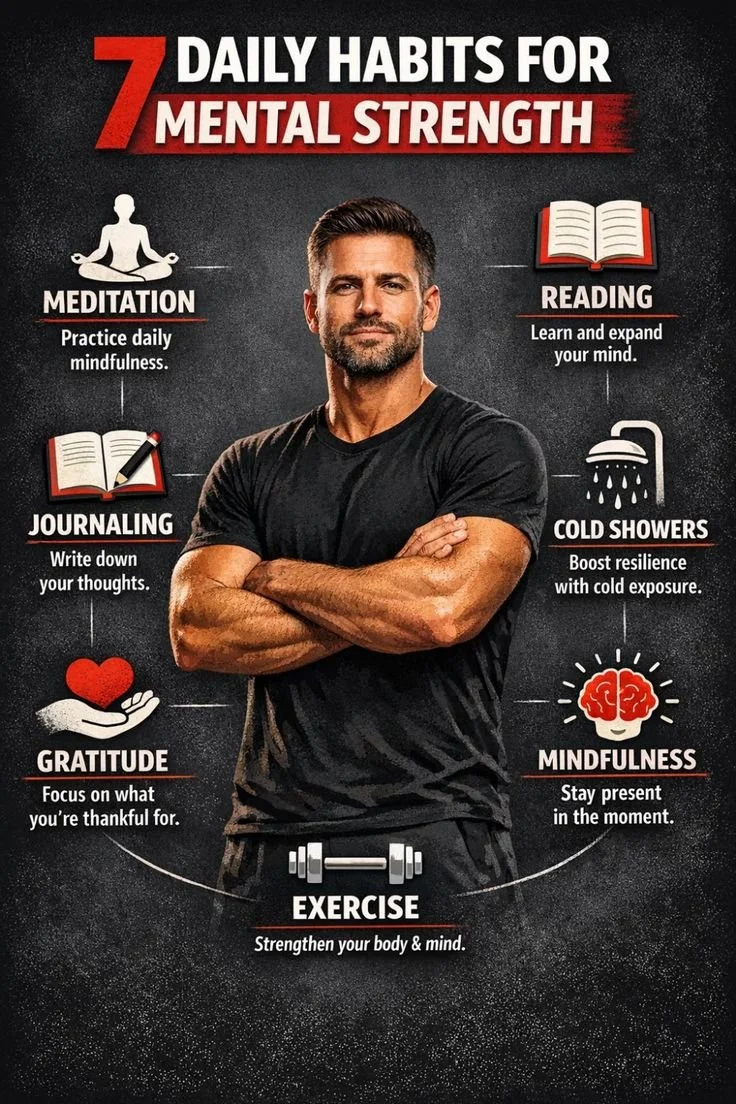
Whether you are a novice setting New Year’s resolutions or a seasoned lifter aiming to refine your daily training, establishing fitness goals is crucial for maximizing the effectiveness of your strength training or cardio routine. Building muscle or enhancing your VO2 max is a gradual process, and setting realistic fitness goals is the key to progress.
To set effective goals, define clear parameters. Above all, ensure they are measurable, attainable, and incorporate daily steps. Often, smaller goals hold more significance than grand ones when striving for the latter two objectives. Time-bound actions, achievable on a daily scale, provide consistent feelings of accomplishment, amplifying motivation. These smaller goals may encompass rep and set targets, heart rate objectives, or specific time frames. As long as they are measurable and feasible on a smaller scale, they will contribute to your success.
Consider how these attainable goals align with your broader vision of fitness success. During moments of reflection, evaluate if your daily steps resonate with the ultimate outcomes you desire from your physical activity. When short and long-term goals align, you are on the right path to maximizing fitness motivation.
Resources for Goal Setting
To stay aligned with long-term objectives, external assistance proves invaluable. Fitness apps offer a fantastic starting point. Many of these applications feature trackers, fitness classes, and community interaction, fostering support and reinforcement. A sense of community can also be cultivated through a fitness partner or personal training. A certified personal trainer not only organizes your exercise program but tailors short-term goals to your current fitness level while providing crucial accountability. Enlisting additional support adds another layer to fortify your workout routine.
Advancing Toward Success
Maintain a laser focus on your goals, and let them be the driving force behind your motivation. Forge a path to fitness success through a meticulously crafted plan. With consistency and well-defined objectives, your gym routine will propel you toward achieving optimal health.
In the modern world of food choices, the debate between organic and non-organic foods has gained significant attention. From concerns about pesticide residues to debates about nutritional content, consumers are faced with decisions that go beyond taste preferences. In this article, we’ll delve into the nuances of organic and non-organic foods, shedding light on the key aspects that shape our choices from farm to fork.
The Organic Movement: What Does “Organic” Really Mean?
Defining Organic Farming Practices
Organic farming prioritizes sustainable and environmentally friendly practices. This section will explore the methods involved, such as avoiding synthetic pesticides and fertilizers.
Certifications and Standards
Understanding the certifications and standards that define organic farming helps consumers make informed choices about the products they purchase.
Nutritional Value: Is Organic Food Better?
Comparative Nutrient Content
Analyze studies comparing the nutrient content of organic and non-organic foods, examining whether the nutritional differences are significant.
Factors Influencing Nutritional Value
Explore the various factors that can influence the nutritional value of food, including soil health, farming practices, and post-harvest handling.
Pesticides and Chemicals: A Closer Look
Understanding Conventional Farming Practices
Examine the conventional farming practices that involve the use of synthetic pesticides and chemicals and their potential impact on food safety.
The Impact of Pesticide Residues
Discuss the potential risks associated with pesticide residues in non-organic foods and how they might affect consumer health.
Provide practical tips for consumers on making organic choices even when budget constraints are a consideration.
Consumer Awareness: Making Informed Choices
Fresh vegetables, potato, radish, tomato, carrot, beetroot in wooden box on ground on farm at sunset. Freshly bunch harvest. Healthy organic food, agriculture, top view
Reading Labels and Understanding Terms
Guide consumers on how to read food labels and understand terms such as “organic,” “non-GMO,” and “natural.”
Identifying Genuine Organic Products
Help consumers differentiate between genuine organic products and misleading marketing tactics.
Supporting Local Agriculture: The Connection to Organics
Farmers’ Markets and Local Produce
Promote the benefits of supporting local agriculture through farmers’ markets and locally sourced produce.
Strengthening Community Ties
Discuss how choosing organic and local options can strengthen community ties and support regional economies.
Debunking Misconceptions: Common Myths About Organics
Addressing Misinformation About Organic Farming
Identify and address common misconceptions and misinformation circulating about organic farming practices.
Separating Fact from Fiction
Provide factual information to counter myths and help readers make informed decisions.
Balancing Perspectives: The Role of Both Organic and Non-Organic
Incorporating a Variety of Dietary Choices
Encourage a balanced approach to dietary choices by incorporating both organic and non-organic options.
Finding a Middle Ground
Highlight the importance of finding a middle ground that aligns with personal values, budget constraints, and health considerations.
Addressing Perplexity and Burstiness in Food Choices
Navigating the Complexities of Organic vs. Non-Organic Decision-Making
Acknowledge the complexity of the decision-making process and guide navigating the intricacies of food choices.
Encouraging Informed and Balanced Choices
Empower readers to make informed and balanced choices based on their individual preferences and values.
the choice between organic and non-organic foods involves considering various factors, including nutrition, environmental impact, taste, and accessibility. By understanding the nuances of these choices, consumers can make informed decisions that align with their values and contribute to a sustainable food system.
In the ever-evolving world of nutrition, myths and misconceptions about diets abound, leading many astray in their quest for a healthier lifestyle. In this article, we’ll delve into the truths behind common nutritional myths, providing clarity on how to navigate the often confusing landscape of diet advice.
Table of Contents
The Myth of “One-Size-Fits-All” Diets
Individual Variability in Nutritional Needs
No two individuals are the same, and their nutritional requirements differ significantly. Debunking the myth of universal diet plans is crucial for understanding and meeting individual needs.
Carbohydrates are a primary energy source for the body. Demystifying the role of carbs in a balanced diet is essential for dispelling fears and embracing their importance.
Debunking Low-Carb Diet Myths
Low-carb diets have gained popularity, but understanding the potential drawbacks and debunking associated myths is crucial for informed decision-making.
The Protein Obsession: Finding the Right Balance
Protein’s Importance in the Diet
Protein is vital for muscle repair, immune function, and overall health. However, dispelling myths surrounding excessive protein intake is essential for finding a balanced approach.
Dispelling Protein Myths
Common misconceptions about protein, including the notion that more is always better, need to be addressed to prevent unnecessary dietary restrictions.
Good Fat vs. Bad Fat
Differentiating Between Healthy and Unhealthy Fats
Not all fats are created equal. Understanding the distinctions between healthy and unhealthy fats is key to making informed dietary choices.
Overcoming Fear of Fat in Diets
Dispelling the fear of fats is essential for embracing the benefits of sources like avocados, nuts, and olive oil in a well-rounded diet.
The Calorie Counting Conundrum
The Limitations of Calorie Counting
While calorie counting can be a useful tool, understanding its limitations and avoiding an exclusive focus on numbers is crucial for a holistic approach to nutrition.
Embracing a Holistic Approach to Nutrition
Balancing macronutrients, considering food quality, and understanding the nutritional value of foods go beyond calorie counting for overall well-being.
Detox Diets: Fact or Fiction?
Examining the Claims of Detox Diets
Detox diets promise to cleanse the body of toxins, but understanding the scientific validity of such claims is essential for making informed decisions.
Supporting the Body’s Natural Detoxification Process
Rather than relying on extreme detox measures, supporting the body’s natural detoxification processes through a balanced diet is a more sustainable approach.
The Gluten Dilemma
Understanding Gluten Sensitivity
Gluten sensitivity is real, but dispelling misconceptions about gluten and celiac disease is essential for informed dietary choices.
Dispelling Myths Surrounding Gluten-Free Diets
Not everyone benefits from a gluten-free diet, and dispelling myths around its universality is crucial for preventing unnecessary dietary restrictions.
Superfoods: Reality or Hype?
Evaluating the True Power of Superfoods
While some foods are rich in nutrients, evaluating the realistic impact of superfoods helps avoid overhype and unrealistic expectations.
Avoiding Superfood Overhype
Balancing a variety of nutrient-dense foods is key, as no single superfood can provide all the necessary nutrients the body requires.
The Timing Myth: When to Eat for Optimal Health
Woman pouring olive oil over fish
Exploring the Importance of Meal Timing
Meal timing can influence metabolism, but understanding the nuances and dispelling myths about strict eating schedules is crucial.
Debunking Myths About Ideal Eating Times
Flexibility in meal timing, tailored to individual preferences and lifestyles, is more important than adhering to rigid eating schedules.
Advancements in nutrition science allow for more personalized dietary recommendations, acknowledging the individuality of nutritional needs.
Tailoring Diets to Individual Needs
Understanding how personalized nutrition plans can be tailored to factors like age, activity level, and health conditions enhances the effectiveness of dietary choices.
The Role of Supplements: Enhancing or Exploiting?
Understanding the Supplement Industry
Supplements can play a role in filling nutrient gaps, but understanding the supplement industry’s nuances is crucial for making informed choices.
Separating Fact from Fiction in Supplement Claims
Not all supplements deliver on their promises. Understanding which ones are beneficial and recognizing exaggerated claims is essential.
Addressing Perplexity and Burstiness in Nutrition
Navigating the Complexities of Nutritional Information
The realm of nutrition is complex, and addressing perplexity involves encouraging curiosity, critical thinking, and ongoing education.
Encouraging Curiosity and Critical Thinking
Instead of seeking quick fixes, fostering curiosity about nutritional science and developing critical thinking skills empowers individuals to make informed dietary choices.
In conclusion, navigating the world of nutrition requires debunking common myths and
embracing a balanced, individualized approach. By understanding the nuances of dietary advice, individuals can make informed choices that promote long-term health and well-being.
Cardiovascular exercise, commonly known as cardio, plays a pivotal role in achieving overall health and well-being. In this article, we will explore the myriad benefits of incorporating cardio workouts into your routine, catering to individuals of all fitness levels.
Embarking on a journey towards a healthier lifestyle often involves a mix of various elements, and at the core of this quest lies the significance of cardio workouts. Beyond the conventional notion of weight loss, cardio exercises offer a plethora of advantages that extend to cardiovascular health, mental well-being, and longevity.
Table of Contents
The Importance of Cardiovascular Exercise
Shot of a young couple out running together
Understanding Cardio Workouts
Cardiovascular exercises, or simply cardio, involve activities that elevate your heart rate and increase blood circulation. These activities range from brisk walking to more intense forms like running or cycling.
Benefits for Overall Health
The benefits of incorporating cardio into your fitness routine go far beyond aesthetics. Cardiovascular exercise positively impacts heart health, weight management, and mental well-being, and even contributes to better sleep.
Types of Cardio Workouts
High-Intensity Interval Training (HIIT)
HIIT involves short bursts of intense exercise followed by periods of rest or lower-intensity activity. It’s known for its efficiency in burning calories and improving cardiovascular fitness.
Running and Jogging
Accessible and versatile, running and jogging are classic cardio exercises that enhance endurance and contribute to overall fitness.
Cycling
Whether on a stationary bike or cycling outdoors, this low-impact cardio activity is excellent for building leg strength and improving cardiovascular health.
Swimming
Swimming is a full-body workout that is easy on the joints. It improves cardiovascular endurance, muscle strength, and flexibility.
Jump Rope
An affordable and portable cardio option, jumping rope is an effective way to elevate your heart rate, burn calories, and improve coordination.
Cardio and Weight Management
Burning Calories and Fat
Cardio workouts are renowned for their calorie-burning properties, making them a key component of weight management strategies.
Enhancing Metabolism
Regular cardio not only burns calories during the activity but also boosts your metabolism, contributing to continued calorie expenditure throughout the day.
Cardiovascular Health
Strengthening the Heart
Consistent cardio exercise strengthens the heart muscle, improving its efficiency in pumping blood and enhancing overall cardiovascular health.
Improving Blood Circulation
Cardiovascular exercise promotes better blood circulation, reducing the risk of conditions such as hypertension and enhancing oxygen delivery to cells.
Mental Well-being and Cardio
Endorphins and Stress Reduction
Cardio workouts stimulate the release of endorphins, the body’s natural mood lifters, reducing stress and promoting a positive mental state.
Boosting Mood and Cognitive Function
Regular cardio has been linked to improved mood, reduced symptoms of depression, and enhanced cognitive function.
Incorporating Cardio Into Your Routine
Finding Activities You Enjoy
The key to sustaining a cardio routine is to choose activities you enjoy. Whether it’s dancing, hiking, or playing a sport, making it enjoyable increases adherence.
Creating a Sustainable Routine
Building a consistent cardio routine involves setting realistic goals, gradually increasing intensity, and incorporating variety to prevent monotony.
Common Myths About Cardio Workouts
Busting the Myth of “Cardio Only” for Weight Loss
While cardio aids in weight loss, a well-rounded fitness approach that includes strength training and a balanced diet is essential for sustainable results.
Understanding the Role of Cardio in Fitness
Cardio isn’t just about burning calories; it contributes significantly to cardiovascular health, mental well-being, and overall fitness.
Cardio and Long-Term Health
Reducing the Risk of Chronic Diseases
Regular cardio exercise is associated with a lower risk of chronic diseases such as heart disease, diabetes, and certain cancers.
Enhancing Longevity
The cumulative benefits of cardio contribute to increased life expectancy, promoting a healthier and longer life.
Cardio for Different Fitness Levels
Beginner-Friendly Cardio Options
For beginners, starting with activities like brisk walking, swimming, or cycling at a moderate pace ensures a gentle introduction to cardio.
Progressing to Advanced Levels
As fitness levels improve, gradually incorporating more intense forms of cardio, such as running or HIIT, challenges the body and enhances endurance.
Cardio and Sleep Quality
Promoting Better Sleep
Engaging in regular cardio has been shown to improve sleep quality, helping individuals fall asleep faster and enjoy deeper, more restorative sleep.
Establishing a Sleep-Cardio Connection
The relationship between cardio exercise and sleep extends beyond physical tiredness, involving the regulation of sleep-inducing hormones.
Cardio and Social Engagement
Group Fitness Classes
Participating in group fitness classes, whether in a gym or virtually, adds a social component to cardio workouts, enhancing motivation and enjoyment.
Outdoor Cardio Activities
Choosing outdoor activities like group runs or cycling clubs combines the benefits of cardio with the enjoyment of nature and social interaction.
Overcoming Cardio Challenges
Addressing Boredom
Combatting boredom in cardio routines involves varying activities, trying new classes, or incorporating entertainment like music or podcasts.
Dealing with Physical Limitations
Individuals with physical limitations can explore low-impact cardio options such as swimming, stationary cycling, or seated exercises.
Tracking Progress and Setting
Goals
Monitoring Fitness Metrics
Tracking metrics like heart rate, distance covered, or workout duration helps monitor progress and provides motivation.
Setting Realistic Cardio Goals
Establishing achievable goals ensures a sense of accomplishment, motivating individuals to maintain a consistent cardio routine.
unlocking the benefits of cardio workouts goes beyond the physical; it encompasses mental well-being, cardiovascular health, and longevity. By understanding the diverse advantages and incorporating enjoyable activities into your routine, you pave the way for a healthier, more fulfilling lifestyle.
Embarking on a fitness journey often involves navigating various workout styles, and High-Intensity Interval Training (HIIT) has gained significant popularity. This comprehensive guide aims to demystify HIIT, explore its benefits, and provide practical insights to maximize results.
Table of Contents
Understanding HIIT Workouts
Definition and Principles
HIIT involves alternating between short bursts of intense exercise and periods of rest or lower-intensity activity. The principle is to push your body to work at maximum effort during intense intervals.
Advantages Of Traditional Cardio
Highlight the efficiency of HIIT in burning calories and improving cardiovascular health compared to traditional steady-state cardio.
Benefits of HIIT Workouts
Efficient Fat Burning
Explain the concept of Excess Post-Exercise Oxygen Consumption (EPOC) and how HIIT continues to burn calories post-workout.
Improved Cardiovascular Health
Discuss how HIIT can enhance cardiovascular fitness by challenging and strengthening the heart.
Time-Efficiency
Emphasize the time-saving aspect of HIIT workouts, making them suitable for busy individuals.
Getting Started with HIIT
Preparing for High Intensity
Offer tips on mental preparation and ensuring proper hydration and nutrition.
Tailoring Workouts to Fitness Levels
Provide modifications for beginners, intermediates, and advanced individuals to make HIIT accessible to everyone.
Importance of Warm-Up and Cool Down
Stress the significance of warming up to prevent injuries and cooling down to aid in recovery.
Sample HIIT Workouts
Bodyweight HIIT
Present a sample bodyweight HIIT routine that can be done anywhere, requiring no equipment.
HIIT with Equipment
Introduce variations incorporating equipment such as dumbbells, kettlebells, or resistance bands.
Outdoor HIIT Variations
Highlight the versatility of HIIT, including outdoor options like sprints, hill climbs, or agility drills.
Common Mistakes to Avoid
Overtraining
Educate readers about the risk of overtraining in HIIT and the importance of adequate rest.
Ignoring Form
Emphasize the significance of maintaining proper form to prevent injuries during high-intensity intervals.
Inadequate Recovery
Highlight the need for sufficient recovery time between HIIT sessions to prevent burnout.
Integrating HIIT into Your Routine
Combining with Strength Training
Suggest ways to integrate HIIT with strength training for a well-rounded fitness routine.
Creating a Balanced Weekly Schedule
Provide guidance on structuring a weekly workout schedule that includes both HIIT and other forms of exercise.
HIIT and Weight Management
EPOC and Caloric Burn
Explain how the afterburn effect of HIIT contributes to continued caloric burn, aiding in weight management.
Complementing Nutritional Strategies
Encourage readers to complement their HIIT efforts with a balanced and nutritious diet for optimal results.
Adaptations for Different Fitness Levels
Beginner HIIT Tips
Offer tips for beginners, including starting with shorter intervals and gradually increasing intensity.
Intermediate Challenges
Introduce intermediate-level HIIT techniques and longer interval durations to challenge fitness levels.
Explore how HIIT can act as a stress reliever, releasing endorphins and improving mood.
Enhanced Mood and Focus
Discuss the cognitive benefits of HIIT, including increased focus and mental clarity.
Progress Tracking and Goal Setting
Measuring Fitness Improvements
Guide readers on tracking progress, whether through increased endurance, strength gains, or other measurable outcomes.
Setting Realistic Goals
Encourage setting achievable goals aligned with individual fitness aspirations.
Addressing Concerns About HIIT
Safety Considerations
Provide safety tips, addressing concerns about injury risks during high-intensity exercise.
Myth of Age Limitations
Challenge the misconception that HIIT is not suitable for all age groups, emphasizing modifications for different fitness levels.
Real-Life Success Stories
Transformations Through HIIT
Share real-life stories of individuals who have achieved significant transformations through consistent HIIT practice.
Inspirational Journeys
Highlight inspirational journeys, demonstrating the diverse positive outcomes achievable with dedication to HIIT.
HIIT offers a powerful and time-efficient approach to fitness. By understanding its principles, avoiding common mistakes, and tailoring workouts to individual needs, anyone can maximize results and experience the transformative benefits of HIIT.
Embarking on a journey to a stronger, healthier body involves understanding and embracing the principles of strength training. Contrary to common misconceptions, mastering strength training goes beyond building muscles; it’s about enhancing overall well-being and achieving a resilient, empowered self.
Table of Contents
Understanding Strength Training
Definition and Purpose
Strength training, often associated with weight lifting, involves exercises focused on increasing muscle strength, endurance, and overall physical fitness. The purpose extends beyond aesthetics, encompassing functional strength for daily activities.
Myths About Strength Training
Dispelling myths such as “Strength training is only for bodybuilders” is crucial. It is a versatile practice suitable for individuals of all fitness levels, genders, and ages.
Benefits of Strength Training
Building Lean Muscle
One of the primary benefits is the development of lean muscle mass, contributing to a sculpted physique and improved metabolism.
Boosting Metabolism
Strength training elevates the resting metabolic rate, aiding in weight management and fat loss.
Enhancing Bone Density
The load-bearing nature of strength training supports bone health, reducing the risk of osteoporosis.
Provide sample home workouts using minimal equipment, making strength training accessible to all.
Benefits Beyond Physical Strength
Mental Health Benefits
Highlight the positive impact of strength training on mental health, including stress reduction and improved mood.
Confidence and Empowerment
Share stories of individuals who have experienced increased confidence and empowerment through strength training.
Importance of Recovery
Sleep and Muscle Repair
Emphasize the role of sleep in muscle repair and the overall recovery process.
Rest Days and Active Recovery
Advocate for the importance of incorporating rest days and active recovery to prevent burnout and injuries.
Real-life Success Stories
Transformative Journeys
Share real-life success stories of individuals who have undergone transformative journeys through strength training.
Inspiring Results
Highlight inspiring before-and-after results, showcasing the diverse positive outcomes achievable through consistent effort.
In conclusion, mastering strength training is not just about lifting weights; it’s a holistic journey toward physical and mental resilience. By understanding the fundamentals, avoiding common pitfalls, and staying committed to progress, individuals can unlock their path to a stronger, healthier body.
Yoga is more than physical exercise; it’s a practice that intertwines movement with mindfulness, fostering a profound connection between the body and the mind.
Historical Roots
Delve into the rich history of yoga, tracing its origins and evolution as a discipline that goes beyond postures.
Benefits of Yoga
Physical Well-being
Discuss the physical advantages , such as improved flexibility, strength, and better posture.
Mental Clarity
Explore how yoga routine enhances mental focus, reduces anxiety, and promotes overall cognitive well-being.
Stress Reduction
Highlight the role of yoga in alleviating stress, and providing a sanctuary for relaxation amid busy lives.
Getting Started with Yoga
Choosing the Right Style
Guide readers in selecting a yoga style that aligns with their goals and preferences, whether it’s Hatha, Vinyasa, or Yin Yoga routine.
Essential Equipment
Introduce the minimal equipment needed for home practice, emphasizing the accessibility of yoga routine to everyone.
Yoga Poses for Beginners
Mountain Pose
Describe the foundational Mountain Pose, emphasizing proper alignment and its grounding effect.
Downward-Facing Dog
Guide beginners through the popular Downward-Facing Dog pose, highlighting its benefits for strength and flexibility.
Child’s Pose
Introduce the restorative Child’s Pose, providing a moment of relaxation and release.
Deepening Your Practice
Intermediate Poses
Transition to intermediate poses, encouraging readers to challenge themselves as they progress in their practice.
Importance of Breath
Emphasize the role of breath in yoga, explaining how breath awareness enhances the mind-body connection.
Meditation Techniques
Introduce simple meditation techniques to deepen the meditative aspect of yoga routine.
Yoga for Specific Goals
Weight Loss and Toning
Share yoga routine tailored for those aiming to lose weight and tone their bodies.
Flexibility and Balance
Provide poses and sequences focused on improving flexibility and balance.
Stress Management
Highlight specific yoga practices that target stress reduction and promote relaxation.
Common Mistakes in Yoga Practice
Overexertion
Caution against pushing too hard, encouraging a balanced and mindful approach to practice.
Ignoring Alignment
Stress the importance of proper alignment to prevent injuries and maximize the benefits of each pose.
Comparing Yourself to Others
Address the common pitfall of comparison, urging practitioners to embrace their unique journey.
Yoga and Mindfulness
Cultivating Awareness
Explain how yoga serves as a gateway to mindfulness, fostering present-moment awareness.
Yoga Off the Mat
Extend the practice of mindfulness into daily life, illustrating how yoga philosophy can guide decision-making and lifestyle choices.
Incorporating Yoga into Daily Life
Quick Desk Stretches
Offer simple yoga stretches that can be done at a desk, promoting wellness during work hours.
Evening Relaxation Routine
Provide a calming yoga for the evening, supporting relaxation and a restful night’s sleep.
Stories of Personal Transformation
Testimonials and Success Stories
Share real-life stories of individuals whose lives have been positively transformed through consistent yoga practice.
Before-and-After Experiences
Present visual and narrative transformations, showcasing the physical and mental changes achieved through yoga.
Yoga Community and Resources
Local Classes and Studios
Encourage engagement with local yoga communities, highlighting the benefits of group practice.
Online Platforms and Apps
Introduce online resources and applications for those preferring the convenience of virtual instruction.
Yoga Retreats and Events
Explore opportunities for immersive experiences, such as retreats and events, to deepen one’s yoga journey.
Overcoming Challenges in Yoga
Lifestyle photo of Fitbit Versa 3.
Patience and Consistency
Stress the importance of patience and consistent practice in overcoming challenges and seeing progress.
Modifying Poses for Injuries
Provide guidance on modifying poses for individuals with injuries, ensuring a safe and inclusive practice.
this ultimate guide to yoga routine, remember that yoga is a journey, not a destination. By embracing the harmony of body and mind, one can unlock the transformative potential of this ancient practice.
Achieving optimal health and fitness is a goal that many individuals strive for. Whether you’re a beginner starting your fitness journey or looking to take your fitness to the next level, this comprehensive guide will provide you with the knowledge and strategies to unlock your fitness potential. From exercise principles to nutrition tips, we’ll cover all the essentials to help you embark on a successful fitness journey
Table of Contents
Understanding Fitness:
Before diving into the specifics, it’s important to understand what fitness entails. We’ll explore the various components of fitness, including cardiovascular endurance, muscular strength and endurance, flexibility, and body composition. This foundation will help you tailor your fitness routine to meet your specific goals.
Setting SMART Fitness Goals:
Setting specific, measurable, achievable, relevant, and time-bound (SMART) goals is essential for your fitness journey. We’ll guide you through the process of setting realistic and motivating goals that will keep you focused and driven.
Creating a Well-Rounded Exercise Routine:
A well-rounded exercise routine should incorporate different types of exercises to address all aspects of fitness. We’ll discuss the importance of cardiovascular exercises, strength training, flexibility training, and functional training. You’ll learn how to structure your workouts to optimize your progress and avoid plateaus.
Cardiovascular Exercise:
it plays a vital role in improving heart health, burning calories, and boosting overall endurance. We’ll explore different forms of cardiovascular exercise, including running, cycling, swimming, and HIIT workouts. You’ll discover how to customize your cardio routine to suit your fitness level and preferences.
Strength Training:
it helps build and tone muscles, increases metabolism, and enhances overall strength and functionality. We’ll delve into the principles of strength training, including proper form, rep ranges, and progressive overload. You’ll learn how to design a strength training program that targets all major muscle groups effectively.
Flexibility and Mobility:
they are crucial for injury prevention and optimal movement patterns. We’ll introduce you to stretching techniques, yoga poses, and mobility exercises that can improve your range of motion and enhance overall flexibility.
Nutrition for Fitness:
Vegetables Nutrition Motivation A (Food and Drink) vegetables, nutrition, motivation, a healthy diet, red, green
Proper nutrition is the foundation of any successful fitness journey. We’ll discuss the importance of a well-balanced diet that includes macronutrients (carbohydrates, proteins, and fats) and micronutrients (vitamins and minerals). You’ll learn about pre-and post-workout nutrition, hydration, and how to fuel your body for optimal performance and recovery.
Recovery and Rest:
Rest and recovery are often overlooked aspects of fitness, but they are crucial for progress and injury prevention. We’ll explore different recovery techniques, including adequate sleep, active rest days, and self-care practices that promote overall well-being.
Tracking Progress and Staying Motivated:
Tracking your progress is essential to stay motivated and measure your success. We’ll discuss various methods of tracking, such as keeping a workout journal, using fitness apps, or using wearable devices. Additionally, we’ll provide strategies to overcome plateaus and stay motivated throughout your fitness journey.
Embracing a Healthy Lifestyle (optimal health):
Fitness is not just about exercise; it’s a lifestyle. We’ll emphasize the importance of adopting healthy habits beyond the gym, such as managing stress, prioritizing self-care, and maintaining a positive mindset. These lifestyle factors will support your fitness goals and contribute to long-term success.
Embarking on a fitness journey is a transformative and empowering experience. By understanding the principles of fitness, creating a well-rounded exercise routine, fueling your body with proper nutrition, and embracing a healthy lifestyle, you can unlock your fitness potential and achieve optimal health and well-being. Remember, consistency, dedication, and a positive mindset are key to reaching your fitness goals and maintaining them for a lifetime
Losing weight is a common goal for many individuals striving to improve their health and well-being. While there is no magic solution for lose weights, understanding the science behind it and implementing effective strategies can lead to successful and sustainable results. In this article, we will delve into the science of lose weights and explore strategies that can help you achieve your goals.
Table of Contents
The Energy Balance Equation:
At its core, lose weights is influenced by the energy balance equation. To lose weight, you need to create an energy deficit by consuming fewer calories than you burn. This can be achieved through a combination of dietary changes and increased physical activity.
Balanced and Nutrient-Dense Eating:
Instead of resorting to fad diets or extreme restrictions, focus on adopting a balanced and nutrient-dense eating plan. Include a variety of whole foods such as lean proteins, fruits, vegetables, whole grains, and healthy fats. Pay attention to portion sizes and aim for a calorie deficit without compromising essential nutrients.
Mindful Eating:
Practicing mindful eating can enhance your lose weight journey. Slow down during meals, savor each bite, and listen to your body’s hunger and fullness cues. By being more attuned to your eating habits, you can make conscious choices and avoid overeating.
Regular Physical Activity:
Incorporating regular physical activity is crucial for lose weights. Engage in a combination of cardiovascular exercises, strength training, and flexibility exercises. Cardiovascular activities like running, cycling, or swimming help burn calories, while strength training helps build muscle, which increases your resting metabolic rate.
Lifestyle Changes:
Successful lose weights often requires adopting sustainable lifestyle changes. Focus on creating healthy habits like getting enough sleep, managing stress levels, and staying hydrated. These factors can impact your metabolism and overall well-being, supporting your lose weights efforts.
Behavior Modification:
Identify and address any unhealthy eating behaviors or triggers that contribute to weight gain. Consider working with a registered dietitian or therapist specializing in behavior modification to develop strategies for overcoming emotional eating, food cravings, or other obstacles.
Tracking Progress:
Keeping track of your progress can provide valuable insights and keep you motivated. Monitor your food intake, exercise routine, and weight changes. Use smartphone apps or journaling to track your meals, exercise, and emotions related to eating.
Social Support:
Seeking support from friends, and family, or joining a weight loss support group can provide encouragement and accountability. Surrounding yourself with like-minded individuals who share similar goals can help you stay motivated and navigate challenges along the way.
Gradual and Sustainable Approach:
Avoid drastic weight loss methods that promise quick results. Gradual weight loss of 1-2 pounds per week is considered safe and sustainable. Remember, sustainable weight loss takes time and requires a commitment to long-term lifestyle changes.
Celebrating Non-Scale Victories:
Weight loss is not solely about the numbers on the scale. Celebrate non-scale victories such as increased energy levels, improved mood, better sleep, or clothing fitting better. Recognize and appreciate the positive changes happening beyond just the numbers.
Weight loss is a journey that requires patience, perseverance, and a comprehensive approach. By understanding the science of weight loss and implementing effective strategies like balanced eating, regular physical activity, and sustainable lifestyle changes, you can achieve your weight loss goals and improve your overall well-being. Remember, small steps taken consistently can lead to significant and lasting results.
In a world dominated by indoor activities, there’s a magnetic allure to taking our outdoor workouts. This article explores the invigorating realm of outdoor workouts, encouraging fitness enthusiasts to step outside their comfort zones and embrace the refreshing experience of exercising amidst nature.
The Call of Nature
Rediscovering Outdoor Fitness
Delve into the growing trend of shifting workouts from the gym to the great outdoors.
Benefits of Exercising in Nature
Highlight the physical and mental health advantages of outdoor workouts, from improved mood to increased vitamin D absorption.
Celebrate the freedom and joy of running amidst scenic landscapes, promoting both physical and mental well-being.
Trail Jogging for a Refreshing Experience
Introduce trail jogging as a dynamic and challenging alternative to conventional running.
Strength Training Amidst Scenic Views
Bodyweight Exercises in the Great Outdoors
Showcase the effectiveness of bodyweight exercises, utilizing natural elements for resistance.
Incorporating Natural Elements for Resistance
Demonstrate how rocks, logs, and other natural features can serve as impromptu workout equipment.
Yoga and Meditation in the Open Air
Connecting Mind and Body in Nature
Explore the profound synergy between outdoor settings and mindfulness practices like yoga and meditation.
Serenity and Balance: Yoga Outdoors
Guide readers through yoga routines designed for outdoor serenity, emphasizing the harmonious connection with nature.
Group Activities for Social Fitness
Outdoor Fitness Classes and Bootcamps
Highlight the communal aspect of outdoor fitness classes, fostering a sense of community.
Partner and Group Workouts in Nature
Encourage readers to share their fitness journey with friends, family, or workout groups in natural settings.
Weathering the Elements: Outdoor Workouts in All Seasons
Embracing the Challenges of Various Weather Conditions
Provide practical tips for adapting outdoor workouts to different weather conditions.
Tips for Safe and Enjoyable Outdoor Workouts Year-Round
Ensure readers can enjoy the benefits of outdoor workouts in every season with safety and comfort in mind.
The Joy of Unstructured Play
Rediscovering Playfulness in Fitness
Promote the idea of unstructured play and spontaneous physical activity in natural surroundings.
Outdoor Games and Activities for All Ages
Introduce games and activities that make fitness enjoyable for individuals of all ages.
Mindful Walking and Hiking
The Therapeutic Benefits of Walking in Nature
Emphasize the mental and physical benefits of walking in natural environments.
Hiking Trails for Varied Fitness Levels
Recommend hiking trails suited for different fitness levels, from beginners to seasoned hikers.
Nutrition and Hydration in Outdoor Fitness
Fueling Your Body for Outdoor Workouts
Offer nutritional advice to optimize energy levels and recovery during outdoor exercise.
Staying Hydrated in the Open Air
Stress the importance of staying hydrated, especially during outdoor activities.
Capturing the Moment: Outdoor Workout Photography
Documenting Your Fitness Journey in Nature
Explore the growing trend of documenting outdoor workouts through photography and social media.
The Rise of Social Media and Outdoor Fitness Communities
Discuss how social media platforms connect individuals sharing their outdoor fitness experiences.
Overcoming Barriers to Outdoor Fitness
Addressing Safety Concerns
Provide safety tips and guidelines to address common concerns related to outdoor workouts.
Motivational Tips for Consistent Outdoor Workouts
Offer motivational strategies to help individuals stay committed to their outdoor fitness routine.
Testimonials: Personal Stories of Outdoor Fitness Transformations
Real People, Real Results
Share inspiring stories of individuals whose lives have been transformed through outdoor fitness.
Inspiring Others to Embrace Nature in Fitness
Encourage readers by showcasing the tangible and positive impact of outdoor workouts on real people.
As we step outside and embrace nature in our fitness journey, we discover a world of possibilities beyond the confines of indoor gyms. Outdoor workouts offer not just physical benefits but also a rejuvenating connection with the natural environment.
In a world where the gym is not the only option for fitness enthusiasts, home workouts have emerged as a convenient and effective way to stay fit. Explore the realm of effective home workout, breaking down barriers and proving that you don’t need a gym to achieve your fitness goals.
The Rise of Home Workout
Changing Fitness Trends
Examine the shift in fitness preferences, with more individuals opting for home-based exercise routines.
Benefits of Home Workout
Highlight the advantages, including flexibility, cost-effectiveness, and the ability to tailor workouts to personal preferences.
Planning Your Home Workout Space
Utilizing Limited Space
Offer tips on optimizing small spaces for workouts, emphasizing creativity and resourcefulness.
Essential Equipment
Suggest minimal yet versatile equipment that can enhance home workout without taking up much space.
Tailoring Your Workout Routine
Cardiovascular Exercises
Introduce effective cardio workouts that can be done at home without specialized machines.
Strength Training at Home
Provide guidance on building strength using bodyweight exercises and basic household items.
Flexibility and Mobility
Emphasize the importance of incorporating stretching and mobility exercises into home workout routines.
Effective Home Workout Programs
High-Intensity Interval Training (HIIT)
Explore the benefits of HIIT, detailing sample routines for maximum calorie burn in minimal time.
Bodyweight Workouts
Highlight the power of using your body as resistance, showcasing bodyweight exercises for full-body engagement.
Online Fitness Classes
Introduce virtual classes and programs that bring the expertise of fitness instructors into your living room.
Staying Motivated
Setting Realistic Goals
Guide readers in establishing achievable fitness goals that align with their lifestyle and preferences.
Creating a Consistent Schedule
Emphasize the importance of a regular workout schedule to maintain momentum and see results.
Finding Workout Buddies Virtually
Explore the virtual fitness community, showcasing how connecting with others online can boost motivation.
Overcoming Challenges
Addressing Time Constraints
Provide time-efficient workout options for individuals with busy schedules.
Dealing with Distractions
Offer tips on creating a focused workout environment and minimizing distractions.
Avoiding Burnout
Discuss strategies to prevent burnout, emphasizing the importance of rest and recovery.
Inspiring Success Stories
Real-Life Transformations
Share stories of individuals who have achieved remarkable fitness transformations through consistent home workout.
Celebrating Small Wins
Encourage celebrating incremental progress and acknowledging the significance of small achievements.
Nutrition Tips for Home Exercisers
Fueling Your Body
Offer nutritional guidance to support energy levels and recovery during home workout.
Hydration Importance
Highlight the role of hydration in maintaining optimal performance during exercise.
Incorporating Fun Into Workouts
Dance Workouts
Showcase the joy of dance workouts, combining fitness with entertainment.
Outdoor Activities
Explore outdoor exercises that can add variety and enjoyment to your home workout routine.
Monitoring Progress
Tracking Fitness Goals
Introduce methods for monitoring progress, from keeping a workout journal to using fitness apps.
Celebrating Milestones
Encourage celebrating fitness milestones, reinforcing the sense of accomplishment.
Common Mistakes to Avoid
Overtraining
Caution against excessive training, emphasizing the importance of rest days.
Ignoring Form
Stress the significance of proper form to prevent injuries and maximize workout effectiveness.
Skipping Warm-ups and Cool-downs
Highlight the role of warm-ups and cool-downs in preventing injuries and promoting flexibility.
Fitness Apps and Resources
Top Home Workout Apps
Provide recommendations for popular fitness apps that cater to home exercisers.
Online Fitness Communities
Explore online communities where individuals can share experiences and support each other’s fitness journeys.
The Future of Home Workout
Hybrid Fitness Approaches
Discuss the emerging trend of combining home workout with occasional gym visits or outdoor activities.
Technological Advancements
Explore how technology is shaping the future of home fitness, from virtual reality workouts to AI-powered coaching.
In the realm of home workout, the absence of a gym is not a limitation but an opportunity for innovation and personalization. Effective home workout empower individuals to take control of their fitness journey, proving that, indeed, no gym is no problem.
As the fitness landscape continues to evolve, one trend stands out: the fusion of community and fitness. In this article, we explore the dynamic world of group fitness classes, where the collective pursuit of health and well-being creates an environment of motivation, support, and camaraderie.
The Rise of Community Fitness
Evolution of Fitness Culture
Discuss the transformation of individual-focused fitness to a more communal and inclusive culture.
Community Dynamics in Fitness
Highlight the societal shifts that have led to the rise of community-based fitness activities.
Benefits of Group Fitness Classes
Motivation and Accountability
Explore how group dynamics foster motivation and provide a built-in support system.
Social Connection and Support
Examine the psychological benefits of forming social connections through shared fitness experiences.
Diverse Offerings: From Zumba to CrossFit
Exploring Popular Group Fitness Formats
Provide an overview of diverse group fitness options, from dance-based workouts to high-intensity training.
Tailoring Choices to Individual Preferences
Emphasize the importance of choosing a fitness format that aligns with individual interests and goals.
Breaking Down Barriers to Entry
Inclusivity in Group Fitness
Discuss efforts to make group fitness classes accessible and inclusive to individuals of all fitness levels.
Overcoming Initial Hurdles
Provide tips for newcomers to overcome initial barriers and join group fitness activities with confidence.
The Role of Qualified Instructors
Importance of Professional Guidance
Highlight the role of qualified instructors in ensuring safe and effective group workouts.
Fostering a Positive and Inclusive Atmosphere
Discuss the impact instructors have on creating a welcoming and supportive fitness environment.
Fun Factor: The Heartbeat of Community Fitness
Injecting Enjoyment into Workouts
Explore how the element of fun contributes to the sustainability and enjoyment of group fitness.
Building Lasting Friendships
Share anecdotes and stories of lasting friendships forged through shared fitness journeys.
Success Stories: Personal Journeys in Group Fitness
Highlight the ripple effect of inspiring others to embrace group fitness and its benefits.
The Adaptive Nature of Community Fitness
Evolving Trends in Group Workouts
Discuss how community and fitness adapts to changing preferences and emerging fitness trends.
Customizing Fitness for Diverse Audiences
Explore how community and fitness caters to diverse age groups, fitness levels, and interests.
Community Challenges and Events
Spurring Healthy Competition
Discuss the role of challenges and events in promoting healthy competition and camaraderie.
Strengthening Bonds Through Challenges
Highlight the bonding experiences that arise from participating in fitness challenges as a community.
Nutrition and Wellness in Community Fitness
Holistic Approach to Health
Advocate for a holistic approach to health, combining fitness with proper nutrition and overall well-being.
Encouraging Balanced Lifestyles
Explore how community fitness encourages a balanced and sustainable approach to healthy living.
Navigating the Digital Realm: Online Community Fitness
Virtual Classes and Online Communities
Examine the rise of online fitness communities and
the advantages and challenges of virtual classes.
Pros and Cons of the Digital Fitness Landscape
Discuss the benefits and potential drawbacks of the growing digital presence in community and fitness.
Tips for Finding the Right Community Fitness Class
Assessing Personal Goals
Guide readers in assessing their fitness goals and finding a community class that aligns with those objectives.
Trying Different Formats
Encourage experimentation with various group fitness formats to discover what resonates best.
The Future of Community Fitness
Emerging Trends and Innovations
Offer insights into the evolving trends and innovations that may shape the future of community fitness.
Projecting the Continued Growth of Fitness Communities
Discuss the potential for continued growth and diversification of fitness communities globally.
As we witness the synergy between community and fitness, it becomes evident that the collective pursuit of health is not just a physical endeavor but a social and communal one. Group fitness classes provide a space where individuals join forces, celebrating each other’s victories, and creating a supportive ecosystem that extends beyond the workout mat.
In a world where the pace of life seems to quicken daily, maintaining a healthy diet can be challenging. However, a revolutionary change in your eating habits is not only achievable but also essential for ultimate health and well-being.
Table of Contents
Understanding the Need for a Diet Revolution
The Impact of Diet on Health
Our diet plays a crucial role in determining our overall health. From energy levels to disease prevention, the food we consume has a profound impact on our well-being.
Common Challenges in Maintaining a Healthy Diet
Busy schedules, convenience foods, and conflicting nutritional advice often contribute to the struggle of maintaining a nutritious diet. It’s time to break free from these challenges.
Benefits of a 7-Day Meal Plan
Establishing a Routine for Healthy Eating
A structured meal plan provides the framework needed to develop consistent and healthy eating habits, making it easier to stick to nutritious choices.
Ensuring Adequate Nutrient Intake
A well-designed 7-day meal plan ensures you receive a balanced intake of essential nutrients, promoting optimal health and preventing nutritional deficiencies.
Crafting Your 7-Day Meal Plan
Day 1: Kickstart with Nutrient-Packed Breakfast
Begin your week with a breakfast rich in vitamins and minerals, setting a positive tone for the days ahead.
Day 2: Lunchtime Delights for Sustained Energy
Lunch should be a satisfying and energy-boosting meal, incorporating a mix of lean proteins, whole grains, and colorful vegetables.
Day 3: Snack Smart for Metabolism Boost
Choose snacks that not only satisfy your cravings but also support your metabolism and keep energy levels steady.
Day 4: Dinner Innovations for a Restful Night
Opt for light and nutrient-dense dinners to promote better sleep and aid digestion.
Day 5: Balancing Nutrients Throughout the Day
Ensure each meal contains a balance of carbohydrates, proteins, and fats for sustained energy and overall well-being.
Day 6: Hydration and Healthy Beverages
Stay hydrated with water and incorporate herbal teas or infused water for added flavor without added calories.
Day 7: Sunday Indulgences and Self-Care
Allow yourself some flexibility on Sundays, indulging in your favorite healthy treats and taking time for self-care.
Incorporating Variety and Flavor
The Importance of Diverse Food Choices
A variety of foods not only ensures a broad spectrum of nutrients but also makes meals more enjoyable and satisfying.
Enhancing Flavor Without Compromising Health
Experiment with herbs, spices, and healthy cooking techniques to add flavor to your meals without resorting to excessive salt, sugar, or unhealthy fats.
Overcoming Challenges and Building Sustainable Habits
Addressing Common Barriers to Healthy Eating
Identify and tackle common challenges such as time constraints, lack of cooking skills, and emotional eating to build sustainable habits.
Tips for Long-Term Success
Incorporate small, realistic changes into your routine, gradually building a foundation for long-term success in maintaining a healthy diet.
The Power of Superfoods in Your Meal Plan
Highlighting Superfoods for Nutrient Boost
Superfoods are nutrient powerhouses that can elevate your meal plan. Incorporate blueberries, kale, quinoa, and other superfoods for an added nutritional punch.
Personalizing Your 7-Day Meal Plan
Adapting to Dietary Preferences and Restrictions
Tailor your meal plan to fit your dietary preferences, whether you’re vegetarian, vegan, or have specific food allergies.
Consulting with Nutrition Experts
Seek guidance from nutrition experts who can help customize your meal plan based on your individual health goals and requirements.
Tracking Progress and Celebrating Success
Setting Realistic Goals
Establish achievable goals, track your progress, and celebrate small victories along the way to stay motivated.
Recognizing Achievements
Acknowledge the positive changes in your energy levels, mood, and overall well-being as you stick to your 7-day meal plan.
Addressing Perplexity and Burstiness in Meal Planning
Creating Excitement Around Each Meal
Infuse excitement into your meal plan by trying new recipes, experimenting with different cuisines, and involving family or friends in the process.
Emphasizing Flexibility in Choices
While structure is essential, allow room for flexibility in your meal plan to accommodate unexpected events or changing preferences.
In conclusion, revolutionizing your diet with a 7-day meal plan is a transformative step towards achieving ultimate health. By incorporating diverse, flavorful, and nutrient-rich foods, you can establish a sustainable and enjoyable approach to healthy eating.
Superfoods are not just a marketing gimmick; they are nutrient-rich powerhouses that offer a concentrated dose of essential vitamins, minerals, and antioxidants.
Nutrient-Rich Powerhouses
These foods go beyond basic nutrition, providing an abundance of health-boosting compounds that can contribute to overall well-being.
Criteria for Superfoods
High Nutrient Density
Superfoods are characterized by their high nutrient density, meaning they pack a significant nutritional punch in a small serving.
Health Benefits
The inclusion of superfoods in your diet can lead to various health benefits, from improved heart health to enhanced cognitive function.
The Top 10 Superfoods
1. Blueberries: A Burst of Antioxidants
Blueberries are not only delicious but also rich in antioxidants that combat oxidative stress and support a healthy immune system.
2. Avocado: Healthy Fats for Heart Health
Avocado, a source of monounsaturated fats, can contribute to heart health and provide a creamy addition to various dishes.
3. Spinach: A Nutrient-Rich Green
Spinach is a nutrient powerhouse, offering vitamins, minerals, and phytochemicals essential for overall health.
4. Quinoa: The Protein-Packed Grain
Quinoa is a complete protein, making it an excellent choice for vegetarians and a versatile ingredient in various recipes.
5. Chia Seeds: Tiny Seeds, Massive Benefits
Chia seeds are packed with omega-3 fatty acids, fiber, and antioxidants, supporting heart health and digestion.
6. Salmon: Omega-3 Rich Superfood
Salmon is a fatty fish loaded with omega-3 fatty acids, promoting brain health and reducing inflammation.
7. Broccoli: Cruciferous Goodness
Broccoli, a cruciferous vegetable, contains compounds with anti-cancer properties and is rich in vitamins.
8. Sweet Potatoes: Beta-Carotene Powerhouse
Sweet potatoes are a great source of beta-carotene, which converts to vitamin A, benefiting vision and immune function.
9. Greek Yogurt: Probiotics for Gut Health
Greek yogurt contains probiotics that support gut health, aiding digestion and promoting a balanced microbiome.
10. Walnuts: Brain-Boosting Nutrients
Walnuts are rich in omega-3 fatty acids and antioxidants, contributing to improved cognitive function.
Incorporating Superfoods into Your Diet
Easy Recipes and Meal Ideas
Discover simple and delicious recipes that seamlessly integrate these superfoods into your daily meals.
Considerations for Dietary Restrictions
Explore options for individuals with dietary restrictions, ensuring everyone can benefit from these nutritional powerhouses.
The Impact of Superfoods on Overall Health
Weight Management
Learn how incorporating superfood can aid in weight management by providing satiety and supporting metabolic health.
Immune System Support
Discover how the antioxidants and nutrients in superfood can strengthen your immune system, keeping you healthy year-round.
Anti-Inflammatory Properties
Explore the anti-inflammatory properties of certain superfood and their role in preventing chronic diseases.
Common Myths About Superfoods
Dispelling Misconceptions
Separate fact from fiction by debunking common myths surrounding superfood and their supposed magical properties.
Realistic Expectations
Set realistic expectations about the impact of superfood, understanding that they are part of a balanced diet, not a cure-all.
Tips for Buying and Storing Superfoods
Choosing Quality Produce
Ensure you get the most out of your superfood by selecting high-quality, fresh produce when shopping.
Proper Storage Practices
Learn how to store superfood to preserve their nutritional value and extend their shelf life.
Superfoods for Special Dietary Needs
Vegan and Vegetarian Options
Discover superfood suitable for those following vegan or vegetarian diets, ensuring they get essential nutrients.
Gluten-Free Choices
Explore gluten-free superfood for individuals with gluten sensitivities or celiac disease.
Balancing Superfoods in a Varied Diet
Diversity is Key
Understand the importance of a diverse diet, incorporating a variety of superfood for optimal nutrition.
Avoiding Overconsumption
While superfood offer numerous benefits, moderation is key to avoid overconsumption and maintain a balanced diet.
Personal Success Stories
Real-Life Experiences
Read inspiring stories of individuals who transformed their health by incorporating superfood into their daily routines.
Transformative Health Journeys
Learn about the positive impact superfood had on people’s lives, from increased energy levels to improved mental clarity.
Expert Opinions and Recommendations
Insights from Nutritionists
Gain valuable insights from nutrition experts on how superfoods fit into a well-rounded, healthy diet.
Dietary Guidelines
Explore recommended dietary guidelines and understand how superfoods can contribute to meeting nutritional requirements.
Addressing Perplexity and Burstiness
Maintaining Specificity and Context
Strike a balance between perplexity and burstiness, ensuring detailed information while keeping the content accessible.
Enhancing Reader Engagement
Capture the reader’s attention by incorporating anecdotes, relatable examples, and practical tips throughout the article.
In conclusion, unlocking the secrets of superfoods can pave the way to optimal nutrition and overall well-being. By incorporating these nutrient-rich powerhouses into your diet in a balanced and varied manner, you can experience transformative health benefits.