

 amanda cohen

Desk Rescue: Stretches to Reverse Sitting
If you spend most of your day at a desk, your body is quietly adapting into a tighter, weaker version of itself — shortened hip flexors, rounded shoulders, and a stiff thoracic spine. Start with short, focused stretches and pair them with strength work like these upper-leg workout routines to restore balance and mobility.
![Desk Workers LISTEN UP! 👂 Best Stretches to Undo Sitting Damage
Are you sitting all d… [Video] in 2025 | Gym workout for beginners, Workout training programs, Workout gym routine](https://tavof.com/wp-content/uploads/2026/01/desk-workers-listen-up-best-stretches-to-undo-2026-01-09-080923.webp "Desk Workers LISTEN UP! 👂 Best Stretches to Undo Sitting Damage Are you sitting all d… [Video] in 2025 | Gym workout for beginners, Workout training programs, Workout gym routine 8")
Why stretching matters
Prolonged sitting compresses joints and weakens the muscles that help you stand tall. Simple daily stretches increase circulation, release tension, and reduce the risk of pain or injury when you move. You don’t need long sessions — 5–10 minutes every few hours can make a big difference.
Top stretches to undo sitting damage
- Hip-Flexor Drop (Kneeling Lunge)
- How: Kneel on one knee, other foot forward. Tuck your pelvis under and gently push hips forward until you feel a stretch in the front of the kneeling hip.
- Hold: 30–45 seconds each side. Repeat 2–3 times.
- Why: Counters the shortened hip flexors from prolonged sitting.
- Standing Hamstring Stretch
- How: Place one heel on a low step, keep the knee soft, hinge at the hips and reach toward your toes.
- Hold: 20–30 seconds each side. Repeat twice.
- Why: Relieves posterior chain tightness and improves hinge mechanics.
- Glute/Piriformis Stretch (Figure-4)
- How: Lie on your back, cross one ankle over the opposite knee, and pull the uncrossed thigh toward your chest.
- Hold: 30 seconds each side.
- Why: Releases gluteal tension and reduces lower-back strain.
- Seated Spinal Twist
- How: Sit tall, place hand on opposite knee and gently rotate your torso, looking over your shoulder.
- Hold: 20–30 seconds per side.
- Why: Mobilizes the thoracic spine and eases mid-back stiffness.
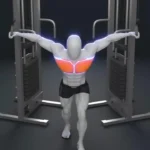
- Chest Opener (Doorway or Standing)
- How: Place forearms on a doorway or clasp hands behind your back and lift the chest.
- Hold: 30 seconds, repeat 2 times.
- Why: Counteracts rounded shoulders from leaning forward at a desk.
- Thoracic Extension on a Chair or Foam Roller
- How: Place hands behind your head and lean back over the edge of a chair or roller, opening the upper back.
- Reps: 8–10 controlled extensions.
- Why: Restores upper-back mobility needed for good posture.
Quick mobility circuit (5–10 minutes)
- 1 minute: Hip-flexor drop (30s each side)
- 1 minute: Standing hamstring alternates
- 1 minute: Chest opener stretches
- 1 minute: Seated spinal twists (30s per side)
- 1–2 minutes: Glute figure-4 holds and gentle thoracic extensions
Integrate movement with strength
Stretching reduces tightness, but building opposing strength keeps you balanced. Add core and glute-focused work — even brief challenges can help — for example a targeted leg-raise and oblique challenge to rebuild midline stability after long sitting sessions.
Practical tips for desk workers
- Micro-breaks: Stand and move every 30–60 minutes for 1–2 minutes.
- Posture checks: Reset your posture after focused work — ears over shoulders, shoulders over hips.
- Desk setup: Adjust screen height and chair so you’re not jutting forward.
- Consistency beats intensity: Short daily routines prevent the tightness that long weekend workouts can’t fully reverse.
![Desk Workers LISTEN UP! 👂 Best Stretches to Undo Sitting Damage
Are you sitting all d… [Video] in 2025 | Gym workout for beginners, Workout training programs, Workout gym routine](https://tavof.com/wp-content/uploads/2026/01/desk-workers-listen-up-best-stretches-to-undo-2026-01-09-080925-2.webp "Desk Workers LISTEN UP! 👂 Best Stretches to Undo Sitting Damage Are you sitting all d… [Video] in 2025 | Gym workout for beginners, Workout training programs, Workout gym routine 9")
Conclusion
If your workplace or program involves caring for children and setting up compliant activity spaces, review the state’s Minimum Standards for Child-Care Centers to ensure policies and environments support safe movement and exercise.

GIPHY App Key not set. Please check settings