

 amanda cohen
Lift to Lose: How Many Calories Does Strength Training Burn?
Strength training is one of the most time-efficient ways to build muscle, raise metabolic rate, and support long-term fat loss. Whether you’re new to lifting or returning after a break, understanding how strength work impacts calorie burn helps you design smarter sessions and stay motivated. 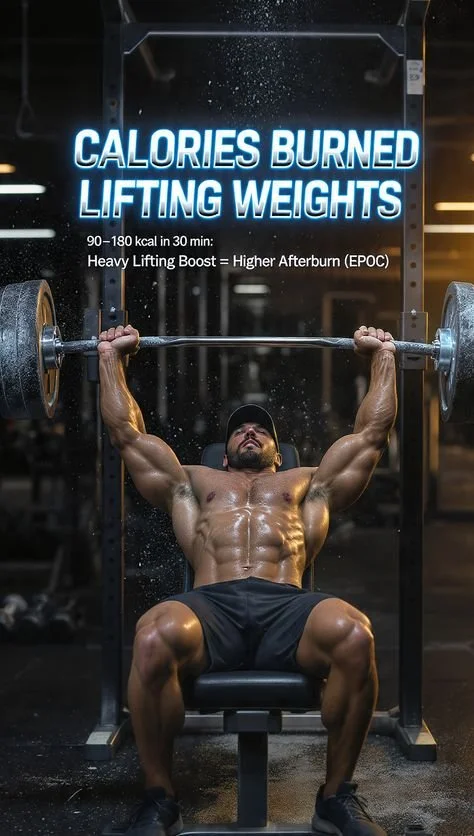
In this introduction, learn the basics of energy expenditure from resistance work and where lifting fits in a balanced fat-loss plan. For a quick primer on essential training concepts, see this overview of six important strength-training facts every lifter should know.
Calories burned during a typical session
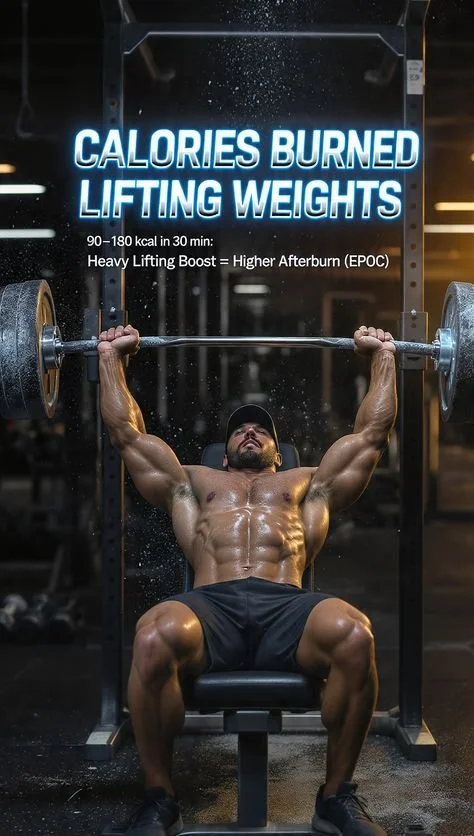
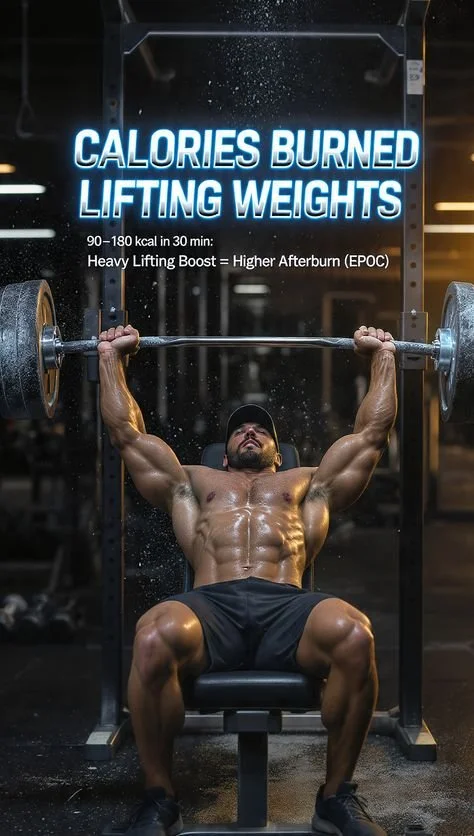
A lot depends on intensity, volume, rest intervals, and individual factors like body weight and composition. A 45–60 minute compound-focused session (squats, deadlifts, presses, rows) typically burns anywhere from 200–500 kcal during the workout itself for most people. However, that number can be higher if you keep rest short, use supersets, or maintain a high work density.
For consistent progress, focus less on exact calories-per-session and more on progressive overload and training frequency. If you want practical program structure and progression, check this guide to mastering strength training and building a stronger body.
Afterburn (EPOC) and long-term metabolic effects
Resistance training produces excess post-exercise oxygen consumption (EPOC), which means your body continues to burn additional calories for hours after the workout. EPOC is generally smaller than that produced by intense interval cardio, but when combined with increased muscle mass, the cumulative effect on resting metabolic rate can be meaningful over months.
Consider the broader metabolic picture: gaining even a modest amount of lean mass raises daily energy needs, which helps with fat loss without constant dieting. For clarity on how weight loss differs from fat loss and why that matters, read this comparison of weight loss versus fat loss.
Workout types and calorie impact
- Heavy compound lifts (low reps, heavy loads): higher neural demand, solid muscle stimulation, moderate immediate calorie burn, and good hypertrophy stimulus.
- Hypertrophy sessions (moderate loads, moderate reps): tend to increase time-under-tension and total volume, producing higher per-session calorie expenditure.
- Circuit-style or metabolic strength sessions (short rests and multi-exercise circuits): maximize caloric burn during the workout and increase EPOC.
If you want quick nutritional tweaks that support recovery and fat loss alongside your lifting, consider the timing and content of pre-bed nutrition explained in this guide to eating before bed to boost fat loss.
Programming tips to maximize fat loss while preserving muscle
- Prioritize compound movements and full-body or upper/lower splits to hit large muscle groups multiple times per week.
- Keep progressive overload as the primary driver—track loads, reps, and volume.
- Add short bouts of metabolic work (e.g., 10–15 minute circuits) if you need extra calorie burn without long cardio sessions.
- Maintain adequate protein intake and recovery to preserve muscle while in a caloric deficit.
If you’re curious about classic lessons in program design and mentality from the old-school greats, there are useful takeaways in strength-training lessons from Arnold Schwarzenegger.
Quick sample session for fat-loss focus
- Warm-up: 5–8 minutes mobility + light cardio
- A: Barbell back squat — 4 sets of 6–8 reps
- B: Bent-over row — 4 sets of 8–10 reps
- C: Romanian deadlift — 3 sets of 8–10 reps
- D: Superset: Push-ups (12–15) + Kettlebell swings (12–15) — 3 rounds, minimal rest
This structure blends heavy compound work with higher-density finishing circuits to boost caloric burn and hypertrophy stimulus.
For practical recovery and long-term consistency, you might also enjoy lessons on how to approach a strength-focused program in the long run; see this article on training fundamentals for more tips. (Note: that link appears earlier in the article for introductory context.)
Conclusion
For a focused, bodyweight-centered fat-loss resource that complements strength training routines, check out this Free Body Weight Fat Loss Live Tv resource for guided sessions and programming ideas.



GIPHY App Key not set. Please check settings