

 Riri
Riri
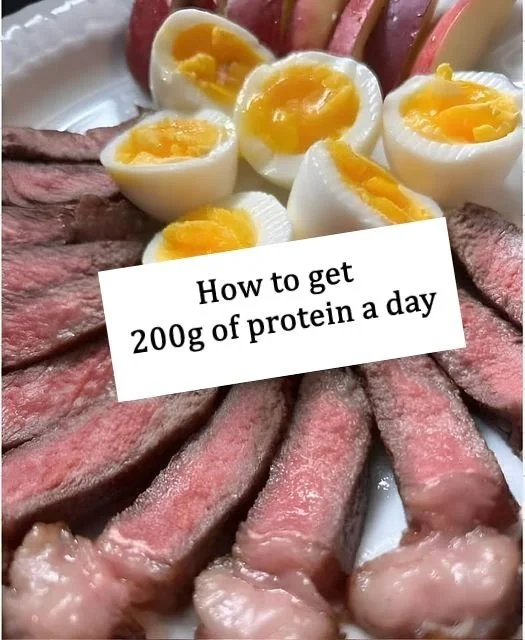
Achieving a Daily Intake of 200 Grams of Protein Through a Balanced Diet
In today’s health-conscious world, protein has gained significant recognition as a crucial macronutrient for building and repairing tissues, supporting immune function, and maintaining muscle mass. Many fitness enthusiasts and individuals aiming for weight loss or muscle gain wonder if it is feasible to consume a daily intake of 200 grams of protein solely through a healthy, balanced diet. The answer is yes! Let’s explore how you can achieve this without resorting to protein supplements and while enjoying diverse and nutritious foods.
Understanding Protein Needs
Protein needs vary based on several factors such as age, sex, activity level, and fitness goals. Generally, active individuals and athletes require more protein than sedentary individuals. According to the Recommended Dietary Allowance (RDA), adults need approximately 0.8 grams of protein per kilogram of body weight. However, those engaging in rigorous physical training may benefit from a higher intake, often ranging from 1.2 to 2.0 grams per kilogram.
For someone weighing 75 kg (approximately 165 lbs) who aims for a high protein intake, reaching 200 grams could be an effective goal for muscle building or recovery.
Food Sources of Protein
1. Animal-Based Proteins
Animal-based proteins are complete proteins, meaning they contain all the essential amino acids our bodies cannot produce. They are often more readily absorbed by our bodies than plant-based proteins. Here are several animal sources rich in protein:
- Chicken Breast: A 100-gram serving provides approximately 31 grams of protein.
- Fish: Salmon and tuna offer about 25 grams of protein per 100 grams.
- Eggs: One large egg contains about 6 grams of protein; consuming four to five can contribute significantly.
- Greek Yogurt: A one-cup serving can have around 20 grams of protein.
- Lean Beef: A 100-gram serving can yield around 26 grams of protein.
2. Plant-Based Proteins
Plant-based proteins are not only beneficial for those following vegetarian or vegan diets but can also complement animal-based sources to enhance overall protein intake. Here are a few sources:
- Lentils: One cooked cup provides about 18 grams of protein.
- Quinoa: This complete grain contains roughly 8 grams of protein per cooked cup.
- Chickpeas: Also known as garbanzo beans, a cup cooked has around 15 grams of protein.
- Nut Butters: Two tablespoons of peanut butter contain about 8 grams of protein.
- Tofu and Tempeh: Both are excellent sources, with tofu providing around 10 grams per half-cup and tempeh about 15 grams.
Sample Daily Meal Plan to Reach 200 Grams of Protein
Creating a varied and enjoyable meal plan can help you easily reach your protein goals. Here is a sample daily meal plan that can help:
Breakfast
- Scrambled Eggs (3 eggs): 18 grams
- Greek Yogurt (1 cup): 20 grams
- Chia Seeds (2 tablespoons): 6 grams
Total: 44 grams
Lunch
- Grilled Chicken Breast (150 grams): 46 grams
- Quinoa Salad (1 cup): 8 grams
- Mixed Greens with Tofu (½ cup): 10 grams
Total: 64 grams
Snack
- Protein Shake (using 25 grams of protein powder): 25 grams
- Almonds (30 grams): 6 grams
Total: 31 grams
Dinner
- Baked Salmon (200 grams): 50 grams
- Steamed Broccoli (1 cup): 4 grams
Total: 54 grams
Daily Total: 193 grams
Conclusion
Reaching a daily intake of 200 grams of protein through a well-balanced diet is not only achievable but also enjoyable. By incorporating a variety of protein-rich foods from both animal and plant sources, you can ensure that your body receives all the necessary nutrients it needs to thrive. Always remember to consult with a healthcare provider or a registered dietitian before making significant dietary changes, especially if you have specific health concerns or dietary restrictions. Enjoy your journey towards optimal health and performance!



GIPHY App Key not set. Please check settings