

 Riri
Riri
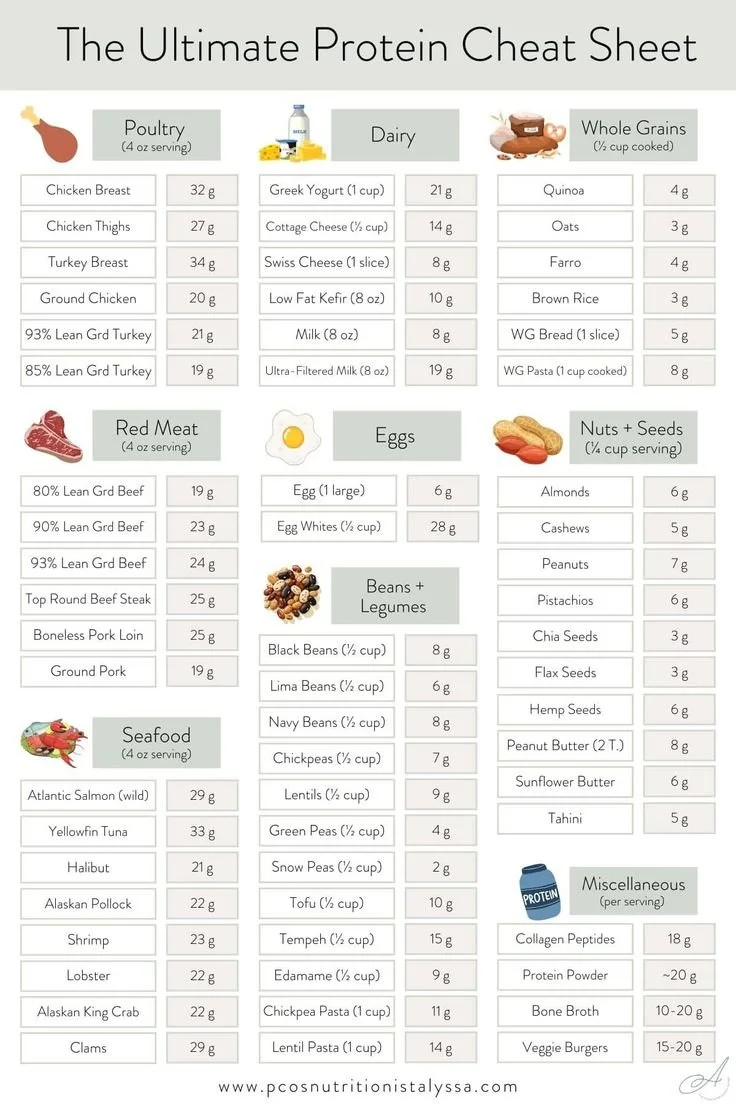
A Dietitian’s High-Protein Cheat Sheet: Practical Tips and Meal Ideas
If you want to build muscle, curb hunger, or simply eat more purposefully, a high-protein approach can make a big difference. This article breaks down how to use a dietitian-made cheat sheet to hit protein goals without overcomplicating your day. For a quick primer on daily targets, check out this guide to daily protein intake and what 200 grams looks like for context on portion sizes and needs.
What you’ll learn here:
- Why prioritizing protein matters
- How to read and apply a simple cheat sheet
- Fast swaps, sample meals, and timing tips to make higher-protein eating sustainable
Introduction: Why a cheat sheet helps
Eating more protein doesn’t mean living on chicken and eggs alone. A well-designed cheat sheet reduces decision fatigue by listing high-protein choices, typical serving sizes, and quick meal combos. It’s especially useful when you’re short on time, traveling, or meal-prepping for the week.
Why protein matters (short version)
- Satiety: Protein helps you feel full longer, which can reduce snacking and overeating.
- Muscle maintenance and growth: Adequate protein supports recovery after strength training and helps preserve lean mass during weight loss.
- Metabolic boost: Digesting protein burns more calories than carbs or fats (the thermic effect of food).
How to use the cheat sheet effectively
- Start by estimating your protein target (per kg of body weight or per meal). If you train frequently or are trying to build muscle, aim for higher ends of the range.
- Use the cheat sheet to pick 2–3 staple proteins you enjoy and rotate them. Variety ensures you get complementary nutrients (iron, zinc, B12).
- Combine protein with fiber and healthy fats for balanced meals that keep blood sugar steady.
- Portion control: the cheat sheet’s serving sizes help you eyeball reasonable portions without weighing every bite.
High-protein swaps and pantry staples
- Swap low-protein grains for higher-protein options: choose lentils, chickpeas, or quinoa instead of rice for a boost.
- Keep shelf-stable protein: canned tuna, salmon, and white beans are quick and versatile.
- Dairy and alternatives: Greek yogurt, cottage cheese, and fortified soy products provide concentrated protein in small volumes.
- Plant-based options: tofu, tempeh, seitan, and mixed legumes are excellent for vegetarian or vegan plans.
Sample meal framework (easy to memorize)
- Breakfast: Protein (yogurt or eggs) + fiber (berries, oats) + fat (nuts or seeds)
- Lunch: Protein (chicken, tofu, or legumes) + veg + whole grain or starchy veg
- Snack: Protein-rich snack (cheese stick, protein shake, or hummus with veg)
- Dinner: Protein + abundant vegetables + healthy fat (olive oil, avocado)
Timing and training considerations
Eating protein across the day—rather than all at once—supports muscle protein synthesis more consistently. Pair protein-containing meals with training sessions to aid recovery. If you’re someone who trains regularly at the gym, integrating nutrient timing and protein-focused meals enhances the benefits; for a lighthearted take on consistency and gym habits, see this perspective on why people stick to the gym culture (reasons the gym beats excuses).
Quick meal ideas from the cheat sheet
- Overnight oats made with Greek yogurt and chia seeds
- Grain bowl: quinoa, roasted chickpeas, spinach, tahini
- Stir-fry: tofu or shrimp with broccoli and brown rice
- Snack plate: smoked salmon, whole-grain crackers, cucumber, and cottage cheese
Practical tips for busy people
- Batch-cook protein sources (baked chicken, roasted tempeh, boiled eggs) and portion into containers.
- Use high-protein convenience items smartly—canned beans, shelf-stable lentils, and protein bars with minimal sugar.
- Keep a small list of 5-minute meals for days you don’t want to cook: tuna salad, cottage cheese + fruit, or a quick protein shake blended with frozen berries.
Common myths debunked
- Myth: More protein always equals faster results. Reality: Excess protein beyond needs is stored or used for energy; aim for appropriate targets.
- Myth: High-protein diets are automatically harmful to kidneys. Reality: For healthy individuals, higher protein intakes are safe; people with kidney disease should follow medical guidance.
- Myth: Plant proteins are inferior. Reality: Plant proteins can meet needs when you include varied sources and adequate totals.
Sample one-week checklist (use the cheat sheet to customize)
- Pick 3 proteins you enjoy for the week
- Schedule two strength-training sessions and align post-workout protein
- Prep one protein-rich snack and one grain-free meal for each day
- Track protein at each meal for three days to identify gaps
Conclusion
If you want a ready-made resource to keep on your phone or fridge, download the dietitian-created resource titled A Dietitian’s High Protein Cheat Sheet (Free PDF) for a printable list of portion sizes, food swaps, and quick meal templates.


GIPHY App Key not set. Please check settings