

 amanda cohen
Liver Reset: 7-Day Beginner Meal Plan
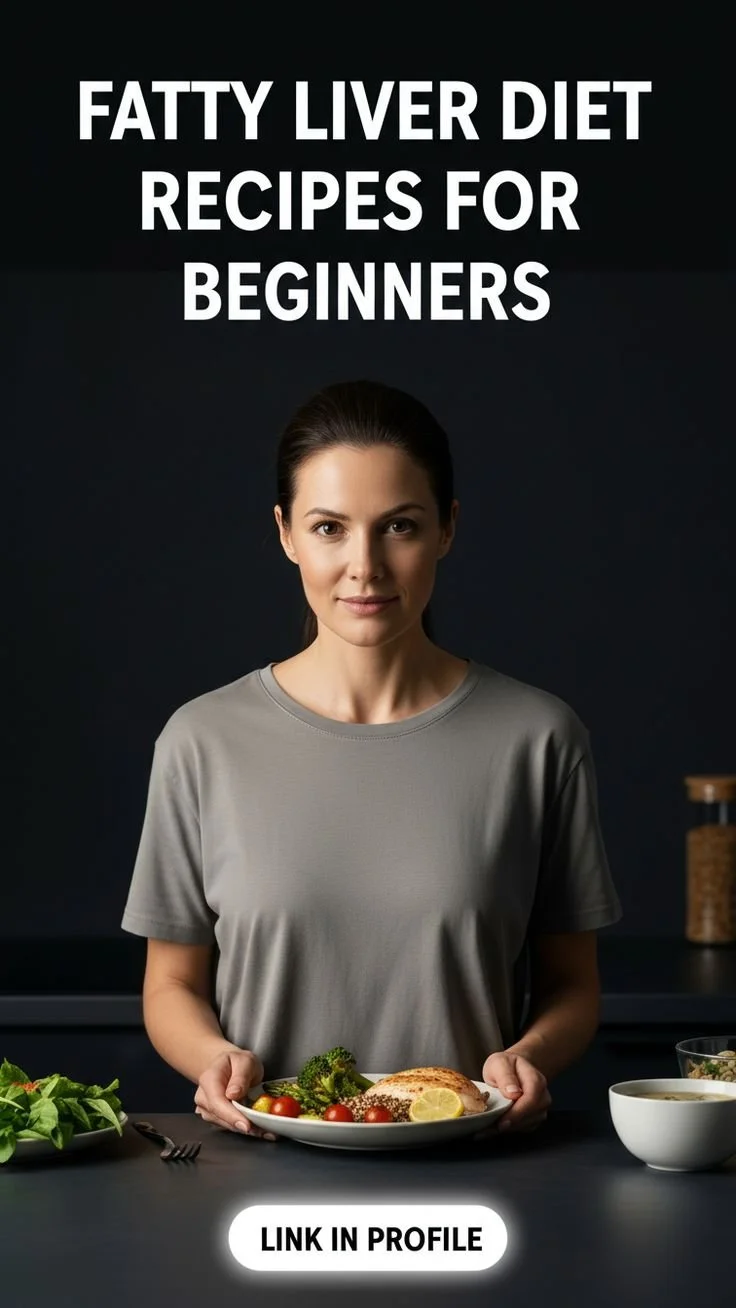
A simple, tasty 7-day meal plan designed for beginners to support fatty liver reversal through balanced, whole-food meals, portion control, and easy recipes you can repeat. This plan focuses on lean protein, fiber-rich vegetables, healthy fats, and low added sugars to reduce liver fat and inflammation.
Introduction
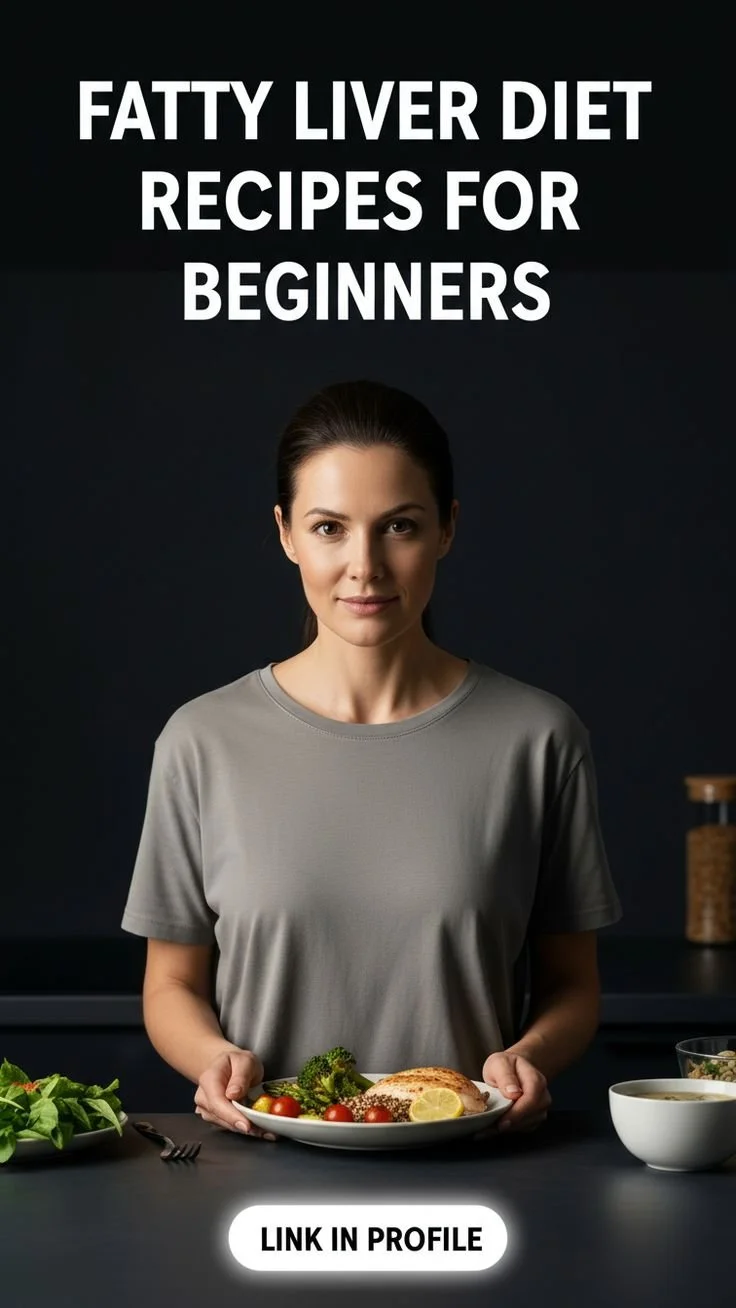
This guide lays out approachable recipes, prep tips, and a day-by-day menu so you can start improving liver health without complicated ingredients or hours in the kitchen. For a broader 7-day framework you can compare methods with this 7-day meal plan for ultimate health to adapt portions and variety to your needs.
Why this plan works
The recipes emphasize vegetables, whole grains in moderation, lean proteins (fish, poultry, legumes), and minimal processed carbs — all shown to help reduce liver fat when combined with calorie control and regular activity. If you want protein-focused swaps, see this collection of high-protein, low-calorie meals for easy substitutions that keep calories in check.
Meal-prep basics (30–60 minutes weekly)
- Batch-cook a whole grain (like quinoa or barley) and roast a tray of mixed vegetables.
- Poach or bake a few servings of salmon or chicken for quick lunches.
- Pre-portion snacks (nuts, cut veggies, Greek yogurt) to avoid impulse choices.
Small planning moves can reduce decision fatigue and keep you consistent; use a printable checklist like the 7-day detox printable guide to track meals and hydration if you prefer structured tracking.
Shopping list (essentials)
- Vegetables: leafy greens, broccoli, bell peppers, carrots, tomatoes
- Fruits: berries, apples, citrus (in moderation)
- Proteins: salmon, skinless chicken, lentils, beans, eggs
- Whole grains: quinoa, steel-cut oats, barley
- Healthy fats: olive oil, avocado, nuts, seeds
- Pantry: low-sodium broth, herbs, spices, vinegar, mustard
7-Day Beginner Menu (Breakfast / Lunch / Dinner / Snack)
Day 1
- Breakfast: Steel-cut oats with berries and a sprinkle of chia seeds
- Lunch: Grilled chicken salad with mixed greens, cherry tomatoes, and olive oil-lemon dressing
- Dinner: Baked salmon, roasted broccoli, and quinoa
- Snack: Carrot sticks with hummus
Day 2
- Breakfast: Greek yogurt with sliced apple and walnuts
- Lunch: Lentil and vegetable soup with a side salad
- Dinner: Stir-fried tofu with mixed vegetables and a small serving of brown rice
- Snack: A small handful of almonds
Day 3
- Breakfast: Veggie omelet with spinach and mushrooms
- Lunch: Quinoa salad with cucumber, tomatoes, chickpeas, and herbs
- Dinner: Baked chicken with roasted Brussels sprouts and sweet potato (moderate portion)
- Snack: Berries with a spoonful of plain yogurt
Day 4
- Breakfast: Smoothie (unsweetened almond milk, spinach, frozen berries, protein powder if desired)
- Lunch: Turkey and avocado wrap using a whole-grain tortilla and lots of greens
- Dinner: Grilled fish tacos (lettuce wraps or corn tortilla) with cabbage slaw
- Snack: Celery with nut butter
Day 5
- Breakfast: Overnight oats with cinnamon and diced pear
- Lunch: Mixed bean salad with olive oil-vinegar dressing
- Dinner: Stir-fried shrimp with mixed vegetables and cauliflower rice
- Snack: Sliced bell peppers
Day 6
- Breakfast: Cottage cheese with sliced peaches (or berries)
- Lunch: Baked falafel over mixed greens with tahini drizzle
- Dinner: Turkey meatballs in tomato sauce with spaghetti squash or whole-grain pasta (small portion)
- Snack: A boiled egg
Day 7
- Breakfast: Avocado toast on whole-grain bread with a poached egg (light on bread)
- Lunch: Vegetable-packed minestrone soup
- Dinner: Grilled chicken and a big mixed vegetable salad with a drizzle of olive oil
- Snack: Mixed nuts (small handful)
Beginner-friendly recipe notes
- Season with herbs, citrus, vinegar, and spices instead of salt-heavy sauces.
- Steam or roast vegetables to retain nutrients; avoid deep frying.
- Swap any protein for a plant-based option (beans, lentils, tofu) to increase fiber and reduce saturated fat; for more beginner-friendly swaps, check these bariatric-friendly easy recipes that also work well for simplified meal prep.
Lifestyle tips to support results
- Aim for gradual weight loss if needed (0.5–1 lb per week) — rapid dieting can stress the liver.
- Limit sugary drinks and processed snacks; replace sodas with sparkling water and citrus.
- Prioritize sleep and light daily activity (walking, cycling). Manage grocery spending by buying seasonal produce and planning meals around sales; the same budgeting mindset is taught in a practical financial independence blueprint you can adapt for grocery savings and long-term habits.
Conclusion
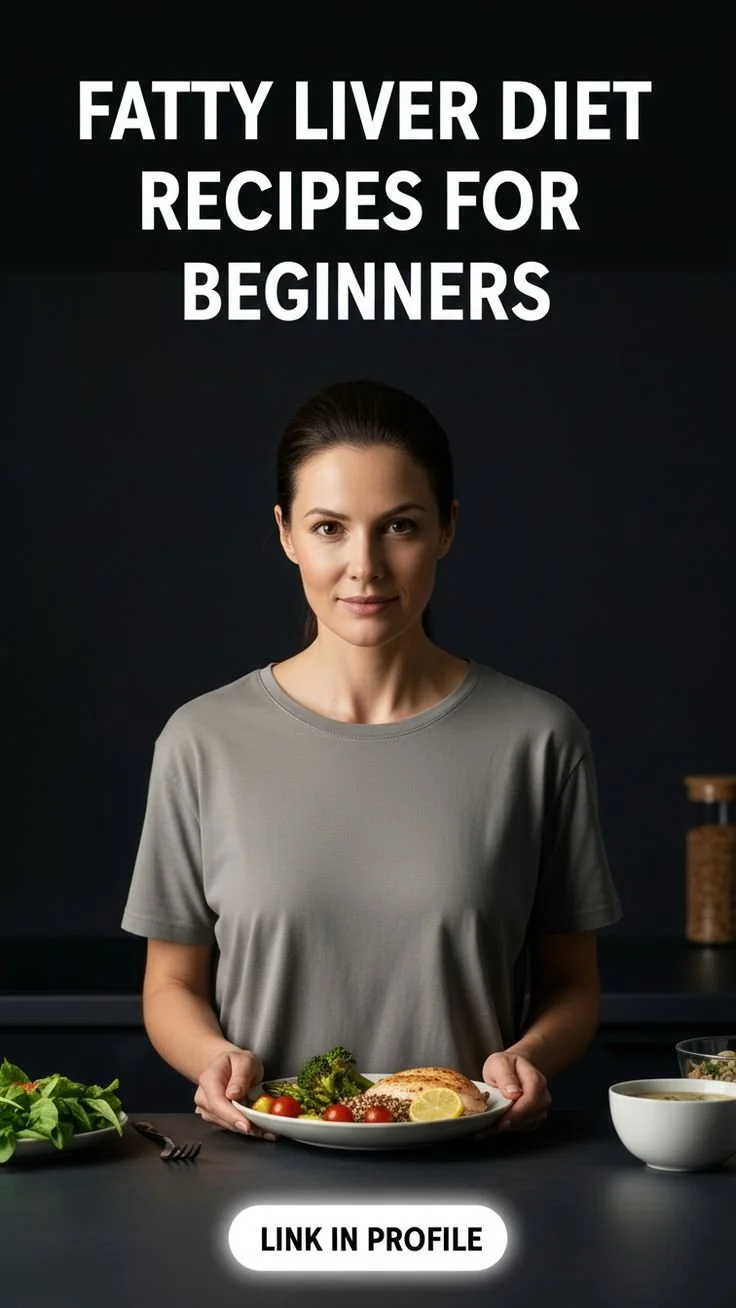
If you want an alternative 7-day structure focused specifically on fatty liver disease (NAFLD), consider reviewing Fay Nutrition’s 7-day meal plan for fatty liver disease (NAFLD) for more meal examples and medical context.



GIPHY App Key not set. Please check settings