

Fitness

This category encompasses physical activities and routines aimed at improving overall health and fitness. It includes various workouts, exercises, gym routines, yoga, and other forms of physical activity that contribute to better physical health.

Is it true that you should wait 2-3 days before training the same muscle again? Yes, it’s true. Well, maybe, kind of, sometimes, not always… read more in c0mments ⬇️⬇️

The Myth of Muscle Recovery: Should You Really Wait 2-3 Days Before Training the Same Muscle Again?

The world of fitness is filled with advice and best practices that often lead to confusion. One commonly repeated guideline is the suggestion to wait 2-3 days before training the same muscle group again. But is it completely accurate? Let’s delve into the science of muscle recovery and training frequency.

Understanding Muscle Recovery

When you engage in resistance training or any intense physical activity, you’re not just building strength and size—you’re also causing small tears in your muscle fibers. This process, known as muscle hypertrophy, is essential for growth and strength development. Your muscles need time to recover, repair, and rebuild, which is where the concept of recovery time comes into play.

The General Rule: 48-72 Hours

The idea behind waiting 2-3 days before hitting the same muscle group stems from the need for recovery. During this time, your muscles undergo repair processes and become stronger. However, it’s important to understand that this time frame is not one-size-fits-all.

Factors Influencing Recovery Time

  1. Intensity of the Workout:

    • Higher intensity workouts can lead to more significant muscle damage and longer recovery times. If you’ve pushed your limits with heavy lifting, you might need the full 72 hours to recover.
  2. Fitness Level:

    • Beginners might require more time to recover as their bodies adapt to new stresses. Conversely, seasoned lifters may recover more quickly due to better conditioning.
  3. Type of Training:

    • Different types of workouts produce different recovery demands. For example, strength training might require longer recovery than lighter, endurance-oriented sessions.
  4. Nutrition and Hydration:

    • Proper nutrition plays a critical role in recovery. Muscle repair is greatly accelerated by consuming adequate protein and staying hydrated.
  5. Sleep:

    • Quality sleep is vital for recovery. Sleep helps to repair tissues and regulate hormones that are critical for muscle recovery.

Listening to Your Body

While the 2-3 days guideline serves as a helpful benchmark, it is essential to listen to your body. Signs that you may need more recovery time include persistent soreness, fatigue, and decreased performance. On the other hand, some individuals may feel ready to work the same muscle group sooner, especially if they balance their workouts with adequate rest and nutrition.

Alternative Approaches to Training Frequency

One size does not fit all when it comes to training frequency. Here are some alternative strategies you might consider:

  • Split Training: Divide your training routine to focus on different muscle groups on different days, thereby allowing specific muscles ample recovery time while still enabling you to train frequently.

  • Full-Body Workouts: Training your entire body multiple times a week can be effective. Just ensure you’re not overloading the same muscles on consecutive days.

  • Active Recovery: Engaging in low-intensity activities, such as walking or yoga, can help enhance recovery while keeping you active.

Conclusion

So, should you always wait 2-3 days before training the same muscle group? The answer isn’t straightforward. While this guideline can be useful, it ultimately depends on various factors, including workout intensity, your fitness level, and how well you recover.

Fitness is highly individualistic, and understanding your body’s signals will guide you in making the best decision for your training routine. By being attentive and flexible with your approach, you can optimize your workouts and enjoy steady progress toward your fitness goals.

As always, for tailored advice—consider consulting a fitness professional or a personal trainer. Happy training!

Is it true that you should wait 2-3 days before training the same muscle again? Yes, it’s true. Well, maybe, kind of, sometimes, not always… read more in c0mments ⬇️⬇️ Read More »

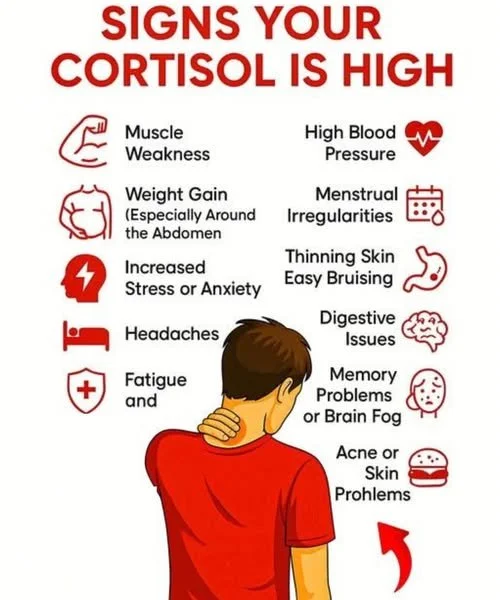
High cortisol levels signs and symptoms infographic

10 Signs That Your Cortisol Levels are Way Too High (more in comments)

10 Signs That Your Cortisol Levels Are Way Too High

Cortisol, often referred to as the "stress hormone," plays a crucial role in various bodily functions, including metabolism, immune response, and stress management. While it’s essential for our survival, consistently elevated cortisol levels can lead to a range of health issues. If you’re feeling off balance, it might be time to consider whether your stress levels are pushing your cortisol production into overdrive. Here are ten signs that your cortisol levels might be too high.

1. Persistent Fatigue

If you find yourself feeling drained despite getting enough sleep, high cortisol levels might be to blame. Elevated cortisol can disrupt your sleep patterns and lead to chronic fatigue, making it difficult to feel energized or motivated throughout the day.

2. Increased Hunger and Weight Gain

Heightened cortisol levels often lead to an increase in appetite, particularly for sugary and fatty foods. This hormone can trigger cravings and promote weight gain, especially around the abdomen, as your body retains fat in response to chronic stress.

3. Mood Swings and Anxiety

Cortisol has a profound impact on your mood. When levels are high, you may experience heightened anxiety, irritability, or mood swings. These changes can affect your overall emotional well-being and disrupt your daily life.

4. Difficulty Concentrating

High cortisol can impair cognitive functions such as memory and concentration. If you frequently find it challenging to focus or remember details, it could be a sign that your cortisol levels are affecting your brain health.

5. Digestive Issues

Elevated cortisol can disrupt your digestive process, leading to symptoms such as bloating, stomach pain, or irregular bowel movements. Your body’s stress response can impact gut health, resulting in discomfort and digestive disorders.

6. High Blood Pressure

Cortisol is known to raise blood pressure, which can increase the risk of developing cardiovascular diseases. If you’ve been diagnosed with hypertension or have been experiencing elevated blood pressure readings, consider evaluating your stress levels.

7. Frequent Illness

Chronic high cortisol can weaken your immune system, making you more susceptible to infections and illnesses. If you find yourself getting sick more often than usual, your cortisol levels could be interfering with your body’s ability to fight off pathogens.

8. Skin Changes

Cortisol can affect skin health, leading to issues such as acne, eczema, and other skin conditions. If you notice sudden changes in your skin, it could be a response to increased stress and elevated cortisol.

9. Sleep Disturbances

High cortisol levels can disrupt your sleep cycle, making it difficult to fall or stay asleep. If you’re struggling with insomnia or frequently waking in the middle of the night, stress might be playing a role in your sleeplessness.

10. Decreased Libido

Chronic stress and elevated cortisol can lead to decreased sexual desire and performance. If you’ve noticed a drop in your libido, it may be related to your body’s stress response and hormonal imbalances.

Conclusion

If you’re experiencing several of these symptoms, it may be beneficial to consult with a healthcare professional. Incorporating stress management techniques such as exercise, mindfulness, and a balanced diet can help lower cortisol levels and improve your overall well-being. Remember, taking steps to manage stress isn’t just about feeling better mentally—it’s essential for maintaining your physical health as well.

Listen to your body; high cortisol may be a signal that you need to make some lifestyle adjustments.


Further Reading

For those looking to dive deeper into the effects of cortisol and stress management techniques, consider exploring additional resources on nutrition, mindfulness practices, or stress-reducing exercises. Your health journey is unique, and understanding the signs your body gives you is key to achieving balance.

10 Signs That Your Cortisol Levels are Way Too High (more in comments) Read More »

Person performing neck stretches to alleviate stiff neck and upper back pain.

15 Stretches to Relieve a Stiff Neck, Tight Shoulders, and Upper Back Pain

15 Stretches to Relieve a Stiff Neck, Tight Shoulders, and Upper Back Pain

A stiff neck, tight shoulders, and upper back pain are common for people who work at desks, carry heavy bags, or spend long hours on screens. Regularly doing targeted stretches can reduce tension, improve posture, and prevent recurring discomfort. If you’re interested in how movement and mindset interact when building long-term habits, this reflection on fitness and life can be a helpful companion: A Letter to My Younger Self on Bodybuilding and Life.

Below are 15 effective stretches you can do almost anywhere. Hold each stretch for 20–45 seconds, breathe slowly and deeply, and repeat 2–3 times per side where applicable. Move gently into each position — you should feel tension release, not sharp pain. If you have a diagnosed injury or severe pain, check with a healthcare professional first.

  1. Chin Tucks
  • How: Sit tall. Gently draw your chin straight back (making a “double chin”), keeping eyes level. Hold and relax.
  • Benefits: Strengthens deep neck muscles and reduces forward-head posture.
  1. Upper Trapezius Stretch
  • How: Sit or stand. Tilt your head to one side as if bringing your ear to your shoulder. For a deeper stretch, place the same-side hand on top of your head and apply light pressure.
  • Benefits: Releases tension along the side of the neck.
  1. Levator Scapulae Stretch
  • How: Rotate head 45 degrees to the side, then tuck your chin and look down toward your armpit. Use your hand to gently increase the stretch.
  • Benefits: Targets the muscle that runs from the neck to the shoulder blade.
  1. Scalene Stretch
  • How: Sit tall. Grip the bottom of your chair with one hand to anchor your shoulder, tilt your head to the opposite side and slightly backward to feel a stretch in the front/side of the neck.
  • Benefits: Helps with neck stiffness often caused by poor posture.
  1. Doorway Pec Stretch
  • How: Stand in a doorway, place forearms on the door frame at shoulder height, and gently lean forward until you feel a stretch across your chest.
  • Benefits: Opens tight chest muscles that pull shoulders forward.
  1. Cross-Body Shoulder Stretch
  • How: Bring one arm across your chest and use the opposite arm to press it closer to your body.
  • Benefits: Stretches the rear deltoid and upper shoulder area.
  1. Shoulder Rolls
  • How: Slowly roll both shoulders up, back, and down in a circular motion; reverse the direction after several repetitions.
  • Benefits: Improves movement in the shoulder girdle and encourages mobility.
  1. Neck Rotation
  • How: Slowly turn your head to look over one shoulder, hold, then return to center and repeat the other side.
  • Benefits: Relieves stiffness and maintains neck mobility.
  1. Cat-Cow (for upper back mobility)
  • How: On hands and knees, alternate arching the back up (cat) and sinking the chest forward (cow), moving smoothly with your breath.
  • Benefits: Mobilizes the entire spine and releases upper back stiffness.
  1. Thread-the-Needle
  • How: From hands and knees, slide one arm underneath the body and rest your shoulder and head on the floor, twisting the thoracic spine. Return and repeat on the other side.
  • Benefits: Excellent for thoracic rotation and upper-back tension.
  1. Eagle Arms (Garudasana arms)
  • How: Wrap one arm under the other at the elbows and bring palms together if possible; lift elbows and lengthen the spine.
  • Benefits: Targets the upper back between the shoulder blades.
  1. Wall Angels
  • How: Stand with your back against a wall. With elbows and wrists touching the wall, slide arms up and down like making a snow angel.
  • Benefits: Strengthens scapular stabilizers and improves posture.
  1. Foam Roller Thoracic Extension
  • How: Place a foam roller horizontally under the upper back, support your head, and gently extend over the roller. Move it slightly up and down to target different segments.
  • Benefits: Opens the chest and decompresses the thoracic spine.
  1. Seated Thoracic Twist
  • How: Sit tall, cross arms over chest, rotate your torso to look over one shoulder, using gentle force from your core. Repeat each side.
  • Benefits: Improves mid-back mobility and eases stiffness.
  1. Corner Lat Stretch
  • How: Stand facing a corner, place forearms on each wall, and lean your chest toward the corner while keeping the pelvis neutral.
  • Benefits: Stretches the lats and side of the upper back that can contribute to shoulder tightness.

Quick routine sample (10–15 minutes)

  • Warm-up: Shoulder rolls and neck rotations (1–2 minutes)
  • Mobilize: Cat-cow and thread-the-needle (2–3 minutes)
  • Stretch sequence: Doorway pecs, cross-body shoulder, levator scapulae, and corner lat stretch (2 sets each, 30–40 seconds)
  • Finish: Wall angels and chin tucks to reinforce posture (1–2 minutes)

Tips for better results

  • Breathe: Exhale as you move into each stretch and inhale while holding. Controlled breathing facilitates relaxation.
  • Consistency: Do these stretches daily or after long periods of sitting. Small, frequent sessions beat rare, long sessions.
  • Combine with movement: Pair stretches with strengthening of the upper back and shoulder stabilizers to prevent recurrence. For guidance on calm, structured routines that blend flexibility and mindfulness, you might find this yoga guide useful: Harmony of Body and Mind — The Ultimate Guide to Yoga Routines.
  • Ergonomics: Adjust your workspace — monitor at eye level, chair at proper height, and take micro-breaks every 30–60 minutes.
  • Progress slowly: Increase stretch intensity gradually. If you feel numbness, tingling, or worsening pain, stop and consult a professional.

When to see a professional

  • If pain is severe, persistent, or accompanied by weakness, numbness, radiating pain down the arms, or recent trauma, seek medical attention or physical therapy.

Conclusion

If you want a broader set of exercises that combine stretches, strengthening moves, and mobility drills specifically for the upper back, neck, and shoulders, check out this helpful collection: 19 Exercises for Upper Back Pain, Neck Pain, Tight Shoulders.

15 Stretches to Relieve a Stiff Neck, Tight Shoulders, and Upper Back Pain Read More »

A person showcasing their visible abs through a fitness routine and healthy diet.

Visible abs

How to Get Visible Abs: A Practical, Sustainable Guide

Visible abs are a combination of muscle development, low body fat, and consistent habits. While “six-pack” appeal is often aesthetic, the work involved improves posture, athletic performance, and core strength. This guide breaks down the realistic steps to make your abs show — without falling for quick fixes or extreme diets.

What “Visible Abs” Really Means

Having visible abs means two things:

  • Your abdominal muscles are developed enough to create definition.
  • Your overall body fat is low enough for that definition to show through the skin.

Training the rectus abdominis, transverse abdominis, and obliques all contribute to a cleaner, more defined midsection. If you want targeted ideas for your side abs, check this list of the best oblique exercises to balance your core work.

Anatomy and Why It Matters

Understanding the muscles helps you train them effectively:

  • Rectus abdominis: the “six-pack” muscle running down the front.
  • External and internal obliques: run along the sides and control rotation, side-bending and core stability.
  • Transverse abdominis: deep muscle that stabilizes the spine and compresses the abdomen.

Training should address both visible muscle development (hypertrophy) and deep stability so your midsection looks toned and functions well.

Nutrition: The Primary Driver of Visibility

No amount of ab training can outwork a calorie surplus if your goal is visible abs. Key points:

  • Create a modest caloric deficit for fat loss (0.5–1% body weight per week is a sustainable target).
  • Prioritize lean protein to preserve muscle while cutting.
  • Fill meals with vegetables, whole grains, and healthy fats for satiety and micronutrients.
  • Track progress and adjust calories rather than chasing extreme restrictions.

Hydration and sodium management can temporarily affect how “flat” your midsection looks, but long-term fat loss is what reveals abs.

Training Strategy: Strength, Volume, Progression

Make ab training purposeful:

  • Train core 2–4 times per week with a mix of loaded and bodyweight exercises.
  • Include progressive overload: add resistance, increase time under tension, or raise reps.
  • Combine compound lifts (squats, deadlifts, overhead presses) that stress the core with focused ab movements.

For advanced bodyweight progressions and moves that build real abdominal strength, consider training elements like the dragon flag and hip raise to increase intensity safely — this resource shows how to approach those at home: dragon-flag and hip-raise progressions.

Cardio and Conditioning

Cardio can accelerate fat loss but isn’t mandatory if you maintain a calorie deficit through diet and resistance training. Use:

  • High-intensity interval training (HIIT) for time-efficient calorie burn and metabolic stimulus.
  • Low-intensity steady state (LISS) for active recovery and extra calorie expenditure without taxing recovery.

Mix modalities to avoid plateaus and keep your metabolism responsive.

Lifestyle Factors: Sleep, Stress, Consistency

  • Sleep: Aim for 7–9 hours. Poor sleep disrupts hormones that regulate appetite and fat storage.
  • Stress management: Chronic stress elevates cortisol which can complicate fat loss for some people.
  • Consistency: Visible abs typically require months of consistent diet and training, not days or a single workout routine.

Common Mistakes to Avoid

  • Doing endless crunches without addressing diet or whole-body training.
  • Chasing spot reduction — you can’t pick where fat comes off.
  • Jumping between extreme diets that cause rebound weight gain.
  • Forgetting recovery — overtraining can stall progress.

Short Sample Weekly Plan (Beginner)

  • 3 strength sessions (full-body focus, including heavy compound lifts)
  • 2 dedicated core sessions (planks, hanging knee raises, weighted crunch variations)
  • 2 cardio/conditioning sessions (one HIIT, one LISS)
  • Daily attention to protein intake and a small calorie deficit if fat loss is the goal

Mindset: Realistic Timelines

Visible abs depend on starting body composition. For some, a few weeks of focused work will produce noticeable change; for others, it may take months. Focus on sustainable habits, measurable progress, and strength gains rather than purely aesthetic timelines.

Conclusion

If you want a reliable primer on what six-pack abs actually entail and sensible ways to get there, read this overview on 6-Pack Abs: What They Mean and How to Get Them (6-Pack Abs: What They Mean and How to Get Them). It complements the training and nutrition strategies above with practical, evidence-based advice.

Visible abs Read More »

Image showcasing 筋肉 development and training techniques.

Pin en 筋肉

Title: Pin en 筋肉 — Caring for Trigger Points and Everyday Muscle Health

Introduction
Muscles do more than produce movement; they store tension, react to stress, and hold the story of our daily habits. The phrase "Pin en 筋肉" evokes the idea of pinpointing muscle issues—finding the sore spot, treating it, and preventing recurrence. Whether you lift weights at the gym, sit at a desk all day, or carry stress in your shoulders, understanding how to locate and manage tightness matters. For those who treat regular workouts as part of life, the culture of the gym can shape habits and recovery routines—see how gym priorities influence daily care with this look at gym life. the gym is better than a girlfriend

What is a "pin" in muscle?
When people say they feel a "pin" or pinpoint pain in a muscle, they often mean a trigger point: a tight, tender spot within a taut band of muscle fibers. Trigger points can refer pain to nearby areas, limit range of motion, and increase muscle fatigue. They form from overuse, poor posture, trauma, or prolonged tension (for example, hunching over devices).

Recognizing common trigger-point patterns
Certain muscles are frequent offenders:

  • Trapezius and levator scapulae: produce neck and shoulder stiffness.
  • Upper back and rhomboids: cause mid-back tightness when posture is poor.
  • Gluteus medius and piriformis: refer pain into the hip and down the leg.
  • Calves and hamstrings: tighten from running or standing for long periods.

Identifying these patterns helps you target treatment and adjust activities that provoke pain.

Assessment and safe self-care
To find a trigger point, press along the muscle belly and notice spots that reproduce the pain and feel denser or more nodular than surrounding tissue. When treating yourself:

  • Apply sustained pressure for 20–60 seconds, breathing slowly. Stop if pain sharply increases.
  • Use tools like massage balls or foam rollers to control pressure safely.
  • Combine pressure with gentle stretching afterward to restore length.

If pain persists or worsens, seek evaluation from a physical therapist or medical provider.

Simple prevention strategies
Prevention pays off. Integrate these habits:

  • Regular movement breaks to interrupt static postures.
  • Strengthening of weak opposing muscles to balance the body.
  • Progressive loading in workouts to avoid sudden overload.
  • Hydration, sleep, and stress management to support recovery.

Targeted exercises for neck and shoulders
Neck and shoulder triggers are common in desk workers. Gentle mobility and strengthening can ease tension and reduce recurrence. For a set of practical moves specifically aimed at easing neck and shoulder tension, try these recommended routines that combine mobility, scapular control, and postural strengthening. 11 exercises ease tension neck shoulders

When to seek professional help
Consult a clinician if:

  • Pain radiates beyond typical patterns (numbness, tingling, or weakness).
  • Pain follows a fall or acute injury.
  • Self-care fails after several weeks.
    Professionals can differentiate trigger points from nerve entrapments, joint problems, or systemic causes and provide modalities like manual therapy, dry needling, or guided exercise programs.

Lifestyle adjustments that help
Small daily changes make a big difference:

  • Ergonomic workstation setup to keep shoulders relaxed.
  • Regular short walks or movement breaks during long sitting periods.
  • Mindful breathing and relaxation to reduce muscular guarding.
  • Balanced exercise that includes flexibility and eccentric strength work.

Conclusion

For targeted, over-the-counter relief when you have a localized sore spot, consider trying a product designed to act on pinpoint pain. One option to explore is the サロンパス®ツボコリ®パッチ|コリや痛みにピンポイント®で効く, which is marketed for precise application to stubborn knots and discomfort.

Pin en 筋肉 Read More »

28 CLUB UK apparel collection for your adventures.

Apparel to fuel your odyssey. | 28 CLUB UK

Apparel to fuel your odyssey — a closer look at 28 CLUB UK

Introduction
Apparel can be more than fabric; it’s the engine that propels your daily odyssey, whether that’s a commute, a gym session, or an all-day creative streak. 28 CLUB UK captures that ethos with pieces designed for motion, mood, and moments. If you’re pairing performance wear with a focused training plan, resources like mastering strength training can help you get the most from what you wear and how you move.

Performance and design: form follows function
What sets odyssey-driven apparel apart is how design decisions map to real use. Look for:

  • Articulated seams and stretch zones that follow joint movement.
  • Breathable meshes and moisture-wicking finishes in high-heat areas.
  • Minimal bulk with strategic layering options so pieces work across climates.

28 CLUB UK’s approach leans into subtle branding and refined silhouettes that don’t sacrifice utility for looks — a balance that lets you transition from training to town without changing outfits.

Materials and sustainability
High-performance garments are only as responsible as the materials they use. Recycled polyesters, responsibly sourced cotton blends, and PFC-free DWR finishes reduce environmental impact while keeping functionality high. If you’re also refining habits around training and wellbeing, guides like unlocking your fitness potential align nicely with choosing gear that supports a longer-term, healthier routine.

Styling tips: build a capsule for movement
Create a capsule that supports spontaneity:

  • Start with a neutral base (black, navy, or charcoal) and add one accent color.
  • Invest in a versatile mid-layer that works both as insulation and as a style piece.
  • Choose footwear that matches your primary activity but can double as street-ready.

Care and longevity: extend the life of your odyssey kit
To get the most from performance pieces:

  • Wash less frequently and on gentle cycles.
  • Use mild detergents and avoid fabric softeners that clog technical fabrics.
  • Repair small issues (replace a zipper pull, re-stitch a seam) before they force a full replacement.

Beyond the garment: community and confidence
Apparel fuels more than physical movement — it fuels confidence. Brands like 28 CLUB UK design with a communal mindset, creating apparel that fits into the routines and rituals of people on the move. That sense of belonging can be as motivating as any performance feature.

Conclusion

Every odyssey benefits from a soundtrack and a vibe — the right gear supports your body, and the right music fuels the journey. For a dose of high-energy inspiration to match your apparel-fueled pursuits, check out Metallica.

Apparel to fuel your odyssey. | 28 CLUB UK Read More »

Weight loss tips for obese women that gave real results.

Weight loss tips for obese women that actually worked. I tried them.

Weight loss tips for obese women that actually worked — I tried them

I spent years trying every quick fix and fad, then slowly learned what really moved the needle for me. This article shares practical, evidence-minded changes that helped me lose weight sustainably as an obese woman — with real-life caveats, small steps, and what I’d do differently. Early on I focused on rebuilding confidence and functional strength (you can read more about approaches to building strength in women here), which made all the daily tasks easier and motivated me to keep going.

Below are the tactics that worked for me, why they worked, and how to adapt them to your life.

1) Start with tiny, specific goals

Big goals feel inspiring but are easy to abandon. Instead:

  • Choose one micro-goal for 2–4 weeks (e.g., walk 10 minutes after dinner 5 days a week).
  • Track it in a simple habit tracker or calendar.
    Why it worked for me: small wins built momentum and lowered decision fatigue. After a month I naturally increased duration.

2) Prioritize movement you enjoy (not punishment)

Movement doesn’t have to be high-intensity or humiliating. I tried classes that weren’t for me and quit; then I found:

  • Low-impact cardio (brisk walking, pool laps, cycling)
  • Beginner strength routines focusing on compound movements
  • Dance or chair-based workouts for bad-joint days
    Doing activities I looked forward to made consistency possible. Even 150 minutes of moderate activity per week delivered benefits when sustained.

3) Use strength training to protect and build muscle

Strength training changed my body composition and made daily life easier. My approach:

  • 2–3 full-body sessions per week, 20–40 minutes each
  • Focus on squats, deadlifts (or hip-hinge variations), rows, push movements, and core work
  • Progressive overload: gradually increase reps, sets, or difficulty
    Benefits: better posture, increased resting energy expenditure, less joint pain. If you’re unsure where to start, a certified trainer for a few sessions can teach safe form.

4) Tame the food environment — not willpower alone

Willpower is finite; environment is powerful. Practical swaps that helped:

  • Remove trigger foods from immediate reach; keep healthy snacks visible
  • Prep simple meals and portions on Sundays (roasted veggies, protein, grains)
  • Use smaller plates and plan meals so hunger doesn’t drive impulsive choices
    I also learned to let myself have small portions of favorite foods to avoid feeling deprived.

5) Focus on protein and fiber for satiety

Higher-protein meals and fiber-rich foods kept me full longer:

  • Aim for a protein source at each meal (eggs, lean meat, legumes, tofu, Greek yogurt)
  • Prioritize vegetables, whole fruits, legumes, and whole grains for fiber
    This combo helped reduce late-night snacking and stabilized energy.

6) Learn to track in a way that fits your life

Tracking can be paper, an app, or a photo log. I used a simple habit log and occasional calorie checks:

  • Track for short windows (2–4 weeks) to learn patterns, then relax tracking once habits improve
  • Use photos of meals when you don’t want calorie counting but want awareness
    Tracking taught me where calories snuck in (drinks, sauces, snacks) without turning food into an enemy.

7) Sleep, stress, and recovery are non-negotiable

Poor sleep and chronic stress sabotage appetite hormones and motivation:

  • Prioritize 7–9 hours when possible
  • Build a wind-down routine: limit screens, dim lights, and consistent bedtimes
  • Add daily small stress-relief moments (breathing, short walks, journaling)
    When sleep improved, cravings decreased and workouts felt easier.

8) Use flexible structure, not rigid rules

Rigid diets often backfire. I adopted a flexible plan:

  • Create a daily structure (protein at meals, vegetables, planned treat)
  • Allow for social events and one-off indulgences without guilt
    This helped me stick with changes long-term because life didn’t feel on hold.

9) Try evidence-based variations cautiously and get informed

People will recommend diets like low-carb, keto, intermittent fasting, or plant-based approaches. I experimented carefully and learned:

  • Some approaches worked short-term but weren’t sustainable for me
  • Medical conditions, medications, and personal preferences matter
    For practical guidance on fueling strategies and timing, I used resources that explained the science and real-world tips for steady energy and recovery here.

10) Build a support system and celebrate non-scale victories

Weight is one measure, but improvements in stamina, mood, clothing fit, and daily function are huge wins:

  • Share goals with a friend or group for accountability
  • Track improvements like walking distance, sleep quality, or how clothes fit
    Celebrating these wins prevented discouragement when the scale stalled.

11) Be patient and iterate

Expect plateaus and imperfect weeks. Each setback provided data:

  • Reassess: Did I need more movement, sleep, or a meal tweak?
  • Adjust one variable at a time (e.g., increase protein, change workout intensity)
    This experimental mindset reduced shame and encouraged learning.

Practical week-one plan to try

  • Day 1–7: Walk 10–20 minutes after dinner 5 days; add one 20-minute strength session.
  • Prep 3 lunches with a protein + veggie + whole grain template.
  • Track steps and a simple food/photo log for awareness.
  • Prioritize bedtime; aim for same sleep time each night.

What I wish I knew earlier

  • Small consistency beats big, unsustainable efforts.
  • Muscle matters — don’t fear strength training.
  • Mental health support and realistic medical advice speed progress.
  • There’s no single “perfect” diet; find a pattern you can live with.

Conclusion

If you’re curious about specific diets like ketogenic approaches, it’s helpful to read balanced, expert-reviewed resources before deciding. For a clear overview on whether keto might be right for you and the potential benefits and risks, see this Harvard Health article: Should you try the keto diet?

If you want, tell me your current routine and I’ll suggest a personalized, realistic 4-week plan.

Weight loss tips for obese women that actually worked. I tried them. Read More »

Five simple life changes to help you lose belly fat and improve health.

Five Simple Life Changes That Will Help You Lose Belly Fat Are Easy Weight Loss Tips ✅(Follow This)✅

Five Simple Life Changes That Will Help You Lose Belly Fat — Easy Weight Loss Tips

Introduction
Losing belly fat is less about drastic diets and more about consistent small changes that add up. Before diving in, it’s helpful to know the difference between shedding pounds on the scale and losing actual body fat; understanding the nuances of weight loss vs fat loss will keep your expectations realistic and your approach effective. Below are five straightforward, science-backed adjustments you can adopt today to reduce abdominal fat and improve overall health.

  1. Prioritize Protein at Every Meal
    Why it helps: Protein increases satiety, preserves lean muscle during weight loss, and boosts the thermic effect of food (calories burned during digestion). Maintaining or building muscle also raises resting metabolic rate, which helps with body fat reduction.
    How to do it:
  • Aim for a palm-sized portion of high-quality protein (chicken, fish, eggs, legumes, dairy, or tofu) at each meal.
  • Include a protein-rich snack like Greek yogurt or a small handful of nuts between meals when hungry.
  • If you’re new to tracking macros, start by ensuring 20–30 g of protein per meal as a practical target.
  1. Move More Throughout the Day (Not Just Exercise)
    Why it helps: Non-exercise activity thermogenesis (NEAT) — the energy spent on daily tasks like walking, fidgeting, and household chores — can be a major determinant of total daily calorie burn.
    How to do it:
  • Break up sitting time every 30–60 minutes with 2–5 minutes of walking or stretching.
  • Park farther, take stairs, or use a standing desk for part of the day.
  • Add short walking sessions after meals to help blood sugar control and digestion.
  1. Strength Train Twice a Week
    Why it helps: Resistance training helps preserve or increase muscle mass while you lose fat, shaping the midsection and improving posture. Over time, this contributes to a leaner look even if the scale moves slowly.
    How to do it:
  • Focus on compound movements (squats, deadlifts, rows, presses) that engage multiple muscle groups.
  • Two to three sessions per week of 20–40 minutes each is enough for most beginners to see meaningful change.
  • If you’re unsure where to start, seek a short plan or certification-backed guidance — or take inspiration from seasoned lifters and coaches like those found in long-form reflections such as this letter to my younger self on bodybuilding and life.
  1. Prioritize Sleep and Stress Management
    Why it helps: Chronic sleep deprivation and elevated stress increase cortisol, which is linked to accumulation of visceral (deep abdominal) fat and stronger cravings for sugary, high-calorie foods.
    How to do it:
  • Aim for 7–9 hours of quality sleep per night. Set a consistent bedtime and wake time.
  • Build a wind-down routine (limit screens before bed, read, practice deep breathing).
  • Use practical stress-reduction tools: short mindfulness sessions, brisk walks, or scheduling small, enjoyable activities into your week.
  1. Make Smart, Sustainable Food Swaps
    Why it helps: You don’t have to eliminate favorite foods; swapping a few items can reduce calories and improve fullness without feeling deprived.
    How to do it:
  • Replace sugary drinks with water, sparkling water, or unsweetened tea.
  • Swap refined carbohydrates (white bread, pastries) for whole-food alternatives (oats, brown rice, sweet potatoes) that provide fiber and steady energy.
  • Use portion-aware plating: fill half your plate with vegetables, one-quarter with lean protein, and one-quarter with a starchy or grain component.

Small Habits, Big Results
Consistency beats perfection. Implementing one of these changes at a time and keeping it sustainable will lead to long-term shifts in body composition. Track progress with measurements and how clothes fit rather than relying only on the scale; losing belly fat often happens gradually as you build habits.

Conclusion

Meal prepping and handling food safely are part of a sustainable approach to diet change. For simple guidance on safe food handling while preparing meals at home, review the official resource on 4 Steps to Food Safety.

Five Simple Life Changes That Will Help You Lose Belly Fat Are Easy Weight Loss Tips ✅(Follow This)✅ Read More »

It seems like the friction between hardcore supporters of weight training and hardcore supporters of bodyweight training has existed since the beginning of time. One group says lifting weights is al…

The Age-Old Debate: Weight Training vs. Bodyweight Training

It seems like the friction between hardcore supporters of weight training and hardcore supporters of bodyweight training has existed since the beginning of time. These two factions often find themselves at odds, each claiming that their method is the superior path to fitness.

The Weightlifting Warriors

Proponents of weight training, often affectionately dubbed "the weightlifting warriors," argue that lifting weights is the ultimate way to build muscle mass and strength. They tout the benefits of structured routines, measurable progression, and the variety of equipment available at the gym. Here are some key arguments in favor of weight training:

  • Muscle Hypertrophy: Weight training allows for targeting specific muscle groups with precision, promoting muscle growth (hypertrophy) effectively.
  • Strength Gains: Progressive overload, achieved by incrementally increasing weights, leads to significant enhancements in strength over time.
  • Equipment Variety: The diverse range of machines, free weights, and accessories caters to different fitness levels, goals, and preferences.
  • Performance Benchmarks: Lifting heavy weights provides clear benchmarks and goals for athletes aiming to improve their performance.

However, critics often point out the potential drawbacks of weight training, such as the risk of injury if proper form is not maintained and the expense of gym memberships and equipment.

The Bodyweight Believers

On the other side of the spectrum, the "bodyweight believers" assert that bodyweight training offers a full-body workout that is often more functional and accessible. They emphasize the importance of mastering one’s own body before relying on external weights. Here are some perks of bodyweight training:

  • Functional Strength: Bodyweight exercises often mimic real-life movements, enhancing functional strength and overall athleticism.
  • Accessibility: This method requires minimal to no equipment, making it an ideal choice for those who prefer to work out at home or find a gym cramped and intimidating.
  • Low Impact: Many bodyweight exercises can be gentle on the joints, reducing the risk of injuries often associated with heavy weightlifting.
  • Versatility: The multitude of variations available in bodyweight exercises means that workouts can continually challenge the body and prevent plateaus.

Yet, skeptics of bodyweight training argue that it can sometimes limit progression for those seeking to build maximal strength and muscle mass, particularly for advanced trainees.

Finding Common Ground

Despite the divisive opinions, it’s essential to recognize that both forms of training have their merits and shortcomings. The ideal fitness philosophy may not lie in adhering strictly to one approach, but rather in a balanced integration of both methods. Here’s how enthusiasts can combine the two:

  • Contemporary Routines: Incorporating both weight training and bodyweight exercises into a single routine can optimize overall fitness, strength, and muscle definition.
  • Complementary Skills: While lifting weights can enhance controlled strength, bodyweight exercises can improve core stability and flexibility, essential for effective lifting.
  • Mobility and Recovery: Bodyweight training can serve as an excellent low-impact recovery tool for those who lift heavy weights, keeping the body mobile and agile.

Conclusion

Ultimately, whether you’re a weightlifting warrior or a bodyweight believer, the most important factor is to find what works best for you and your unique fitness goals. The diverse world of training methodologies offers something for everyone, and embracing a holistic approach can lead to more sustainable results, improved health, and a greater enjoyment of physical fitness. So, rather than getting caught up in the age-old debate, let’s celebrate the myriad ways we can move our bodies, challenge ourselves, and become the fittest versions of ourselves.

It seems like the friction between hardcore supporters of weight training and hardcore supporters of bodyweight training has existed since the beginning of time. One group says lifting weights is al… Read More »

Weight loss vs fat loss – are they the same thing ? Read below to find out

Weight Loss vs Fat Loss: Are They the Same Thing?

When embarking on a journey to improve health, it’s common to hear terms like "weight loss" and "fat loss" thrown around interchangeably. However, understanding the distinction between these two concepts is crucial for achieving your fitness goals effectively. In this article, we will explore the differences and similarities between weight loss and fat loss, helping you make informed decisions on your path to a healthier you.

What is Weight Loss?

Weight loss refers to a decrease in your overall body mass. This metric includes everything that contributes to your weight, such as fat, muscle, water, and even the content of your stomach. Weight loss can occur due to various reasons, including changes in diet, exercise habits, or even illness.

Key Points about Weight Loss:

  • Total Body Mass: Weight loss encompasses all components of your body weight.
  • Temporary Changes: Weight fluctuations can occur due to water retention, which may not reflect actual fat loss.
  • Measuring Progress: Tracking weight on a scale can sometimes be misleading. A drop in numbers can stem from factors like dehydration or muscle loss rather than a reduction in fat.

What is Fat Loss?

Fat loss, on the other hand, specifically refers to a reduction in the amount of fat stored in the body. Focusing on fat loss is often a more meaningful goal for those looking to improve their body composition and overall health. Unlike weight loss, fat loss emphasizes the importance of maintaining or building muscle mass while reducing fat.

Key Points about Fat Loss:

  • Focus on Body Composition: Fat loss targets the reduction of adipose tissue while preserving lean body mass.
  • Sustainable Changes: Achieving fat loss typically involves lifestyle changes that promote healthier habits, like better nutrition and regular physical activity.
  • Impact on Appearance: Reducing body fat can lead to a toned appearance, even if your weight does not significantly change.

The Relationship Between Weight Loss and Fat Loss

While weight loss and fat loss are distinct concepts, they are interconnected. When you embark on a weight loss program, it’s very likely that you will also experience fat loss, provided that your approach involves a balanced diet and exercise routine. However, the challenge lies in ensuring that the weight you lose primarily comes from fat rather than muscle or water.

Strategies for Successful Fat Loss:

  1. Strength Training: Incorporating resistance exercises helps build and maintain muscle mass, which can aid fat loss.
  2. Balanced Diet: Focus on nutrient-dense foods that promote satiety without excessive calories — think whole grains, lean proteins, healthy fats, and plenty of fruits and vegetables.
  3. Stay Hydrated: Drinking sufficient water supports metabolic functions and can also help with appetite control.
  4. Consistent Exercise: Regular aerobic activity can increase daily energy expenditure, contributing to fat loss over time.

Conclusion

Understanding the differences between weight loss and fat loss is essential for anyone looking to improve their health. While they may seem alike on the surface, their implications and methods for achievement vary greatly. Emphasizing fat loss over general weight loss can lead to better health outcomes, improved appearance, and a more sustainable approach to maintaining a healthy lifestyle.

As you pursue your fitness goals, remember that the focus should be on creating a balanced approach that encourages not just any loss on the scale but meaningful changes to your body composition. By doing so, you can foster a healthier relationship with food, exercise, and your body overall. Happy journeying toward better health!

Weight loss vs fat loss – are they the same thing ? Read below to find out Read More »

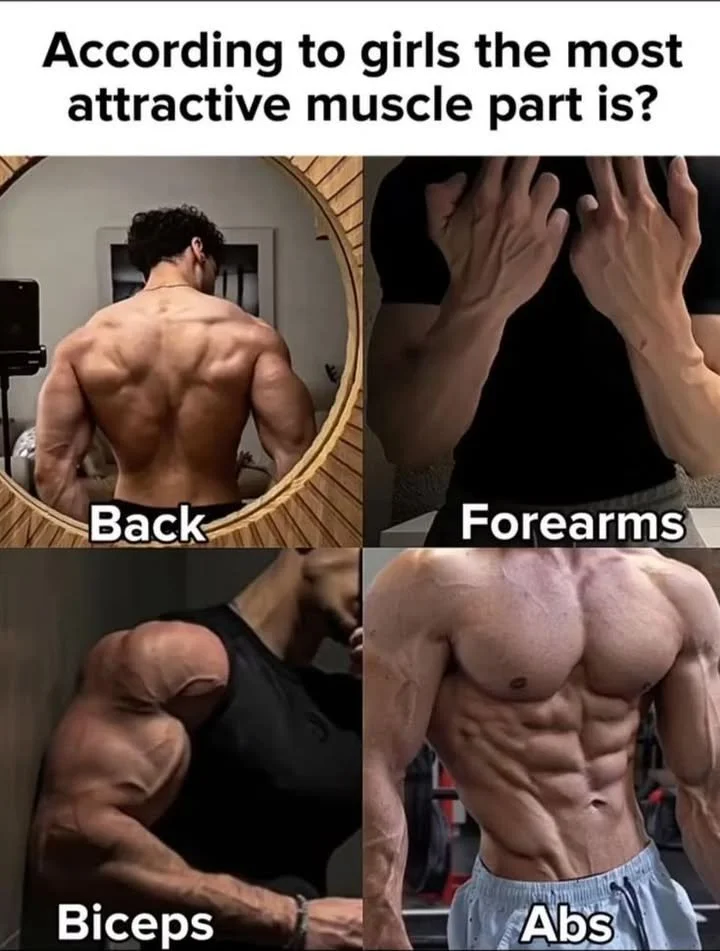
Women Rate: Top 10 Male Bodyparts That They Find Attractive (more in c0mments)

Women’s Perspective: The Top 10 Male Body Parts They Find Attractive

Attraction is a multifaceted phenomenon that varies from person to person. When it comes to physical features, women often have their preferences that can significantly influence their attraction to men. In this article, we’ll explore the top 10 male body parts that women find appealing, based on various surveys and discussions. Let’s dive into the details!

1. Smile

A genuine, captivating smile can light up a room and draw people in. Women appreciate men who take care of their dental hygiene and can share a warm, infectious smile. It conveys confidence and friendliness, making it one of the most attractive features.

2. Eyes

“Windows to the soul” is a well-known phrase for a reason. Eyes can express a range of emotions and connect people deeply. Whether it’s intense blue, deep brown, or striking green, women often find themselves captivated by a man’s gaze and the stories his eyes tell.

3. Arms

Well-defined arms can signify strength and protection. Women are often attracted to muscular arms, which can evoke feelings of safety and reliability. Men who engage in weight training or sports typically have well-toned arms that catch the eye.

4. Chest

A fit and sculpted chest is often seen as a symbol of masculinity. A well-proportioned chest can enhance a man’s physique, making it more appealing. Women appreciate a man who is committed to physical fitness, and a strong chest is often a reflection of that lifestyle.

5. Back

A broad, strong back is both attractive and conveys strength. This feature is often highlighted in tailored shirts or when wearing athletic gear. A well-defined back can indicate that a man takes care of his body and is physically active.

6. Hands

The appearance of a man’s hands can tell a story of their own. Strong, well-groomed hands are often seen as attractive. Whether it’s from holding hands or performing physical tasks, the way a man’s hands look and feel can significantly influence attraction.

7. Abs

Defined abdominal muscles are often at the top of many women’s lists. Chiseled abs can reflect dedication to fitness and a healthy lifestyle. While not every woman prioritizes abs, having a toned midsection is generally associated with physical attractiveness.

8. Legs

Strong, athletic legs are an appealing feature for many women. They symbolize strength, ability, and vitality. Whether a man is wearing shorts or tailored trousers, well-defined legs can attract attention and admiration.

9. Jawline

A strong jawline is synonymous with masculinity and can add to a man’s overall attractiveness. Women often appreciate a well-defined jaw that contributes to a more chiseled face, enhancing a man’s features and providing an aesthetically pleasing look.

10. Neck

Women often find an attractive neck to be a subtle yet appealing feature. A strong neck can complement the shoulders and jawline, indicating strength and masculinity. It can be a distinctive feature that catches attention, especially during intimate moments.

Conclusion

Attraction is subjective and influenced by a multitude of factors beyond physical appearance. However, these top 10 male body parts frequently attract women’s admiration. While individual tastes will always vary, understanding these preferences can offer insights into what women often find appealing in a man’s physique.

Next time you’re hitting the gym or prepping for a date, remember that the little details can make a significant impression! What do you think? Are there any features you believe should have made the list? Share your thoughts in the comments below!

Women Rate: Top 10 Male Bodyparts That They Find Attractive (more in c0mments) Read More »

High-protein honey garlic shrimp served with fresh vegetables

High-Protein Honey Garlic Shrimp

High-Protein Honey Garlic Shrimp

Honey-garlic shrimp is a quick, flavorful dish that pairs the sweet depth of honey with the savory punch of garlic and soy. By focusing on lean seafood and protein-forward sides, you can turn this weeknight favorite into a genuinely high-protein meal that’s ready in 20–30 minutes.

Why this is high-protein

Shrimp are naturally high in protein and low in fat and calories. A 100 g (3.5 oz) portion of cooked shrimp provides roughly 20–24 g of protein. When paired with protein-rich sides such as quinoa, edamame, or a Greek yogurt–based slaw, a single plate can easily deliver 30–50 g of protein — ideal for active lifestyles or anyone wanting a satiating dinner.

Ingredients (serves 4)

  • 1 lb (450 g) large shrimp, peeled and deveined
  • 2 tbsp olive oil or avocado oil
  • 3 cloves garlic, minced
  • 1/4 cup low-sodium soy sauce or tamari
  • 3 tbsp honey
  • 1 tbsp rice vinegar or apple cider vinegar
  • 1 tsp grated fresh ginger (optional)
  • 1/4 tsp red pepper flakes (optional)
  • 1 tsp cornstarch mixed with 1 tbsp cold water (slurry)
  • 2 green onions, thinly sliced
  • 1 tbsp toasted sesame seeds (optional)
  • Fresh lime wedges, for serving

High-protein side suggestions (choose one or combine):

  • 1 cup cooked quinoa (cooked weight) — about 8 g protein
  • 1 cup shelled edamame — about 17 g protein
  • 1 cup cooked farro or bulgur — 6–8 g protein
  • 1/2 cup low-fat Greek yogurt mixed with lemon and dill (as a slaw dressing) — adds ~10 g protein per 1/2 cup

Quick method

  1. Pat shrimp dry with paper towels; season lightly with salt and pepper.
  2. In a small bowl, whisk together soy sauce, honey, vinegar, garlic, ginger, and red pepper flakes.
  3. Heat oil in a large skillet over medium-high heat. Add shrimp in a single layer and sear 1–2 minutes per side until just pink; remove and set aside.
  4. Reduce heat to medium and pour the sauce mixture into the skillet. Bring to a gentle simmer, then stir in the cornstarch slurry to thicken. Cook 1 minute until glossy.
  5. Return shrimp to the pan and toss to coat thoroughly, cooking 30–60 seconds more to reheat the shrimp and marry flavors.
  6. Remove from heat, garnish with green onions and sesame seeds, and serve immediately with chosen high-protein sides and lime wedges.

Approximate nutrition per serving (shrimp + quinoa side, 4 servings): ~350–420 kcal, 30–38 g protein, 10–14 g fat, 30–40 g carbs. Exact values depend on portion sizes and sides.

Tips to maximize protein and flavor

  • Use extra shrimp: Increasing shrimp to 1.5 lb raises protein per portion without adding many calories.
  • Double up on edamame: Stir some shelled edamame into the quinoa for texture and a protein boost.
  • Make a protein-rich slaw: Mix shredded cabbage, grated carrot, and diced cucumber with 1/2 cup Greek yogurt, lemon, and herbs for added protein and cooling contrast.
  • Avoid overheating honey: Cook sauce on medium heat and add the honey after deglazing to prevent scorching and bitterness.
  • Marinate briefly: For more flavor, marinate shrimp 15–30 minutes in half the sauce (reserve remaining sauce for cooking). Don’t exceed 30 minutes for shrimp or the acid will start to “cook” the flesh.

Variations

  • Spicy: Add sriracha or increase red pepper flakes.
  • Low-sugar: Swap honey for a sugar-free syrup or reduce honey and increase vinegar/sesame for balance.
  • Keto: Replace quinoa with cauliflower rice and use a sugar substitute in the glaze.
  • Surf & Turf: Add thinly sliced flank steak cooked separately for an even higher-protein plate.

Meal prep & storage

  • Cooked shrimp: Best eaten same day; can be refrigerated up to 24–48 hours.
  • Sauce and sides: Store separately in airtight containers for up to 3–4 days.
  • Reheating: Gently reheat shrimp in a skillet over low heat or briefly in a microwave to avoid rubberiness.

Serving suggestions

  • Serve over a bed of quinoa with steamed broccoli and edamame for a balanced bowl.
  • Wrap in whole-grain tortillas with slaw and avocado for protein-packed tacos.
  • Plate with a leafy green salad and lemon-greek yogurt dressing for a lighter option.

Conclusion

If you want a tested reference for a honey-garlic shrimp glaze and technique while building a high-protein meal around it, check this Honey-Garlic Shrimp recipe for ideas and measurements: Honey-Garlic Shrimp.

High-Protein Honey Garlic Shrimp Read More »

An artist practicing figure drawing techniques for human anatomy sketches.

Human Figure Drawing: Essential Techniques for Artists | | Conselhos para desenho, Desenhando esboços, Técnicas de desenho

Human Figure Drawing: Essential Techniques for Artists

Drawing the human figure is one of the most rewarding — and challenging — pursuits for an artist. It requires observation, understanding of structure, and a willingness to practice imperfectly. Whether you’re sketching quick gestures or composing a finished study, these essential techniques will help you build confidence and accuracy in depicting the human body. If you struggle with particular shapes like broad shoulders while translating anatomy to paper, try exploring a targeted exercise for better shoulder structure: basic exercise for wider shoulders.

Introduction: Mindset and Goals

Start with a clear purpose for each session: gesture speed, proportion accuracy, or refined shading. Keep expectations modest and measurable — for example, “30 gesture sketches in 20 minutes” or “one five-minute head study focusing on tilt.” Adopt a sketchbook habit, and remember that progress comes from steady repetition rather than rare bursts of intensity.

Materials and Warm-ups

You don’t need expensive supplies to begin. Basic tools — a pencil (HB–2B), an eraser, a sketchbook, and a blending stump — will let you practice every core technique. Warm up before serious drawing with lines, circles, and quick 30–60 second poses. These loosen the wrist and help you capture motion. Focus on simple rhythm lines that describe the spine and limb flow.

Gesture Drawing: Capture Energy First

Gesture drawing is the foundation of expressive figure work. Aim to capture the action, balance, and main directional forces of the pose in the first few seconds. Use long, confident strokes rather than tiny disconnected marks. Think of gesture as the skeleton of the pose — it should feel alive, even if it’s rough.

Proportions and Simplified Anatomy

Understand basic proportional relationships: the average adult figure is about 7–8 heads tall; shoulders, ribcage, and pelvis form three core blocks; limb segments have repeating proportions. Learn simplified landmarks (sternum, iliac crest, kneecap) and use them as anchors. Study major muscle groups only enough to explain surface form — you don’t need to memorize every muscle to draw believable figures.

Constructive Drawing: Build Volume

Move from flat shapes to solid forms: translate ovals into cylinders, boxes, and spheres to indicate volume and perspective. This constructive approach helps when the figure twists or foreshortens. Establish the torso as a tilted box or egg and attach limbs as cylinders that twist and taper. This method keeps proportions consistent and simplifies complex poses.

Foreshortening and Perspective

Foreshortening is when parts of the body appear compressed when pointed toward the viewer. Overcome fear of foreshortening by breaking the limb into simple volumes and using overlapping planes to show depth. Use perspective cues like convergence lines and consistent vanishing points when the pose includes strong depth.

Contours, Edges, and Line Quality

Learn to vary line weight: heavier lines can indicate shadow edges or closer planes, while lighter lines suggest distance or less emphasis. Use contour drawing exercises to sharpen your observational skills. Occasionally draw without lifting the pencil for continuous contour practice — it forces you to reconcile hand movement with visual observation.

Lighting and Rendering

Once structure is solid, introduce a simple light model: define a primary light source, identify core shadows, cast shadows, and highlights. Start with broad tonal masses before refining. Keep edges soft where light wraps around forms, and sharpen edges where two planes meet abruptly. Limit your value range early on so you can maintain clarity and avoid muddy tones.

Clothing, Gesture, and Surface Detail

When adding clothing, focus on how fabric follows or reveals underlying structure. Indicate weight and stretch with careful folds and creases. Avoid over-detailing; suggest texture and material with selective lines and values to keep the figure readable.

Common Problems and Quick Fixes

  • Stiff poses: loosen with gesture drills and exaggerate the line of action.
  • Incorrect proportions: check key head counts and compare limb lengths against head height.
  • Flat figures: reapply constructive forms and mark light direction to reveal volume.
  • Awkward hands and feet: study them separately with focused, repeated studies.

Practice Strategies and Growth

Deliberate practice beats random drawing. Set focused exercises: timed gestures, proportion drills, blind contour studies, and long studies for rendering. Keep a log of weaknesses and cycle through them regularly. Building performance habits outside drawing helps too — posture, exercise, and confidence training affect your ability to sit and draw for longer periods. If you want methods to strengthen the mental side of practice and boost persistence, look into techniques to boost your drawing confidence.

Study Sources and Reference Use

Work from life as much as possible; live models and friends are invaluable. Supplement life drawing with high-quality photo references and anatomical studies. Use references as guides, not templates — analyze and reinterpret what you see rather than copying pixel-for-pixel.

Keeping Momentum: Challenges and Habits

Set challenges like a 100-figure sketch month or weekly long-figure focus. Review older sketches to measure progress. Create a routine that mixes short, daily gestures with longer weekly studies so you build both speed and depth.

Conclusion

For step-by-step demonstrations and entertaining lessons that cover gesture, anatomy, and constructive figure drawing, explore the comprehensive tutorials at Proko: Proko – Learn How to Draw with Fun Tutorials.

Human Figure Drawing: Essential Techniques for Artists | | Conselhos para desenho, Desenhando esboços, Técnicas de desenho Read More »

Casual crop top outfits with stylish sweatpants for a trendy look.

crop top and sweatpants outfits

The Ultimate Guide to Crop Top and Sweatpants Outfits

Crop tops and sweatpants have become a modern wardrobe staple — equal parts comfortable and stylish. Whether you’re heading to a casual coffee run, a low-key date, or just lounging at home, this combo offers endless ways to express personal style while staying relaxed. Below are practical tips, outfit ideas, and styling tricks to help you wear crop tops and sweatpants with confidence.

Why the Crop Top + Sweatpants Works

The appeal is simple: contrast. A fitted or cropped top balances the relaxed silhouette of sweatpants, creating an intentional, balanced look that reads fashion-forward rather than thrown-on. For many people, this look also ties into broader conversations about fitness, body image, and style evolution — themes explored in reflections like A letter to my younger self on bodybuilding and life, which touches on confidence-building through movement and fashion.

Choosing the Right Sweatpants

  • Fit: Slim or tapered sweatpants keep proportions neat and modern. Wide-leg joggers can also work if your crop top is more structured or layered.
  • Rise: High-rise sweatpants pair especially well with shorter crop tops because they create a seamless midsection line without showing too much skin.
  • Fabric: French terry and brushed cotton are cozy and shape-retaining; fleece-lined options are great for winter. Lightweight jersey suits warmer months.
  • Details: Look for clean seams, neat cuffs, and thoughtful pockets — small details elevate the look from lounge to streetwear.

Picking the Perfect Crop Top

  • Length: A micro crop is bold and pairs best with high-rise pants; a modest crop (ending at the natural waist) is more versatile.
  • Neckline: Crew and mock-neck crop tops create a sporty vibe, while square or sweetheart necks add femininity.
  • Material: Ribbed knits, cotton blends, and performance fabrics each communicate a different aesthetic — choose based on the occasion.
  • Sleeves: Long sleeves give a cozy, balanced feel for colder days; tank-style crops are airy for summer.

Outfit Ideas by Occasion

  • Errands & Coffee: Pair tapered sweatpants with a fitted cotton crop, low-top sneakers, and a crossbody bag. Add sunnies for polish.
  • Casual Date: Swap sneakers for chunky platform boots or sleek loafers, layer a cropped blazer over the top, and finish with minimal jewelry.
  • Gym-to-Street: Wear a performance crop top with tapered joggers and slide sandals or runners. Throw on an oversized denim jacket to bridge the active and casual.
  • Lounge Day: Go for ultra-soft fleece sweatpants and a slouchy crop sweater. Cozy socks or fuzzy slides complete the vibe.

Layering and Proportions

Layering is key when transitioning crop tops across seasons:

  • Add an oversized hoodie or shacket and leave it unzipped to show the crop top underneath.
  • Long coats or trench coats paired with a crop and high-rise joggers create a chic contrast between tailored and casual.
  • For colder months, use a high-waisted thermal or a fitted longline camisole beneath the crop top for warmth without bulk.

Accessories and Footwear

  • Sneakers: Classic white sneakers remain foolproof. Retro runners add a sporty edge.
  • Boots: Ankle boots or combat boots make the outfit feel intentionally styled and more fashion-forward.
  • Belts and chains: A thin chain belt or visible drawstring can be a subtle focal point.
  • Bags: Mini shoulder bags or crossbody styles keep the silhouette balanced; backpack purses lean more casual.

Color, Prints, and Textures

Neutral sweats with a bold crop top give a modern, pared-back aesthetic. Alternatively, tonal dressing (matching shades of beige, gray, or pastel) creates a cohesive, elevated look. Experiment with textures — a knit crop with brushed sweatpants, or a satin crop with cotton joggers — to add visual interest.

Dressing for Different Body Types

Crop tops and sweatpants are adaptable:

  • If you prefer less midriff exposure, choose higher-rise sweatpants and a slightly longer crop.
  • For a curvier silhouette, fitted crops highlight the waist while relaxed joggers offer comfort.
  • Petite frames can benefit from cropped lengths that don’t overwhelm proportions; consider tapered cuffs to elongate the leg.

Care and Sustainability

Invest in well-made pieces that hold shape after washing. Look for organic cotton, recycled fibers, or brands committed to ethical production to reduce the environmental impact of casual dressing. Proper laundering — gentle cycles and air drying when possible — preserves fabric and fit.

Styling for Confidence

The hallmark of this pairing is confidence. Wear what feels comfortable and tweak proportions until the look complements your posture and lifestyle. Join community fitness or style groups for inspiration and encouragement — for example, resources on community and fitness, joining the fun of group fitness classes show how movement and social styling can influence wardrobe choices.

Quick Capsule Looks

  • Minimal Casual: Black high-rise joggers + white ribbed crop + white sneakers.
  • Street Edge: Gray sweatpants + black cropped hoodie + combat boots + chain necklace.
  • Soft Chic: Pastel sweatpants + matching knit crop + loafers + small shoulder bag.
  • Sport Luxe: Performance joggers + racerback crop + sleek trainers + bomber jacket.

Conclusion

If you’re updating your wardrobe or hunting for deals, consider checking curated collections like Clearance crop top and sweatpants 2026 for timeless combos and seasonal bargains.

crop top and sweatpants outfits Read More »

Fitness inspiration and tips on Pin on Fitness board.

Pin on Fitness

Pin on Fitness: How to Use Pins — Digital and Physical — to Boost Your Results

"Pin on Fitness" can mean different things to different people. For some it’s a Pinterest board full of workout inspiration; for others it’s the small but essential hardware that keeps a gym machine functioning safely. This article explores both meanings — how to create motivating, actionable fitness pins online and how to think about the physical pins and parts that keep your training environment safe and reliable.

A single pin — whether an image pinned to a board or a cotter-style safety pin on a selectorized machine — can change your training. Digital pins curate ideas, track progress visually, and remind you of your goals. Physical pins secure loads, adjust ranges of motion, and protect you from accidents when using gym equipment. To get the most out of either type, start with a clear purpose and a consistent system, and learn how to connect the inspiration to the execution through thoughtful planning and reliable gear. If you want to deepen your approach from a mental side, explore this guide on mastering the mind-body connection.

Why Pinning Works (Digital Motivation)

  • Visual reinforcement: A well-designed pin (photo, short video, or infographic) creates a quick mental cue for your workout goals.
  • Bite-sized learning: Pins that break down movements or highlight form drills are easy to review before a session.
  • Social accountability: Sharing a progress or workout pin makes you more likely to follow through.

Make boards purposeful — e.g., “Strength Foundations,” “Quick Conditioning,” or “Mobility 10-min Routines” — so your pins are ready-to-use when you need them.

Designing Effective Fitness Pins

  • Keep content actionable: show 3–5 steps or a short clip; include weights, reps, or time.
  • Use contrast and readable fonts: clarity matters when you’re checking a phone between sets.
  • Tag by goal: label pins with “hypertrophy,” “warmup,” “rehab,” or “progression” to find them quickly.

A consistent visual style helps your brain recognize pins as tools rather than just inspiration.

Pins and Equipment Safety (Physical Pins)

Physical pins on selectorized machines, plate-loaded safety stops, and locking pins on racks are small components with big safety implications. Regularly inspect pins for wear, cracks, bent shafts, or missing hairpins. Replace damaged parts immediately — a compromised pin can alter machine geometry or fail under load.

Besides safety, well-chosen replacement parts extend equipment life and preserve smooth movement. If you manage a home gym or facility, keep a small kit of common replacement pins and fasteners on hand.

Turning Pins into Practice: From Idea to Rep

  • Morning routine: Review a “mobility” pin and complete the 8–10 minute flow before work.
  • Pre-workout check: Scan a quick form tip pin for the lift you plan to do; then inspect the machine pins and locks before loading.
  • Progress pin: Post a short clip of a PR with notes about what changed (tempo, rest, nutrition) so your future self can replicate success.

If you’re trying to lock in a schedule and habits around workouts, resources about developing a reliable schedule can help — here’s a practical guide to crafting a consistent gym routine.

Practical Tips for Organizing Pins

  • Create categories by purpose, not just by exercise.
  • Add short notes to each pin: the context when it worked for you and any progress markers.
  • Archive outdated pins to keep boards uncluttered; keep only current, actionable items at the top.

Maintenance Checklist for Physical Pins

  • Inspect weekly for visible damage.
  • Clean and lightly lubricate moving parts as recommended by the manufacturer.
  • Keep a simple inventory and reorder replacement pins before supplies run out.

Conclusion

Whether you’re curating digital inspiration or maintaining the hardware that makes training possible, treating pins with intention improves safety, consistency, and progress. For genuine replacement parts and options to keep equipment safe and reliable, consider checking Life Fitness Pins for compatible choices and specifications.

Pin on Fitness Read More »

No equipment Pilates core workout for burning calories and strengthening muscles.

Pilates Core Burner — No Equipment Needed ❤️‍🔥

Pilates Core Burner — No Equipment Needed ❤️‍🔥

Looking for a compact, effective core workout that you can do anywhere? This Pilates Core Burner requires zero equipment, focuses on deep core engagement, and delivers a sweaty, sculpting session in 15–25 minutes. Whether you’re short on time or want to add a focused finisher to your regular routine, these moves build strength, stability, and better posture.

If you’re curious how core work pairs with broader strength training principles, check out these 6 facts about strength training to make your sessions more effective.

Why Pilates for Core Strength?

Pilates emphasizes control, alignment, and breath — all of which translate into a resilient core that supports daily movement and athletic performance. Instead of just chasing six-pack aesthetics, this routine trains the deep stabilizers (transverse abdominis, pelvic floor, multifidus) that protect your spine and improve movement efficiency.

Benefits:

  • Improved spinal support and posture
  • Better balance and coordination
  • Reduced risk of lower-back pain
  • Greater carryover to running, lifting, and daily tasks

Warm-up (3–5 minutes)

Start gently to prime your breathing and spinal mobility.

  • Pelvic tilts: 10–12 slow repetitions lying on your back, knees bent.
  • Cat–Cow on all fours: 8–10 reps to mobilize the thoracic spine.
  • Standing roll-downs: 5 slow rolls to lengthen the posterior chain.

Core Burner Circuit (Perform 2–3 rounds)

Do each exercise with intention — quality over quantity. Rest 30–60 seconds between rounds.

  1. Hundred Prep (45 seconds)

    • Lie on your back, lift head/shoulders, knees in tabletop, arms pump small pulses.
    • Focus on abdominal bracing and full exhales.
  2. Single-Leg Stretch (10–12 each side)

    • Classic Pilates move: one knee into chest while the other extends, shoulder blades lifted.
    • Keep ribs anchored to the pelvis; avoid flaring the ribs.
  3. Double Leg Lowering (8–10 reps)

    • From tabletop, slowly lower both legs toward the floor, maintaining a neutral pelvis.
    • Only lower as far as you can without your lower back arching.
  4. Plank to Pike (8–12 reps)

    • Start in forearm plank; using the abs, lift hips into a pike, then return to plank.
    • Drive the motion from the core, not from the hips or shoulders.
  5. Side-Lying Inner-Outer Leg Pulses (12–15 each side)

    • On your side, perform small controlled pulses lifting top leg then switching to inner-leg micro-lifts (for obliques/glute stabilizers).
    • Keep hips stacked and torso long.
  6. Teaser Progression (6–8 reps)

    • Start with rolling like a jackknife: head/shoulders lift, legs extend to ~45°, then roll down with control.
    • Use hands to assist if needed; work toward full teaser gradually.
  7. Dead Bug with Heel Slides (10 each side)

    • Supine, knees bent. Extend one leg while sliding the heel along the floor, alternating.
    • Maintain deep core tension and a flat low back.

Modifications & Progressions

Beginner:

  • Reduce range of motion (e.g., perform double leg lowering with one leg at a time).
  • Swap plank-to-pike for a forearm plank hold.

Advanced:

  • Add pulse variations, increase tempo on the Hundred, or extend plank-to-pike into pike-to-shoulder-tap combos.
  • Add a controlled single-leg teaser for greater demand.

Breathing & Cues

  • Inhale to prepare, exhale to initiate the movement—use full diaphragmatic breaths.
  • Think “navel to spine” — draw the belly button inward and up.
  • Move slowly and deliberately; control is the goal, not speed.

Quick 15-Minute Finish (when time’s short)

Do one round of:

  • 45s Hundred Prep / 15s rest
  • 40s Plank-to-Pike / 20s rest
  • 40s Double Leg Lowering / 20s rest
  • 40s Teaser Progression / 20s rest

Cool down with a supine twist and gentle child’s pose stretch.

If you prefer standing work to complement floor-based Pilates, try incorporating routines like this effective home workouts — no gym required to build endurance and balance alongside your core training.

Tips for Consistency

  • Schedule short sessions 3–4 times per week rather than trying to cram a long workout once in a while.
  • Track form over reps — better technique yields faster, safer results.
  • Pair Pilates core work with walking, mobility, or light strength sessions for balanced fitness.

Conclusion

If you want a complementary standing-focused sequence to balance this floor-based core work, try the Standing Leg Workout – The Pilates Class for lower-body strengthening and stability.

Pilates Core Burner — No Equipment Needed ❤️‍🔥 Read More »

Scroll to Top