

 amanda cohen
Fitness Slows Aging: How Movement Keeps Us Younger for Longer
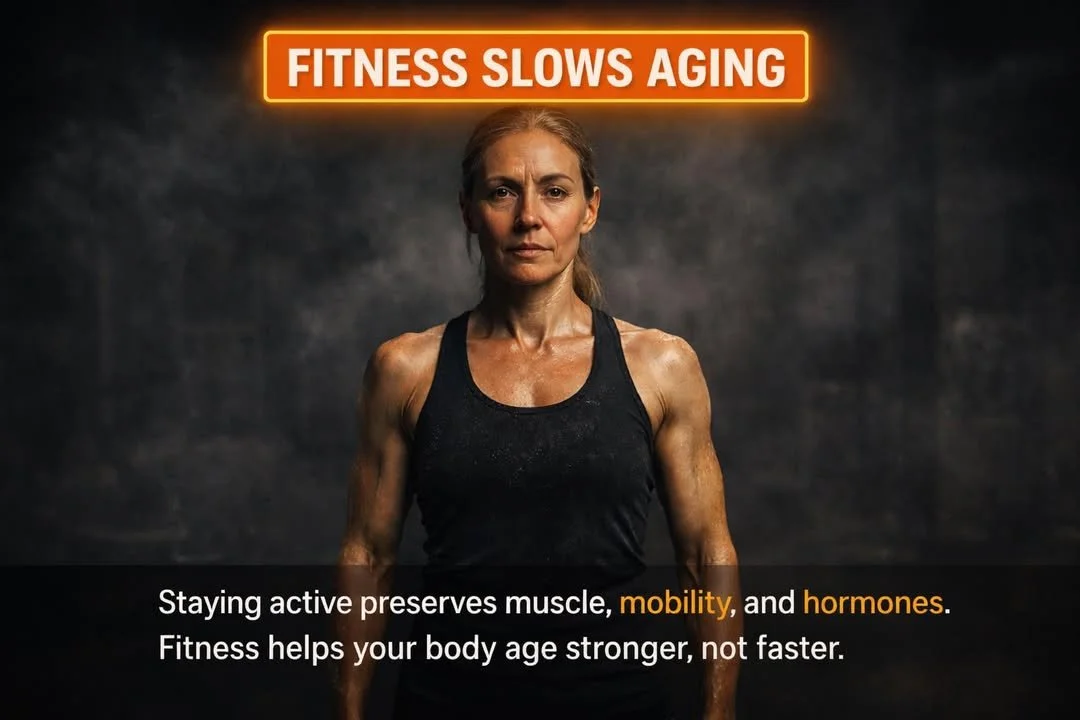
Aging is inevitable, but how we age is influenced by daily choices—especially how much we move. Regular physical activity slows many biological and functional aspects of aging: it preserves muscle and bone, protects the heart and brain, reduces chronic inflammation, and boosts resilience. Whether you prefer solo workouts or social movement, integrating consistent exercise into life is one of the most powerful strategies to extend healthy years. For people who benefit from social motivation, exploring options like group fitness classes can make regular activity easier and more enjoyable.
This article breaks down the biological and practical reasons fitness slows aging, the types of exercise that matter most, and simple ways to build a program that helps you thrive as you grow older.
How exercise slows cellular and molecular aging
- Telomere preservation: Telomeres are protective caps on chromosomes that shorten with age and stress. Regular moderate-to-vigorous exercise has been associated with longer telomeres or slower shortening, suggesting a protective effect at the cellular level.
- Reduced chronic inflammation: Sedentary lifestyles contribute to low-grade inflammation, which accelerates tissue damage and age-related disease. Exercise triggers anti-inflammatory pathways and improves immune regulation.
- Improved mitochondrial function: Physical activity enhances mitochondrial biogenesis and efficiency. Healthier mitochondria produce energy more efficiently and generate fewer damaging free radicals, which helps maintain cellular health.
- Enhanced autophagy and repair: Exercise stimulates processes that clear damaged proteins and organelles, helping cells maintain function and resist age-related decline.
Cardiovascular, metabolic, and hormonal benefits
- Heart and vascular health: Regular aerobic exercise lowers blood pressure, improves endothelial function, and reduces arterial stiffness—factors that lower the risk of heart disease and stroke.
- Metabolic regulation: Activity improves insulin sensitivity, helps maintain a healthy body composition, and reduces risk factors for type 2 diabetes.
- Hormonal balance: Exercise supports healthier levels of hormones like growth hormone and sex steroids, which play roles in maintaining muscle mass and bone density as we age.
Strength training, bones, and functional independence
- Muscle mass and strength: Sarcopenia (age-related muscle loss) is a major driver of frailty. Resistance training preserves and builds muscle, improving strength and functional capacity.
- Bone health: Weight-bearing and resistance exercises stimulate bone formation and slow bone loss, reducing fracture risk.
- Balance and mobility: Incorporating balance and functional movements reduces fall risk and preserves independence in daily activities.
Brain health, mood, and cognition
- Neuroprotective effects: Exercise increases levels of brain-derived neurotrophic factor (BDNF), supports neurogenesis (especially in the hippocampus), and improves cerebral blood flow—factors associated with better memory and learning.
- Mental health: Physical activity reduces symptoms of anxiety and depression, supports stress resilience, and enhances sleep quality.
- Cognitive aging: Regular exercise is linked with slower rates of cognitive decline and lower risk of dementia in population studies.
What kinds of exercise matter?
A well-rounded program combines multiple elements:
- Aerobic (cardio): Walking, cycling, swimming, or jogging—aim for at least 150 minutes of moderate-intensity or 75 minutes of vigorous activity weekly, spread across the week.
- Strength training: Two or more sessions per week targeting major muscle groups using bodyweight, bands, free weights, or machines.
- Flexibility and mobility: Daily stretches and mobility drills preserve range of motion and joint health.
- Balance and functional training: Single-leg stands, heel-to-toe walks, and functional movement patterns reduce fall risk and improve day-to-day capabilities.
Practical tips to start and sustain a fitness program
- Begin gradually and prioritize consistency over intensity. Small, regular improvements beat sporadic extremes.
- Personalize activities you enjoy so they stick: dancing, hiking, gardening, sports, or structured classes.
- Build variety into your routine to cover cardio, strength, flexibility, and balance.
- Track progress in simple ways: time exercised, number of steps, weight lifted, or minutes of uninterrupted movement.
- Seek guidance if needed—trainers, physiotherapists, or structured programs can help tailor safe and effective plans.
- Focus on recovery: nutrition, sleep, hydration, and stress management are essential partners to exercise for healthy aging. For more on connecting movement with mindful practice, explore resources about the mind-body connection to make your routine both effective and sustainable.
Conclusion
Exercise protects the body and mind from many hallmarks of aging—cellular wear, inflammation, metabolic decline, and loss of function. For a concise overview of the science and practical benefits, see this resource on What Are the Benefits of Exercise on Aging?. Making movement a regular, enjoyable part of life is one of the best investments you can make in long-term health.

GIPHY App Key not set. Please check settings