

 amanda cohen
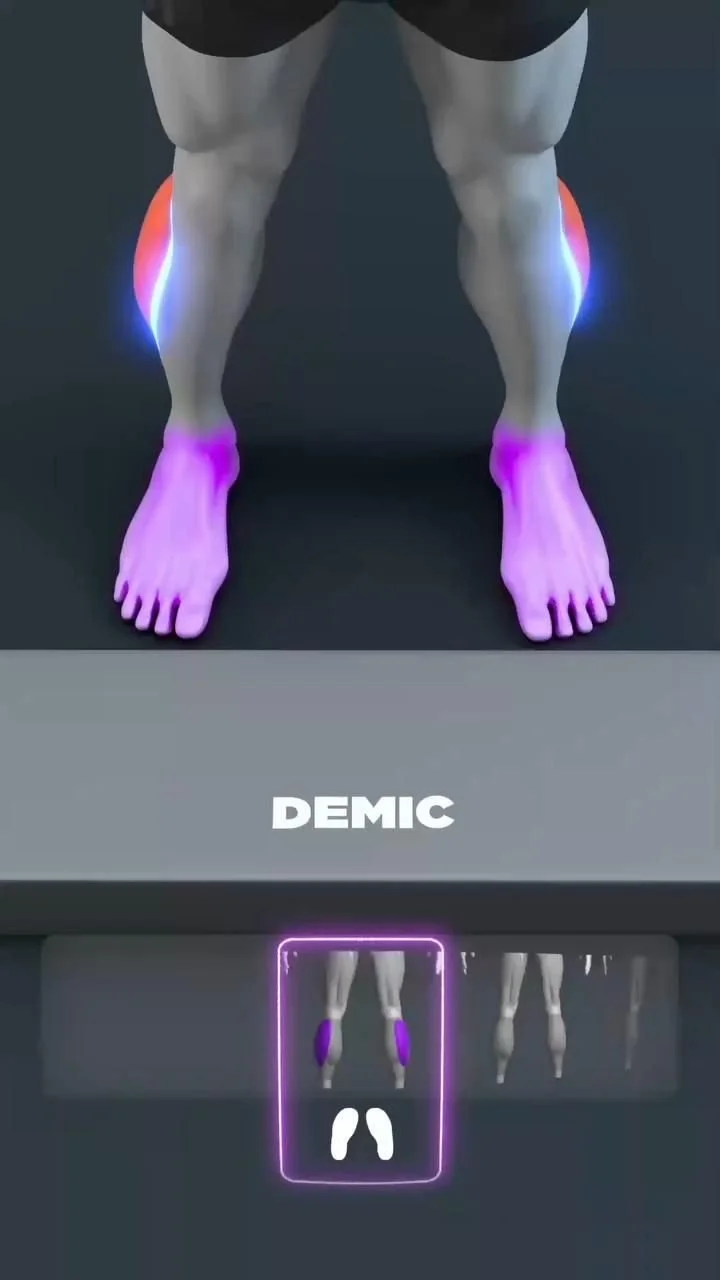
Calf Corner: Toe-Angle Science for Full-Head Growth
Calves are small in size but big in impact — aesthetically and functionally. Most lifters chase heavy raises and forget that simple toe-angle adjustments shift activation between the medial and lateral heads of the gastrocnemius and the soleus. Before we dive into specific drills and programming, consider pairing calf work with gentle mobility and recovery routines like these yoga routines for mobility to keep your ankles healthy and your range of motion optimal.
![How to Target ALL Heads of Your Calves (Toe-Angle Science!)
Unlock Massive Calves! 🔑 Most people miss this… [Video] in 2025 | Best gym workout, Post partum workout, Workout guide](https://tavof.com/wp-content/uploads/2026/01/how-to-target-all-heads-of-your-calves-toe-angle-2026-01-09-080808.webp "How to Target ALL Heads of Your Calves (Toe-Angle Science!) Unlock Massive Calves! 🔑 Most people miss this… [Video] in 2025 | Best gym workout, Post partum workout, Workout guide 8")
Why toe angle matters
- Anatomy reminder: the calf complex includes the medial and lateral gastrocnemius (two “heads” that cross the knee) and the deeper soleus (works mainly when the knee is bent). Foot position alters which fibers are emphasized.
- Science in a sentence: turning toes out biases the medial gastrocnemius; toes in biases the lateral gastrocnemius; neutral toes and a bent knee shift emphasis toward the soleus.
Quick technique checklist
- Full range: lower until you feel a stretch but avoid aggressive joint rollback under load.
- Control the eccentric (down) phase 1.5–3s; explode or drive up in 0.5–1s.
- Don’t lock your knees when you want the soleus — bend slightly or use seated calf raises.
- Mind-muscle: visualize the specific head you’re targeting and gently tense the foot/toe position before each rep.
Targeting each head — exercises and toe angles
-
Medial gastrocnemius (inner sweep)
- Best setup: standing calf raise with toes slightly turned out (10–20°).
- Reps: 8–15 moderate-load reps; include drop sets or partials at the end.
-
Lateral gastrocnemius (outer sweep)
- Best setup: standing calf raise with toes pointed in (10–20°).
- Reps: 8–15; focus on pushing through the outer edge of the forefoot on the concentric.
-
Soleus (thicker base, endurance-focused)
- Best setup: seated calf raises or standing raises with knees bent and toes neutral.
- Reps: 12–25; higher-rep sets or tempo work suit the soleus’s endurance nature.
Sample workout (best gym & postpartum-friendly adjustments)
- Warm-up: 5–10 minutes ankle mobility + light cycling.
- Standing toes-out raises (medial focus) — 3 sets of 10–12
- Seated calf raises (soleus focus, knees bent) — 3 sets of 15–20
- Standing toes-in single-leg raises (lateral focus) — 3 sets of 8–10 per leg
- Finisher: banded calf stretch + 60s slow tempo heel drops (2–3 rounds)
Postpartum considerations
- Start light and prioritize form; pelvic/core recovery influences how you load lower limbs.
- Use bodyweight or machine-assisted raises first and progress only when you have full pelvic-floor stability.
- If you’re rehabbing, swap heavy single-leg work for double-leg variations and higher reps.
Programming tips to unlock growth
- Frequency: calves respond well to 2–4 sessions weekly if volume is scaled.
- Mix rep ranges: one heavy (6–10), one moderate (10–15), one endurance (15–25) per week.
- Progressive overload: increase reps, load, or time under tension gradually.
- Track toe-angle variety: rotate a toes-in, neutral, and toes-out emphasis across sessions so all heads receive regular stimulus.
Common mistakes to avoid
- Using tiny partials exclusively — combine full range with partials for peak contraction.
- Neglecting ankle mobility — limited dorsiflexion reduces stretch and growth stimulus.
- Ignoring unilateral differences — train single-leg occasionally to fix imbalances.
Tools and progressions
- Machines (Smith/standing calf machine) for heavy loading.
- Seated calf machine or dumbbells for strict soleus work.
- Bands and step-edge raises for controlled eccentric overload and stretch.
Want a quick tutorial video? Film angles close to the foot so you can verify toe position — visual feedback accelerates learning and helps postpartum athletes self-correct safely.
For broader programming that pairs calf-specific days with full-body progressions, consult a detailed resource on overall training and recovery comprehensive fitness guide.
![How to Target ALL Heads of Your Calves (Toe-Angle Science!)
Unlock Massive Calves! 🔑 Most people miss this… [Video] in 2025 | Best gym workout, Post partum workout, Workout guide](https://tavof.com/wp-content/uploads/2026/01/how-to-target-all-heads-of-your-calves-toe-angle-2026-01-09-080809-2.webp "How to Target ALL Heads of Your Calves (Toe-Angle Science!) Unlock Massive Calves! 🔑 Most people miss this… [Video] in 2025 | Best gym workout, Post partum workout, Workout guide 9")
Conclusion
To build complete calves, treat the trio of heads as distinct muscles: vary toe angle, knee angle, and rep ranges. For practical at-home options and gentle progressions you can start today, check out this helpful resource on Six Ways To Exercise At Home To Shape Your Body.

GIPHY App Key not set. Please check settings