

 Riri
Riri
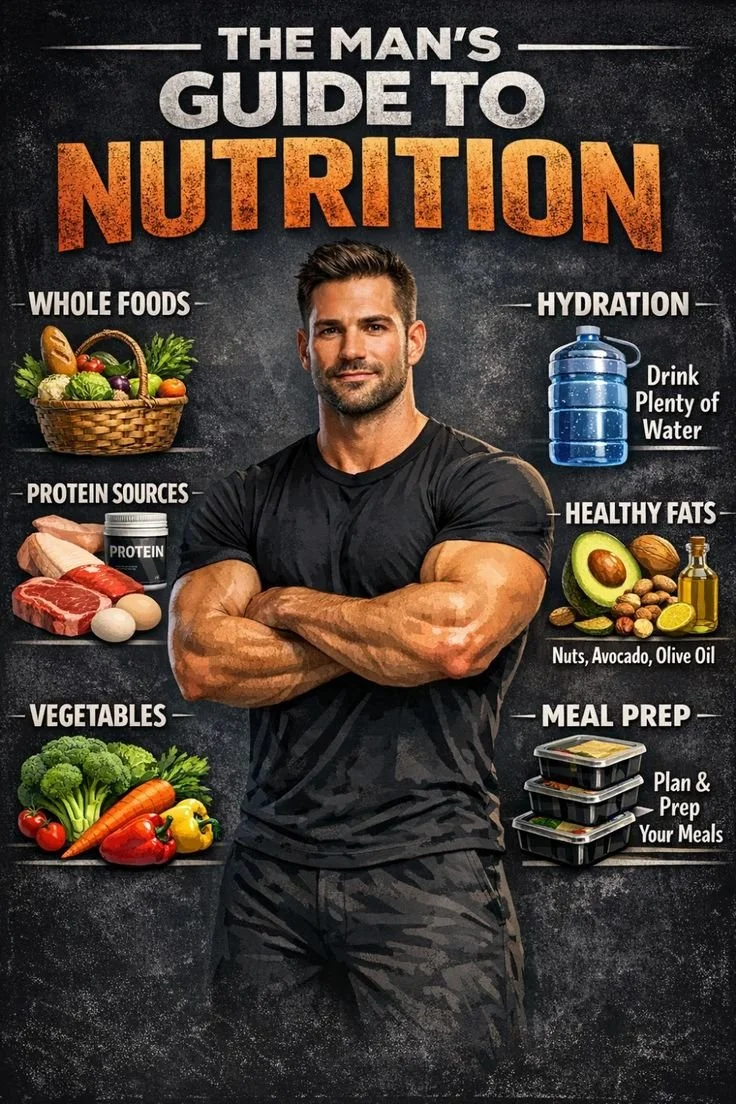
Title: Peak Fuel: A Man’s Blueprint for Performance Nutrition
The modern man who wants peak performance — in the gym, at work, or in life — needs a simple, science-backed nutrition plan. This guide breaks down what to eat, when to eat, and how to prioritize foods to support strength, recovery, cognitive focus, and long-term health. For a broader fitness context that complements this nutrition plan, consider resources on unlocking your fitness potential.
Eat for Purpose: Macronutrient Priorities
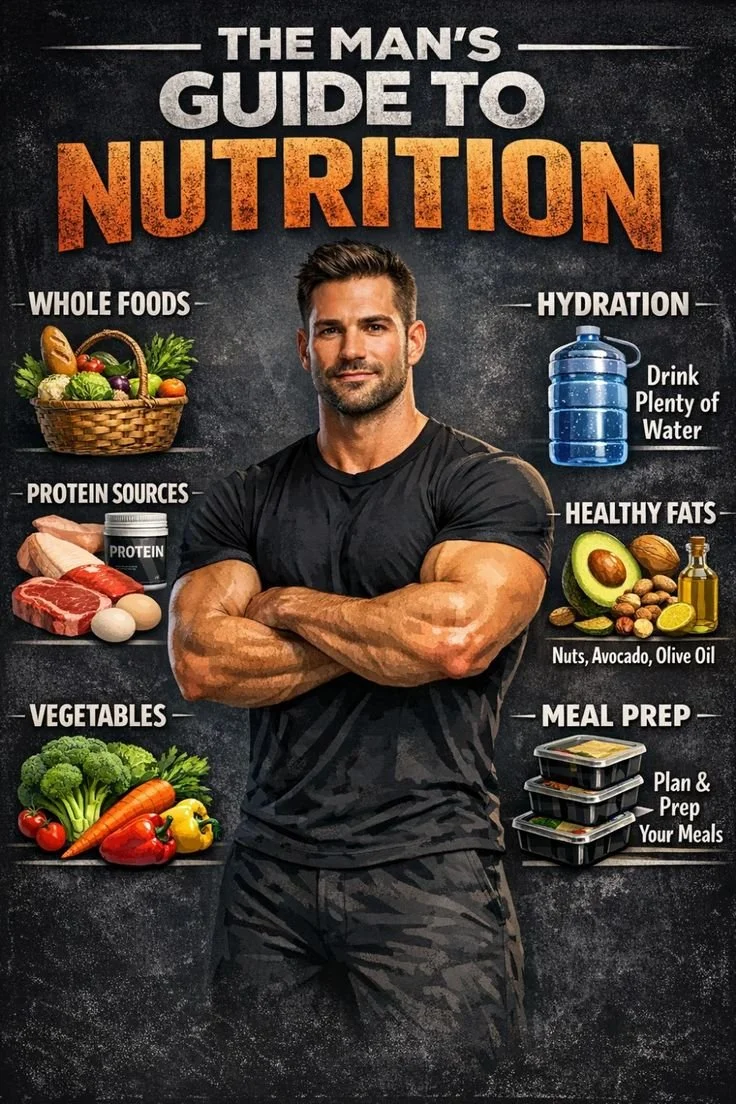
Balance is the baseline. Aim to tailor macronutrients to your goals:
- Protein: 0.7–1.0 g per pound of bodyweight for muscle maintenance and growth. Prioritize lean meats, fish, eggs, dairy, legumes, and high-quality plant proteins.
- Carbohydrates: Use carbs strategically — higher on training days and around workouts to fuel performance and replenish glycogen; lower on rest days if body-fat loss is the goal.
- Fats: Include healthy fats (olive oil, avocados, nuts, fatty fish) to support hormones and satiety.
Focus on whole-food sources and rotate protein and carb choices. If you want a quick list of nutrient-dense options to emphasize, read more on the top superfoods for optimal nutrition to incorporate variety.
Meal Timing: Fueling for Workouts and Busy Days
Timing matters less than total intake, but strategic meals improve training quality and recovery:
- Pre-workout: A light meal with carbs + moderate protein 60–90 minutes before training.
- Post-workout: Protein with fast-digesting carbs within 1–2 hours to support recovery.
- Between sessions: Balanced meals every 3–4 hours to maintain energy and prevent overeating.
If you want practical, around-the-clock approaches to meal timing, explore proven methods in the 24/7 body fueling tips.
Micronutrients & Supplements: Fill the Gaps
Prioritize a varied diet rich in vegetables, fruit, whole grains, and seafood to cover vitamins and minerals. Pay attention to:
- Vitamin D and omega-3s for immune and cardiovascular support.
- Magnesium and zinc for recovery and sleep quality.
- A daily multivitamin can be insurance if dietary variety is limited.
Use supplements to complement, not replace, whole foods. Creatine monohydrate and whey protein are two of the most evidence-backed supplements for strength and muscle recovery.
Performance-Focused Sample Day
- Breakfast: Omelet with spinach, mushrooms, and whole-grain toast.
- Snack: Greek yogurt with berries and a handful of nuts.
- Lunch: Grilled salmon, quinoa, and mixed vegetables.
- Pre-workout: Banana and a small yogurt.
- Post-workout: Protein shake and rice or a fruit smoothie.
- Dinner: Lean steak or tofu, sweet potato, and steamed greens.
- Evening: Cottage cheese or a small casein protein snack if hunger or long overnight fasts are expected.
Practical swaps and portion adjustments make this adaptable for weight loss, maintenance, or muscle gain.
Recovery, Sleep, and Lifestyle Factors
Nutrition is one pillar — recovery is the next. Prioritize:
- 7–9 hours of sleep to support hormone regulation and muscle repair.
- Hydration: Drink consistently; replace electrolytes after heavy sweat sessions.
- Stress management: Chronic stress raises cortisol and can impede progress. For practices that support the mind-body connection and recovery, consider routines that promote harmony of body and mind through yoga as part of your weekly plan.
Practical Tips to Stay Consistent
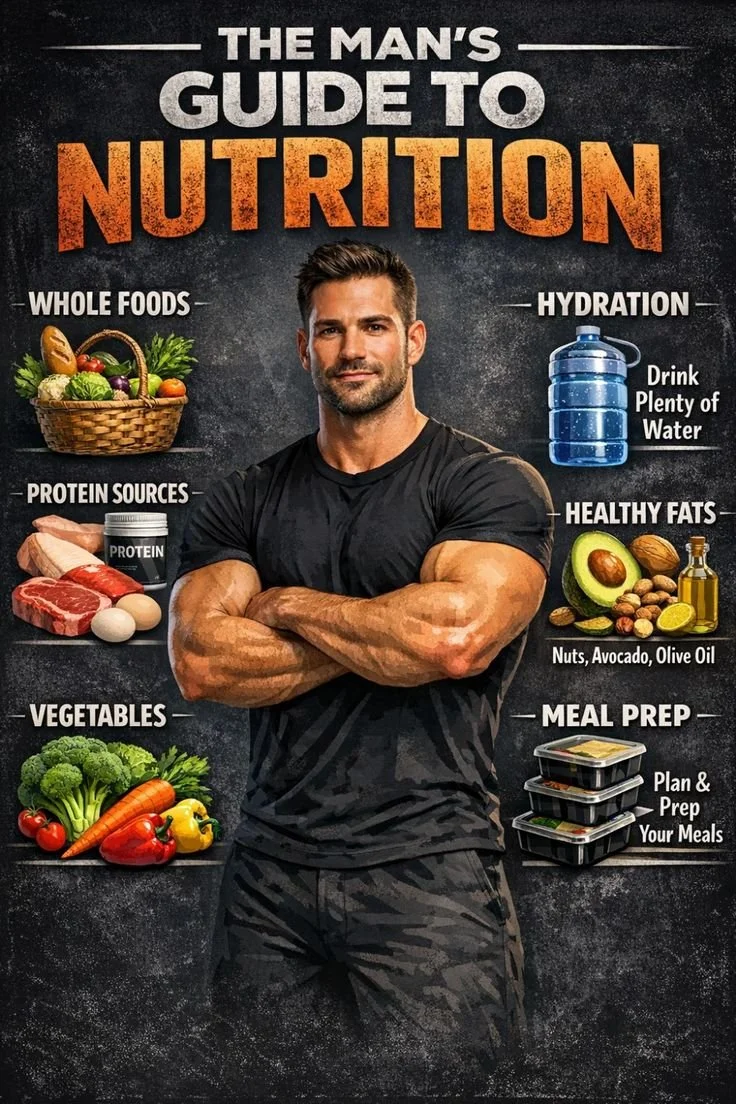
- Prep meals twice per week to avoid decisions when busy.
- Track protein and total calories for a few weeks to learn your requirements.
- Rotate foods to avoid nutrient blind spots and keep meals interesting.
- Reassess every 4–8 weeks and adjust calories based on progress.
Conclusion
Nutrition for men who want performance and health is straightforward: prioritize quality protein, time carbs around activity, include healthy fats, and support recovery with sleep and stress management. For specific guidance on what to eat before, during, and after exercise sessions, see Food as Fuel Before, During and After Workouts.



GIPHY App Key not set. Please check settings