

 Riri
Riri
Calm Man Toolkit
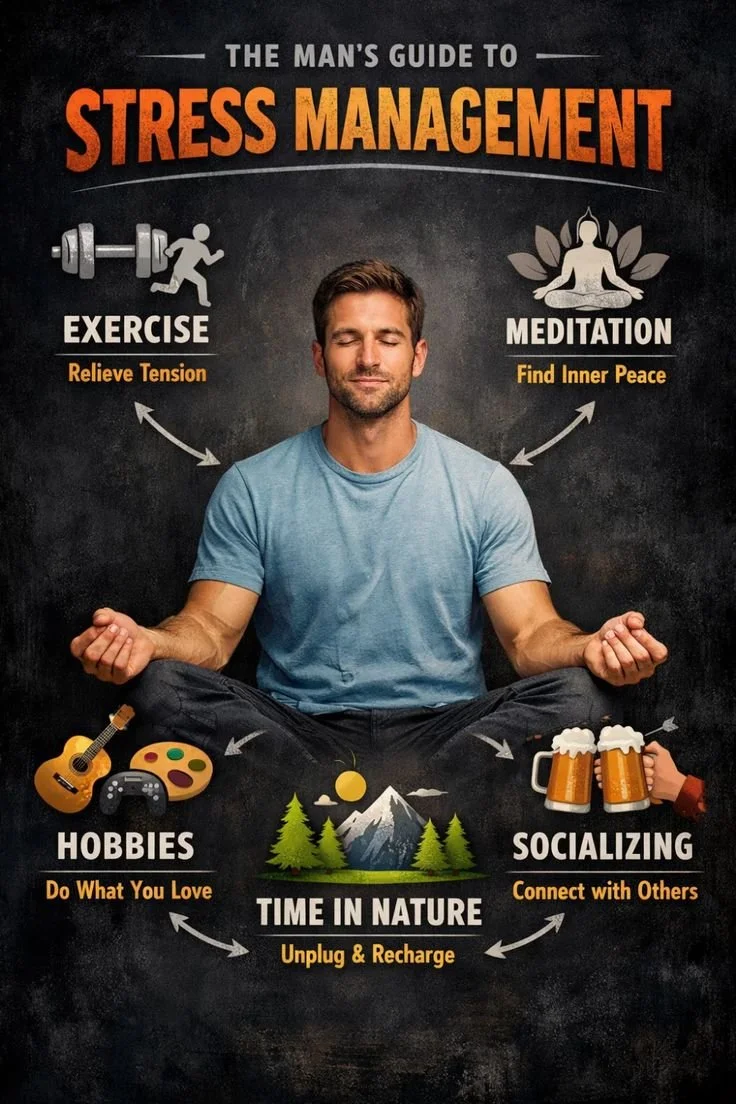
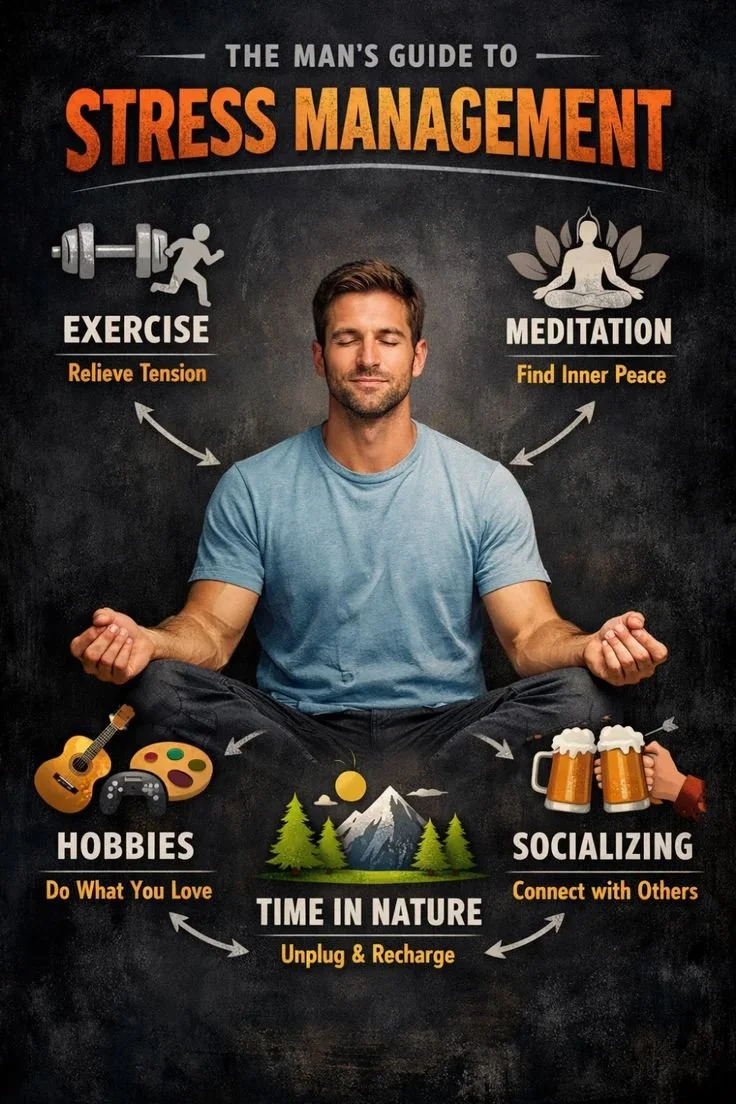
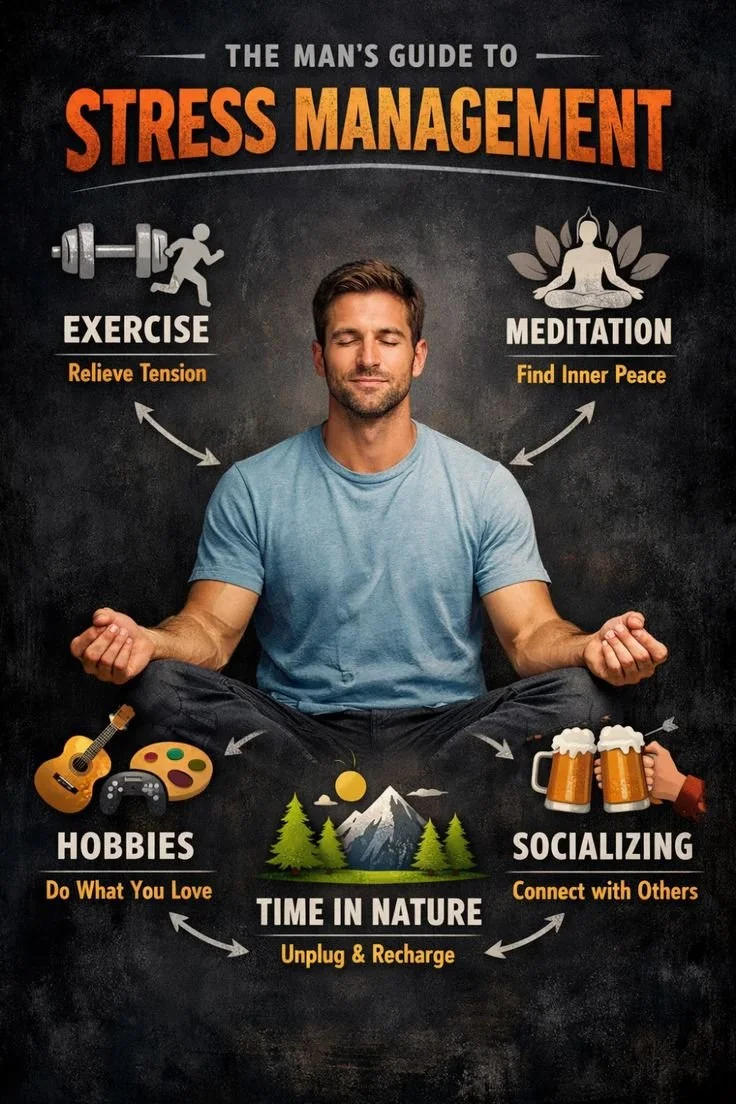
Stress doesn’t have to rule your life. This guide gives straightforward, practical techniques men can use to reduce tension, sharpen focus, and build a calmer daily routine. Whether you’re juggling work, family, or training goals, small consistent changes make a big difference — start with simple steps and build from there.
Understand what’s happening
Stress is a natural response, but when it’s chronic it harms sleep, mood, and performance. Learning the signals your body gives you lets you interrupt the spiral earlier. For improved mind–body awareness, try gentle movement and breathing practices like the yoga routines for balance that help lower reactivity and increase resilience.
Key things to notice:
- Tension in the jaw, neck, or shoulders.
- Short, shallow breathing.
- Irritability, difficulty concentrating, or procrastination.
A daily check-in — 60 seconds to name sensations and one small corrective step — can stop stress from escalating.
Quick techniques you can use anywhere
These tools are designed to fit into short breaks or transitions during your day.
- Box breathing: inhale 4, hold 4, exhale 4, hold 4 — repeat 3–5 times.
- Progressive muscle release: tense then relax major muscle groups from feet to head.
- Grounding: name five things you see, four you can touch, three you hear, two you smell, one you taste.
If your energy and recovery could use a nutritional boost, consider incorporating the top superfoods for stamina and mental clarity into meals to help stabilize mood and focus.
Build a stress-proof daily structure
Consistency reduces background stress. Focus on three pillars: movement, rest, and routine.
- Movement: Aim for a mix of strength and aerobic work. Short, intense sessions can clear the mind and reduce cortisol spikes.
- Sleep hygiene: Fixed wake and sleep times, screen curfew, and a cool, dark bedroom improve recovery.
- Micro-routines: Anchor small habits to existing cues (e.g., after brushing teeth, do 2 minutes of breathing).
For those who lift or train regularly, pairing mental skills with physical work helps — you might appreciate lessons from a reflective take on bodybuilding and life to reframe goals and reduce performance pressure.
Lifestyle adjustments that compound over time
Long-term stress resilience comes from lifestyle choices that support the nervous system.
- Social support: Regular time with friends or trusted family reduces perceived threat.
- Reduced stimulants late in the day: Cut back on caffeine after mid-afternoon.
- Purpose and boundaries: Clarify priorities and practice saying no to low-value demands.
If you’re focused on functional movement, attention to technique prevents avoidable aches that add to daily stress — simple form tips like those in donkey kick form guidance can keep workouts effective and pain-free.
When to get extra help
If stress is persistent, causing severe sleep loss, panic, or impairment at work/relationships, it’s wise to consult a professional. Therapy, coaching, or a primary care check can identify treatable contributors like anxiety disorders, depression, or medical issues.
Conclusion
For a comprehensive, evidence-informed playbook of techniques to reduce stress and improve well-being, see The Ultimate Stress Management Guide for practical steps you can adopt today.


GIPHY App Key not set. Please check settings