Nutrition

Focuses on the consumption of food and its impact on health. It covers healthy eating habits, balanced diets, meal plans, specific diet types (like keto or vegan), superfoods, weight management, and nutritional advice.


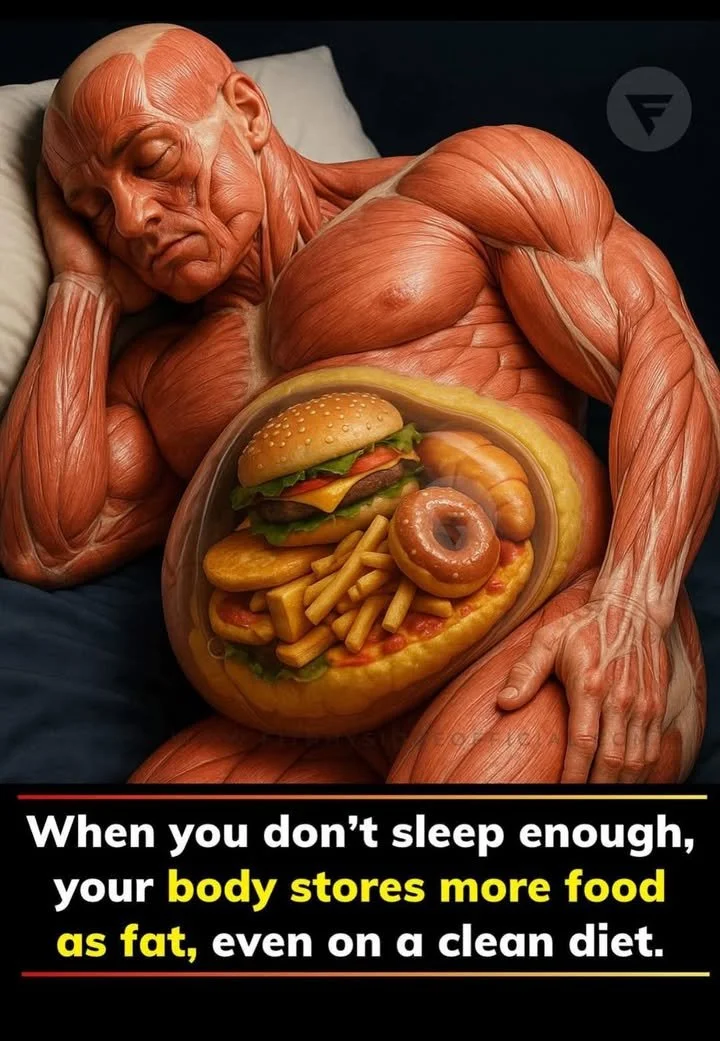
9 Reasons Why People Who Shed Pounds, Often Gain It All Back and Then Some. Read more below ⬇️

9 Reasons Why People Who Shed Pounds Often Gain It All Back (and More)

Losing weight can feel like a monumental achievement. However, for many, the joy of shedding pounds is often short-lived as they find themselves regaining the weight, sometimes with a little extra. This phenomenon is more common than you might think, and understanding the reasons behind these weight fluctuations can help you develop a more sustainable approach to your health. Below, we explore nine key reasons why people tend to gain back weight after a successful weight loss journey.

1. Unrealistic Expectations

Many individuals begin their weight loss journey with ideas of rapid results. When they don’t see the instant changes they envisioned, frustration sets in, leading to dieter’s despair. Recognizing that sustainable weight loss takes time and consistent effort is vital for long-term success.

2. Restrictive Diets

Extreme diet plans that eliminate entire food groups can create a sense of deprivation. While these diets may lead to initial weight loss, they often aren’t maintainable. Once individuals return to their regular eating patterns, the lost weight tends to come rushing back, often exceeding their original weight.

3. Lack of Support

Embarking on a weight loss journey can be daunting. Those without adequate support systems—whether from friends, family, or communities—often struggle to maintain their new habits. Emotional and mental support plays a crucial role in achieving and sustaining weight loss.

4. Yo-Yo Dieting

The cycle of losing weight and gaining it back—commonly known as yo-yo dieting—can lead to a metabolic slowdown. Repeated cycles of this nature can make weight loss even more challenging over time, as the body adapts to lower caloric intake, slowing down metabolism and increasing the likelihood of weight regain.

5. Emotional Eating

For many, food serves as a source of comfort during times of stress or emotional upheaval. If individuals do not address the psychological factors that contribute to their eating habits, they may revert to old patterns of emotional eating, leading to weight gain after an initial loss.

6. Neglecting Lifestyle Changes

Sustainable weight management requires more than just a diet; it demands a lifestyle change. Individuals who return to their pre-weight loss habits, ignoring healthy eating and exercise, are likely to regain the weight they lost. Successful weight maintenance aligns with continued commitment to a healthy lifestyle.

7. Inaccurate Self-Assessment

Many people struggle with accurately gauging their food intake and activity levels. Without proper awareness of portion sizes or understanding caloric needs, individuals can easily consume more than they realize, leading to weight gain. Mindful eating and tracking can help in maintaining greater self-awareness.

8. Biological Factors

The body’s natural response to weight loss includes hormonal changes that can increase appetite and cravings while decreasing metabolic rate. These biological adaptations can make it challenging for individuals to keep weight off long-term. Understanding these changes emphasizes the need for a sustainable approach that takes biology into account.

9. Sedentary Lifestyles

Increased workouts during weight loss periods can lead to a temporary boost in fitness, but if individuals go back to a sedate lifestyle post-diet, gaining weight becomes much more likely. Consistent physical activity must persist to maintain weight loss.

Conclusion

The journey of weight loss is multifaceted, encompassing physical, emotional, and psychological aspects. Recognizing the reasons behind weight regain can empower individuals to adopt more effective, sustainable weight management strategies. By setting realistic goals, seeking support, and focusing on lifestyle changes rather than temporary diets, you can create a healthier relationship with food and achieve lasting results. Remember, the key is not only losing weight but also fostering habits that support long-term success.

9 Reasons Why People Who Shed Pounds, Often Gain It All Back and Then Some. Read more below ⬇️ Read More »

Creamy beef pasta dish served in a bowl, garnished with fresh herbs.

High Protein Creamy Beef Pasta Recipe for Quick Weeknight Dinners

High Protein Creamy Beef Pasta for Quick Weeknight Dinners

A comforting, protein-rich pasta can be the perfect weeknight rescue: fast to make, satisfying, and easy to customize. This creamy beef pasta combines lean ground beef with tender pasta and a savory sauce that comes together in about 30 minutes. If you want a slightly different take or an alternate ingredient list, check the detailed recipe reference for inspiration.

Why this dish works for weeknights

  • Protein-packed: Ground beef provides a solid dose of protein to keep you full.
  • Fast build: One-pan techniques and short-cooking pastas keep total time low.
  • Flexible: Swap in vegetables, whole-grain pasta, or extra legumes to match dietary needs.
  • Comfort without complication: The creamy sauce tastes indulgent but uses pantry-friendly ingredients.

Ingredients (serves 4)

  • 12 oz (340 g) pasta (penne, rigatoni, or shells)
  • 1 lb (450 g) lean ground beef (90/10 or 93/7)
  • 1 small onion, diced
  • 2 cloves garlic, minced
  • 1 cup low-sodium beef or chicken broth
  • 1 cup milk (or unsweetened almond milk)
  • 1/2 cup plain Greek yogurt or light sour cream (for extra protein)
  • 1/2 cup grated Parmesan cheese
  • 1 tbsp tomato paste (optional, for depth)
  • 1 tbsp olive oil
  • 1 tsp dried oregano or Italian seasoning
  • Salt and black pepper to taste
  • Fresh parsley or basil for garnish
    Optional add-ins: spinach, peas, mushrooms, red pepper flakes

Step-by-step instructions

  1. Bring a large pot of salted water to a boil and cook pasta until 1–2 minutes shy of al dente. Reserve 1 cup of pasta water, drain, and set aside.
  2. While pasta cooks, heat olive oil in a large skillet over medium-high heat. Add diced onion and cook until translucent (3–4 minutes).
  3. Add ground beef, breaking it up with a spatula. Cook until browned and no longer pink (5–7 minutes). Drain excess fat if needed.
  4. Stir in garlic and tomato paste; cook 30 seconds until fragrant.
  5. Pour in broth and milk, scraping up any browned bits. Bring to a gentle simmer.
  6. Reduce heat, whisk in Greek yogurt (or sour cream) and Parmesan until the sauce is smooth. Add dried oregano, salt, and pepper.
  7. Add the nearly-cooked pasta to the skillet. Toss to coat, adding reserved pasta water a little at a time to loosen the sauce until you reach desired creaminess.
  8. Stir in any quick add-ins (baby spinach wilts in 1–2 minutes; peas just need a minute).
  9. Taste and adjust seasoning. Garnish with fresh parsley or basil and a sprinkle of cheese. Serve immediately.

Total time: ~25–35 minutes depending on pasta type.

Time-saving tips and protein boosters

  • Use quick-cooking pastas (e.g., penne or small shells) to shave minutes off the timer.
  • Swap some ground beef for cooked shredded rotisserie chicken to speed protein prep.
  • Stir in a scoop of unflavored protein powder (especially savory-style collagen peptides) into the sauce for an extra protein hit—start with 1 tablespoon and adjust.
  • Make it a one-pan meal by cooking pasta directly in the sauce if your skillet is large enough; start with extra liquid and watch consistency.

If you’re compiling quick dinners for the week, you might also like curated high-protein meal lists like the high-protein low-calorie meals collection for additional ideas.

Variations and pairings

  • Mexican twist: Add cumin, chili powder, corn, and top with cilantro and lime.
  • Mediterranean: Swap beef for lamb, add olives and sun-dried tomatoes.
  • Low-carb: Serve over spiralized zucchini or cauliflower rice.
  • Side ideas: A crisp green salad or roasted broccoli complements the creamy sauce and adds fiber.

Meal prep and storage

  • Refrigerate leftovers in an airtight container for up to 3–4 days. Reheat gently on the stove with a splash of milk or broth to restore creaminess.
  • Freeze portions (without fresh herbs) for up to 2 months. Thaw overnight before reheating.
  • For make-ahead dinners, undercook the pasta by 2 minutes; finish cooking in the sauce when reheating to keep texture ideal.

Nutrition snapshot (approximate per serving)

  • Calories: 450–550 (depends on pasta and full-fat vs low-fat dairy)
  • Protein: 30–40 g
  • Fat: 12–20 g
  • Carbs: 40–55 g

Adjust portions, lean protein selection, or swap in whole-grain pasta to meet your nutrition goals.

Conclusion

For a quick, satisfying weeknight meal that still packs protein, this creamy beef pasta hits the mark. If you want another tested version or inspiration for tweaks, see the High Protein Creamy Beef Pasta – Skinny Spatula recipe for more ideas and variations.

High Protein Creamy Beef Pasta Recipe for Quick Weeknight Dinners Read More »

Low carb burrito bowl recipe packed with protein, ready in 25 minutes.

Easy Low Carb Burrito Bowl – 25min Breakfast Protein-Packed

Easy Low-Carb Burrito Bowl — 25-Min Breakfast, Protein-Packed

Start your day with a savory, satisfying breakfast that’s low in carbs and high in protein. This easy burrito bowl comes together in about 25 minutes, uses simple ingredients, and is infinitely customizable. If you’re exploring more high-protein breakfast ideas, you may also enjoy this collection of high-protein, low-calorie meals for inspiration.

Why this works

  • Fast: Preps and cooks in ~25 minutes.
  • Low carb: No tortillas or rice — just a base of sautéed veggies and scrambled eggs (or egg whites).
  • Protein-packed: Eggs, optional lean meat, and cheese keep you full until lunch.
  • Flexible: Easy to adapt for vegetarian, keto, or dairy-free diets.

Ingredients (serves 2)

  • 4 large eggs (or 1 cup liquid egg whites)
  • 1 tbsp olive oil or avocado oil
  • 1 small onion, diced
  • 1 red bell pepper, diced
  • 1 cup zucchini, diced
  • 1 cup baby spinach
  • 6–8 oz cooked lean protein (chicken breast, turkey sausage, or firm tofu), chopped
  • 1/2 cup shredded cheddar or Monterey Jack (optional)
  • 1/4 cup salsa (low-sugar)
  • 2 tbsp plain Greek yogurt or sour cream (optional)
  • 1/4 cup chopped cilantro
  • 1 lime, cut into wedges
  • Salt, pepper, and 1 tsp chili powder or smoked paprika
  • Optional toppings: sliced avocado, pickled jalapeños, hot sauce

Equipment

  • Large skillet
  • Spatula
  • Knife and cutting board

Quick Instructions (25 minutes)

  1. Prep (5 minutes)
    • Dice onion, pepper, zucchini, and protein. Crack eggs into a bowl and whisk with salt and pepper.
  2. Sauté veggies (6–8 minutes)
    • Heat oil in a large skillet over medium-high heat. Add onion and bell pepper; cook 3–4 minutes until softened.
    • Add zucchini and cook 2–3 minutes more. Toss in spinach and cook until wilted.
  3. Add protein (2 minutes)
    • Stir in pre-cooked protein to warm through. Season with chili powder and smoked paprika.
  4. Scramble eggs (4–5 minutes)
    • Push veggies/protein to one side of the skillet. Add a little more oil if needed and pour eggs into the empty side. Scramble gently until just set, then fold into the veggie mix. If using egg whites, cook slightly faster.
  5. Finish & serve (2 minutes)
    • Remove from heat. Stir in salsa and half the cheese (if using) until melted. Divide into bowls, top with remaining cheese, yogurt or sour cream, cilantro, avocado slices, and a squeeze of lime.

Total active time: ~20–25 minutes.

Variations & Swaps

  • Vegetarian: Replace meat with black soybeans or tempeh crumbles.
  • Lower fat: Use liquid egg whites and skip cheese; add extra herbs for flavor.
  • Keto: Increase healthy fats — use more avocado and full-fat cheese; omit yogurt if desired.
  • Make it grain-free with cauliflower rice: serve the mixture over riced cauliflower for extra bulk.

If you like baked breakfast options for meal prep, try adding ideas from this baked cottage cheese eggs recipe to your rotation — they pair well with burrito bowls for variety.

Nutrition (approx. per serving)

  • Calories: 350–450 (depends on protein and cheese choices)
  • Protein: 30–40 g
  • Carbs: 8–12 g (mostly from veggies and salsa)
  • Fat: 18–28 g

Make-ahead & Storage

  • Refrigerate leftovers in an airtight container up to 3 days. Reheat gently in a skillet or microwave.
  • For meal prep, store egg mixture separately from fresh avocado slices and yogurt to keep toppings bright.

Tips for Perfect Bowls

  • Use pre-cooked shredded chicken or rotisserie meat to cut time.
  • For extra flavor, char bell peppers under the broiler briefly before dicing.
  • Season in layers: a pinch of salt when sauteing veggies, then adjust after eggs are in.

Conclusion

For a crunchy, low-carb topping that brightens this bowl, try the Low-Carb Yogurt Granola Recipe – Fit Men Cook to add texture and a touch of sweet-savory contrast.

Easy Low Carb Burrito Bowl – 25min Breakfast Protein-Packed Read More »

High-protein creamy garlic cheesy chicken with potatoes on a plate

???????? High-Protein Creamy Garlic Cheesy Chicken & Potatoes! Only 502 Calories!

High-Protein Creamy Garlic Cheesy Chicken & Potatoes — Only 502 Calories!

A cozy, protein-packed dinner that feels indulgent but stays within a sensible calorie target. This creamy garlic cheesy chicken and potatoes dish delivers bold flavor from roasted garlic, melted cheese, and a rich herb-infused cream sauce, while keeping the portion at about 502 calories. It’s perfect for weeknight family dinners or meal prep when you want comfort food that supports muscle-building goals. If you like one-skillet comfort meals, try a related twist like these creamy cajun chicken rice bowls for another high-protein option.

Ingredients (serves 4)

  • 1.5 lb (700 g) boneless skinless chicken breasts, cut into 1–1.5 inch pieces
  • 1 lb (450 g) small Yukon Gold or baby potatoes, halved
  • 1 tbsp olive oil
  • 1 tsp smoked paprika
  • Salt and black pepper, to taste
  • 3 cloves garlic, minced + 2 whole cloves roasted or thinly sliced
  • 1 cup low-sodium chicken broth
  • 3/4 cup light cream or half-and-half
  • 1 cup shredded reduced-fat cheddar (or a blend of cheddar + mozzarella)
  • 2 tbsp Greek yogurt (optional, for extra protein and tang)
  • 1 tbsp Dijon mustard
  • 1 tbsp chopped fresh parsley or chives, for garnish
  • 1 tsp dried oregano or thyme

Equipment

  • Large ovenproof skillet or sauté pan + baking sheet (if roasting potatoes separately)

Preparation overview

  1. Pre-roast the potatoes until golden to develop texture.
  2. Sear seasoned chicken until lightly browned; remove.
  3. Build a garlic cream sauce in the skillet, return chicken and potatoes, melt cheese until creamy and bubbly.
  4. Finish with herbs and rest briefly before serving.

Step-by-step directions

  1. Preheat oven to 425°F (220°C). Toss halved potatoes with 1/2 tbsp olive oil, a pinch of salt, pepper, and half the smoked paprika. Roast on a baking sheet for 20–25 minutes until tender and golden.
  2. While potatoes roast, season chicken with the remaining paprika, salt, and pepper. Heat remaining olive oil in a large ovenproof skillet over medium-high heat. Sear chicken pieces 2–3 minutes per side until golden but not fully cooked. Remove chicken to a plate.
  3. Reduce heat to medium. Add minced garlic and roasted garlic slices; sauté 30–45 seconds until fragrant. Pour in chicken broth, scraping up browned bits. Stir in cream, Dijon mustard, oregano/thyme, and Greek yogurt (if using). Simmer 2–3 minutes to thicken slightly.
  4. Stir in half the cheese until melted, then return chicken and roasted potatoes to the skillet. Sprinkle remaining cheese evenly on top. Transfer skillet to the oven (or place under the broiler briefly) for 5–7 minutes, until cheese is bubbly and chicken reaches 165°F (74°C).
  5. Garnish with chopped parsley or chives and let rest 3–4 minutes before serving.

Portion, nutrition, and protein

  • Estimated calories per serving: ~502 kcal (based on ingredients above and 4 servings).
  • Protein: high — roughly 35–50 g per serving depending on exact chicken and cheese used.
  • To increase protein further: use higher-protein Greek yogurt, add a scoop of unflavored protein powder into the warm sauce (whisk well), or increase chicken by 4–6 oz per recipe.

Variations and swaps

  • Lighter: use fat-free Greek yogurt and reduced-fat cheese.
  • Veg-forward: swap half the potatoes for cauliflower florets to cut carbs.
  • Spice it up: add red pepper flakes or a teaspoon of chipotle in adobo for smoky heat.
  • Want a different creamy chicken meal? Try this high-protein twist on soup with the best high-protein white chicken chili for cozy, spoonable comfort.

Meal prep and storage

  • Store leftover portions in airtight containers for up to 3–4 days in the refrigerator. Reheat gently in a skillet or microwave to preserve creaminess.
  • For freezing: assemble and freeze before baking; thaw overnight in the fridge and bake per directions, adding extra 5–10 minutes if needed.

Cooking tips

  • Browning chicken adds flavor — don’t overcrowd the pan.
  • Roasting potatoes first ensures they stay crispy beneath the sauce.
  • If sauce separates, whisk in a splash of warm chicken broth and a teaspoon of cornstarch slurry over low heat.

Conclusion

For the full visual recipe and step-by-step guide, check out the Easy Creamy Garlic Cheesy Chicken and Potatoes Recipe.

???????? High-Protein Creamy Garlic Cheesy Chicken & Potatoes! Only 502 Calories! Read More »

Plate showcasing 150g of protein-rich foods for balanced meals

What 150g of Protein Looks Like on a Plate

What 150g of Protein Looks Like on a Plate

Introduction
Eating 150 grams of protein in a day can feel like a big target, but when you break it into meals and visualize portion sizes it becomes manageable. Whether you’re building muscle, recovering from injury, or following a high-protein diet for satiety, seeing examples helps. For snack inspiration that blends taste with protein density, try these cinnamon roll protein bites to close a small protein gap without reaching for processed junk.

Why 150g Might Be Your Goal

  • Active athletes and strength trainees often aim for 1.6–2.2 g/kg body weight; for many people that can land near 150 g/day.
  • Older adults and people recovering from illness may use higher targets to preserve muscle mass.
  • The key is distribution: spreading protein across the day improves absorption and muscle protein synthesis.

Visual Plate Examples (approximate protein values)
Below are three realistic daily templates that each reach about 150 g of protein. Numbers are estimates — protein content depends on cooking method and brand — but these give a clear visual sense.

  1. Omnivore Day (simple, whole-food focus)
  • Breakfast: 2 large eggs (12 g) + 200 g Greek yogurt (20 g) = 32 g
  • Mid-morning: whey protein shake, 1 scoop = 24 g → running total 56 g
  • Lunch: 150 g cooked chicken breast (~31 g/100 g → 47 g) → 103 g
  • Afternoon snack: 30 g almonds = 6 g → 109 g
  • Dinner: 100 g cooked salmon ≈ 25 g → 134 g
  • Evening: 1 cup (100 g) cottage cheese ≈ 11 g → 145 g
  • Add 1 hard-boiled egg (6 g) → final ≈ 151 g

What it looks like on a plate: breakfast bowl with yogurt and eggs, a palm-sized chicken breast at lunch with a big salad, and a thumb-sized piece of salmon at dinner — plus a scoop in a shaker for convenience.

  1. Vegetarian Day (dairy and fermented soy emphasized)
  • Breakfast: 250 g Greek yogurt = 25 g
  • Mid-morning: 30 g almonds = 6 g → 31 g
  • Lunch: 200 g tempeh (≈19 g/100 g → 38 g) → 69 g
  • Afternoon: 2 tbsp peanut butter = 8 g → 77 g
  • Dinner: 250 g cooked lentils (≈9 g/100 g → 22.5 g) → 99.5 g
  • Evening: 150 g cottage cheese = 16.5 g → 116 g
  • Add 100 g seitan ≈ 25 g → 141 g
  • Snack or small protein bar ≈ 9 g → final ≈ 150 g

Plating: tempeh or seitan replacing meat protein portions, with generous legumes, dairy, and nut-based snacks to close remaining gaps.

  1. Vegan Day (plant-only protein concentrates and pairings)
  • Breakfast: tofu scramble, 200 g firm tofu ≈ 16 g
  • Mid-morning: protein smoothie with pea powder, 1 scoop ≈ 20 g → 36 g
  • Lunch: 200 g tempeh ≈ 38 g → 74 g
  • Afternoon snack: 50 g roasted edamame ≈ 17 g → 91 g
  • Dinner: 300 g cooked lentils ≈ 27 g → 118 g
  • Evening: 150 g seitan ≈ 37.5 g → final ≈ 155.5 g (rounding and brand variations apply)

This shows how concentrated plant proteins (tempeh, seitan, pea protein) make high totals possible without dairy or animal meat.

Quick Visual Rules of Thumb (eyeballing when you don’t have a scale)

  • A palm-sized cooked meat portion (about 100–120 g) ≈ 25–35 g protein.
  • 1 large egg = ~6 g protein.
  • 1 cup cooked legumes (lentils/beans) ≈ 15–18 g protein.
  • 100 g firm tofu ≈ 8 g protein; tempeh ≈ 19 g; seitan ≈ 25 g.
  • 1 scoop whey/plant protein powder ≈ 20–25 g (most convenient way to fill gaps).

Practical Tips to Hit 150 g Smoothly

  • Spread intake across 3–5 meals; aim for ~25–40 g per main meal plus snacks.
  • Favor one dense protein per meal (meat, fish, tempeh, seitan) and add smaller sources (yogurt, nuts, eggs, legumes).
  • Use a single protein shake to plug gaps on busy days.
  • Track for a few days with a food app or simple log to learn your common shortfalls.
  • Balance protein with vegetables, whole grains, healthy fats, and recovery practices — pairing nutrition with movement helps results. If you pair higher-protein days with flexibility or recovery work, explore gentle flow sequences from a guide like harmony of body and mind to stay limber and reduce injury risk.

Common Pitfalls and How to Avoid Them

  • Pitfall: Loading all protein at dinner. Solution: intentionally add 15–25 g at breakfast (eggs, yogurt, a small shake).
  • Pitfall: Relying on processed bars/meals only. Solution: combine whole-food proteins with one convenient supplement if needed.
  • Pitfall: Ignoring calorie balance. Solution: if weight gain is not desired, swap some carbs/fats for higher-protein vegetables and lean proteins rather than just adding calories.

Conclusion

If you want a visual comparison for lower daily targets, see this helpful external reference: Your Visual Guide: Here’s What 100 Grams of Protein Looks Like on … — it’s a useful companion when adapting the 150 g examples above to your plate size and preferences.

What 150g of Protein Looks Like on a Plate Read More »

Selection of high-protein foods suitable for women over 50

Top High-Protein Foods for Women Over 50 – The Fibro Warriors

Top High-Protein Foods for Women Over 50 – The Fibro Warriors

Aging brings many changes to muscle mass, metabolism, and recovery. For women over 50—especially those managing chronic pain or conditions like fibromyalgia—prioritizing protein can help preserve strength, support bone health, and improve overall energy. If you want a quick primer on nutrient-dense choices beyond protein, check out this guide to top superfoods for ideas that complement a protein-forward plate.

This article highlights practical, taste-friendly high-protein foods and simple ways to add them into daily meals without overwhelming prep—because sustainability matters more than perfection.

Why protein matters after 50

  • Muscle mass naturally declines with age (sarcopenia). Adequate protein slows this loss, helping maintain balance, mobility, and independence.
  • Protein supports bone health and wound repair and plays a role in immune function.
  • For those with chronic pain or fatigue, protein-rich meals can improve satiety and stabilize blood sugar, reducing energy crashes.

Aim for a high-quality protein source at each main meal and include protein-rich snacks when needed. Recent recommendations often suggest 1.0–1.2 g/kg body weight daily for older adults, but individual needs vary—check with your healthcare provider.

Top high-protein foods (easy to shop and prepare)

  1. Greek yogurt (plain, full-fat or low-fat)

    • Protein-packed and versatile: breakfast bowls, smoothies, or savory dips.
    • Look for unsweetened varieties and add fruit or nuts for flavor and fiber.
  2. Cottage cheese

    • High in casein protein (slow-digesting), great before bed to support overnight muscle repair.
    • Enjoy with sliced tomatoes, herbs, or a small amount of honey and fruit.
  3. Eggs

    • Whole eggs offer a complete amino acid profile and are quick to prepare—boiled, scrambled, or as an omelet with veggies.
    • If cholesterol is a concern, discuss whole-egg intake with your clinician.
  4. Poultry (chicken, turkey)

    • Lean, adaptable, and easy to portion. Choose skinless cuts or shredded breast for salads, wraps, and stews.
  5. Fish and seafood

    • Salmon, sardines, trout, and mackerel provide protein and anti-inflammatory omega-3 fats that benefit heart and joint health.
    • Canned options are convenient and budget-friendly.
  6. Lean red meat (lean cuts of beef or pork)

    • Rich in iron and B12—helpful for energy. Limit portions and balance with vegetables and whole grains.
  7. Legumes (lentils, chickpeas, black beans)

    • Plant-based proteins with fiber for digestion and blood sugar control. Use in soups, stews, salads, or blended into spreads.
  8. Tofu, tempeh, edamame

    • Soy-based options are complete plant proteins and take on flavors well in stir-fries, salads, and bowls.
  9. Quinoa and whole grains

    • Quinoa is a complete protein among grains; other grains like farro and barley add additional protein when combined with legumes or dairy.
  10. Nuts and seeds (almonds, chia, hemp)

    • Concentrated sources—great in small portions for snacks or sprinkled on yogurt and salads. Hemp seeds are particularly high in protein for a seed.

Practical tips for incorporating protein

  • Portion size: Aim for ~20–30 grams of protein at main meals if possible; adjust based on body size and activity.
  • Combine sources: Pair plant proteins (legumes, grains, seeds) to improve amino acid variety.
  • Snack smart: Cottage cheese, Greek yogurt, a small handful of nuts, or a hard-boiled egg make satisfying, protein-rich snacks.
  • Pre-cook and freeze: Batch-cook shredded chicken, baked tofu, or cooked lentils to reduce decision fatigue on low-energy days.
  • Flavor without fuss: Use herbs, citrus, mustard, and quick marinades to make simple proteins more appealing.

Combining protein with strength work

Pairing protein intake with resistance or functional exercises yields better muscle maintenance than either alone. Short, frequent strength sessions—bodyweight moves, resistance bands, or light weights—are especially effective and gentle on joints.

If you’re focused on upper-body strength or want safe, progressive arm-sculpting routines, see guidance on targeted training and recovery in this resource about sculpting arms for strength and style: empowering arm-strength tips.

Timing matters less than total daily protein, but consuming some protein within 1–2 hours after a workout can support recovery.

Sample protein-rich day (simple, fiber-friendly)

  • Breakfast: Greek yogurt parfait with a tablespoon of hemp seeds and fresh berries (~20 g protein)
  • Mid-morning snack: Small handful of almonds and a piece of fruit (~6–8 g)
  • Lunch: Mixed greens bowl with shredded chicken, quinoa, roasted veg, and olive oil dressing (~30 g)
  • Afternoon snack: Cottage cheese with cucumber and black pepper (~12–15 g)
  • Dinner: Baked salmon, steamed greens, and lentils (~30 g)
  • Optional bedtime snack: Warm milk or yogurt if you need extra calories (~8–10 g)

Adjust portions to your appetite and activity level. Hydration and fiber help with digestion when increasing protein intake.

Shopping and cooking tips for Fibro Warriors

  • Prioritize convenience: canned fish, rotisserie chicken, and pre-washed greens can keep healthy eating achievable on low-energy days.
  • Anti-inflammatory choices: fatty fish, nuts, seeds, and colorful vegetables often help with inflammation and overall well-being.
  • Mindful substitutions: swap processed, low-protein snacks for Greek yogurt, boiled eggs, or hummus with veg.
  • Listen to your body: if certain proteins cause digestive discomfort, try different preparations (steamed, pureed, fermented) or alternative sources.

Conclusion

For women over 50 managing chronic pain or joint hypermobility, a balanced approach that emphasizes protein, gentle strength training, and anti-inflammatory foods can make a meaningful difference. If you’re curious about how diet choices intersect with hypermobility or EDS specifically, this article on Hypermobility and EDS: What is the best diet? offers targeted insights worth exploring.

Top High-Protein Foods for Women Over 50 – The Fibro Warriors Read More »

Easy to make high protein meals for fall

31 Laziest Fall High Protein Meals Anyone Can Make

Title: 31 Laziest Fall High-Protein Meals Anyone Can Make

Introduction
Fall invites cozy flavors and heartier meals, but being busy or just plain tired shouldn’t mean skipping protein. Below are 31 ultra-simple, high-protein fall meal ideas you can assemble with minimal effort. If you want more low-calorie, protein-rich inspiration alongside these ideas, check out this collection of 50 high-protein, low-calorie meals to mix and match with your autumn cravings.

How to use this list

  • No-fuss swaps: Use canned or rotisserie proteins, pre-washed greens, frozen veggies, and pre-cooked grains to shave prep time.
  • One-pan mindset: Aim for skillet, sheet-pan, or slow-cooker options so cleanup is quick.
  • Boost protein: Add Greek yogurt, cottage cheese, eggs, smoked salmon, canned beans, lentils, tempeh, or protein powders when in doubt.

31 Laziest Fall High-Protein Meals

  1. Sheet-Pan Salmon + Brussels Sprouts
    Toss salmon fillets and halved Brussels sprouts with oil, garlic, salt, and pepper; roast 15–20 minutes.

  2. Rotisserie Chicken & Apple Slaw
    Shred rotisserie chicken over a quick cabbage-apple slaw dressed with yogurt and mustard.

  3. Pumpkin Lentil Stew
    Simmer red lentils with canned pumpkin, broth, curry powder, and spinach for a creamy, protein-rich stew.

  4. Turkey & Sweet Potato Hash
    Pan-fry ground turkey with diced sweet potatoes and onions; top with a fried egg.

  5. Greek Yogurt Grain Bowl
    Greek yogurt base, add toasted walnuts, roasted pears, a drizzle of maple, and a scoop of granola.

  6. Smoked Salmon Toasts
    Whole-grain toast, cream cheese or cottage cheese, smoked salmon, capers, and dill.

  7. One-Pot Chicken and Farro
    Sautee chicken thighs, add farro and broth, cover and simmer until tender; stir in kale.

  8. Chickpea & Roasted Carrot Salad
    Roasted carrots, canned chickpeas, arugula, feta, and tahini-lemon dressing.

  9. Baked Tofu with Maple-Soy Glaze
    Press tofu, toss with maple-soy, bake until caramelized, serve with steamed broccoli.

  10. Spinach & Feta Omelet
    Quick, fluffy eggs loaded with spinach and feta — perfect for breakfast-for-dinner.

  11. Cottage Cheese & Roasted Pear Bowl
    Cottage cheese topped with roasted pear, cinnamon, and a sprinkle of hemp seeds.

  12. Tuna-Stuffed Avocado
    Mix canned tuna with Greek yogurt, celery, and mustard; spoon into avocado halves.

  13. Beef & Mushroom Skillet
    Quick-seared thin steak strips with mushrooms and thyme — serve over mashed cauliflower.

  14. Lentil & Kale Soup
    Simmer lentils, diced tomatoes, garlic, and chopped kale for a warming, protein-packed soup.

  15. Pulled Pork Sweet Potato Boats
    Leftover pulled pork spooned into baked sweet potatoes; top with Greek yogurt and scallions.

  16. Egg & Spinach Breakfast Muffins
    Bake whisked eggs with spinach, cheese, and diced peppers in a muffin tin for grab-and-go protein.

  17. Quinoa, Cranberry & Turkey Salad
    Cooked quinoa, leftover turkey, toasted pecans, dried cranberries, and a lemony vinaigrette.

  18. Sardine & Apple Crostini
    Whole-grain crostini with mashed sardines, apple slices, and a squeeze of lemon.

  19. Tempeh Maple-Sesame Bowl
    Cubes of tempeh pan-fried with maple and sesame; serve over brown rice and roasted squash.

  20. Protein Pancakes with Nut Butter
    Mix a protein powder or cottage cheese pancake batter and top with almond butter and cinnamon.

  21. Curry-Spiced Eggplant & Chickpeas
    Roasted eggplant and chickpeas tossed in a curry-yogurt sauce served over bulgur.

  22. Seared Scallops with Lentils
    Quick-seared scallops over a bed of herbed lentils — restaurant feel, minimal work.

  23. Turkey Chili with Beans
    One-pot turkey chili using canned tomatoes and beans; simmer while you relax.

  24. Broccoli & Cheddar Frittata
    Bake a simple frittata with steamed broccoli and sharp cheddar — slices hold up for several meals.

  25. Greek-Style Meatball Pitas
    Bake turkey or lamb meatballs, tuck into pitas with tzatziki and cucumber.

  26. Peanut-Butter Banana Smoothie Bowl
    Blend protein powder, peanut butter, frozen banana, and milk; top with pumpkin seeds.

  27. Black Bean, Corn & Quinoa Skillet
    Toss cooked quinoa, black beans, corn, cumin, and roasted poblano for a one-pan meal.

  28. Chocolate Chia Seed Pudding (High-Protein Dessert)
    Make chia pudding with chocolate protein powder and Greek yogurt for extra protein; refrigerate overnight. For a full recipe and tips to perfect the texture, see this guide to high-protein chocolate chia seed pudding.

  29. Baked Cod with Lemon & Lentils
    Season cod, bake briefly, and serve on a bed of lemony cooked lentils.

  30. Turkey & Cranberry Flatbread
    Warm flatbread topped with sliced turkey, a smear of goat cheese, and a spoonful of cranberry sauce.

  31. Slow-Cooker White Bean & Ham Soup
    Throw white beans, ham hock, carrots, and onions into the slow cooker for a hands-off, protein-forward soup.

Tips to keep these meals lazy and protein-rich

  • Use canned and pre-cooked protein sources when possible.
  • Double recipes for easy leftovers.
  • Keep a jar of mixed seeds and nuts on hand to boost protein and texture.
  • Spice blends and quick dressings (yogurt + lemon + mustard) go a long way.

Conclusion

For a ready-made collection that inspired this roundup, check out this curated list of 31 Laziest Fall High Protein Meals Anyone Can Make – Cushy Spa.

31 Laziest Fall High Protein Meals Anyone Can Make Read More »

A variety of protein lunchables for adults, featuring meats, cheeses, and snacks.

21 Best Protein Lunchables for Adults

21 Best Protein Lunchables for Adults

Lunchables don’t have to be child’s play. For busy adults, a compact, protein-forward midday meal can keep energy steady, curb cravings, and support muscle maintenance. Below you’ll find 21 portable, satisfying "adult Lunchable" ideas — a mix of store-bought-ready combos and easy DIY packs that travel well and deliver solid protein.

If you’re curious about pairing higher-protein meals with other healthy recipes, check out this take on high-protein white chicken chili for a warming alternative to boxed lunches.

How to use this list: each item includes a brief description and an approximate protein estimate to help you pick options that match your daily goals.

Criteria for selection

  • Protein-forward: roughly 12–30+ grams of protein per pack.
  • Portable: components travel well in a lunchbox or cooler.
  • Minimal prep: easy assembly or available premade options.
  • Balanced: pairing protein with fats, fiber, or complex carbs for satiety.

The 21 Best Protein Lunchables for Adults

  1. Turkey, Swiss, and Whole-Grain Crackers — lean turkey slices, Swiss cheese, and fiber-rich crackers. Protein: ~20–25 g
  2. Roast Beef & Cheddar with Pickles — robust flavor, filling combo for red-meat lovers. Protein: ~22–28 g
  3. Tuna Salad Cups & Multigrain Crackers — canned tuna (in water) mixed lightly with yogurt or mayo. Protein: ~25–30 g
  4. Grilled Chicken Strips + Quinoa Salad — precooked chicken with a small quinoa-tabouli. Protein: ~28–35 g
  5. Smoked Salmon & Cream Cheese on Rye Crisps — omega-3 rich and luxurious. Protein: ~18–24 g
  6. Hard-Boiled Eggs and Turkey Roll-Ups — simple, fast, and portable. Protein: ~20–26 g
  7. Cottage Cheese, Cherry Tomatoes & Seeds — cottage cheese base adds casein protein. Protein: ~15–20 g
  8. Greek Yogurt Parfait with Granola & Berries — pick a high-protein Greek yogurt. Protein: ~15–22 g
  9. Edamame Pods & Sliced Ham — plant and animal-protein combo for variety. Protein: ~18–24 g
  10. Lentil Salad with Feta & Veggies — hearty vegetarian option with legumes and cheese. Protein: ~14–20 g
  11. Hummus, Grilled Chicken, & Pita Chips — Mediterranean-inspired protein pack. Protein: ~20–28 g
  12. Beef Jerky, Gouda & Apple Slices — shelf-stable jerky plus cheese for convenience. Protein: ~18–25 g
  13. Tofu Cubes, Snap Peas & Sesame Dip — tofu marinated or lightly seasoned for a vegan option. Protein: ~14–20 g
  14. Chickpea Salad & Pita Triangles — masala or lemon-herb chickpea mash. Protein: ~12–18 g
  15. Almond Butter & Banana on Rice Cakes — quick, nutty, and satisfying. Protein: ~10–15 g (add Greek yogurt for extra protein)
  16. Protein Pudding Cup & Mixed Nuts — choose a high-protein pudding or make your own with milk and protein powder. Protein: ~15–25 g
  17. Salmon Salad (canned) with Whole-Wheat Crackers — similar to tuna but with salmon’s fatty acids. Protein: ~22–28 g
  18. Pulled Chicken BBQ Wrap Bites — bite-size wraps with lean pulled chicken. Protein: ~25–30 g
  19. Smoked Trout & Cucumber Slices with Rye Crisps — an upscale pescatarian option. Protein: ~16–22 g
  20. Falafel Bites with Tzatziki and Veggie Sticks — higher-protein veggie option when made from chickpeas. Protein: ~12–18 g
  21. Mini Meatballs, Mozzarella & Marinara for Dipping — warm or cold, very satisfying. Protein: ~24–30 g

Packing and storage tips

  • Use an insulated lunchbox and a small ice pack for dairy, meat, and fish to stay safe for several hours.
  • Place dips in leak-proof containers; prevent soggy crackers by packing them separately.
  • Pre-slice cheese and meats for ease of assembly; use silicone cups to separate components.
  • For vegetarian packs, include a small portion of nuts or a higher-protein yogurt to boost totals.

Portioning and protein goals

  • For muscle maintenance or moderate activity, aim for 20–35 g protein at lunch.
  • If you train intensely, consider 30–40 g per meal or adding a protein-rich snack post-workout.
  • Balance: include fiber (veggies, whole grains) and healthy fats (nuts, avocado, olive oil) to prolong fullness.

Creative swaps and add-ons

  • Swap processed meats for rotisserie chicken or canned fish to reduce nitrates.
  • Add a scoop of powdered protein to Greek yogurt or a pudding cup for easy protein boosts.
  • Use cottage cheese or skyr as a high-protein base for fruit and nut mixes.

For fitness-focused folks who like to align meals with training, combining a protein lunchpack with a targeted workout plan can optimize results. If your training emphasizes lower-body strength, consider pairing a protein-packed lunch with a session from this roundup of upper leg workouts to support recovery and muscle growth.

Quick shopping list for assembling multiple lunchables

  • Sliced deli turkey, roast beef, and smoked salmon
  • Canned tuna/salmon, hummus, cottage cheese, Greek yogurt
  • Whole-grain crackers, pita chips, rice cakes
  • Pre-cooked chicken strips, hard-boiled eggs, tofu
  • Mixed nuts, seeds, fresh fruit, cherry tomatoes

Conclusion

If you want a ready-made round-up to browse specific brands and detailed product picks, see this curated list: 21 Best Protein Lunchables for Adults – Urban Mamaz.

21 Best Protein Lunchables for Adults Read More »

High protein pepperoni pizza rolls on a plate, ready to be enjoyed.

HIGH PROTEIN Pepperoni Pizza Rolls

HIGH PROTEIN Pepperoni Pizza Rolls

Pepperoni pizza rolls are the ultimate portable comfort food — cheesy, savory, and perfectly snackable. This version focuses on boosting protein without sacrificing flavor, making it suitable for post-workout fuel, meal prep, or a hearty snack. If you’re curious about macro-friendly takes on classic pizza rolls, check out this macro-friendly version for inspiration: Cheesy & Crispy Macro-Friendly Pizza Rolls.

Why high-protein pizza rolls?

Traditional pizza rolls can be heavy on carbs and fat but light on protein. By using high-protein dough, leaner cheese, and extra pepperoni or alternative proteins like turkey pepperoni or shredded chicken, you can create a balanced snack that helps with satiety and muscle recovery. These rolls are also easy to scale for meal prep and can fit into many eating plans.

Ingredients (makes ~12 rolls)

  • 12 small whole-wheat or high-protein pizza dough rounds (or one large high-protein dough sheet, cut into 12)
  • 6–8 slices of pepperoni (regular or turkey) per roll
  • 1 cup part-skim shredded mozzarella (or low-fat mozzarella)
  • 1/2 cup ricotta or cottage cheese (optional — adds creaminess and protein)
  • 1/4 cup finely chopped spinach or bell pepper (optional)
  • 1 tsp Italian seasoning
  • 1 egg, beaten (for egg wash)
  • Cooking spray or a light brush of olive oil
    Approximate macros per roll (varies by ingredients): 180–260 kcal, 10–18 g protein, 12–18 g carbs, 8–12 g fat.

If you like exploring more high-protein, low-calorie meals to pair these with or build a full menu, this round-up of options is a helpful resource: 50 High-Protein, Low-Calorie Meals.

Directions

  1. Preheat oven to 400°F (200°C). Line a baking sheet with parchment paper and lightly spray.
  2. Prepare filling: In a small bowl, mix shredded mozzarella, ricotta/cottage cheese (if using), chopped veggies, and Italian seasoning.
  3. Assemble rolls: Lay out a dough round, place 6–8 pepperoni slices in the center, add 1–2 tablespoons of the cheese mixture, then fold edges over to seal into a roll. Pinch seams firmly.
  4. Brush rolls with beaten egg (for color) and sprinkle a pinch of extra seasoning or grated Parmesan if desired.
  5. Bake 12–15 minutes, or until golden and cheese is melted. For an extra-crispy exterior, finish under the broiler 1–2 minutes — watch carefully to avoid burning.
  6. Let cool 3–4 minutes before serving. Serve with warmed marinara or a light yogurt-based dip.

Variations and swaps

  • Turkey pepperoni or diced cooked chicken to reduce saturated fat.
  • Use a high-protein, low-carb wrap or dough alternative for lower carbs.
  • Add grated Parmesan and garlic powder to the filling for a sharper flavor.
  • Make them gluten-free using a gluten-free high-protein dough or by wrapping filling in large portobello caps for a crustless option.

Meal prep, storage, and reheating

  • Refrigerate: Store baked rolls in an airtight container for up to 4 days.
  • Freeze: Individually freeze on a tray, then transfer to a freezer bag for up to 3 months. Reheat from frozen at 350°F (175°C) for 12–15 minutes.
  • Reheat: Microwave for 30–60 seconds for a quick option, but oven/toaster oven keeps them crispier.

Tips for higher protein without extra calories

  • Swap in part-skim cheeses and use a small amount of ricotta or cottage cheese to boost protein with minimal fat.
  • Add lean proteins like shredded chicken or turkey pepperoni.
  • Choose a high-protein dough or flatbread base to increase per-roll protein content without dramatically increasing volume.

Conclusion

For a tested variation and full recipe details, see this High Protein Pizza Rolls | Chef Jack Ovens (https://chefjackovens.com/high-protein-pizza-rolls/).

HIGH PROTEIN Pepperoni Pizza Rolls Read More »

Delicious High Protein Pizza Hot Pockets for guilt-free snacking

High Protein Pizza Hot Pockets – Guilt-Free Flavor Awaits

High Protein Pizza Hot Pockets – Guilt-Free Flavor Awaits

Introduction
These high protein pizza hot pockets deliver the comforting, cheesy pizza experience you crave — without derailing a macro-driven diet. Built with lean protein, whole grains (or low-carb alternatives), and plenty of flavor, they’re portable, freezer-friendly, and simple to customize. If you enjoy pizza-inspired snacks, you might also like this savory High Protein Pepperoni Pizza Rolls for another high-protein twist.

Why choose high-protein hot pockets?

  • Satiety: Protein keeps you full longer, so you’re less likely to reach for extra snacks.
  • Muscle support: A protein-rich snack helps maintain muscle during weight loss or supports gains when paired with resistance training.
  • Flexible macros: The recipe is easy to adapt for lower carbs, higher fiber, or extra calories depending on your goals.

Ingredients (makes 8 hot pockets)

  • 1 lb (450 g) lean ground turkey or chicken (or 1 cup shredded cooked chicken + ½ cup ricotta for a milder flavor)
  • 1 cup part-skim shredded mozzarella
  • ½ cup low-fat cottage cheese or ricotta (adds creaminess and protein)
  • 1 cup whole wheat pizza dough or low-carb dough alternative (store-bought or homemade)
  • ½ cup sugar-free marinara or pizza sauce, plus extra for serving
  • 1 tsp Italian seasoning
  • ½ tsp garlic powder
  • 1 cup finely chopped spinach or pepperoni slices for variety
  • 1 egg beaten (for egg wash)
  • Salt and pepper to taste
    Optional: red pepper flakes, grated Parmesan, chopped basil

Preparation overview

  1. Preheat oven to 400°F (200°C). Line a baking sheet with parchment.
  2. Brown the lean ground meat in a skillet over medium heat. Drain excess fat if needed.
  3. Stir in marinara, Italian seasoning, garlic powder, chopped spinach (or pepperoni), salt and pepper. Cook 1–2 minutes until combined and slightly thickened. Remove from heat and let cool a few minutes.
  4. In a bowl, combine the cooked mixture with cottage cheese/ricotta and half the mozzarella. Taste and adjust seasoning.
  5. Divide the dough into 8 equal pieces. Roll each piece into a small rectangle (~4×6 inches).
  6. Spoon 2–3 tablespoons of filling onto one side of the dough rectangle, leaving edges clear. Sprinkle a bit of the remaining mozzarella on top of the filling.
  7. Fold the dough to enclose filling and pinch or crimp edges with a fork to seal. Brush each pocket with beaten egg.
  8. Place on baking sheet, score the top with a small slit to vent, and bake 12–15 minutes until golden brown. Let cool 3–5 minutes before serving.

Nutrition & macro guidance (approximate per pocket)

  • Calories: 220–300 (varies with dough choice and meat)
  • Protein: 18–28 g
  • Carbs: 15–25 g (lower with low-carb dough)
  • Fat: 6–12 g
    Adjust portions and ingredients to meet your daily targets: use leaner meat or extra cottage cheese to increase protein, choose whole-wheat dough for fiber, or swap for a low-carb dough if you’re tracking carbs.

Make ahead & freezing

  • Assemble and place uncooked hot pockets on a tray, freeze until solid, then transfer to a freezer bag. Bake from frozen at 400°F (200°C) for 18–22 minutes, or until internal temp reaches 165°F (74°C).
  • For quick reheating, microwave frozen pockets for 1–1.5 minutes and finish in a toaster oven for crispiness.

Variations and flavor swaps

  • Pepperoni + extra spices for a classic pizza flavor.
  • BBQ chicken: swap marinara for low-sugar BBQ sauce and add red onion.
  • Veggie-loaded: use mushrooms, bell peppers, zucchini, and skip meat; add extra cottage cheese or tofu for protein.
  • Breakfast pockets: use scrambled egg, ground turkey sausage, and cheddar.

Tips for perfect pockets

  • Don’t overfill — it makes sealing difficult and increases leaking.
  • Egg wash gives a golden crust; brush lightly to avoid sogginess.
  • If dough springs back while rolling, let it rest 5 minutes to relax the gluten.
  • For crisper bottoms, bake on a preheated pizza stone or inverted sheet.

Looking for more high-protein, low-calorie meal ideas to complement these snacks? Explore additional recipes and meal plans to keep your menu exciting and macro-friendly throughout the week: 50 High-Protein Low-Calorie Meals.

Conclusion

If you want a satisfying, portable snack that supports your nutrition goals, these high protein pizza hot pockets are a smart choice — cheesy, customizable, and freezer-friendly. For the full original recipe inspiration and variations, check out this detailed guide: High Protein Pizza Hot Pockets – Guilt-Free Flavor Awaits.

High Protein Pizza Hot Pockets – Guilt-Free Flavor Awaits Read More »

Delicious Protein Hot Chocolate in a mug with cocoa and toppings

Protein Hot Chocolate Recipe

Protein Hot Chocolate Recipe: A Cozy, High-Protein Treat

Warm, chocolatey, and surprisingly nourishing — a protein hot chocolate is the perfect way to satisfy a sweet craving without derailing your protein goals. This article walks you through a simple base recipe, smart variations (vegan, low-sugar, and indulgent), and tips for texture and nutrition. If you want a creamy dessert alternative, try this chocolate protein pudding recipe for a chilled option that uses similar ingredients.

Why Make Protein Hot Chocolate?

Traditional hot chocolate can be high in sugar and low in satiety. By adding protein — via powder, milk, or Greek yogurt — you increase fullness, support muscle repair, and create a richer mouthfeel without relying on extra sugar or fat. It’s an easy swap that works for morning routines, post-workout warmth, or an evening treat.

Basic Protein Hot Chocolate (Serves 1)

Ingredients:

  • 1 cup milk of choice (dairy, oat, almond)
  • 1 scoop (≈25–30 g) chocolate or unflavored protein powder
  • 1 tbsp unsweetened cocoa powder (optional, for deeper chocolate flavor)
  • 1–2 tsp sweetener (maple syrup, honey, or a low-calorie sweetener)
  • Pinch of salt
  • 1/4 tsp vanilla extract (optional)

Method:

  1. Warm the milk in a small saucepan over medium-low heat until steaming but not boiling.
  2. Whisk in the cocoa powder and salt until smooth.
  3. Reduce heat to low, add the protein powder slowly while whisking to prevent clumps.
  4. Stir in sweetener and vanilla. Heat gently for 1–2 minutes, then remove from heat.
  5. Pour into a mug and enjoy immediately. For frothier hot chocolate, blend briefly with an immersion blender or frother.

Tips for preventing clumps:

  • Mix protein powder with a small splash of cold milk first to make a slurry, then add the warm milk.
  • Use a whey or hydrolyzed protein for easier dissolving; plant proteins can clump more but will work with thorough whisking or blending.

Flavor Variations

  • Nutty: Use almond or hazelnut milk and top with crushed toasted hazelnuts.
  • Spiced: Add a pinch of cinnamon and cardamom for a warming twist.
  • Mint: Stir in 1/4 tsp peppermint extract and garnish with fresh mint.
  • Mocha: Add 1 shot of espresso or 1 tsp instant coffee for a caffeinated boost.
  • Indulgent: Stir in 1 tbsp peanut butter or almond butter for thickness and flavor.

Vegan and Low-Sugar Options

  • Vegan: Use a plant-based protein powder (pea, rice, or blended) and plant milk. Add a little sunflower lecithin or a small banana for creaminess.
  • Low-sugar: Choose unsweetened cocoa and a low-calorie sweetener or erythritol-backed blends. Opt for an unflavored protein powder and add natural vanilla or cinnamon for perceived sweetness.

Serving & Pairing

A protein hot chocolate makes a great evening treat or a post-exercise reward. Pair it with a light, protein-rich snack (e.g., cottage cheese with fruit or a small egg-white omelet) or explore full meal ideas in this collection of high-protein, low-calorie meals to round out your day.

Nutrition Notes

Nutrition will vary by ingredients used. Example estimate (using 1 cup 2% milk + 1 scoop chocolate whey protein + 1 tbsp cocoa + 1 tsp maple syrup):

  • Calories: ~260 kcal
  • Protein: ~30 g
  • Carbs: ~20 g
  • Fat: ~6 g

Adjust milk type, protein powder, and sweetener to match your calorie or macronutrient goals.

Troubleshooting

  • Too thin? Add another half scoop of protein or a small spoonful of nut butter.
  • Too thick or chalky? Use more warm milk and blend to smooth. Try a different protein powder brand or flavor.
  • Grainy texture with plant proteins? Blend well and allow to sit briefly; adding a small amount of fat (like a teaspoon of coconut oil) can improve mouthfeel.

Quick Meal Prep Ideas

  • Make a larger batch of the warmed milk and cocoa base, then add protein on demand to keep powder fresh and reduce clumping.
  • Freeze in ice-cube trays and blend with warm milk for a frothy, chilled-hot hybrid.
  • Store premixed dry blend (protein + cocoa + pinch of salt) in a jar for fast preparation anywhere.

Conclusion

For an alternate recipe and inspiration from a well-tested kitchen source, see this Protein Hot Chocolate Recipe – Healthful Blondie (https://healthfulblondie.com/protein-hot-chocolate/).

Protein Hot Chocolate Recipe Read More »

Delicious Cottage Cheese Chicken Parm Bowl with cheese and chicken

Cottage Cheese Chicken Parm Bowl

Cottage Cheese Chicken Parm Bowl

A lighter, high-protein twist on a classic comfort dish — the Cottage Cheese Chicken Parm Bowl combines tender chicken, tangy tomato, melty cheese, and creamy cottage cheese for a satisfying meal that’s great for lunch, dinner, or meal prep. This version aims to boost protein while keeping the familiar flavors of chicken parmesan intact. If you enjoy creative uses for cottage cheese, you might also like this baked cottage cheese eggs idea to expand breakfast options.

Why this bowl works

  • High protein: cottage cheese and chicken provide a strong protein base (this version targets about 46 grams of protein per serving).
  • Balanced: carbs from your choice of base (pasta, rice, or cauliflower rice), fats from cheese and olive oil, and fiber if you add veggies.
  • Versatile: swap cheeses, herbs, or bases to suit dietary needs or what’s in your fridge.
  • Quick: uses pantry staples and can be prepped ahead.

Ingredients (serves 1–2)

  • 8–10 oz (225–285 g) boneless skinless chicken breast or thighs, thinly sliced or pounded
  • 1 cup low-fat cottage cheese
  • 1/2–3/4 cup marinara sauce (choose a no-sugar-added variety if preferred)
  • 1/2 cup shredded part-skim mozzarella
  • 2 tbsp grated Parmesan
  • 1 tsp Italian seasoning
  • 1/2 tsp garlic powder
  • Salt and pepper to taste
  • 1–2 tbsp olive oil for cooking
  • Base: 1–1.5 cups cooked whole-grain pasta, quinoa, rice, or cauliflower rice
  • Optional: fresh basil, red pepper flakes, steamed vegetables (zucchini, broccoli, spinach)

Method

  1. Season the chicken with salt, pepper, garlic powder, and half the Italian seasoning.
  2. Heat olive oil in a skillet over medium-high heat. Cook chicken 3–5 minutes per side (depending on thickness) until golden and cooked through. Remove and slice if needed.
  3. In the same skillet, warm the marinara for 1–2 minutes. Reduce heat to low.
  4. Stir cottage cheese into the marinara to create a creamy tomato sauce. If you prefer it smoother, briefly blitz it in a blender or use an immersion blender.
  5. Return the chicken to the skillet, spoon sauce over, and sprinkle mozzarella and Parmesan on top. Cover and let cheese melt (1–2 minutes).
  6. Serve over your chosen base and garnish with fresh basil and red pepper flakes.

Nutrition notes and tips

  • To reach the targeted ~46 g protein, use a larger chicken portion (8–10 oz) and low-fat cottage cheese; adjust based on your specific product nutrition labels.
  • For a lower-carb bowl, serve over cauliflower rice and add roasted vegetables.
  • If you like extra crunch, add a breadcrumb topping or quick pan-fried panko; for a grain-free crisp, try the technique used in this cottage cheese chips recipe as inspiration for snackable sides.
  • Make ahead: assemble sauce and cooked chicken, store separately from the base, and reheat together for 2–3 days in the fridge.

Variations

  • Italian-style: add sautéed mushrooms and spinach into the sauce.
  • Spicy: stir in red pepper flakes and a pinch of cayenne.
  • Cheesy bake: transfer to a baking dish, top with extra mozzarella, and broil until bubbly and golden.
  • Vegetarian swap: replace chicken with slices of roasted eggplant or baked tofu for a meatless option (protein will vary).

Serving suggestions

  • Side salad with vinaigrette to balance richness.
  • Steamed green beans or roasted asparagus for extra fiber.
  • Garlic-roasted mushrooms for an umami boost.

Conclusion

For the original recipe and detailed nutrition breakdown, see the full Cottage Cheese Chicken Parm Bowl (46 Grams of Protein!) – Fit ….

Cottage Cheese Chicken Parm Bowl Read More »

High-protein grocery list featuring foods for weight loss and muscle gain.

High-Protein Grocery List: Best Foods for Weight Loss & Muscle Gain

High-Protein Grocery List: Best Foods for Weight Loss & Muscle Gain

Introduction
A smart high-protein grocery list does double duty: it helps you lose fat by increasing satiety and supports muscle gain by supplying the building blocks for repair and growth. Nutrition pairs best with consistent resistance work — for example, pairing this grocery plan with targeted training like best upper leg workouts can accelerate strength and physique changes. Below is a practical, food-first guide to stocking your kitchen for both goals.

Why protein matters (brief)

  • Protein supports muscle protein synthesis and recovery after workouts.
  • It increases fullness more than carbs or fats, helping control calories for weight loss.
  • High-protein meals can modestly boost metabolism through the thermic effect of food.

Protein categories and top choices
Animal proteins (complete, high bioavailability)

  • Chicken breast: Lean, versatile, ~25–31 g protein per 100 g cooked.
  • Turkey: Similar to chicken; great ground for patties or chili.
  • Lean beef: Opt for 90%+ lean cuts or ground beef for higher protein density.
  • Pork tenderloin: Lean option with good micronutrients.
  • Fish and seafood: Salmon, tuna, cod, shrimp — excellent protein plus healthy fats (especially oily fish).

Dairy and eggs (fast, convenient)

  • Eggs: Whole eggs provide protein and nutrients; egg whites concentrate protein.
  • Greek yogurt: Thick, high-protein option for breakfasts and snacks.
  • Cottage cheese: Slow-digesting casein protein good before sleep.
  • Skim or low-fat milk: Good post-workout shake base.

Plant proteins (fiber + nutrients)

  • Legumes: Lentils, black beans, chickpeas — combined with grains they provide complete protein.
  • Tofu and tempeh: High-quality soy proteins that absorb flavors well.
  • Edamame: Snackable soybeans with solid protein per serving.
  • Quinoa: A grain-like seed with a complete amino acid profile.
  • Nuts and seeds: Almonds, pumpkin seeds, chia — dense in calories but nutrient-rich; use in moderation.

Convenient high-protein options

  • Canned tuna or salmon: Shelf-stable and economical.
  • Rotisserie chicken: Time-saver for salads and bowls.
  • Protein powders: Whey, casein, or plant blends for quick shakes.
  • Jerky: For portable protein; choose low-sugar varieties.

Shopping tips for success

  • Buy in bulk when possible (frozen chicken breasts, bags of lentils, frozen fish) to save money and reduce waste.
  • Read labels for protein per serving and avoid high-sugar or high-sodium packaged items.
  • Prioritize whole foods; packaged high-protein products can be convenient but often contain fillers.
  • Plan meals around a protein target (e.g., 25–35 g per meal) and use protein to structure your plate first.

Sample high-protein grocery list (foundation items)

  • Proteins: Chicken breast, lean ground turkey, canned tuna, salmon fillets, eggs
  • Dairy: Greek yogurt, cottage cheese, low-fat milk
  • Plant: Lentils, chickpeas, quinoa, tofu
  • Snacks: Almonds, pumpkin seeds, jerky
  • Others: Olive oil, spices, frozen vegetables, leafy greens, sweet potatoes

Meal prep ideas

  • Batch-cook lean proteins: Roast a tray of chicken breasts or bake salmon portions to toss into salads and bowls.
  • One-pot legume meals: Simmer lentils with spices and greens for quick protein-rich lunches.
  • High-protein breakfasts: Greek yogurt with berries and chia, or egg scrambles loaded with veggies.
  • Freezer-ready portions: Freeze individual portions of cooked proteins and quinoa for easy reheating.
  • Hearty soups and chilis: Make a big pot of protein-forward chili using lean turkey or beans. For inspiration on a flavorful comfort option, try this white chicken chili that balances protein and vegetables.

How to combine macros for weight loss + muscle gain

  • Aim for a slight calorie deficit for weight loss (unless prioritizing muscle gain), with protein elevated to preserve lean mass.
  • Prioritize protein at each meal and fill remaining plate with vegetables for volume and fiber, and moderate whole-grain carbs around training sessions.
  • Track progress and adjust overall calories while keeping protein relatively constant (e.g., 1.6–2.2 g/kg body weight depending on goals).

Practical shopping checklist (printable-friendly)

  • Protein: chicken, turkey, lean beef, fish, eggs
  • Dairy: Greek yogurt, cottage cheese, milk
  • Plant: tofu, tempeh, lentils, beans, quinoa
  • Snacks: nuts, seeds, jerky, protein bars (minimal sugar)
  • Produce: spinach, broccoli, bell peppers, berries, bananas
  • Staples: olive oil, spices, low-sodium broths, canned tomatoes

Conclusion

A high-protein grocery list simplifies decision-making and helps you stay consistent with both fat loss and muscle-building goals. For an easy-to-follow, beginner-friendly checklist you can bring to the store, see The Ultimate High-Protein Grocery List For Beginners | Nourish.

High-Protein Grocery List: Best Foods for Weight Loss & Muscle Gain Read More »

Delicious Peanut Butter Protein Oatmeal Cups in a wooden bowl

Easy Peanut Butter Protein Oatmeal Cups

Easy Peanut Butter Protein Oatmeal Cups

These Peanut Butter Protein Oatmeal Cups are a quick, satisfying way to start the day or refuel after a workout. They combine oats, peanut butter, and a scoop of protein powder to create portable cups that are soft, chewy, and customizable. If you enjoy oatmeal-based snacks, you might also like this variation on cookies: protein oatmeal cookies.

Why they work

  • Oats provide slow-release carbohydrates and fiber for steady energy.
  • Peanut butter adds healthy fats, flavor, and satiety.
  • Protein powder boosts the overall protein content so these can serve as a mini-meal or recovery snack.

Ingredients (makes about 12 cups)

  • 2 cups rolled oats (not quick oats)
  • 1 cup natural peanut butter (creamy or chunky)
  • 1/2 cup milk (dairy or plant-based)
  • 1/4 cup honey or maple syrup (adjust to taste)
  • 1 scoop (about 25–30 g) vanilla or chocolate protein powder
  • 1 large egg (or flax egg for vegan: 1 tbsp ground flax + 2.5 tbsp water)
  • 1 tsp vanilla extract
  • 1/2 tsp baking powder
  • Pinch of salt
  • Optional mix-ins: 1/3 cup dark chocolate chips, 2 tbsp chia seeds, or 1/4 cup chopped nuts

Directions

  1. Preheat oven to 350°F (175°C). Line a 12-cup muffin tin with liners or spray lightly with oil.
  2. In a large bowl, stir together the peanut butter, milk, honey, egg, and vanilla until smooth.
  3. Add the oats, protein powder, baking powder, and salt. Mix until evenly combined. Fold in any optional mix-ins.
  4. Divide the batter among the muffin cups, pressing down slightly so they hold together. The cups will be dense but should fill the tin about 3/4 full.
  5. Bake 12–16 minutes, until the edges are set and the tops are lightly golden. For softer centers, aim for the lower end of the baking time.
  6. Allow to cool in the tin for 10 minutes, then transfer to a rack to cool completely. They firm up as they cool.

For a no-bake version, press the raw batter into silicone muffin molds and chill for at least 1 hour until firm. (Tip: increasing the oats by 1/4–1/2 cup and adding a tablespoon of melted coconut oil helps binding in no-bake versions.)

Variations and flavor ideas

  • Chocolate peanut butter: use chocolate protein powder and add cocoa powder for a deeper chocolate flavor.
  • Banana peanut butter: mash one ripe banana into the wet ingredients for natural sweetness and moisture.
  • Almond butter swap: replace peanut butter with almond butter for a different nutty profile.
  • PB&J cups: press a small spoonful of your favorite jam into the center of each cup before baking.

Nutrition & make-ahead tips

  • Each cup typically contains around 8–12 g protein (depending on your protein powder), plus fiber and healthy fats. If you want more high-protein meal ideas to pair with these cups, check out this list of high-protein, low-calorie meals.
  • Store cooled cups in an airtight container in the fridge for up to 5 days, or freeze for up to 3 months. Reheat briefly in the microwave or enjoy cold.
  • For a creamier texture, reduce oats by 1/4 cup and add 2 tbsp Greek yogurt to the wet ingredients.

Troubleshooting

  • Too dry? Add a little more milk or a tablespoon of melted coconut oil.
  • Too wet and not setting? Add 2–3 tbsp more oats and bake a few minutes longer.
  • Soggy bottoms after storage? Let them cool completely and store on a paper towel-lined plate to absorb excess moisture.

Serving ideas

  • Top with a smear of extra peanut butter and sliced banana.
  • Crumble over Greek yogurt with fresh berries for a parfait.
  • Pack one or two in a lunchbox with a small piece of fruit for a balanced snack.

Conclusion

If you prefer a fully no-bake option with a similar flavor profile, this recipe for no-bake peanut butter oat cups is a great companion resource with slightly different ratios and finishing ideas.

Easy Peanut Butter Protein Oatmeal Cups Read More »

Protein-packed chicken enchiladas with creamy white sauce for a healthy meal

38g Protein Chicken Enchiladas with Dreamy White Sauce

38g Protein Chicken Enchiladas with Dreamy White Sauce

This protein-packed twist on classic enchiladas swaps heavy red sauce for a silky white sauce and leans into lean shredded chicken so each serving delivers about 38 g of protein. It’s a satisfying, family-friendly dish that works for dinner tonight or for meal prep. If you enjoy bold, high-protein poultry dishes, you might also like this high-protein white chicken chili for more ideas.

Serves: 4 | Protein: ~38 g per serving (approximate)

Ingredients

  • 2 tablespoons olive oil
  • 1 medium yellow onion, finely chopped
  • 3 cloves garlic, minced
  • 1.5–2 lbs cooked chicken breast, shredded (about 24–28 oz cooked)
  • 1 teaspoon ground cumin
  • 1 teaspoon chili powder
  • 1/2 teaspoon smoked paprika (optional)
  • Salt and pepper, to taste
  • 8 large whole-wheat or high-protein tortillas (8–10-inch)
  • 1.5 cups shredded Monterey Jack or mozzarella cheese, divided
  • Fresh cilantro, chopped, for garnish

White Sauce (Dreamy):

  • 2 tablespoons butter
  • 2 tablespoons all-purpose flour
  • 1.5 cups low-sodium chicken broth
  • 1/2 cup low-fat sour cream or Greek yogurt
  • 4 oz cream cheese, softened
  • Juice of 1/2 lime
  • 1/4 teaspoon cayenne (optional)
  • Salt and pepper, to taste

Directions

  1. Preheat oven to 375°F (190°C). Grease a 9×13 baking dish.
  2. In a large skillet, heat olive oil over medium heat. Sauté onion until translucent, 4–5 minutes. Add garlic and cook 30 seconds. Stir in cumin, chili powder, smoked paprika, salt, and pepper.
  3. Add shredded chicken to the skillet and toss with the spices until well coated and warmed through. Remove from heat.
  4. Make the white sauce: In a medium saucepan, melt butter over medium heat. Whisk in flour and cook 1–2 minutes (don’t brown). Gradually whisk in chicken broth until smooth and thickened, 3–4 minutes. Reduce heat; whisk in cream cheese until melted and smooth. Remove from heat and whisk in sour cream (or Greek yogurt), lime juice, cayenne, salt, and pepper. Taste and adjust seasoning.
  5. Assemble enchiladas: Spoon about 1/3 cup of the white sauce into the bottom of the baking dish. Place roughly 1/2 cup of seasoned chicken and 2 tablespoons of cheese in each tortilla, roll tightly, and place seam-side down in the dish. Repeat with all tortillas.
  6. Pour remaining white sauce evenly over the rolled enchiladas and sprinkle the remaining cheese on top.
  7. Bake uncovered for 18–22 minutes, until sauce is bubbly and cheese is lightly golden. Let rest 5 minutes before serving. Garnish with chopped cilantro and a squeeze of lime if desired.

Nutrition Notes & Protein Breakdown

  • The recipe uses a large amount of shredded chicken breast and whole-wheat tortillas to boost protein. With ~24–28 oz cooked chicken divided by 4 servings, plus cheese and tortillas, you’ll get roughly 38 g protein per serving.
  • If you want higher protein, use higher-protein tortillas or add a scoop of unflavored protein powder into the white sauce roux (blend carefully), or swap in extra chicken.
  • To lower calories: use reduced-fat cream cheese and Greek yogurt, and lighter cheese.

Meal Prep & Storage Tips

  • These enchiladas reheat beautifully. Cool completely, cover tightly, and refrigerate for up to 4 days. Reheat covered at 325°F (160°C) for 15–20 minutes, or microwave individual portions.
  • To freeze: assemble in a freezer-safe dish, freeze uncovered for 1–2 hours, then wrap tightly with foil and plastic wrap. Freeze up to 3 months. Thaw overnight in the fridge before baking.
  • For variation and convenience, shred a rotisserie chicken or poach breasts in advance.

Variations & Serving Ideas

  • Add veggies: sautéed bell peppers, spinach, or corn can be mixed into the chicken for extra fiber and color.
  • Make it spicy: stir chopped green chiles or a few dashes of hot sauce into the white sauce.
  • For a different flavor profile that still keeps protein front-and-center, try pairing this idea with rice bowls — a similar creamy concept appears in the Creamy Cajun Chicken Rice Bowls if you want inspiration for meal-prep friendly sides.

Conclusion

If you’d like a tangy, green-sauce alternative to try next, check out this Salsa Verde Chicken Enchiladas Meal Prep for another make-ahead enchilada option: Salsa Verde Chicken Enchiladas Meal Prep.

38g Protein Chicken Enchiladas with Dreamy White Sauce Read More »

High protein food list for a balanced diet

High protein food list

High-Protein Food List: What to Eat for Muscle, Satiety, and Health

Protein fuels muscles, supports recovery, keeps you full, and plays roles in hormones and immune function. Whether your goal is muscle gain, weight loss, better recovery, or simply a healthier diet, focusing on protein-rich foods is one of the simplest, most effective strategies. Below is a practical, food-first guide to the highest-protein choices across animal and plant sources, snack ideas, and a sample day to help you apply the list.

Introduction

  • Quick tip: If you want recipe ideas that emphasize lean, filling meals, check out this collection of high-protein low-calorie meals to spark meal planning.

Why protein matters

  • Satiety and weight control: Protein reduces hunger and preserves lean mass during weight loss.
  • Muscle and recovery: Protein provides amino acids needed to repair and build muscle tissue after resistance training.
  • Metabolic and health benefits: Higher protein intakes can support bone health, glucose regulation, and immune function.

Top animal-based protein foods

  • Eggs: A complete protein; one large egg provides about 6–7 g of protein. Versatile and cost-effective.
  • Poultry (chicken, turkey): Boneless skinless breast is lean and dense in protein (~24–31 g per 100 g cooked).
  • Beef and pork: Choose lean cuts for higher protein with moderate fat; ground lean beef or pork and sirloin are good choices.
  • Fish and seafood: Tuna, salmon, cod, shrimp, and scallops are excellent — many fish provide ~20–25 g per 100 g cooked plus healthy fats (omega-3s in fatty fish).
  • Canned options: Tuna, salmon, and light sardines are portable, shelf-stable, and protein-packed.

Dairy, eggs, and fermented options

  • Greek yogurt: Thick, tangy, and often 10–20+ g protein per serving depending on variety.
  • Cottage cheese: High in casein protein — slow-digesting and great for evening snacks.
  • Milk and kefir: Provide complete proteins along with calcium and vitamin D (if fortified).
  • Cheese: Hard cheeses can be protein-dense, though higher in fat — portion control helps.

Plant-based protein sources

  • Legumes: Lentils, chickpeas, black beans, and kidney beans are high in protein and fiber. Combine with grains for a complete amino-acid profile.
  • Soy products: Tofu, tempeh, and edamame are among the most protein-rich plant foods (tempeh is particularly dense).
  • Seitan: Made from wheat gluten, seitan is exceptionally high in protein (not suitable if you’re gluten-sensitive).
  • Quinoa and whole grains: Quinoa is a pseudo-grain with a complete amino-acid profile; other whole grains add protein and satiety.
  • Nuts and seeds: High in protein and healthy fats — great for snacks or added to dishes (watch portions for calories).
  • Plant-based protein powders: Pea, soy, and blended powders can make it easy to meet protein targets.

High-protein snacks & additions

  • Jerky (beef, turkey, or salmon): Portable, high in protein, low in carbs.
  • Hard-boiled eggs: Easy, inexpensive, and filling.
  • Greek yogurt parfaits with nuts or seeds.
  • Cottage cheese with fruit or tomatoes.
  • Nut butters on whole-grain toast or apple slices.
  • Protein smoothies with yogurt or protein powder for quick post-workout recovery.

Simple sample day (approximate protein targets)

  • Breakfast: Veggie omelet (2 eggs + 2 egg whites) with spinach and 1/2 cup cottage cheese — ~30–35 g protein.
  • Snack: Greek yogurt with a tablespoon of chia seeds — ~15–20 g protein.
  • Lunch: Grilled chicken breast salad with quinoa and mixed vegetables — ~35–40 g protein.
  • Snack: A small handful of almonds and a piece of fruit — ~6–8 g protein.
  • Dinner: Baked salmon with steamed broccoli and lentils — ~35–40 g protein.
  • Total: ~120–140 g protein (adjust portions to meet your personal goals based on body weight and activity).

Meal and recipe ideas

  • Hearty chili, stir-fries, and bowls are easy ways to combine protein sources with fiber and vegetables. For a flavorful example centered on lean poultry, consider this best high-protein white chicken chili as a satisfying dinner option that balances protein and comfort.

Practical tips to increase protein intake

  • Aim for regular protein at each meal and after workouts (20–40 g per meal is a common target depending on your size and goals).
  • Prioritize whole-food sources first; use powders to fill gaps or for convenience.
  • Plan protein-rich snacks so you don’t rely on low-protein convenience foods.
  • Prepare batch-cooked proteins (grilled chicken, baked tofu, lentils) to make assembly fast during a busy week.
  • Watch portions of high-fat proteins if calorie control is a goal — choose lean cuts and low-fat dairy when appropriate.

Conclusion

If you want precise protein amounts for common foods to help plan portions and hit daily targets, consult the PROTEIN CONTENT OF COMMON FOODS – Bariatrics for a reliable reference.

High protein food list Read More »

Scroll to Top