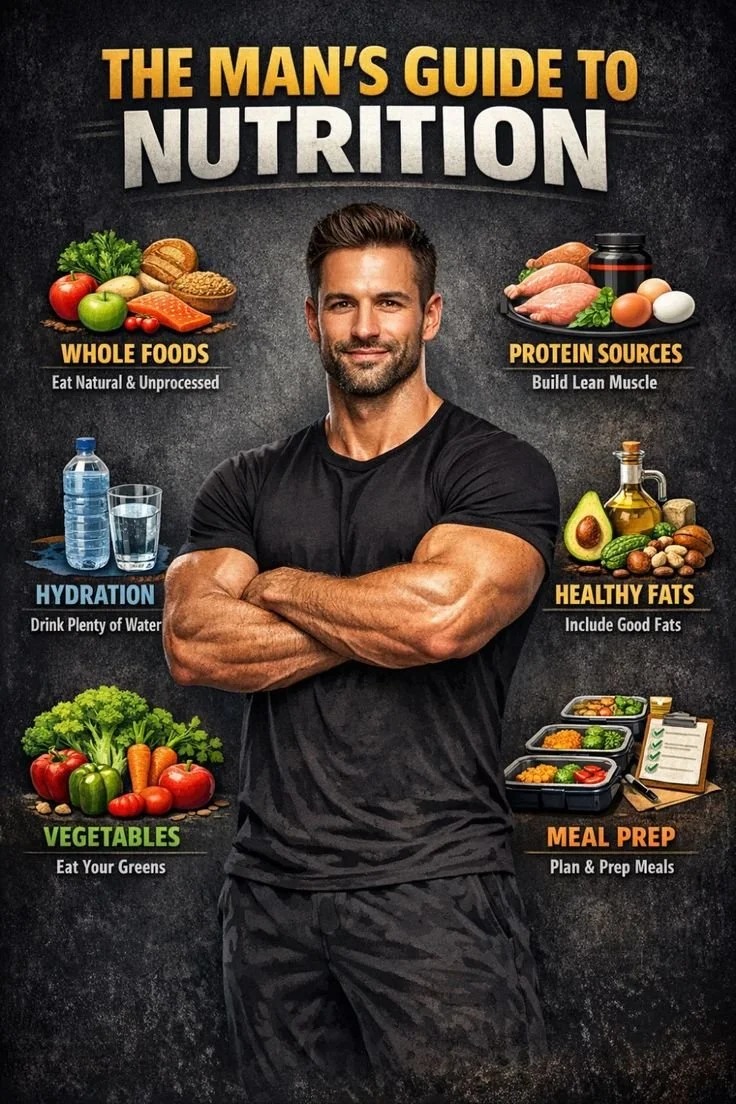
Nutrition

Focuses on the consumption of food and its impact on health. It covers healthy eating habits, balanced diets, meal plans, specific diet types (like keto or vegan), superfoods, weight management, and nutritional advice.


Delicious protein cookie dough with over 30 grams of protein in each serving.

Protein Cookie Dough Recipe – Over 30 Grams Of Protein!

Protein Cookie Dough — Over 30 Grams of Protein (Single-Serve)

If you want a safe-to-eat cookie dough that doubles as a high-protein snack, this single-serve protein cookie dough delivers more than 30 grams of protein with minimal fuss. It’s thick, scoopable, and customizable for allergies and flavor preferences. If you’re building a full day of high-protein meals, check out this roundup of 50 high-protein low-calorie meals for more ideas that pair well with this treat.

Why this works

  • Whey isolate (or another concentrated protein powder) provides the bulk of protein without adding a lot of carbs or fat.
  • Powdered peanut butter (or cottage cheese / Greek yogurt) boosts protein and improves texture.
  • Oat flour or quick oats add body so the dough holds together.

Ingredients (single serving)

  • 1 scoop (30 g) whey protein isolate — vanilla or chocolate (≈25 g protein)
  • 2 tbsp powdered peanut butter (PB2) mixed with 1–2 tbsp water OR 2 tbsp natural peanut butter (≈6–8 g protein for PB2)
  • 2 tbsp oat flour or 3 tbsp quick oats, lightly ground
  • 2–3 tbsp nonfat Greek yogurt or 2 tbsp low-fat cottage cheese (optional, for creaminess)
  • 1–2 tsp sweetener (maple syrup, honey, or zero-calorie sweetener)
  • 1–2 tbsp milk or unsweetened almond milk (to reach desired consistency)
  • Pinch of salt and 1/4 tsp vanilla extract
  • Optional mix-ins: mini dark chocolate chips, chopped nuts, or cinnamon

Estimated nutrition (approximate)

  • Protein: 30–35 g
  • Carbs: 18–25 g (depends on oats and sweetener)
  • Fat: 6–10 g (varies with peanut product)
  • Calories: ~300–360

Instructions

  1. Combine dry ingredients: In a small bowl, stir the protein powder, oat flour (or ground oats), and a pinch of salt.
  2. Add peanut butter base: If using PB2, mix the powder with 1–2 tbsp water first until it’s a spread-like consistency. If using natural peanut butter, just measure it.
  3. Mix wet ingredients: Add the peanut butter, Greek yogurt (or cottage cheese, if using), vanilla, and sweetener to the dry mix.
  4. Adjust consistency: Add milk a little at a time until you reach a thick, scoopable cookie-dough texture. If it’s too runny, sprinkle in a bit more protein powder or oats.
  5. Fold in mix-ins gently: Stir in up to 1 tbsp of mini chocolate chips or chopped nuts.
  6. Taste and tweak: Adjust sweetener or salt to preference.

Edible cookie dough vs baked cookies

  • To eat raw: This recipe is designed to be safe raw (no eggs). Use heat-treated flour or oats if you’re concerned—simply pulse oats in a blender for a few seconds or bake at 350°F (175°C) for 5 minutes and cool.
  • To bake: Scoop dough onto a lined baking sheet and flatten slightly; bake at 350°F (175°C) for 8–10 minutes for a soft cookie. Baking may reduce some protein bioavailability slightly, but flavor and texture change nicely.

Variations and swaps

  • Vegan: Use a plant-based protein powder (pea or soy) and swap Greek yogurt for blended silken tofu or extra nut butter. Add a flax "egg" (1 tbsp ground flax + 3 tbsp water) if baking.
  • Lower carb: Replace oats with almond flour (note: texture will be different) and choose a low-carb sweetener.
  • Higher protein: Stir in 2 tbsp nonfat dry milk powder or replace some oats with extra protein powder, but beware of dryness—add more yogurt/milk.

Serving ideas

  • Eat straight from the bowl with a spoon.
  • Scoop onto apple slices or rice cakes.
  • Use as a dip for strawberries or banana slices.
  • Spread between two small baked protein cookies to make an icebox sandwich.

Storage

  • Refrigerate in an airtight container for up to 3–4 days.
  • Freeze in portioned scoops (on a tray, then bagged) for up to 1 month; thaw briefly at room temperature before eating.

Troubleshooting

  • Too dry: Add a teaspoon or two of milk or Greek yogurt.
  • Too sweet or chalky: Use less protein powder next batch, or add more peanut butter and a pinch of salt.
  • Not holding together: Add more oat flour or chill the dough 10–15 minutes in the fridge.

Further dessert pairing
If you enjoy protein-forward desserts, you might also like a chocolate protein pudding recipe as a lighter, scoopable option that pairs well with small spoonfuls of cookie dough for a decadent but balanced treat.

Conclusion

For an easy, high-protein snack that tastes like dessert but fuels your goals, try this single-serve protein cookie dough. If you want a ready-made version or inspiration for a one-serving baked alternative, check out Single Serve Protein Cookies (30g protein!).

Protein Cookie Dough Recipe – Over 30 Grams Of Protein! Read More »

Healthy homemade Pumpkin Protein Balls made with natural ingredients

Pumpkin Protein Balls

Pumpkin Protein Balls: A Simple, Nourishing Snack

Pumpkin protein balls are bite-sized, nutrient-dense snacks that pair the cozy flavor of pumpkin with protein-rich ingredients for sustained energy. They’re perfect for breakfasts on the go, post-workout refueling, or a healthy dessert. If you enjoy experimenting with protein-based treats, you might also like ideas for 3-ingredient protein powder pancakes—a complementary quick option when you want something warm and filling.

Why Pumpkin Protein Balls Work

  • Pumpkin purée adds moisture, fiber, vitamins A and C, and a mild sweetness that pairs well with warming spices.
  • Protein powder and nut butter provide the staying power to keep you satisfied between meals.
  • No-bake preparation makes them fast, fridge-stable, and portable.

Ingredients (makes about 12–16 balls)

  • 1 cup canned pumpkin purée (not pumpkin pie filling)
  • 1 cup rolled oats (use gluten-free if needed)
  • 1/2–3/4 cup vanilla or unflavored protein powder
  • 1/3 cup natural nut butter (peanut, almond, or cashew)
  • 2–3 tbsp maple syrup or honey (adjust to taste)
  • 1 tsp vanilla extract
  • 1 tsp cinnamon, 1/4 tsp nutmeg, pinch of salt
  • Optional mix-ins: mini chocolate chips, chopped pecans, shredded coconut, chia seeds

Method

  1. In a bowl, combine the pumpkin purée, nut butter, maple syrup, and vanilla. Stir until smooth.
  2. Add oats, protein powder, spices, and salt. Mix until a thick dough forms. If too wet, add a tablespoon of oats or protein powder; if too dry, add a teaspoon of pumpkin or water.
  3. Fold in any optional mix-ins.
  4. Scoop tablespoon-sized portions and roll into balls with damp hands. Place on a parchment-lined tray.
  5. Chill in the fridge for at least 30 minutes to firm up. Store in an airtight container for up to 5 days or freeze for longer storage.

Variations and Flavor Ideas

  • Chocolate-Pumpkin: Use chocolate protein powder or stir in cocoa powder and a few chocolate chips.
  • Spiced Pecan: Fold in toasted pecan pieces and extra cinnamon.
  • Coconut & Seed: Roll the balls in shredded coconut and add a tablespoon of chia or flaxseed for extra fiber.
  • Lower-Sugar: Reduce or omit the sweetener and use a flavored protein powder or add a few raisins for natural sweetness.

Nutrition & Benefits

Pumpkin protein balls offer:

  • Balanced macronutrients when made with a protein powder and nut butter: carbs from oats and pumpkin, protein from powder and nut butter, healthy fats from nuts.
  • Micronutrients like vitamin A from pumpkin and minerals like magnesium from nuts.
  • Convenient portion control—each ball is typically around 80–120 calories depending on size and ingredients.

If you’re building a higher-protein meal plan, these balls pair well with other ideas from a collection of 50 high-protein, low-calorie meals to keep your day varied and on-target.

Make-Ahead, Storage & Serving Suggestions

  • Make a double batch and freeze in single layers on a tray, then transfer to a freezer bag for up to 3 months. Thaw in the fridge overnight or enjoy cold.
  • Pack a couple with a piece of fruit for a balanced snack. They’re also great crumbled over Greek yogurt or blended into a smoothie for extra texture and flavor.
  • To serve warm, microwave a ball for 10–15 seconds—soft and cozy without losing shape.

Tips for Success

  • Use protein powder that you enjoy the taste of—flavor and texture vary by brand.
  • If oats are too coarse for your liking, pulse them in a food processor for a finer texture.
  • Adjust sweetness after mixing; different protein powders alter perceived sweetness.
  • For a firmer bite, increase the oat-to-pumpkin ratio slightly.

Conclusion

If you want a ready-made variation or inspiration for no-bake versions, check out this recipe for No Bake Pumpkin Protein Balls l Jessica in the Kitchen for another take on pumpkin energy bites and helpful visual guidance.

Pumpkin Protein Balls Read More »

A variety of fat-burning foods including fruits, vegetables, and lean proteins.

9 Fat-Burning Foods That’ll Help You Reach Your Goals Faster

9 Fat-Burning Foods That’ll Help You Reach Your Goals Faster

Losing weight and leaning out efficiently isn’t just about eating less — it’s about eating smarter. Certain foods can help boost metabolism, increase satiety, preserve muscle, and improve hormonal signals that support fat loss. Combine smart food choices with consistent training and mindset work (for example, learn more about the importance of the mind-body connection) to accelerate results.

Below are nine evidence-backed foods that can help torch fat when used as part of an overall calorie-controlled, nutrient-dense plan. For each, you’ll get why it helps and practical ways to include it in meals.

1. Lean Protein (chicken, turkey, lean beef, tofu, fish)

Why: Protein has a high thermic effect (your body burns more calories digesting it), helps preserve lean muscle during weight loss, and increases fullness.
How to use: Aim for a protein source at each meal — grilled chicken salad, a turkey-stuffed sweet potato, or tofu stir-fry. If you strength train, pairing protein with resistance work improves body composition; a useful resource on building strength is mastering strength training.

2. Eggs

Why: Nutrient-dense and high in high-quality protein and healthy fats; eggs increase satiety and can reduce total daily calories when eaten for breakfast.
How to use: Whole-egg omelets with vegetables, hard-boiled eggs as snacks, or poached eggs atop roasted veggies.

3. Green Tea (especially Matcha)

Why: Contains caffeine and catechins like EGCG that can modestly increase metabolic rate and fat oxidation.
How to use: Drink unsweetened green tea between meals or use matcha in smoothies or yogurt bowls.

4. Chili Peppers (capsaicin-containing foods)

Why: Capsaicin can slightly boost calorie burn and reduce appetite for some people.
How to use: Add chopped chilies, hot sauce, or cayenne to soups, sauces, and marinades. Start mild if you’re sensitive.

5. Greek Yogurt (plain, low-fat or full-fat depending on calorie budget)

Why: High in protein, which aids muscle retention and satiety; probiotics may support gut health, which can influence weight regulation.
How to use: Use as a breakfast base with berries and nuts or as a creamy sauce substitute for sour cream.

6. Oats and Steel-Cut Oats

Why: High in soluble fiber, which slows digestion, stabilizes blood sugar, and increases fullness.
How to use: Overnight oats with protein powder, warm oatmeal topped with cinnamon and nuts, or use oat flour in baking.

7. Berries (blueberries, strawberries, raspberries)

Why: Low-calorie, fiber-rich, and nutrient-dense — they satisfy sweet cravings while adding bulk to meals.
How to use: Add to yogurt, salads, or blended into smoothies for natural sweetness and extra fiber.

8. Nuts and Seeds (almonds, walnuts, chia, flax)

Why: Provide healthy fats and protein; moderate amounts increase satiety and may help control snacking.
How to use: Use a small handful as a snack, sprinkle chia or flax into smoothies, or add chopped nuts to salads and oatmeal.

9. Non-starchy Vegetables (leafy greens, broccoli, peppers, zucchini)

Why: Very low in calories but high in volume and fiber, helping you feel full while keeping calorie intake low.
How to use: Fill half your plate with veggies at meals, spiralize zucchini as a pasta substitute, or roast a large tray of mixed vegetables for the week.

Practical Tips for Getting the Most from These Foods

  • Prioritize protein and vegetables at every meal to maximize satiety.
  • Use spices, herbs, and low-calorie condiments to make healthy foods more enjoyable — adherence is the most important factor.
  • Combine these foods with consistent resistance training and progressive overload to preserve muscle and increase metabolic rate.
  • Control portion sizes of calorie-dense items like nuts, and focus on whole, minimally processed forms of these foods where possible.
  • Keep a simple plan: rotate a few favorite meals and prep for the week to avoid decision fatigue.

Conclusion

Fat-loss-friendly foods can make dieting easier and more sustainable, but lasting results also require attention to behaviors around eating. If emotions or stress lead to overeating, it helps to address those patterns directly. For strategies on managing emotional eating as part of a weight-management plan, see the Weight loss: Gain control of emotional eating – Mayo Clinic.

9 Fat-Burning Foods That’ll Help You Reach Your Goals Faster Read More »

Selection of the best weight loss teas for effective fat burning and wellness

8 Of The Best Weight Loss Teas For Losing Weight

8 Best Teas for Weight Loss (and How to Use Them)

Teas can be a good addition to a sensible weight-loss plan: they’re low in calories, can help curb appetite, and some contain compounds that modestly boost metabolism or fat oxidation. Before diving in, remember that tea is an aid, not a miracle—sustainable results come from decent nutrition, consistent activity, and behavior change. If you want a deeper look at proven approaches, check out this overview of science-backed strategies to losing weight.

Below are eight teas widely regarded as helpful for weight control, how they work, and practical brewing tips.

1. Green Tea

Why it helps: Rich in catechins, especially EGCG, green tea can slightly increase metabolic rate and fat oxidation. Regular consumption has been associated with modest weight-loss benefits in some studies.
How to brew: Steep 2–3 g of leaves (1 tsp) in water at about 75–80°C (167–176°F) for 2–3 minutes to avoid bitterness.
Caution: Contains caffeine—limit late-day intake if sensitive.

2. Oolong Tea

Why it helps: Oolong is partially oxidized and combines attributes of green and black tea. It may improve fat burning and help with lipid metabolism.
How to brew: Use boiling water briefly (3–5 minutes). Multiple short infusions are common.
Caution: Caffeine levels vary with oxidation.

3. Pu-erh Tea

Why it helps: A fermented Chinese tea, pu-erh may influence gut microbes and lipid metabolism, with some studies showing reduced body weight and fat accumulation in animals.
How to brew: Rinse the leaves with hot water once, then steep for 2–4 minutes. Multiple infusions work well.
Caution: Strong flavor—start with short steeps.

4. White Tea

Why it helps: Minimally processed, white tea contains catechins and may inhibit the formation of new fat cells while promoting lipolysis (fat breakdown).
How to brew: Steep in water at 70–80°C (158–176°F) for 3–5 minutes.
Caution: Gentler flavor—avoid overheating.

5. Black Tea

Why it helps: Fully oxidized black tea has theaflavins and thearubigins that may influence weight by altering gut bacteria and decreasing calorie absorption in some cases.
How to brew: Steep 1 tsp in boiling water for 3–5 minutes.
Caution: Higher caffeine content than many other teas.

6. Yerba Mate

Why it helps: A South American infusion with caffeine and polyphenols; mate can increase alertness and energy expenditure and may reduce appetite for some people.
How to brew: Traditional steeping or 5–10 mins in hot (not boiling) water.
Caution: Contains stimulants—don’t overdo it, especially if you have hypertension.

7. Ginger Tea

Why it helps: Ginger supports digestion, can reduce appetite and nausea, and may slightly boost thermogenesis (heat production).
How to brew: Simmer sliced fresh ginger in water 5–10 minutes, or steep dried ginger.
Caution: May interact with blood-thinning medications in high doses.

8. Hibiscus Tea

Why it helps: Tart hibiscus is linked to improved metabolic markers and may reduce fat accumulation in animal studies; it’s caffeine-free and refreshing.
How to brew: Steep 1–2 teaspoons of dried calyces in hot water for 5–10 minutes, then strain.
Caution: Can lower blood pressure—monitor if you already have low blood pressure or take antihypertensives.

How to Use Tea Effectively for Weight Loss

  • Replace calorie-dense drinks (sodas, sugary coffee drinks) with plain or lightly flavored tea to reduce daily calorie intake.
  • Drink unsweetened or use minimal natural sweetener—added sugar quickly erases benefits.
  • Time your tea: a cup before a meal may help moderate appetite for some people; caffeinated teas early in the day can support activity.
  • Combine tea with consistent exercise and strength work; even short, focused routines can amplify results—pair teas with exercise like the practical ab workouts or other full-body sessions for better outcomes.

Safety and Practical Tips

  • Don’t exceed moderate intake: for caffeinated teas, 2–4 cups/day is a common sensible range depending on tolerance.
  • Watch for interactions: herbal teas can affect medications (e.g., ginger, hibiscus). Consult a clinician if you’re on prescriptions.
  • Quality matters: choose reputable brands or loose-leaf teas to avoid contaminants and maximize beneficial compounds.
  • Be patient: influences on weight are typically small; consider tea one helpful habit among many.

Conclusion

Teas can be a simple, low-calorie tool to support weight-loss efforts when combined with sound diet and exercise. For an easy reference to popular options and more detail, see this curated list of Top Teas for Weight Loss.

8 Of The Best Weight Loss Teas For Losing Weight Read More »

Image illustrating habits that sabotage weight loss success

11 Common Habits Sabotaging Your Weight Loss

11 Common Habits Sabotaging Your Weight Loss — and How to Fix Them

Trying to lose weight can feel like an uphill battle when everyday habits quietly work against you. Below are 11 common behaviors that derail progress, why they matter, and simple, practical fixes you can start using today. If stress or hormones are a factor for you, consider strategies for cortisol management like the detox cortisol cocktail to complement other changes.

1. Skipping meals (especially breakfast)

Why it sabotages: Skipping meals often leads to extreme hunger later, poor food choices, and overeating.
Fix: Aim for regular, balanced meals. A protein-rich breakfast can stabilize appetite and energy.

2. Mindless snacking while distracted

Why it sabotages: Eating while watching TV or working makes it easy to consume extra calories without noticing.
Fix: Create designated eating times and eat without screens. Pre-portion snacks if you need convenience.

3. Drinking calories

Why it sabotages: Sugary drinks, specialty coffees, and excessive alcohol add calories quickly and don’t fill you up.
Fix: Replace sugary beverages with water, sparkling water, or unsweetened tea. If you enjoy coffee drinks, switch to smaller sizes or lower-calorie options.

4. Relying on “low-fat” or “diet” processed foods

Why it sabotages: Many “diet” foods are high in sugar or refined carbs and can spike hunger and cravings.
Fix: Focus on whole foods—vegetables, lean proteins, whole grains, and healthy fats. Read labels and prioritize ingredient lists over marketing claims.

5. Not managing portion sizes

Why it sabotages: Even healthy foods can lead to weight gain in excessive amounts.
Fix: Use measuring cups or a food scale until you can eyeball portions accurately. Plate smaller serving sizes and wait 10–15 minutes before seconds.

6. Neglecting strength training

Why it sabotages: Only doing cardio can burn calories in the short term, but muscle loss lowers resting metabolic rate.
Fix: Include 2–3 strength sessions per week. Even bodyweight exercises or resistance bands increase lean mass and long-term calorie burn. For help setting realistic fitness goals, check out this guide on achievable weight-loss resolutions.

7. Sleep deprivation

Why it sabotages: Poor sleep disrupts hunger hormones (ghrelin and leptin), increases cravings, and reduces willpower.
Fix: Prioritize 7–9 hours of quality sleep. Establish a relaxing bedtime routine and limit screens before bed.

8. High, unmanaged stress

Why it sabotages: Chronic stress raises cortisol, which can promote fat storage—especially around the midsection—and increase appetite.
Fix: Build daily stress-management practices: short walks, breathing exercises, or a few minutes of meditation. Small, consistent steps reduce the biological drive to overeat.

9. Being too rigid or all-or-nothing

Why it sabotages: Strict rules lead to feelings of deprivation and bingeing when they inevitably fail.
Fix: Use a flexible approach—80/20 or mindful indulgences—so you can sustain healthy habits long term.

10. Obsessive scale-watching

Why it sabotages: Daily weigh-ins can be discouraging due to normal fluctuations and can undermine motivation.
Fix: Track trends weekly or biweekly, and use other progress measures such as energy levels, clothing fit, and strength gains.

11. Underestimating liquid and hidden calories (dressings, sauces, condiments)

Why it sabotages: Small extras add up: salad dressings, sauces, and toppings can turn a healthy meal into a calorie-dense one.
Fix: Measure dressings and use flavoring like herbs, lemon, or vinegar. Choose lighter condiments and be mindful when eating out.

Conclusion

Breaking weight-loss plateaus is often less about radical diets and more about noticing and adjusting small habits. For more examples of everyday behaviors that derail progress and practical ways to address them, see this roundup on 20 Everyday Habits That Sabotage Weight Loss Goals.

11 Common Habits Sabotaging Your Weight Loss Read More »

Combining Vitamin C with Arginine can give you a Nitric Oxide boost, study says (More in c0mments ⬇️)

Boosting Nitric Oxide: The Powerful Combination of Vitamin C and Arginine

Recent studies have highlighted an intriguing synergy between Vitamin C and Arginine, suggesting that their combination can significantly enhance nitric oxide levels in the body. Understanding this relationship may open new avenues for boosting cardiovascular health and improving overall wellness.

The Role of Nitric Oxide in the Body

Nitric oxide (NO) is a vital molecule that plays numerous roles in the human body, particularly in the cardiovascular system. It acts as a signaling molecule, helping blood vessels relax and expand, which improves blood flow and reduces blood pressure. Increased levels of nitric oxide can also enhance athletic performance by promoting better oxygen delivery to muscles.

Given its wide-ranging benefits, finding natural ways to increase nitric oxide production is a significant area of interest for health enthusiasts and researchers alike.

Understanding Vitamin C and Arginine

Vitamin C

Vitamin C, known for its antioxidant properties, is essential for the growth and repair of tissues in the body. Beyond its well-documented immune-boosting effects, Vitamin C is involved in the synthesis of nitric oxide. By protecting nitric oxide from oxidative stress, Vitamin C can help improve its availability in the bloodstream.

Arginine

Arginine, an amino acid found in various foods, is a precursor to nitric oxide production. The body converts arginine into nitric oxide, making it a key component in maintaining optimal NO levels. Studies have shown that supplementation with arginine can improve endothelial function, which is critical for maintaining cardiovascular health.

The Synergistic Effect

The recent study suggests that when Vitamin C is combined with Arginine, the effects on nitric oxide production are enhanced, leading to a greater boost than when each is taken alone. This combination not only helps in maintaining higher levels of nitric oxide but also ensures its stability in the body, thanks to Vitamin C’s antioxidant properties.

Practical Implications

For those looking to harness the benefits of this powerful duo, incorporating both Vitamin C and Arginine into your diet may be worthwhile. Foods rich in Arginine include:

  • Nuts and seeds: Almonds, walnuts, and pumpkin seeds are great sources.
  • Legumes: Beans and lentils are packed with Arginine.
  • Meat and poultry: Chicken, turkey, and lean cuts of beef offer ample amounts of this amino acid.

On the other hand, Vitamin C can be found in abundance in:

  • Fruits: Oranges, strawberries, kiwis, and guavas.
  • Vegetables: Bell peppers, broccoli, and Brussels sprouts.

Conclusion

In summary, the combination of Vitamin C and Arginine presents an exciting opportunity for enhancing nitric oxide levels in the body, promoting better cardiovascular health and potentially improving athletic performance. As research continues to unfold, integrating these two nutrients into a balanced diet could prove beneficial for those looking to optimize their health. Always consult with a healthcare professional before adding new supplements or significantly altering your diet.

By understanding the potential benefits of this powerful combination, you can take proactive steps toward improved health and wellness. Embrace the synergy of Vitamin C and Arginine, and unlock the benefits of boosted nitric oxide production.

Combining Vitamin C with Arginine can give you a Nitric Oxide boost, study says (More in c0mments ⬇️) Read More »

In an article published in the medical journal The Lancet, 43 scientists and researchers joined forces to determine whether ultra processed foods are “replacing” fresh food and meals. Their conclusion…

The Evolution of Diet: Are Ultra-Processed Foods Replacing Fresh Foods?

In a world increasingly driven by convenience and fast-paced lifestyles, the rise of ultra-processed foods has sparked considerable debate among health professionals and researchers alike. Recently, a compelling study published in the esteemed medical journal The Lancet has united 43 scientists and researchers to explore an intriguing question: Are ultra-processed foods effectively replacing fresh food and meals in our daily diets?

Understanding Ultra-Processed Foods

Ultra-processed foods are defined as products that have been significantly altered from their original form through industrial processing, which includes the addition of sugar, fats, salt, preservatives, and artificial flavors. Common examples include sugary cereals, frozen meals, and snack bars. The convenience of these items often appeals to busy individuals seeking quick meal solutions, but their long-term health implications have raised alarms among nutritionists and wellness advocates.

A Collaborative Research Effort

In an unprecedented collaboration, 43 experts across various fields of study — including nutrition, public health, and food science — embarked on a comprehensive investigation into the impact of ultra-processed foods on dietary habits. Their findings, released in The Lancet, present a multifaceted view of how these foods are intertwined with the lifestyles of modern consumers.

Key Findings: The Replacement Effect

The researchers concluded that ultra-processed foods are indeed making significant inroads into our daily dietary choices. Several critical factors influenced this trend:

  1. Accessibility and Convenience: Ultra-processed food items are often readily available in supermarkets and convenience stores, making them an attractive option for individuals with busy schedules. The ease of preparation appeals to a generation that prefers quick solutions.

  2. Marketing Strategies: Aggressive marketing tactics, particularly targeted toward younger demographics, have fostered a culture that prioritizes the consumption of packaged goods over fresh produce. This representation can distort perceptions of food quality and nutritional value.

  3. Social Influences: Social media and cultural shifts play an undeniable role in shaping dietary preferences. The portrayal of fast food and ultra-processed snacks as trendy can lead to a decline in the consumption of traditional meals and fresh ingredients.

  4. Economic Factors: In some regions, the lower cost of ultra-processed foods compared to fresh produce makes them the go-to choice for budget-conscious consumers. Economic constraints can limit access to healthier options, further entrenching the popularity of processed foods.

Consequences for Public Health

The shift toward ultra-processed foods is not without its concerns. The research group highlighted potential health implications, including rising rates of obesity, diabetes, and other chronic conditions. The high levels of sugar, unhealthy fats, and additives commonly found in these foods can contribute to adverse health outcomes.

As the prevalence of ultra-processed foods continues to grow, the researchers advocate for public health initiatives that promote education about healthy eating and accessibility to fresh foods. They urge policymakers to consider regulations on marketing practices and to foster environments that encourage fresh food consumption.

Conclusion: A Call to Action

The findings from this extensive investigation underscore an urgent need for awareness and action. While ultra-processed foods may offer convenience, the long-term impact on health and well-being is a growing concern that requires collective attention. Individuals, communities, and policymakers must work together to strike a balance between convenience and health, ensuring that fresh foods regain their rightful place at the center of our diets.

As consumers, we hold the power to influence the market through our choices. By prioritizing fresh, wholesome ingredients and advocating for better food policies, we can help redirect the trajectory of our dietary patterns toward healthier, more sustainable eating habits. The collaboration of 43 minds has illuminated a path forward — it is now up to us to follow it.

In an article published in the medical journal The Lancet, 43 scientists and researchers joined forces to determine whether ultra processed foods are “replacing” fresh food and meals. Their conclusion… Read More »

Just imagine the protein farts 😂😂💪 Read more below ⬇️⬇️

The Unspoken Truth about Protein Farts 🥴💨

Ah, protein – the cornerstone of fitness diets, muscle-building regimens, and those perplexing pre-workout shakes. But with great protein comes great responsibility… or should we say, great embarrassment? Yes, we’re diving into the not-so-glamorous world of protein farts. 😂💪

What Are Protein Farts?

Let’s break it down. Protein farts are a common side effect of consuming high-protein foods or supplements. When our bodies process protein, they produce gas as a byproduct of digestion. If you’ve recently ramped up your protein intake, you might be nodding knowingly right now.

But why does protein lead to farts? The primary culprits are certain amino acids and the body’s difficulty absorbing some protein types, especially if consumed in large quantities or from certain sources.

The Science Behind It

When the body digests protein, it breaks it down into amino acids using enzymes. However, not all proteins are created equal. Some are easily digestible, like whey protein, while others, such as certain plant-based proteins, can lead to fermentation in the gut, producing gases like nitrogen, methane, and hydrogen.

If your gut microbiome isn’t used to this increase in protein or if you’re consuming large amounts of protein shakes, you might experience more than just some discomfort. Your body could end up becoming a veritable gas factory!

Common Offenders

If you’re wondering which proteins are most likely to cause those infamous protein farts, here are the usual suspects:

  1. Whey Protein: While popular among fitness enthusiasts, due to lactose content, it can cause gas in lactose-sensitive individuals.
  2. Soy Protein: Some people find it hard to digest, leading to gas and bloating.
  3. Pea Protein: Though a great plant-based source, it can ferment in the gut leading to increased gas production.

Strategies to Combat the Fart

So how do you enjoy your post-workout protein without turning into a comedy show? Here are some tips:

  1. Gradually Increase Your Intake: Instead of shocking your system with a protein overload, slowly increase your consumption to give your gut time to adjust.

  2. Stay Hydrated: Drinking plenty of water can aid in digestion and help reduce gas build-up.

  3. Choose Digestible Proteins: Opt for easily digestible protein sources like eggs, chicken, or Greek yogurt to minimize gas production.

  4. Incorporate Digestive Aids: Consider taking digestive enzymes or probiotic supplements to help your body break down protein more efficiently.

  5. Avoid Carbonated Drinks: Just what you need – gas on top of gas!

Embrace the Journey (and the Gassy Moments)

While protein farts might bring a smile (or a grimace), they’re a natural result of the body’s processes. Remember, everyone in the fitness community has faced this, and it’s all part of the journey toward muscle gains and fitness goals.

So next time you lift, just imagine: it’s not just you working hard in the gym; it’s also your stomach undergoing the ‘digestive workout’ of its life. 😅💪

As you push through your reps, keep this in mind: protein farts are merely a small price to pay for a healthier, stronger you!


Now go forth, lift those weights, and laugh off those farts! 💨😂

Just imagine the protein farts 😂😂💪 Read more below ⬇️⬇️ Read More »

Science Explains why Lack of Sleep Leads to Weight Gain (read more in comments)

The Science Behind Sleep Deprivation and Weight Gain

In our fast-paced world, sleep often takes a backseat to our many obligations and activities. However, a growing body of research reveals that not getting enough rest can have significant consequences for our health, particularly when it comes to weight gain. This article delves into the science explaining why lack of sleep can lead to an increase in body weight.

The Sleep-Weight Connection

Hormonal Imbalances

One of the primary ways that sleep deprivation contributes to weight gain is through its impact on hormone regulation. Sleep plays a critical role in the balance of hormones that control appetite:

  • Ghrelin: This hormone stimulates hunger. Studies suggest that when individuals do not get enough sleep, levels of ghrelin increase, leading to heightened feelings of hunger.

  • Leptin: In contrast, leptin is responsible for signaling fullness to the brain. Lack of sleep can decrease leptin levels, which means that the body does not receive the correct signals to stop eating.

The disruption of these hormones can lead to increased caloric intake and a greater tendency to indulge in high-calorie foods.

Increased Cravings

Sleep deprivation can also alter food cravings. Research indicates that when individuals are sleep-deprived, they are more likely to crave unhealthy foods, particularly those high in sugar and fat. The brain’s reward centers become more activated when these types of foods are consumed, reinforcing the desire to keep eating them.

Impact on Metabolism

Another factor to consider is how sleep affects metabolism. Insufficient sleep can lead to metabolic dysregulation, which means that our bodies may become less efficient at processing glucose and fat. A slow metabolism can make it easier to gain weight, even if dietary habits remain the same.

Behavioral Changes

Lack of sleep can also lead to behavioral changes that promote weight gain. When tired, individuals may be less inclined to engage in physical activity. Fatigue can drain motivation, making it easier to opt for sedentary activities instead of exercise. Furthermore, sleep-deprived individuals may be more prone to emotional eating, using food as a coping mechanism for stress or discomfort.

Quality vs. Quantity of Sleep

It is important to note that both the quality and quantity of sleep matter. Even if one gets the recommended hours, poor quality sleep may still disrupt the hormones and mechanisms associated with weight management. Factors that can affect sleep quality include stress, consumption of caffeine or alcohol, and exposure to screens before bedtime.

Conclusion

The connection between sleep and weight gain is undeniable. By understanding the biological mechanisms at play, individuals can take steps to prioritize sleep as a crucial component of a healthy lifestyle. Adequate and quality sleep not only enhances overall well-being but can also play a significant role in maintaining a healthy weight.

As science continues to uncover the intricate relationship between sleep and health, it becomes increasingly clear that adequate rest should be viewed as a vital pillar of our overall wellness strategy. A good night’s sleep may be one of the simplest yet most powerful tools in the fight against weight gain.

For further insights and discussions, feel free to leave your comments below!

Science Explains why Lack of Sleep Leads to Weight Gain (read more in comments) Read More »

High protein pepperoni pizza rolls with cheese, crispy crust, and macro-friendly ingredients.

High Protein Pepperoni Pizza Rolls – Cheesy, Crispy & Macro-Friendly!

High Protein Pepperoni Pizza Rolls – Cheesy, Crispy & Macro-Friendly!

If you love pizza but want something portable, portion-controlled, and higher in protein, these High Protein Pepperoni Pizza Rolls deliver on flavor and macros. They’re crunchy on the outside, gooey and cheesy inside, and simple to batch-cook for meal prep or snacks. For those tracking targets, these make a great complement to a broader plan — see a helpful daily protein intake guide for context on how these fit into higher-protein days.

Why this recipe works:

  • Uses higher-protein dough or wraps and lean cheese/pepperoni options.
  • Baked until crisp (less oil than frying).
  • Easily scaled and frozen for quick reheating.

Ingredients (makes ~12 rolls)

  • 1 package high-protein pizza dough or 6 high-protein flatbreads/tortillas (use whichever yields similar macros)
  • 6 oz part-skim shredded mozzarella
  • 4 oz low-fat pepperoni or turkey pepperoni, sliced
  • 1/2 cup marinara sauce (low-sugar)
  • 1 egg, beaten (for egg wash)
  • 1 tsp garlic powder
  • 1 tsp Italian seasoning
  • Optional: 1/4 cup chopped fresh basil or spinach for added nutrients

Substitutions:

  • Swap turkey pepperoni or thinly sliced chicken breast for lower fat.
  • Use a high-protein wrap (e.g., whey-enriched) if you can’t find dough.

Directions

  1. Preheat oven to 425°F (220°C). Line a baking sheet with parchment paper.
  2. On a lightly floured surface, roll the dough or open each wrap. If using dough, divide into 12 equal portions; if using wraps, cut each into two or three strips depending on size.
  3. Spread about 1 tsp marinara across each portion, leaving a small border.
  4. Sprinkle ~1 tbsp shredded mozzarella on top of the sauce, then add 2–3 pepperoni slices. Add a small pinch of garlic powder and Italian seasoning.
  5. Roll each piece tightly and place seam-side down on the baking sheet. Brush tops with beaten egg for a golden finish.
  6. Bake 12–15 minutes or until golden brown and crispy. For extra crispness, broil 1 minute at the end—watch closely.
  7. Let cool 2–3 minutes before serving so the cheese sets slightly.

Make-ahead and storage:

  • Freeze: Place unbaked rolls on a tray, freeze until firm, then transfer to a zip-top bag. Bake from frozen, adding ~5–8 minutes.
  • Refrigerate: Store in an airtight container up to 3 days. Reheat in the oven or air fryer to maintain crispness.

Macros & Nutrition (approx. per roll)

  • Calories: 120–160
  • Protein: 8–12 g
  • Carbs: 10–15 g
  • Fat: 5–8 g

Exact macros will vary by dough/wrap and pepperoni choice. These rolls are designed to be macro-friendly while staying satisfying — if you’re aiming for a specific protein target, check how they fit into your day or compare against a target like the 200 g protein benchmark.

Tips for Better Texture & Flavor

  • Don’t overload with sauce—too much moisture makes them soggy.
  • For even browning, rotate the sheet halfway through baking.
  • Add a sprinkle of parmesan and red pepper flakes after baking for a flavor boost.
  • Use an air fryer for smaller batches—set at 380°F (195°C) for 6–8 minutes.

Variations

  • Veggie Boost: Add thinly sliced bell pepper, mushrooms, or spinach.
  • BBQ Chicken: Swap marinara for BBQ sauce and pepperoni for shredded chicken and red onion.
  • Mini Calzones: Make larger rolls and serve with a side of marinara for dipping.

Serving Ideas

  • Pair with a crisp salad to increase volume while keeping calories in check.
  • Serve as a protein-forward appetizer at gatherings — they’re easy to eat with one hand.
  • Pack 2–3 with a side of veggies for a balanced lunch.

Conclusion

If you’re building a macro-friendly menu of snacks and appetizers, these High Protein Pepperoni Pizza Rolls are a tasty, practical option. For more ideas on portable, macro-conscious finger foods, check out this roundup of Macro Friendly Appetizers – The Flexible Dieting Lifestyle.

High Protein Pepperoni Pizza Rolls – Cheesy, Crispy & Macro-Friendly! Read More »

Healthy cinnamon roll protein bites ready for a sweet snack

Cinnamon Roll Protein Bites

Cinnamon Roll Protein Bites

Introduction
Whether you crave the warm, nostalgic flavor of a cinnamon roll or need a compact protein boost between workouts, Cinnamon Roll Protein Bites combine both desires in a single bite-sized snack. These no-bake balls replicate the sweet, warmly spiced character of a classic pastry while packing protein and fiber to keep you satisfied. If you’re tracking your macros or assessing how much protein you need throughout the day, this quick primer can pair well with broader guidelines like this daily protein overview: how much protein to eat.

Why make them?

  • Fast, no-bake prep — ready in 15–20 minutes.
  • Portable and shelf-stable for a few days.
  • Customizable to suit vegan, gluten-free, or higher-protein needs.
  • Great for breakfast on the go, snack-time, or post-workout recovery.

Ingredients (yields ~12–14 bites)

  • 1 cup rolled oats (gluten-free if desired)
  • 1 cup protein powder (vanilla works best; whey or plant-based)
  • 1/4 cup almond flour or finely ground oats
  • 1/2–3/4 cup nut butter (almond, cashew, or peanut)
  • 1/4 cup milk or milk alternative (add more if needed)
  • 2–3 tbsp maple syrup or honey (to taste)
  • 1 tsp ground cinnamon
  • 1/2 tsp vanilla extract
  • Pinch of salt
  • Optional: 1–2 tbsp chia seeds or flaxseed for extra fiber
  • Optional glaze: 2 tbsp cream cheese or cashew cream + 1–2 tsp maple syrup + dash of vanilla for a “frosting” effect

Equipment

  • Mixing bowl, spatula, tablespoon or small cookie scoop, baking sheet or plate, and refrigerator.

Directions

  1. Combine dry ingredients: In a large bowl, mix the oats, protein powder, almond flour, cinnamon, and salt until evenly distributed.
  2. Add wet ingredients: Stir in the nut butter, maple syrup, vanilla, and half the milk. Mix until a dough forms. If the dough is too dry, add milk a teaspoon at a time until it holds together; if too sticky, add a touch more oats or protein powder.
  3. Form bites: Using a tablespoon or small cookie scoop, portion out the dough and roll into 1-inch balls. Place on a lined baking sheet or plate.
  4. Optional glaze: Blend glaze ingredients until smooth and drizzle over half the bites for a “frosted cinnamon roll” appearance, or dip each bite in glaze and return to the tray.
  5. Chill: Refrigerate for at least 15–20 minutes to firm up. Store in an airtight container in the fridge for up to 7 days or freeze for longer storage.

Flavor variations and add-ins

  • Apple-cinnamon: Stir in 1–2 tbsp of unsweetened apple sauce and a few dried apple bits.
  • Raisin or sultana: Fold in 2–3 tbsp of finely chopped raisins for a raisin-cinnamon roll vibe.
  • Chocolate-cinnamon: Add 1 tbsp cocoa powder and top with a pinch of sea salt.
  • Higher protein: Use a denser protein powder or add 1–2 tbsp of powdered milk or collagen to boost protein without changing texture much.

Tips for texture and sweetness

  • Choose a high-quality vanilla protein powder to impart sweetness and a smooth texture without relying only on syrup.
  • Nut butter temperature matters: slightly warmed nut butter mixes easier; chilled will make the dough stiff and harder to combine.
  • If you want a softer, cake-like bite, pulse the oats in a blender for a finer crumb before mixing.
  • Taste as you go—adjust maple syrup and cinnamon to match your preference.

Nutrition snapshot (approximate per bite, depends on ingredients)

  • Calories: 90–140
  • Protein: 6–12 g
  • Carbs: 7–12 g
  • Fat: 4–8 g
    These bites are a convenient way to add measured protein to your day; for context about daily protein goals and how to distribute intake, consult resources that explain ideal daily amounts and timing: daily protein guidelines.

Storage and serving ideas

  • Keep refrigerated up to a week or freeze up to 3 months; thaw in the fridge or at room temperature.
  • Serve chilled for a firmer bite, or let sit 5–10 minutes at room temperature for a softer, chewier texture.
  • Pair with coffee, a smoothie, or a Greek yogurt bowl for a rounded mini-meal.

Safety and allergen notes

  • Swap nut butter for sunflower seed butter to make these nut-free.
  • Choose certified gluten-free oats if you must avoid gluten.
  • If using raw eggs in alternative binding methods (not in the recipe above), note food-safety concerns—this recipe avoids eggs by design.

Conclusion

If you want another cinnamon-inspired energy snack recipe to compare textures and sweetness levels, check out this Cinnamon Roll Energy Bites – Build Your Bite for a complementary take on the classic flavor.

Cinnamon Roll Protein Bites Read More »

High Protein Cheat Sheet PDF from a Dietitian for Meal Planning

A Dietitian’s High Protein Cheat Sheet (Free PDF)

A Dietitian’s High-Protein Cheat Sheet: Practical Tips and Meal Ideas

If you want to build muscle, curb hunger, or simply eat more purposefully, a high-protein approach can make a big difference. This article breaks down how to use a dietitian-made cheat sheet to hit protein goals without overcomplicating your day. For a quick primer on daily targets, check out this guide to daily protein intake and what 200 grams looks like for context on portion sizes and needs.

What you’ll learn here:

  • Why prioritizing protein matters
  • How to read and apply a simple cheat sheet
  • Fast swaps, sample meals, and timing tips to make higher-protein eating sustainable

Introduction: Why a cheat sheet helps
Eating more protein doesn’t mean living on chicken and eggs alone. A well-designed cheat sheet reduces decision fatigue by listing high-protein choices, typical serving sizes, and quick meal combos. It’s especially useful when you’re short on time, traveling, or meal-prepping for the week.

Why protein matters (short version)

  • Satiety: Protein helps you feel full longer, which can reduce snacking and overeating.
  • Muscle maintenance and growth: Adequate protein supports recovery after strength training and helps preserve lean mass during weight loss.
  • Metabolic boost: Digesting protein burns more calories than carbs or fats (the thermic effect of food).

How to use the cheat sheet effectively

  1. Start by estimating your protein target (per kg of body weight or per meal). If you train frequently or are trying to build muscle, aim for higher ends of the range.
  2. Use the cheat sheet to pick 2–3 staple proteins you enjoy and rotate them. Variety ensures you get complementary nutrients (iron, zinc, B12).
  3. Combine protein with fiber and healthy fats for balanced meals that keep blood sugar steady.
  4. Portion control: the cheat sheet’s serving sizes help you eyeball reasonable portions without weighing every bite.

High-protein swaps and pantry staples

  • Swap low-protein grains for higher-protein options: choose lentils, chickpeas, or quinoa instead of rice for a boost.
  • Keep shelf-stable protein: canned tuna, salmon, and white beans are quick and versatile.
  • Dairy and alternatives: Greek yogurt, cottage cheese, and fortified soy products provide concentrated protein in small volumes.
  • Plant-based options: tofu, tempeh, seitan, and mixed legumes are excellent for vegetarian or vegan plans.

Sample meal framework (easy to memorize)

  • Breakfast: Protein (yogurt or eggs) + fiber (berries, oats) + fat (nuts or seeds)
  • Lunch: Protein (chicken, tofu, or legumes) + veg + whole grain or starchy veg
  • Snack: Protein-rich snack (cheese stick, protein shake, or hummus with veg)
  • Dinner: Protein + abundant vegetables + healthy fat (olive oil, avocado)

Timing and training considerations
Eating protein across the day—rather than all at once—supports muscle protein synthesis more consistently. Pair protein-containing meals with training sessions to aid recovery. If you’re someone who trains regularly at the gym, integrating nutrient timing and protein-focused meals enhances the benefits; for a lighthearted take on consistency and gym habits, see this perspective on why people stick to the gym culture (reasons the gym beats excuses).

Quick meal ideas from the cheat sheet

  • Overnight oats made with Greek yogurt and chia seeds
  • Grain bowl: quinoa, roasted chickpeas, spinach, tahini
  • Stir-fry: tofu or shrimp with broccoli and brown rice
  • Snack plate: smoked salmon, whole-grain crackers, cucumber, and cottage cheese

Practical tips for busy people

  • Batch-cook protein sources (baked chicken, roasted tempeh, boiled eggs) and portion into containers.
  • Use high-protein convenience items smartly—canned beans, shelf-stable lentils, and protein bars with minimal sugar.
  • Keep a small list of 5-minute meals for days you don’t want to cook: tuna salad, cottage cheese + fruit, or a quick protein shake blended with frozen berries.

Common myths debunked

  • Myth: More protein always equals faster results. Reality: Excess protein beyond needs is stored or used for energy; aim for appropriate targets.
  • Myth: High-protein diets are automatically harmful to kidneys. Reality: For healthy individuals, higher protein intakes are safe; people with kidney disease should follow medical guidance.
  • Myth: Plant proteins are inferior. Reality: Plant proteins can meet needs when you include varied sources and adequate totals.

Sample one-week checklist (use the cheat sheet to customize)

  • Pick 3 proteins you enjoy for the week
  • Schedule two strength-training sessions and align post-workout protein
  • Prep one protein-rich snack and one grain-free meal for each day
  • Track protein at each meal for three days to identify gaps

Conclusion

If you want a ready-made resource to keep on your phone or fridge, download the dietitian-created resource titled A Dietitian’s High Protein Cheat Sheet (Free PDF) for a printable list of portion sizes, food swaps, and quick meal templates.

A Dietitian’s High Protein Cheat Sheet (Free PDF) Read More »

Homemade Cottage Cheese Chips served in a bowl

Cottage Cheese Chips Recipe

Cottage Cheese Chips Recipe

Introduction
Cottage cheese chips are a surprising, protein-packed snack that crisps up beautifully when baked or dehydrated. They’re low in carbs, high in protein, and provide a neutral base for savory or spicy seasonings. This recipe shows how to turn simple cottage cheese into crunchy, addictive chips you can customize however you like.

Ingredients (makes ~2 dozen chips)

  • 1 cup cottage cheese (full-fat or low-fat; small curd works best)
  • 1 large egg white (optional — helps bind and crisp)
  • 1/4 cup grated Parmesan or nutritional yeast (for added crispness and flavor; optional)
  • 1/2 tsp garlic powder
  • 1/2 tsp onion powder
  • 1/4 tsp salt (adjust to taste)
  • Freshly ground black pepper, pinch
    Optional toppings/seasonings: smoked paprika, chili flakes, za’atar, Italian seasoning, everything bagel mix

Equipment

  • Baking sheet(s)
  • Parchment paper or silicone baking mat
  • Fine mesh strainer or cheesecloth (to drain excess whey)
  • Piping bag or spoon
  • Oven, dehydrator, or air fryer

Preparation (important step)

  1. Drain the cottage cheese: Place cottage cheese in a fine mesh strainer lined with cheesecloth or paper towel and let it drain for 30–60 minutes to remove extra liquid. Removing whey is key to getting chips that crisp instead of stay soft.
  2. Dry further (optional): For extra dryness, spread drained curds on a paper towel and pat gently.

Mixing the batter

  1. In a bowl, combine drained cottage cheese, egg white (if using), Parmesan or nutritional yeast, garlic powder, onion powder, salt, and pepper.
  2. Stir or pulse briefly in a food processor for a smoother, more uniform mixture (this helps chips hold together). Don’t over-process — you still want some curd texture.

Shaping and cooking methods
A) Oven method (crispiest, easiest)

  1. Preheat oven to 275°F (135°C).
  2. Line a baking sheet with parchment paper or a silicone mat.
  3. Using a piping bag or two spoons, drop small 1–1.5 teaspoon mounds about 1 inch apart. Flatten slightly to 1/8–1/4 inch thickness.
  4. Sprinkle desired seasoning on top.
  5. Bake 40–60 minutes until edges are lightly golden and chips feel firm. For extra crispness, flip chips after 30 minutes and bake until thoroughly dried.
  6. Cool completely on a wire rack — chips will crisp more as they cool.

B) Dehydrator method (gentle, very crisp)

  1. Spread small mounds or thin discs on dehydrator trays lined with nonstick sheets.
  2. Dehydrate at 135°F (57°C) for 6–10 hours, or until chips are dry and brittle. Times vary by dehydrator and humidity.

C) Air fryer method (fastest)

  1. Preheat air fryer to 300°F (150°C).
  2. Place small, well-spaced mounds on parchment fitted to the basket.
  3. Cook 12–20 minutes, checking frequently. Flip once halfway through. Remove when golden and crisp.

Tips & Troubleshooting

  • Too soft? Drain more whey and dry longer in the oven or dehydrator. Thinner discs crisp better than tall mounds.
  • Spreading too much? Keep thickness uniform — aim for about 1/8–1/4 inch.
  • Sticking? Use parchment or silicone mats and let chips cool fully before attempting removal.
  • Flavor boost: Add a little finely grated lemon zest and cracked pepper for bright chips, or try smoked paprika and cayenne for heat.

Variations

  • Ranch: Mix a teaspoon of dried dill and a teaspoon of buttermilk powder into the batter.
  • Cheesy herb: Use a 50/50 blend of Parmesan and pecorino with chopped fresh parsley.
  • Spicy sesame: Add chili flakes and sprinkle sesame seeds on top before baking.
  • Sweet twist: Blend cottage cheese smooth, add a touch of sweetener and cinnamon, pipe thinly, and dehydrate for a different kind of crisp (note: results differ from savory chips).

Nutrition (approximate per chip, based on 2 dozen chips from recipe)

  • Calories: 25–35
  • Protein: 2–3 g
  • Fat: 1–2 g (varies by cottage cheese fat level and added cheese)
  • Carbs: 0.5–1 g
    Exact values depend on specific ingredients used.

Storage

  • Store fully cooled chips in an airtight container at room temperature for 2–3 days.
  • For longer storage, keep them in the refrigerator (they may lose some crispness) or freeze in a single layer and re-crisp in the oven at 300°F (150°C) for 5–8 minutes.

Serving suggestions

  • Serve with guacamole, tzatziki, hummus, or a high-protein dip.
  • Use as a crunchy topping for salads or soups (add at the last minute so they stay crisp).
  • Pack as a travel snack — include a small dip container if desired.

Conclusion

For a quick, protein-rich snack idea and an alternative one-ingredient approach to making cottage cheese chips, check out this recipe: 1 Ingredient Keto Cottage Cheese Chips – Kirbie’s Cravings.

Cottage Cheese Chips Recipe Read More »

Delicious Greek chicken bowls for clean eating meal prep with fresh ingredients

Greek Chicken Bowls: Easy Clean Eating Meal Prep

Greek Chicken Bowls: Easy Clean Eating Meal Prep

Introduction
Greek chicken bowls are a bright, satisfying way to eat clean without sacrificing flavor. With simple ingredients—lemony chicken, crisp veggies, olives, and a tangy tzatziki—you can build meals that stay fresh all week. If you’re planning a weekly menu around balanced, flavorful dishes, you might find helpful frameworks in a 7-day meal plan guide to pair with these bowls.

Why they work for meal prep

  • Balanced macronutrients: protein from chicken, healthy fats from olive oil and olives, and complex carbs from grains or roasted veggies.
  • Variety in textures and flavors keeps meals interesting without extra effort.
  • Components can be prepped in batches and combined quickly for grab-and-go lunches or dinners.

Ingredients (per 4 bowls)

  • 1.5–2 lb boneless, skinless chicken breasts or thighs
  • 2 lemons (zest + juice)
  • 3 cloves garlic, minced
  • 1 tbsp dried oregano
  • 3 tbsp olive oil
  • Salt and pepper
  • 2 cups cooked quinoa, farro, or brown rice
  • 1 cucumber, diced
  • 2 cups cherry tomatoes, halved
  • 1/2 red onion, thinly sliced
  • 1/2 cup Kalamata olives, pitted and halved
  • 1/2 cup crumbled feta (optional)
  • Fresh parsley or dill for garnish

Simple marinade and cooking

  1. Marinade: Whisk lemon juice, zest, minced garlic, oregano, olive oil, salt, and pepper. Place chicken in the marinade for at least 30 minutes (or up to 8 hours).
  2. Cook: Grill, bake at 400°F (200°C) for 18–25 minutes depending on thickness, or pan-sear until internal temperature reaches 165°F (74°C). Rest for 5 minutes, then slice.
  3. Quick tzatziki: Combine Greek yogurt, grated cucumber (squeeze out excess water), minced garlic, lemon juice, dill, salt, and a drizzle of olive oil.

Building batches: grain and veggie prep
Roast or cook your chosen grain in a large batch and portion it into containers. Roast vegetables like bell peppers, zucchini, and eggplant together with olive oil, salt, and pepper for added variety. For a lighter bowl, use fresh chopped cucumber, tomato, and red onion—no reheating needed.

To keep things fresh and customizable, store components separately: grains, chicken, tzatziki, and fresh veggies. When ready to eat, assemble a base of grain or greens, add sliced chicken, spoon on tzatziki, and finish with olives, feta, and herbs. If you prefer a structured weekly routine, pairing these bowls with a broader plan can simplify shopping and prep; see this meal planning resource for ideas and scheduling tips.

Storage and reheating

  • Refrigerate: up to 4 days when stored in airtight containers.
  • Freezing: grill the chicken and freeze in portions for up to 2 months; thaw overnight in the fridge before using.
  • Reheat sliced chicken gently in a skillet with a splash of water or in the microwave covered for short intervals to avoid drying out.
  • Keep tzatziki cold and add fresh just before serving to maintain texture.

Variations and swaps

  • Vegetarian: replace chicken with pan-fried halloumi, roasted chickpeas, or marinated tofu.
  • Low-carb: use a bed of mixed greens instead of grains.
  • Mediterranean twist: add roasted artichokes, sun-dried tomatoes, or a spoonful of hummus.
  • Spices: swap oregano for za’atar or add smoked paprika for a subtle depth.

Nutrition and portioning
A typical bowl offers about 350–500 calories depending on grain choice and feta amount. Adjust portions of grain and oil to meet your caloric needs. These bowls deliver lean protein, fiber, and healthy fats—ideal for clean-eating goals and recovery after workouts.

Prep timeline (sample)

  • Sunday: Marinate and cook chicken; cook grains; chop fresh veggies; make tzatziki.
  • Monday–Thursday: Assemble fresh or layer components to eat cold or warmed.
  • Friday: Use leftover chicken in wraps or salads to avoid monotony.

Conclusion

If you want a tested recipe to follow step-by-step for these flavors, check out this detailed guide to Greek Chicken Bowls (Meal Prep Easy) – Easy Peasy Meals for measurements, photos, and extra tips to streamline your clean-eating meal prep.

Greek Chicken Bowls: Easy Clean Eating Meal Prep Read More »

Delicious chocolate protein pudding topped with berries and nuts

Chocolate Protein Pudding Recipe

Chocolate Protein Pudding Recipe

A rich, creamy chocolate protein pudding that’s fast to make, satisfying, and perfect for a post-workout treat or a healthy dessert. This version balances decadent flavor with real nutritional value so you can indulge without derailing your goals. If you want to pair this with a plan for daily protein, check out this daily protein intake guide to see how it can fit into your targets.

Ingredients (makes 2 servings)

  • 1 1/2 cups (360 ml) unsweetened almond milk or milk of choice
  • 1/2 cup (120 g) plain Greek yogurt (or dairy-free yogurt for vegan)
  • 2 scoops (about 50 g) chocolate protein powder (whey or plant-based)
  • 2 tbsp unsweetened cocoa powder
  • 1 tbsp chia seeds (optional, for texture)
  • 1–2 tbsp maple syrup, honey, or sweetener of choice (adjust to taste)
  • 1 tsp vanilla extract
  • Pinch of salt
  • Optional toppings: sliced banana, berries, chopped nuts, cacao nibs, unsweetened shredded coconut

Equipment

  • Blender or whisk and bowl
  • Measuring cups and spoons
  • Serving ramekins or jars

Quick Instructions

  1. In a blender, combine milk, Greek yogurt, protein powder, cocoa powder, chia seeds, sweetener, vanilla, and salt.
  2. Blend on high for 20–30 seconds until completely smooth and slightly thickened. If you prefer a chunkier texture, pulse less or mix by hand.
  3. Taste and adjust sweetness or cocoa. If too thick, add up to 2 tbsp more milk and blend briefly.
  4. Pour into two ramekins or jars. Chill in the refrigerator for at least 30 minutes to let chia seeds swell and flavors meld (or enjoy immediately if short on time).
  5. Top as desired and serve cold.

Variations and Swaps

  • Vegan: Use plant-based protein powder and coconut or almond yogurt. Use maple syrup instead of honey.
  • Extra creamy: Replace half the milk with silken tofu or add 1–2 tbsp nut butter.
  • Lower sugar: Skip the sweetener and add a few drops of liquid stevia or just enjoy the natural sweetness from banana topping.
  • Superfood boost: Stir in 1 tsp of powdered collagen or a handful of spinach before blending (the chocolate masks the flavor).

Nutrition Notes

Approximate per serving (using almond milk, Greek yogurt, and standard chocolate whey protein):

  • Calories: ~220–280 kcal
  • Protein: ~25–30 g
  • Carbs: ~10–18 g (depends on sweetener and yogurt)
  • Fat: ~6–10 g

If you’re tracking macros closely, this pudding pairs well with meal plans that emphasize higher protein. For more context on matching recipes like this to your daily targets, see this guide to daily protein intake.

Tips for Best Texture

  • Chill time matters: even 15–30 minutes makes a big difference.
  • If using chia seeds, allow at least 30 minutes for them to hydrate; otherwise omit them for a silkier pudding.
  • Blend thoroughly to avoid powdery pockets—sift cocoa powder if you notice clumps.

Conclusion

For an easy-to-make, protein-packed dessert that still feels indulgent, this chocolate protein pudding delivers. If you’d like a similar recipe with step-by-step photos and variations, check out this Chocolate Protein Pudding – Eat With Clarity.

Chocolate Protein Pudding Recipe Read More »

Healthy protein oatmeal cookies baked to perfection

Easy Proetin Oatmeal Cookies

Easy Protein Oatmeal Cookies

Looking for a simple, satisfying snack that boosts your protein without sacrificing flavor? These Easy Protein Oatmeal Cookies are chewy, customizable, and ready in about 20–25 minutes from start to finish. They work for breakfasts on the go, post-workout fuel, or a healthier dessert when you want something sweet but nourishing.

Why these cookies work

  • Oats provide slow-release carbohydrates and fiber to keep you full.
  • Protein powder and egg (or an alternative) increase the protein content to support muscle repair and satiety.
  • Minimal added fat and sugar make them a smart swap for traditional cookies while still delivering great texture.

Ingredients (makes ~12 cookies)

  • 1 1/2 cups rolled oats (gluten-free if needed)
  • 1 scoop (about 25–30 g) protein powder — vanilla works best
  • 1 tsp baking powder
  • 1/4 tsp salt
  • 1/4 cup sweetener of choice (maple syrup, honey, or a low-calorie liquid sweetener)
  • 1/3 cup nut butter (peanut, almond, or sunflower)
  • 1 large egg (or 1 flax egg for vegan: 1 tbsp ground flax + 3 tbsp water, rested 5 minutes)
  • 1/4 cup milk (dairy or plant)
  • 1 tsp vanilla extract
  • Optional mix-ins: 1/4 cup dark chocolate chips, chopped nuts, raisins, or shredded coconut

Equipment

  • Mixing bowl
  • Baking sheet lined with parchment paper
  • Measuring cups and spoons
  • Spoon or cookie scoop

Method

  1. Preheat oven to 350°F (175°C) and line a baking sheet with parchment paper.
  2. In a large bowl, combine oats, protein powder, baking powder, and salt. Mix well.
  3. In a separate bowl, whisk together the sweetener, nut butter, egg (or flax egg), milk, and vanilla until smooth.
  4. Pour the wet ingredients into the dry ingredients and stir until combined. The batter should be thick but scoopable. If too dry, add a tablespoon of milk; if too wet, add a tablespoon of oats.
  5. Fold in any mix-ins.
  6. Scoop heaping tablespoons of dough onto the prepared sheet, flattening slightly with the back of the spoon. Leave a little space between cookies.
  7. Bake 10–12 minutes, until edges are lightly golden. They’ll firm up a bit as they cool.
  8. Cool on the baking sheet 5 minutes, then transfer to a wire rack.

Nutritional notes (approximate per cookie, for 12 cookies)

  • Calories: 120–150
  • Protein: 6–10 g (depends on protein powder and nut butter)
  • Carbs: 10–15 g
  • Fat: 5–8 g
    Adjust ingredients (type of protein powder, nut butter, and sweetener) to suit your calorie and macronutrient goals.

Tips & variations

  • Vegan: Use a flax egg and plant-based protein powder. Choose maple syrup as the sweetener.
  • Lower sugar: Use a sugar-free liquid sweetener and add cinnamon or vanilla for extra flavor.
  • More fiber: Add 1–2 tablespoons ground flax or chia seeds.
  • Texture: Use quick oats for softer cookies, rolled oats for more chew.
  • Make-ahead: Store in an airtight container at room temperature for 3 days, in the fridge for up to a week, or freeze up to 3 months.

Serving ideas

  • Warm with a smear of nut butter and sliced banana.
  • Crumble over Greek yogurt for an easy parfait.
  • Pack two with a piece of fruit for a balanced snack.

Conclusion

If you want another tested version to compare flavors and ingredient ratios, check out this recipe for Protein Oatmeal Cookies | Andy’s East Coast Kitchen (https://theeastcoastkitchen.com/protein-oatmeal-cookies/) for inspiration and variations.

Easy Proetin Oatmeal Cookies Read More »

Scroll to Top