

 amanda cohen
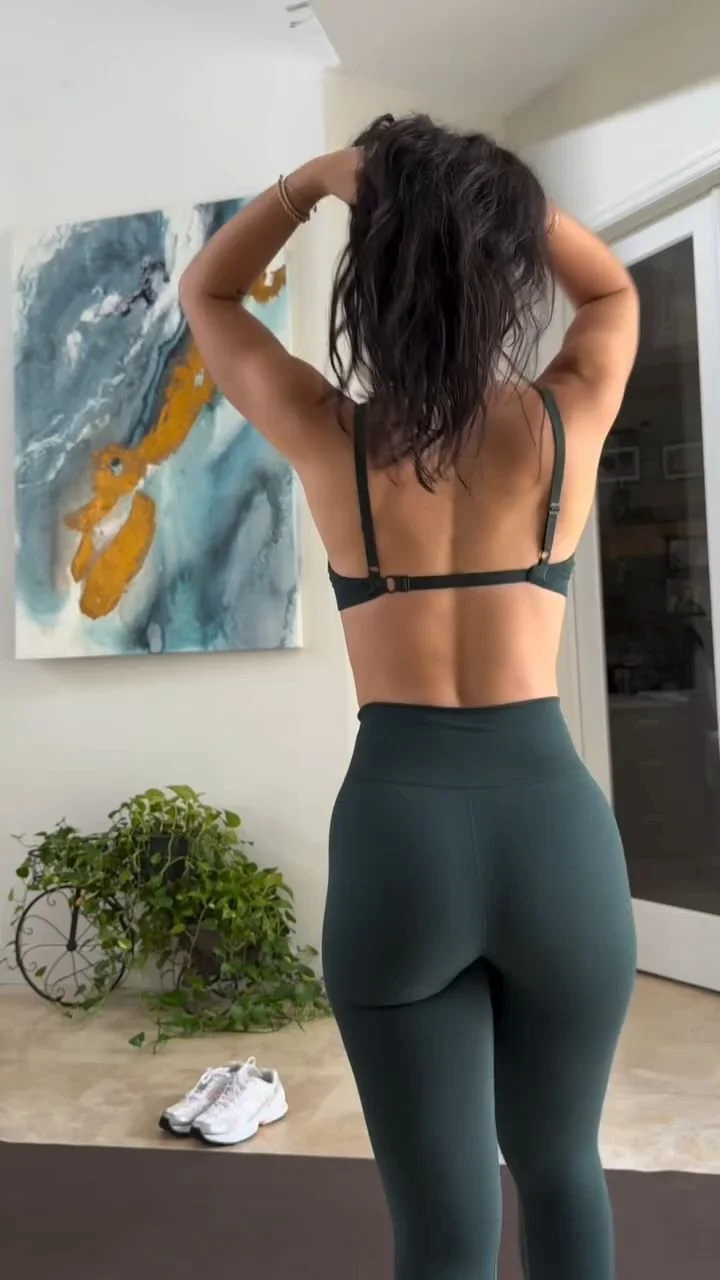
Pilates Core Burner — No Equipment Needed ❤️🔥
Looking for a compact, effective core workout that you can do anywhere? This Pilates Core Burner requires zero equipment, focuses on deep core engagement, and delivers a sweaty, sculpting session in 15–25 minutes. Whether you’re short on time or want to add a focused finisher to your regular routine, these moves build strength, stability, and better posture.
If you’re curious how core work pairs with broader strength training principles, check out these 6 facts about strength training to make your sessions more effective.
Why Pilates for Core Strength?
Pilates emphasizes control, alignment, and breath — all of which translate into a resilient core that supports daily movement and athletic performance. Instead of just chasing six-pack aesthetics, this routine trains the deep stabilizers (transverse abdominis, pelvic floor, multifidus) that protect your spine and improve movement efficiency.
Benefits:
- Improved spinal support and posture
- Better balance and coordination
- Reduced risk of lower-back pain
- Greater carryover to running, lifting, and daily tasks
Warm-up (3–5 minutes)
Start gently to prime your breathing and spinal mobility.
- Pelvic tilts: 10–12 slow repetitions lying on your back, knees bent.
- Cat–Cow on all fours: 8–10 reps to mobilize the thoracic spine.
- Standing roll-downs: 5 slow rolls to lengthen the posterior chain.
Core Burner Circuit (Perform 2–3 rounds)
Do each exercise with intention — quality over quantity. Rest 30–60 seconds between rounds.
-
Hundred Prep (45 seconds)
- Lie on your back, lift head/shoulders, knees in tabletop, arms pump small pulses.
- Focus on abdominal bracing and full exhales.
-
Single-Leg Stretch (10–12 each side)
- Classic Pilates move: one knee into chest while the other extends, shoulder blades lifted.
- Keep ribs anchored to the pelvis; avoid flaring the ribs.
-
Double Leg Lowering (8–10 reps)
- From tabletop, slowly lower both legs toward the floor, maintaining a neutral pelvis.
- Only lower as far as you can without your lower back arching.
-
Plank to Pike (8–12 reps)
- Start in forearm plank; using the abs, lift hips into a pike, then return to plank.
- Drive the motion from the core, not from the hips or shoulders.
-
Side-Lying Inner-Outer Leg Pulses (12–15 each side)
- On your side, perform small controlled pulses lifting top leg then switching to inner-leg micro-lifts (for obliques/glute stabilizers).
- Keep hips stacked and torso long.
-
Teaser Progression (6–8 reps)
- Start with rolling like a jackknife: head/shoulders lift, legs extend to ~45°, then roll down with control.
- Use hands to assist if needed; work toward full teaser gradually.
-
Dead Bug with Heel Slides (10 each side)
- Supine, knees bent. Extend one leg while sliding the heel along the floor, alternating.
- Maintain deep core tension and a flat low back.
Modifications & Progressions
Beginner:
- Reduce range of motion (e.g., perform double leg lowering with one leg at a time).
- Swap plank-to-pike for a forearm plank hold.
Advanced:
- Add pulse variations, increase tempo on the Hundred, or extend plank-to-pike into pike-to-shoulder-tap combos.
- Add a controlled single-leg teaser for greater demand.
Breathing & Cues
- Inhale to prepare, exhale to initiate the movement—use full diaphragmatic breaths.
- Think “navel to spine” — draw the belly button inward and up.
- Move slowly and deliberately; control is the goal, not speed.
Quick 15-Minute Finish (when time’s short)
Do one round of:
- 45s Hundred Prep / 15s rest
- 40s Plank-to-Pike / 20s rest
- 40s Double Leg Lowering / 20s rest
- 40s Teaser Progression / 20s rest
Cool down with a supine twist and gentle child’s pose stretch.
If you prefer standing work to complement floor-based Pilates, try incorporating routines like this effective home workouts — no gym required to build endurance and balance alongside your core training.
Tips for Consistency
- Schedule short sessions 3–4 times per week rather than trying to cram a long workout once in a while.
- Track form over reps — better technique yields faster, safer results.
- Pair Pilates core work with walking, mobility, or light strength sessions for balanced fitness.
Conclusion
If you want a complementary standing-focused sequence to balance this floor-based core work, try the Standing Leg Workout – The Pilates Class for lower-body strengthening and stability.


GIPHY App Key not set. Please check settings