

 amanda cohen
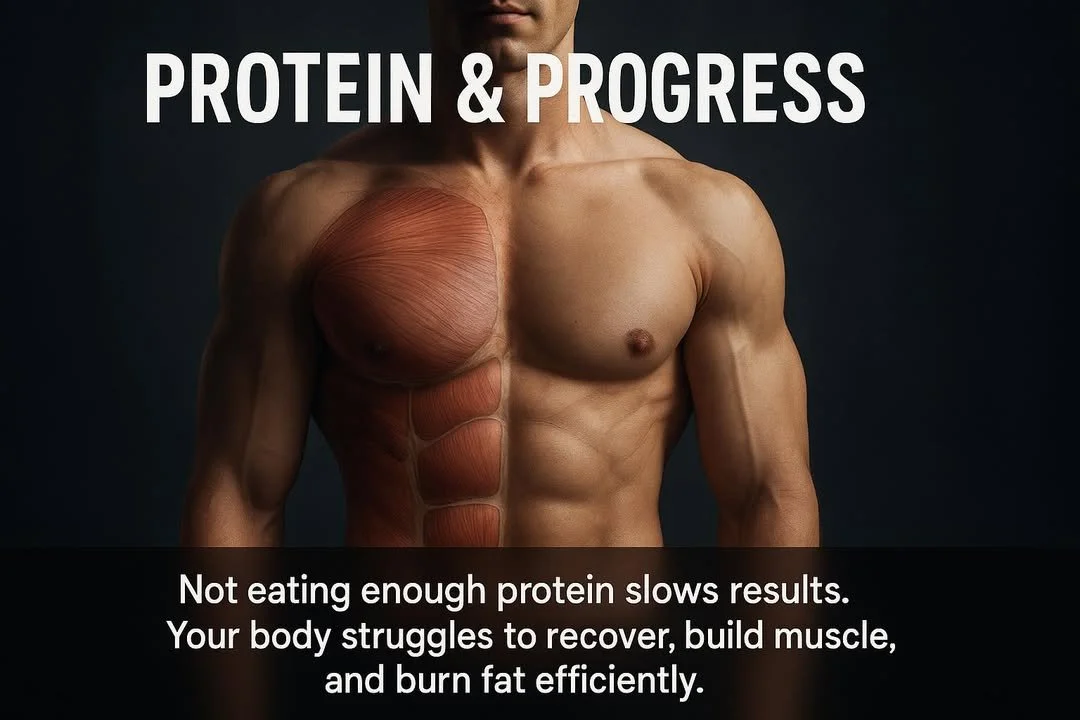
Progress needs protein 🍳
Protein isn’t just a nutrient on a plate — it’s a cornerstone of individual health, economic productivity, and societal progress. From powering cellular repair to enabling cognitive performance, adequate and quality protein intake influences how people learn, work, and innovate. Framing progress as a biological as well as a social phenomenon helps clarify why investments in nutrition, food systems, and protein research are essential for building resilient, thriving communities.
Why protein matters for progress
- Brain and cognition: Amino acids derived from protein are precursors to neurotransmitters (like serotonin and dopamine). Sufficient protein supports attention, memory consolidation, and mood regulation — all critical for learning, creativity, and long-term planning.
- Physical capacity and workforce productivity: Muscle maintenance and repair rely on adequate protein. Healthy, strong populations are more capable of labor-intensive tasks, have lower injury rates, and recover faster from illness, which reduces absenteeism and increases economic output.
- Child development: Early-life protein sufficiency affects growth, immune competence, and neurodevelopment. Improvements in child nutrition yield lifelong benefits in education, earnings potential, and social participation.
- Immune resilience and public health: Proteins build antibodies and immune cells. Populations with better protein status can better withstand infectious disease burdens, reducing strain on health systems and allowing societies to focus on development rather than crisis management.
Protein quality, not just quantity
Not all proteins are created equal. Protein quality is determined by amino acid composition and digestibility. Animal proteins tend to be “complete” (providing all essential amino acids), while many plant proteins lack one or more essential amino acids. However, smart dietary design — combining varied plant proteins like legumes, grains, nuts, and seeds — can deliver high-quality amino acid profiles with lower environmental footprints than many animal-based options.
Sustainable protein strategies for progress
- Diversify protein sources: Encouraging a mix of legumes, cereals, nuts, seeds, dairy, and sustainably raised animal products improves nutritional security while spreading environmental risk.
- Enhance plant protein quality: Breeding, processing, and culinary practices can increase digestibility and amino acid availability. Fortification and food pairing (e.g., beans with rice) are low-cost ways to uplift protein quality in diets.
- Support agricultural research: Genetic improvements, soil health, and agronomy that raise protein yields per hectare are crucial. Research that links crop traits to protein concentration and digestibility accelerates practical gains for farmers and consumers.
- Policy and social programs: School feeding, maternal nutrition programs, and public guidance that emphasize protein-rich meals help translate scientific knowledge into improved outcomes for vulnerable groups.
Everyday actions that add up
- Prioritize breakfast protein: Meals with adequate protein stabilize blood sugar and support cognition through the morning.
- Mix plant proteins: Combine grains and legumes across the day to achieve complete amino acid profiles.
- Choose nutrient-dense snacks: Yogurt, nuts, hummus with veggies, or boiled eggs are portable, protein-rich options.
- Advocate for local solutions: Support farmers and policies that increase access to affordable, high-quality protein foods in your community.
Measuring progress: metrics that matter
Tracking improvements requires indicators beyond calories delivered. Monitor childhood stunting and wasting, adult work capacity and absenteeism, school performance, and biomarkers of protein status. These metrics help connect nutritional investments to social and economic returns.
Conclusion
Progress truly needs protein — not only as calories, but as the building blocks of health, cognition, and productivity. For those interested in the scientific advances linking crop traits and protein content, see this recent study on rice protein content and its implications for crop improvement: research on rice protein content and its implications.



GIPHY App Key not set. Please check settings