

 Riri
Riri
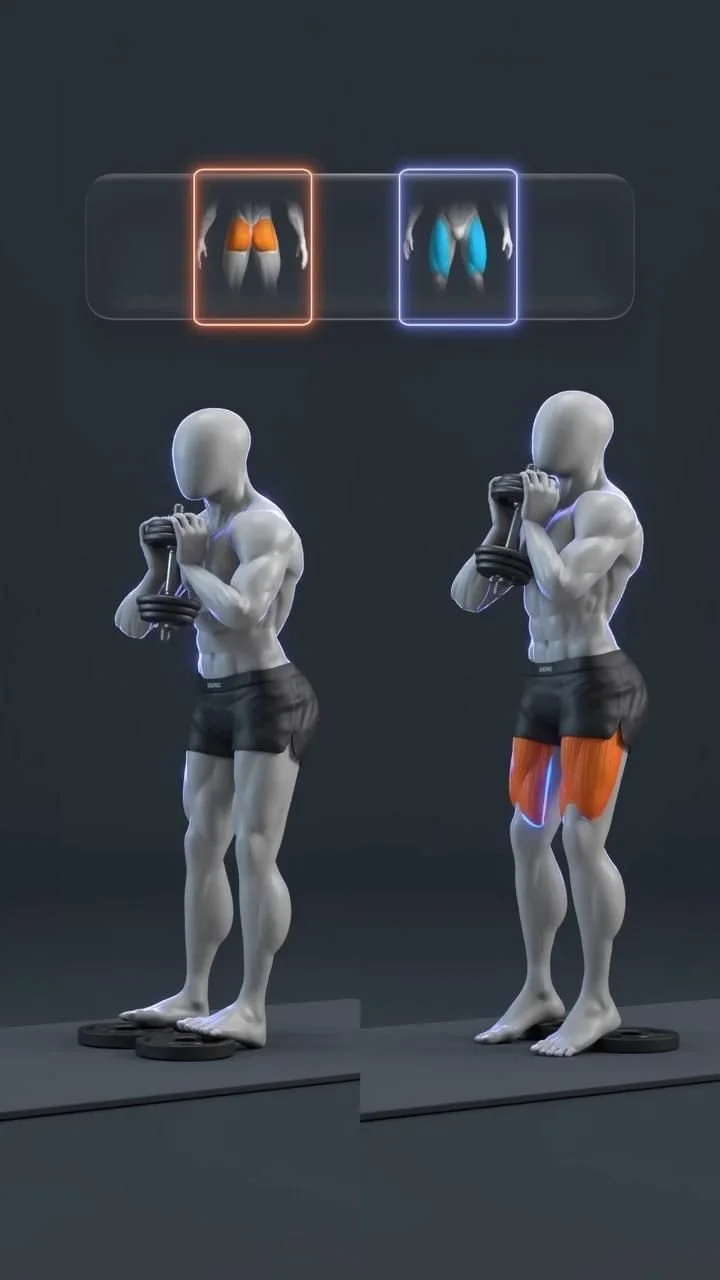
Heel vs. Toe Squat: The Simple Trick to Shift Glutes or Quads
Learn a small stance adjustment that dramatically changes whether your squats light up your glutes or your quads. This quick guide breaks down heel and toe elevation cues, simple progressions, and how to use the technique safely in gym and boxing-conditioning settings. For warm-up and pre-workout cautions, check this practical guide: pre-workout mistakes to avoid.
![🤯 Squat Trick: Glutes vs. Quads (Heel & Toe Elevation Secret!)
🚨 Most people never learn this squa… [Video] in 2025 | Boxing training workout, Gym workout videos, Glutes workout](https://tavof.com/wp-content/uploads/2026/01/squat-trick-glutes-vs-quads-heel-toe-eleva-2026-01-09-080850.webp "🤯 Squat Trick: Glutes vs. Quads (Heel & Toe Elevation Secret!) 🚨 Most people never learn this squa… [Video] in 2025 | Boxing training workout, Gym workout videos, Glutes workout 8")
Why this matters
Switching foot elevation by a few degrees is an easy way to alter joint angles, center of mass, and which muscle groups do most of the work. Small changes help athletes target the posterior chain (glutes and hamstrings) or the anterior chain (quads) without changing load or rep ranges—handy for boxing strength programs or quick gym sessions.
How heel elevation shifts the load (glute emphasis)
- Elevating the heel (e.g., small plates, wedge, or squat shoes) reduces ankle dorsiflexion and allows the knee to travel less forward. That drives the hips back more and increases hip flexion — the recipe for stronger glute activation.
- Cue: sit back into the hips like closing a car door with your glutes.
- Best for: athletes needing posterior chain strength, hip drive for punches, or anyone wanting tighter glute-ham development.
How toe elevation shifts the load (quad emphasis)
- Elevating the toes (using a wedge under the forefoot or toes slightly lifted) encourages more knee travel and places greater demand on the quadriceps.
- Cue: think about driving the knees forward while keeping a tall chest.
- Best for: improving knee extension strength, building powerful single-leg drives, or when quad hypertrophy is the goal.
Programming tips and safety
- Start light: experiment with 10–25% of your normal weight when testing heel/toe wedges to feel the difference safely.
- Repetition ranges: 6–8 reps for strength focus; 8–15 for hypertrophy. Use heel elevation for heavier hip-driven sets and toe elevation for higher-volume quad work.
- Mobility check: limited ankle mobility can make heel elevation feel awkward; consider ankle mobility drills if you can’t achieve a comfortable depth.
- Stability: use a stable, non-slip wedge or shoe platform and ensure your knees track over toes to avoid valgus stress.
Variations to try
- Heels elevated back squat (plates under heels): quick way to bias glutes in the gym.
- Elevated-toe front squat or pause squats: excellent for quad-focused strength and boxer leg endurance.
- Single-leg heel-toe shifts: perform split squats and subtly adjust heel/toe heights to isolate glute or quad dominance.
- Tempo and banded cues: add a 2-second eccentric with a mini-band around the knees to train control and glute engagement.
Programming example for a 45–60 minute boxing/gym session
- Warm-up and mobility (10 min) — include movement prep for ankles and hips.
- Main lift (20–25 min): 4 sets of 6–8 heavy heels-elevated back squats OR 4 sets of 8–12 toe-elevated front squats, depending on goal.
- Accessory (10 min): Bulgarian split squats or banded hip thrusts to reinforce chosen emphasis.
- Core finisher (5–10 min): pair leg raises with oblique work for boxing rotational strength — try this targeted routine: leg raise and oblique crunch challenge.
Common mistakes to avoid
- Over-elevating for load: too much wedge can shift balance and reduce squat stability.
- Ignoring ankle and hip mobility: restricted joints will force compensations and limit benefits.
- Switching elevation without technique checks: always film or have a coach watch your first sets when trying a new elevation.
![🤯 Squat Trick: Glutes vs. Quads (Heel & Toe Elevation Secret!)
🚨 Most people never learn this squa… [Video] in 2025 | Boxing training workout, Gym workout videos, Glutes workout](https://tavof.com/wp-content/uploads/2026/01/squat-trick-glutes-vs-quads-heel-toe-eleva-2026-01-09-080851-2.webp "🤯 Squat Trick: Glutes vs. Quads (Heel & Toe Elevation Secret!) 🚨 Most people never learn this squa… [Video] in 2025 | Boxing training workout, Gym workout videos, Glutes workout 9")
Conclusion
Want to deepen your glute-focused training with two straightforward steps? Explore this short guide for practical glute-building tips: Maximize Your Glute Gains: 2 Essential Steps for Glute …

GIPHY App Key not set. Please check settings