

 Riri
Riri
Strength Unlocked
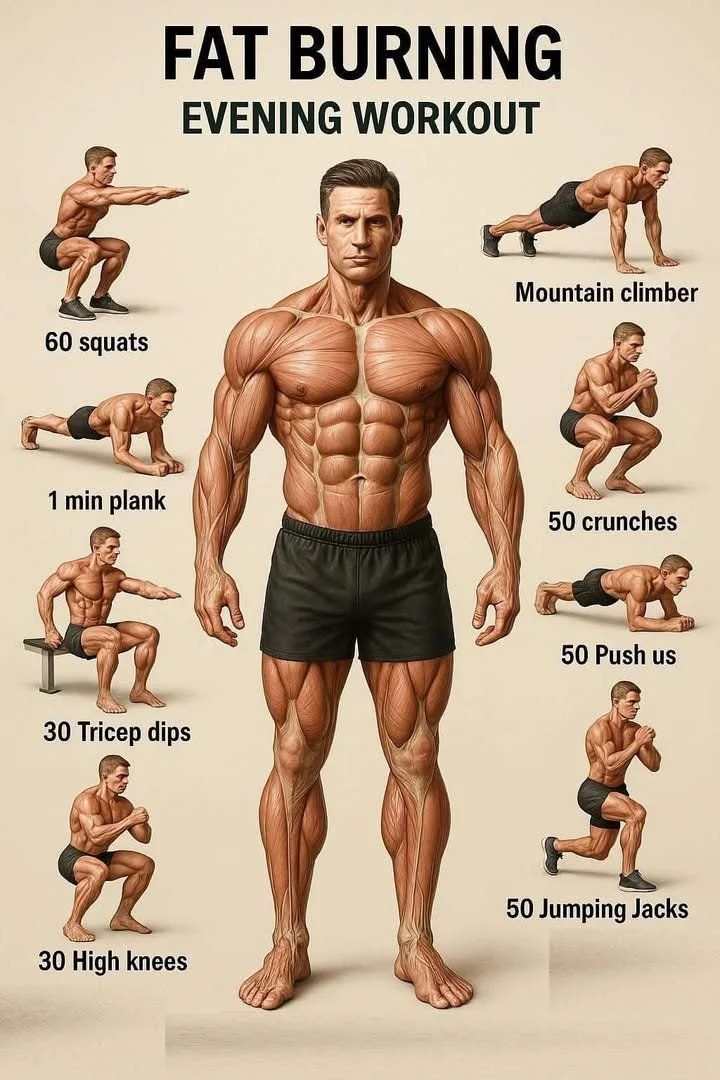
Building real strength transforms how you move, feel, and tackle daily life. This article explains essential workouts, programming tips, and recovery strategies to help you get stronger safely and efficiently. For readers wanting a deeper foundation, consult the comprehensive guide to achieving optimal health and fitness.
Why Strength Matters
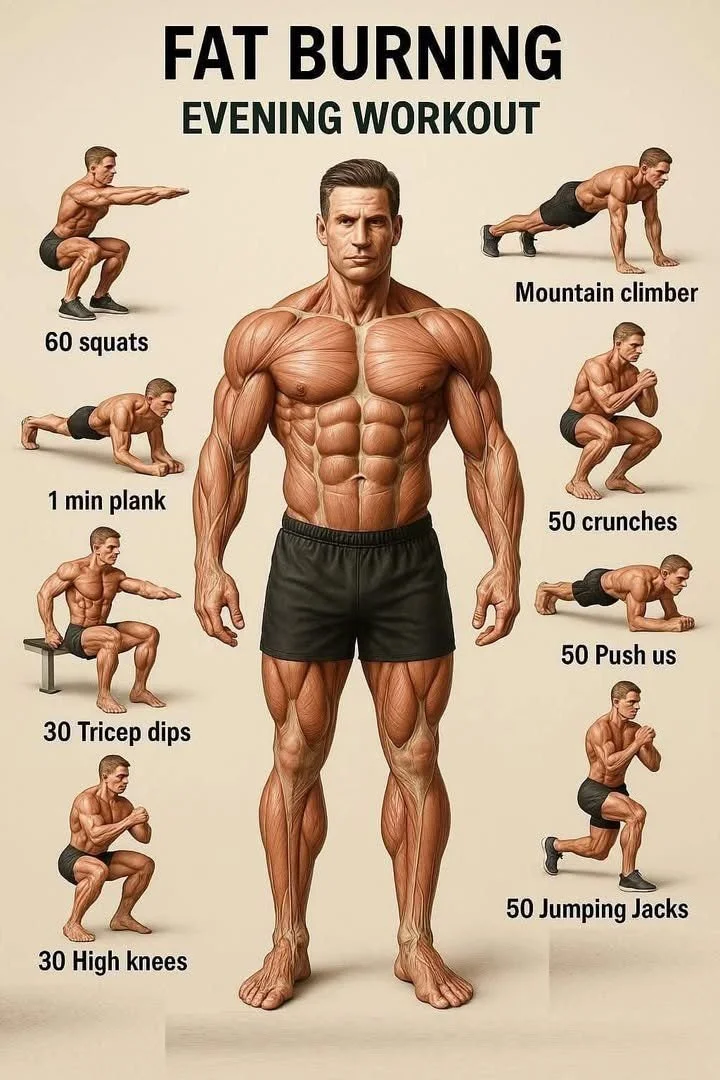
Strength is more than big muscles — it improves posture, bone density, metabolic health, and resilience against injury. Training for strength also enhances performance in cardio, flexibility, and everyday tasks, making it a foundational piece of long-term wellness.
Core Principles of Strength Training
- Progressive overload: steadily increase weight, reps, or set difficulty to force adaptation.
- Movement quality: prioritize full range of motion and solid technique over ego-driven loads.
- Consistency: frequent, structured sessions outperform sporadic maximal efforts.
- Recovery: sleep, nutrition, and active rest determine whether gains consolidate or stall.
Essential Exercises (Compound First)
Focus on multi-joint lifts that deliver the biggest return:
- Squats (back, front, goblet)
- Deadlifts and hinge variations
- Presses (bench, overhead)
- Rows and pull-ups
These movements build systemic strength and carry over to functional tasks. Supplement with targeted accessory work for weak points and injury prevention.
Bodyweight and Mobility Work
Bodyweight progressions (push-up variations, pistol progressions, handstands) are invaluable for foundational strength and movement control. Pair them with hip, thoracic, and ankle mobility drills to preserve movement quality as loads increase.
Cardio, Conditioning, and Strength Balance
Cardio supports recovery, heart health, and work capacity; it should complement—not replace—strength work. Incorporate low- to moderate-intensity steady-state sessions or short conditioning blocks to boost endurance without compromising strength gains, and learn how to unlock the benefits of cardio workouts for a healthier you in a way that supports strength goals.
Programming and Progression Tips
- Start with 2–4 full-body or upper/lower sessions per week depending on experience.
- Use rep ranges: 3–6 for maximal strength, 6–10 for strength/hypertrophy mix, 10–15 for endurance and skill.
- Track loads and reps; small weekly improvements compound into big gains.
- Deload every 4–8 weeks to recover and push harder afterward.
If you struggle to stick with a plan, consider resources on crafting a consistent gym routine for optimal fitness to build habits that last.
Nutrition and Recovery Essentials
- Prioritize protein (0.7–1.0 g/lb bodyweight) and adequate calories to fuel progress.
- Sleep 7–9 hours per night; most muscle repair and hormone regulation happen during sleep.
- Use foam rolling, targeted soft-tissue work, and active recovery days to reduce soreness and improve mobility.
Outdoor and Variety Workouts
Changing environment can boost motivation and functional capacity. Incorporate hill sprints, sandbag carries, or rock-climbing sessions as periodic variety to challenge stabilizers and coordination—see ideas for outdoor workouts for a refreshing fitness experience when you want to mix things up.
Sample 8-Week Beginner Strength Plan (simple)
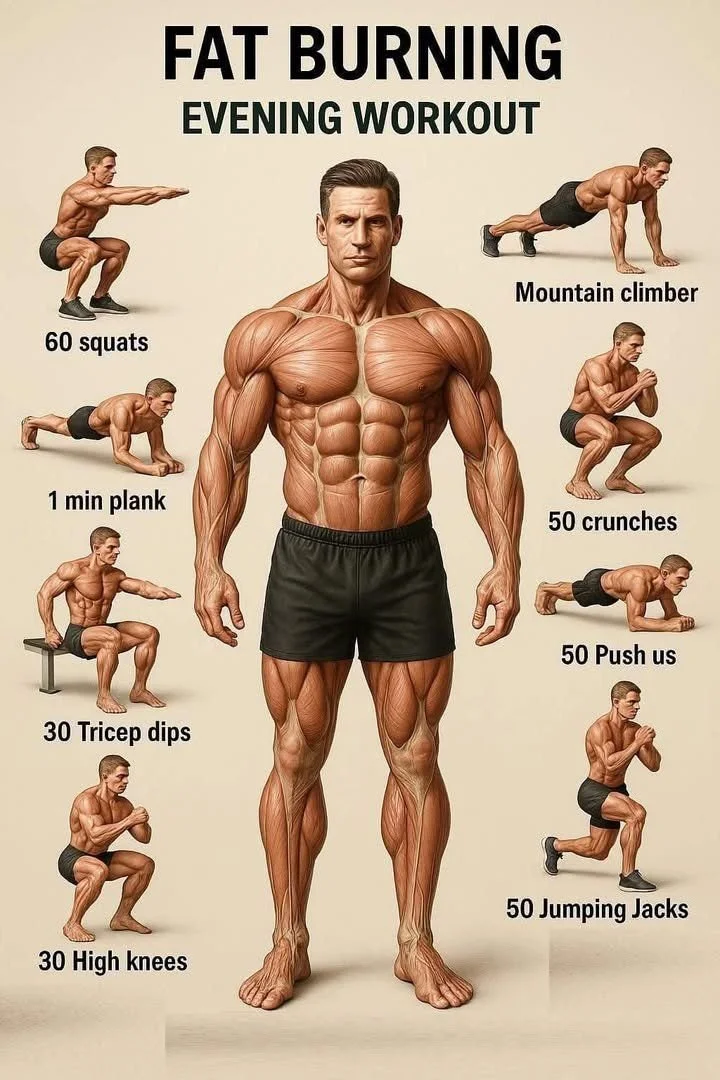
Weeks 1–4 (3 sessions/week)
- A: Squat 3×5, Bench Press 3×5, Barbell Row 3×8
- B: Deadlift 2×5, Overhead Press 3×5, Pull-ups 3xAMRAP
Weeks 5–8 (3–4 sessions/week; increase intensity) - Add a second squat day (lighter), push accessory volume, and a conditioning session.
Track progression by adding 2.5–5 lb to upper lifts and 5–10 lb to lower lifts each week when form remains solid.
Safety and Long-Term Mindset
Prioritize form, respect joint pain signals (differentiate from normal training soreness), and consult a coach for technical lifts. Long-term strength is about steady, sustainable progress rather than fast, risky jumps.
Conclusion
For practical guidance on building strength with a home gym setup and protecting muscle and tendon health as you progress, review this helpful home gym strength training and muscle/tendon health resource.


GIPHY App Key not set. Please check settings