

 Riri
Riri
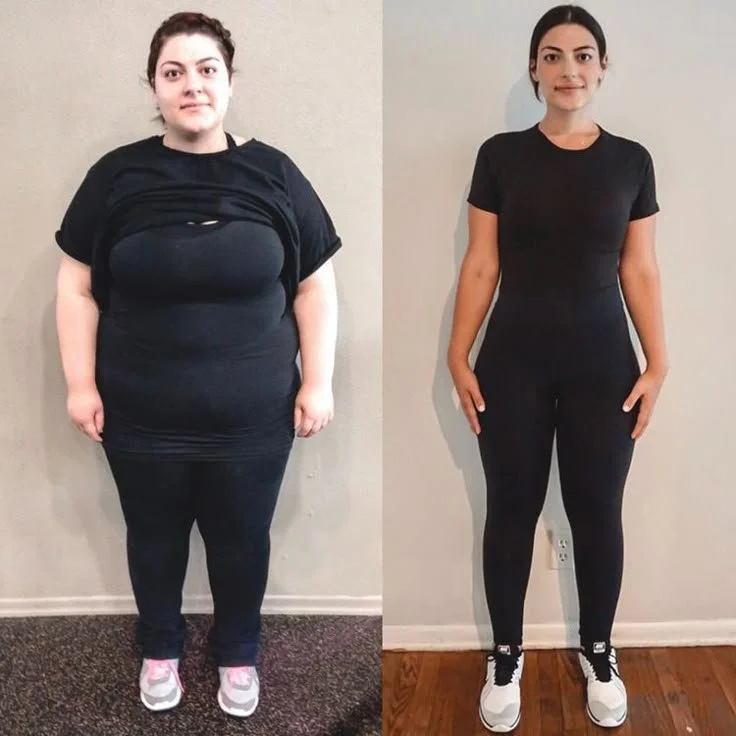
How I Learned My Weight-Loss Journey Wasn’t Over — Even After Losing 170 Pounds
I thought the hard part would end when the scale stopped showing the number I’d chased for years. Losing 170 pounds was, without question, one of the biggest accomplishments of my life — and also the start of a whole new chapter I hadn’t expected. In the weeks and months that followed, I learned that weight loss is a process that keeps evolving: your body changes, your mind rewires, and the systems that got you to goal may not be the ones that keep you healthy for life.
From the beginning, I challenged the ideas I’d been told about diets and quick fixes. That skepticism led me to rethink what “healthy” really means, not as a single destination but as an ongoing set of choices and check-ins, from nutrition to sleep and stress management. If you’re curious about common diet misunderstandings, I found it useful to revisit some myths in nutritional myths early in my maintenance phase.
The surprise after the scale
Reaching my target weight did not erase the day-to-day challenges. Two unexpected things stood out:
- Physical aftermath: loose skin, changes in posture, and new aches were reminders that rapid or large weight changes have lasting physical effects. I needed to add targeted strength work and mobility routines to rebuild stability and comfort.
- Mental adjustment: the identity I built around losing weight had to shift. For years my schedule, food choices, and social plans were structured around loss. Once I stopped losing, I felt a kind of aimless vulnerability — the same discipline now needed to be repurposed toward maintenance and life beyond the scale.
Body composition and strength matter more than the number
I learned to measure success differently. Instead of obsessing over weight fluctuations, I tracked energy, sleep quality, strength gains, and how my clothes felt. Weight can bounce due to hydration, hormones, and food choices, but improvements in performance and day-to-day energy are more meaningful long-term indicators.
- Focus on building muscle to support metabolism and joint health.
- Embrace functional movement: squats, deadlifts, and pushing/pulling patterns helped me feel stronger and less fragile.
- Work with professionals when needed: a trainer, physical therapist, or coach can help transition you safely from weight-loss programming to maintenance and strength goals.
Relearning how to eat without restriction
During active weight loss, I followed a structured plan. Post-weight-loss, the challenge was to eat without reverting to extremes — neither undereating nor falling into old patterns.
- Permit small treats: complete prohibition breeds cravings. A sustainable approach includes enjoyable foods in moderation.
- Reassess portions and satiety cues rather than following rigid rules.
- If you want practical, satisfying options that support long-term habits, consider rebuilding your snack repertoire with smart choices like the ideas in this list of healthy snacks.
Emotional work: grief, celebration, and identity
Losing a large amount of weight is emotionally complex. There is joy and pride, but often grief for the person you were and the ways of living you leave behind. Social reactions can be baffling — strangers treating you differently, or loved ones experiencing their own discomfort with your change.
- Allow space for contradictory feelings. Celebrate wins, but let yourself mourn aspects of the past.
- Build a community that supports your current values — whether that’s a fitness class, a therapy group, or online forums focused on maintenance and self-care.
- Practice self-compassion; mindset work is as important as any workout plan.
Strategies that kept me steady
What ultimately helped me maintain progress after such a huge loss were simple, repeatable systems:
- Routine check-ins: weekly non-scale measures (sleep, moods, clothing fit) and monthly photos to monitor changes without obsessing.
- Flexible structure: planned meals most days, with “free” meals that don’t derail progress.
- Strength-first fitness: three to four resistance sessions per week to preserve muscle and raise baseline energy.
- Recovery focus: prioritizing sleep, stress reduction, and mobility work to keep the body resilient.
- Medical follow-up: ongoing conversations with doctors about hormones, nutrient status, and any medications that can affect weight and energy.
When setbacks happen
I hit plateaus and had moments of regression. The difference between those who sustain and those who revert is what happens after a stumble:
- Treat setbacks as data, not failure.
- Reassess habits and environment: what triggers led to backsliding? Can you modify them?
- Re-engage supportive resources — a coach, therapist, or accountability partner.
What I wish someone had told me
- Weight loss is not the finish line; it’s a major waypoint.
- Your body and life after a big change require their own plans.
- Celebrate the accomplishment, but be curious about what maintenance looks like for you personally.
Conclusion
If you want a personal perspective that echoes the complexity of finishing — yet not finishing — a massive weight-loss effort, the article How I Learned My Weight-Loss Journey Wasn’t Over Even After … captures many of the same lessons I lived through and can be a useful companion as you plan your next chapter.



GIPHY App Key not set. Please check settings