

 Riri
Riri
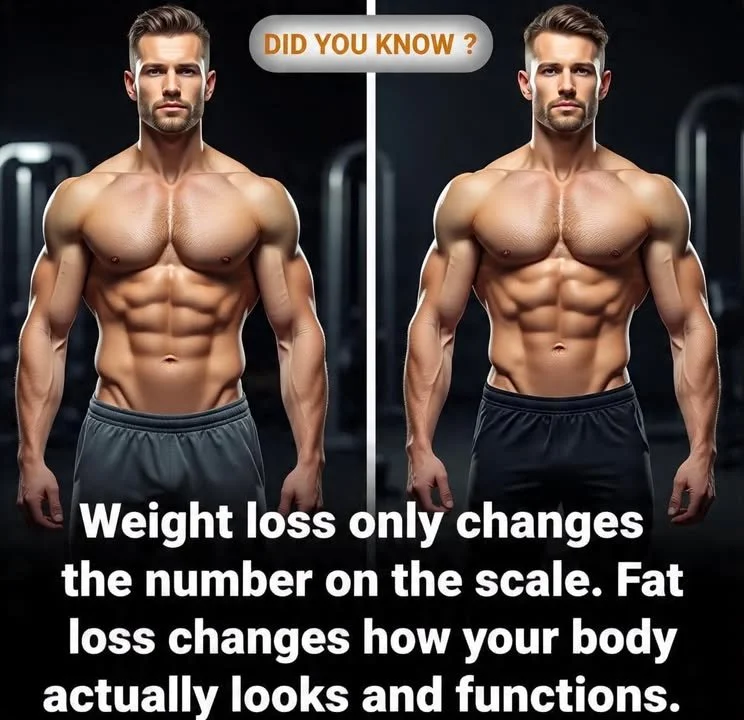
Weight Loss vs Fat Loss: Why the Difference Matters
Many people use "weight loss" and "fat loss" interchangeably, but they describe different changes happening to your body. Understanding the distinction helps you set smarter goals, choose better strategies, and track progress that actually improves health and appearance.
Introduction
Weight loss is a simple number on the scale; fat loss means reducing stored body fat while ideally preserving lean tissue (muscle, bone, organs). For example, a crash diet or dehydration can produce rapid weight loss, but much of that can be water and muscle rather than fat. If you want sustainable results, focus on fat loss rather than just the scale. You can read a focused discussion on the topic here: Weight Loss vs. Fat Loss — same thing?
What each term really means
- Weight loss: Any decrease in total body mass. That includes fat, muscle, water, glycogen, and the contents of your digestive tract. The bathroom scale can’t distinguish between these.
- Fat loss: A decrease specifically in body fat stores (subcutaneous and visceral fat). Fat loss improves body composition and reduces metabolic risk more directly than losing other tissues.
Why fat loss should be the priority
- Health benefits: Losing excess fat—especially visceral fat around organs—lowers the risk of diabetes, heart disease, and inflammation.
- Sustainable aesthetics and function: Preserving muscle while losing fat keeps strength, mobility, and a higher resting metabolic rate.
- Longer-term success: Protecting lean mass makes it easier to maintain weight and avoid rebound gain.
How to measure progress (beyond the scale)
- Body composition tests: DEXA scans, hydrostatic weighing, and bioelectrical impedance can estimate fat percentage (each has pros/cons).
- Circumference measurements: Waist, hips, and neck measurements track where inches are lost.
- Progress photos and how clothes fit: Often more motivating and informative than daily scale fluctuations.
- Performance metrics: Strength, endurance, and energy levels reflect preserved or lost muscle mass.
Principles to maximize fat loss and preserve muscle
- Moderate calorie deficit: Aim for 10–20% below maintenance to favor fat loss while minimizing muscle loss.
- Adequate protein: 1.2–2.2 g/kg body weight per day helps preserve muscle during a deficit.
- Resistance training: Lifting weights or bodyweight strength work is essential to signal the body to retain muscle.
- Smart cardio: Use a mix of steady-state and high-intensity interval training (HIIT) to burn calories without excessive muscle breakdown.
- Recovery and sleep: Poor sleep elevates stress hormones that impair fat loss and muscle retention.
Common pitfalls
- Overly aggressive dieting: Very low-calorie plans accelerate muscle loss and lower metabolic rate.
- Ignoring resistance training: Focusing only on cardio can lead to slimmer but weaker results and slower metabolism.
- Chasing scale-only goals: The number on the scale can be misleading; you may be losing fat but maintaining weight if muscle is gained (body recomposition).
- Relying on quick fixes and unproven supplements: These often produce transient weight changes rather than sustainable fat loss. If you’re curious about supportive aids like tea, check out options that complement sound habits: best weight loss teas for losing weight
A simple, practical plan (starter template)
- Calorie target: Reduce maintenance calories by about 250–500 kcal/day.
- Protein: 1.6–2.0 g/kg body weight daily.
- Resistance training: 3 sessions/week focusing on compound lifts or movements.
- Cardio: 2–3 sessions/week, mix intensity.
- Track: Weekly weigh-ins, monthly measurements/photos, and occasional body-composition checks.
- Adjust: If progress stalls for 2–4 weeks, reassess calories, training intensity, and recovery.
Conclusion
Distinguishing weight loss from fat loss shifts the emphasis from short-term scale wins to long-term health and body composition. For a clear, evidence-based comparison of the two and guidance on how to tell them apart, read this helpful resource: Weight Loss vs. Fat Loss: How to Tell the Difference.


GIPHY App Key not set. Please check settings