

 amanda cohen
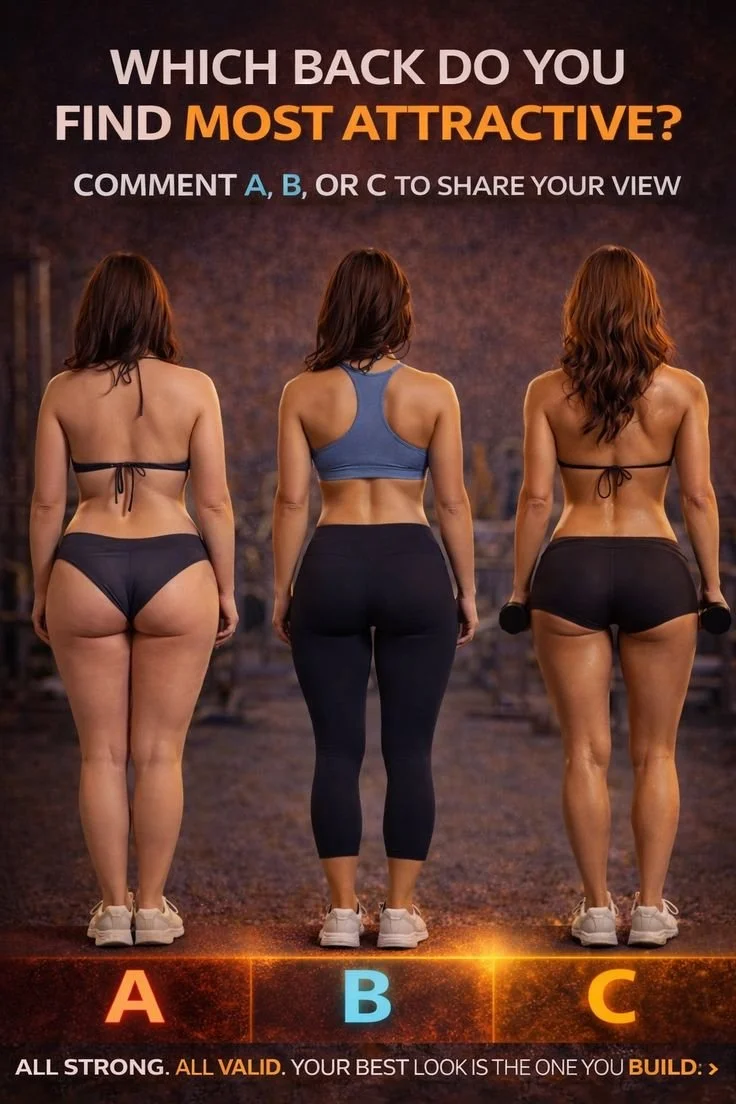
Which Back Captures Your Eye?
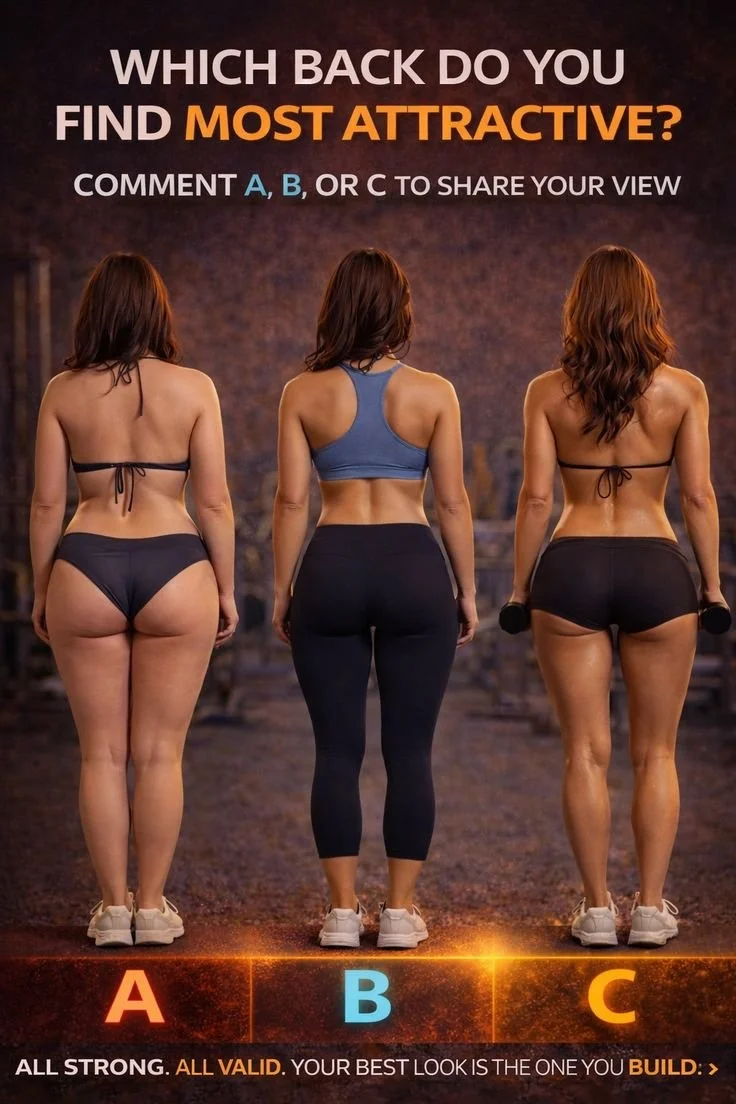
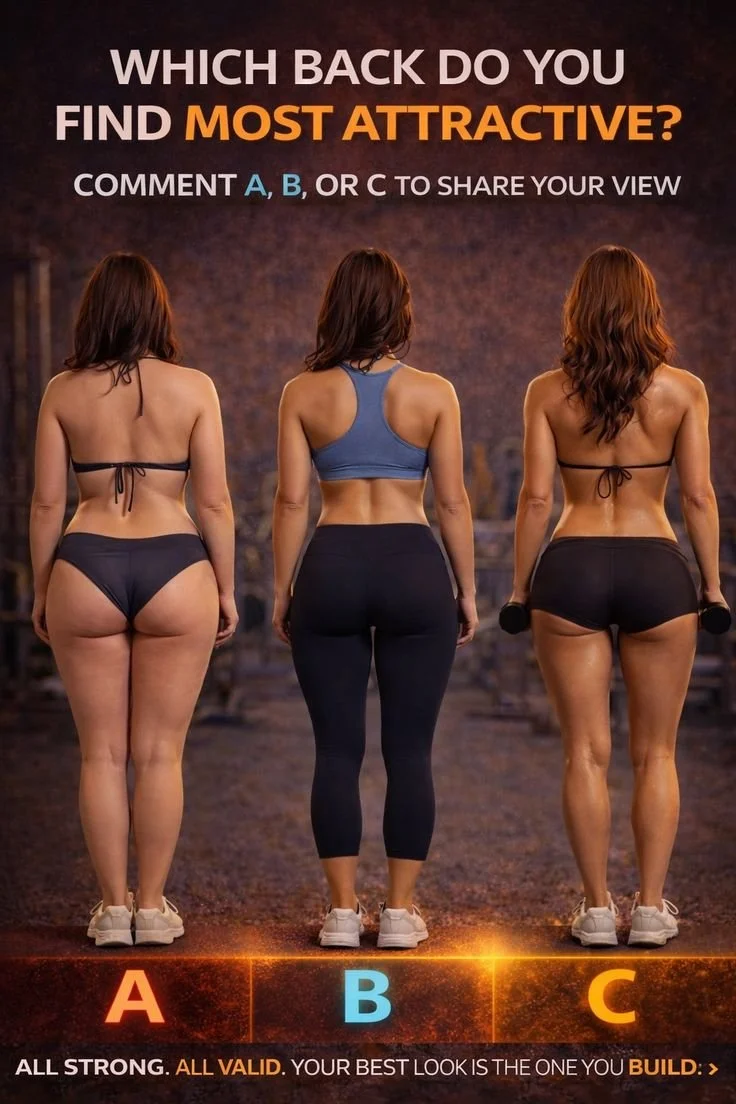
Which back do you find most attractive: A, B, or C? At first glance, it looks like a simple choice — a snap judgment based on immediate visual cues. But behind that choice lies a mix of biology, culture, posture, and personal experience that shapes what each of us finds appealing in 2026 and beyond. To frame our quick impressions, consider how preferences can extend into other life areas, like long-term planning; for a contrast in decision-making priorities, see this guide to financial independence and life choices.
Understanding the quick judgment
- First impressions about a back are formed in seconds. Visual features such as symmetry, proportions, and posture are read almost instantly by the brain.
- Symmetry and proportion often signal health and genetic robustness in biological terms, while posture communicates confidence, fitness, and sometimes the absence of pain or injury.
- Cultural norms influence what viewers emphasize: in some contexts a narrow waist and broad shoulders read as the ideal, while in others a soft, curved silhouette is preferred.
What features make a back attractive?
- Shoulder shape and width: Broad, well-defined shoulders create a V-shaped upper body that many cultures associate with strength and athleticism.
- Spine alignment and posture: An upright, relaxed posture conveys confidence and ease; visible misalignment or stiffness may reduce perceived attractiveness.
- Muscle tone and skin quality: Clear definition without excessive bulk often signals physical fitness; smooth, healthy skin and even tone also matter.
- Proportions: How the back balances with the hips and waist changes the overall silhouette. Subtle proportional cues are powerful subconscious signals.
Psychology and personal taste
- Individual preferences are shaped by personal experiences, sexual orientation, and what one’s social group prizes. Someone who admires athleticism may pick a different "back" than someone who values softness or elegance.
- Familiarity and exposure play roles: if you grew up around athletes, your baseline for an attractive back might skew toward muscular. Media representation and fashion trends (which change over time) also shift what’s desirable.
- Context matters: clothing, lighting, movement, and the angle from which a back is viewed can tilt preferences. A back in motion can appear quite different from a posed photograph.
Fitness, function, and aesthetics
- Training choices affect both the look and health of a back. Developing balanced strength across traps, lats, erector spinae, and rear delts creates not only a pleasing shape but also functional resilience.
- If you’re interested in transforming your back — aesthetically or functionally — improving pressing and pulling mechanics matters as much as size. For targeted guidance about optimizing gym technique, consider resources that help you correct your pressing technique.
- Injury prevention and mobility should be prioritized; an attractive back that’s painful or limited doesn’t serve long-term well-being.
Cultural and evolutionary notes
- Evolutionary psychology suggests certain body proportions and signals were selected because they conveyed health or reproductive fitness. While much research focuses on faces, many of the same principles — symmetry, proportions, clear skin — apply to body parts.
- Cultural fashions and media cycles amplify particular looks at any moment. What counted as the ideal back a few decades ago may shift as fitness, clothing, and ideals evolve.
How to reflect on your choice between A, B, and C
- Slow down and describe what drew you to your pick: posture, muscle tone, symmetry, or something else?
- Consider context: would your choice change if you saw the person moving, clothed differently, or in a different environment?
- Recognize that multiple factors — biology, personal history, and culture — combine to shape one quick preference. There’s no single “correct” answer.
Practical takeaway
- If you want to influence how others perceive your back, focus on posture, balanced strength training, and skin/skin-care habits. Those changes improve both appearance and function.
- Appreciate diversity: attractiveness is multifaceted, and what reads as appealing to one observer may not to another. Your preference is valid and informed by many subtle cues.
Conclusion
Preferences for backs, like preferences for faces and other features, are shaped by a mix of evolutionary cues and cultural learning; for more on how evolutionary research informs attractiveness judgments, see this evolutionary research on facial attractiveness.

GIPHY App Key not set. Please check settings