
work-out

bodybuilding is about using exercise and nutrition to build and shape muscles. It involves weight training and specific workouts to increase muscle size, strength, and definition. Bodybuilders often follow strict diets and routines to achieve their desired physique. It’s not just about building muscles but also about achieving a balanced and sculpted appearance through dedicated training and nutrition.
Video showcasing abs workout exercises to tone and sculpt your core.

PhrzeApparel on Instagram: “ABS KILLER EXERCISES TO BURN YOUR CORE! 🔥 Try these to tone & sculpt your abs: • Work on upper abs for a chiseled six-pack 💪 • C… [Video] [Video] | Workout videos, Abs workout, Bodyweight back workout

ABS KILLER: Burn Your Core and Sculpt a Lean Midsection

Want a core routine that torches fat, builds strength, and gives you a chiseled look? These targeted moves focus on upper and lower abs, obliques, and deep core stabilizers so you get both the aesthetic and functional benefits. If you’re ready to push yourself, consider routines that let you work your abs to exhaustion—performed with strict form, they deliver fast results.

Why these exercises work

A truly effective ab program combines:

  • Anti-flexion and anti-extension moves (to resist bending and arching)
  • Rotation and anti-rotation (for obliques and stability)
  • High-rep muscle fatigue plus progressive overload (for hypertrophy and definition)

Targeting different muscle fibers and movement patterns forces adaptation. This article gives you compound core movements and isolated drills so you sculpt the “six-pack” while improving posture and athleticism.

The 6 killer ab moves (and how to do them)

  1. Hollow body hold — Lie on your back, lift shoulders and legs a few inches, keep low back flat. Hold for 20–60s. Great for deep transverse abdominis engagement.
  2. Hanging leg raise — Hang from a bar, keep legs straight or slightly bent, lift to 90° or higher. Focus on slow descent. Excellent for lower abs.
  3. Bicycle crunch — Slow, controlled reps with full range, touching elbow to opposite knee. Targets upper abs and obliques.
  4. Russian twists (weighted) — Sit, lean back, rotate torso with a kettlebell or plate. Keep movement from the core, not the arms.
  5. Ab wheel rollout (or TRX rollout) — From knees or standing (advanced), roll out and return with a braced core. Fantastic for anti-extension strength.
  6. Plank-to-pike (on sliders or a stability ball) — Start in plank, drive hips up into pike, then back to plank. Dynamic core control and hip flexor involvement.

Perform each exercise with intent: slow eccentric lowering, brief isometric holds at peak contraction, and controlled breathing.

Sample workout (strength + burn)

  • Hollow body hold — 3 x 30–45s
  • Hanging leg raises — 3 x 8–12 reps
  • Ab wheel rollout — 3 x 6–10 reps
  • Russian twists — 3 x 20 total (10 each side)
  • Plank-to-pike — 3 x 10–12 reps
    Adjust reps to your level; cycle through as a superset circuit for conditioning. If you want a condensed, highly effective plan, check out routines like the best ab workouts for men that focus on the core essentials and progression.

Progressions and modifications

  • Beginner: Reduce range (tuck leg raises instead of full hanging), perform knee rollouts, and shorten holds.
  • Intermediate: Add tempo (3s eccentric), increase hold times, add light weights for Russian twists.
  • Advanced: Slow negatives, single-leg variations, weighted hollow holds, and bar muscle-up negatives to increase intensity.

Consistency matters more than intensity spikes—progress stepwise and track improvements.

Form, breathing, and common mistakes

  • Keep the pelvis neutral; avoid overarching the lower back.
  • Breathe out on the hard part of the rep (concentric) and inhale on return.
  • Don’t cheat with momentum—if hips swing or shoulders drive the movement, reduce range or resistance.
  • Prioritize scapular stability and shoulder strength for hanging and rollout progressions.

Nutrition and recovery

Visible abs are made in the kitchen as much as the gym. Maintain a lean body-fat level with a slight calorie deficit if your goal is revealment, prioritize protein (1.6–2.2 g/kg), and sleep 7–9 hours for recovery. Allow 48 hours between intense core sessions or split core work into shorter daily sessions emphasizing different planes.

Conclusion
A smart mix of holds, controlled lifts, rotation, and anti-extension work will sculpt your abs while improving core function. Stick with progressive overload, clean technique, and consistent nutrition—and you’ll see steady, sustainable results.

PhrzeApparel on Instagram: “ABS KILLER EXERCISES TO BURN YOUR CORE! 🔥 Try these to tone & sculpt your abs: • Work on upper abs for a chiseled six-pack 💪 • C… [Video] [Video] | Workout videos, Abs workout, Bodyweight back workout Read More »

Woman performing exercises in a fitness routine for treinos corpo feminino.

Guia de Treinos para o Corpo Feminino dos Sonhos

Training Guide for the Dream Female Body

(Guia de Treinos para o Corpo Feminino dos Sonhos)

Introduction
A realistic, sustainable plan is the fastest path to the silhouette and strength many women seek. This guide condenses effective training principles, a practical workout structure, nutrition basics, and recovery strategies so you can build muscle, burn fat, and feel confident. For posture and upper-body tension advice that complements training, try these neck and shoulder relief exercises to stay mobile and pain-free.

Training principles: what matters most

  • Consistency over perfection: three to five quality sessions per week beats sporadic marathon workouts.
  • Progressive overload: gradually increase weight, reps, or volume to stimulate adaptation.
  • Compound movements first: squats, deadlifts, lunges, presses and rows recruit multiple muscles and deliver the most bang for your time.
  • Prioritize technique: good form reduces injury risk and improves long-term results.
  • Balanced programming: include strength, hypertrophy, cardio, and mobility.

Sample 4-week training split (beginner to intermediate)
Aim for 4 sessions per week. Each workout begins with a 5–10 minute dynamic warm-up and ends with 5–10 minutes of mobility or stretching.

Week structure example:

  • Day 1 — Lower body strength (focus: glutes & quads)

    • Barbell or goblet squats: 4 sets x 6–8 reps
    • Romanian deadlifts: 3 x 8–10
    • Bulgarian split squats: 3 x 10 each leg
    • Glute bridges: 3 x 12–15
  • Day 2 — Upper body push/pull

    • Incline dumbbell press: 4 x 8–10
    • Bent-over rows or dumbbell rows: 4 x 8–10
    • Overhead press or lateral raises superset: 3 x 10–12
    • Assisted pull-up or lat pulldown: 3 x 8–12
  • Day 3 — Active recovery or low-intensity cardio + mobility

    • 20–30 minutes brisk walking or cycling; foam rolling and targeted mobility work
  • Day 4 — Lower body hypertrophy (focus: hamstrings & glutes)

    • Deadlift variation (sumo or trap bar): 4 x 6–8
    • Walking lunges: 3 x 12 each leg
    • Hamstring curls or Nordic curls: 3 x 10–12
    • Cable kickbacks or banded hip thrusts: 3 x 15
  • Day 5 — Full-body conditioning (HIIT or circuits)

    • 20–25 minute EMOM or circuit combining kettlebell swings, jump squats, push-ups, and rows

Progression tips

  • Increase load by ~2.5–5% when you can hit the top rep range with solid form.
  • Alternatively, add a set or reduce rest times to raise intensity.
  • Track workouts—small, consistent changes add up.

Nutrition fundamentals

  • Protein: aim for 1.4–2.0 g/kg bodyweight to support muscle repair and growth.
  • Calories: create a small deficit for fat loss (-200 to -400 kcal/day) or a slight surplus for muscle gain (+150–300 kcal/day), depending on your goal.
  • Quality carbs and healthy fats support training performance and recovery.
  • Meal timing matters less than total daily intake; however, a protein-rich meal or shake post-workout helps recovery.
  • If you like quick, protein-packed breakfasts after training, try a simple protein pancake recipe to hit your macros fast.

Recovery and mobility

  • Sleep: prioritize 7–9 hours per night. Growth and fat loss are optimized with good sleep.
  • Active recovery: include light movement, stretching, and foam rolling between intense sessions.
  • Deload: every 4–8 weeks, reduce volume or intensity for a week to let your body adapt.
  • Mobility routine: short daily sessions focused on hips, thoracic spine, and shoulders preserve movement quality for heavier lifts.

Mindset and consistency

  • Set process goals (e.g., “train 4x/week”) instead of vague outcome goals.
  • Track small wins: increases in weight lifted, improved reps, tighter form, or more mobility.
  • Social support, training partners, or accountability tools increase adherence.

Common mistakes and how to fix them

  • Doing too much cardio and not enough strength work: prioritize resistance training to protect muscle and boost metabolism.
  • Ignoring progressive overload: keep challenging your body in small, measurable ways.
  • Skipping recovery: soreness is not a badge of honor—rest is part of progress.
  • Overemphasizing ab exercises: core strength is important, but compound lifts already work the core effectively.

Quick workout example you can repeat each week

  • Warm-up: 5–10 min mobility and light cardio
  • Circuit (3 rounds): 10 goblet squats, 10 push-ups, 12 alternating lunges, 12 bent-over rows, 30s plank
  • Finish: 10 minutes steady-state cardio + stretching

Measuring success

  • Track body measurements and strength gains rather than fixating on scale weight alone.
  • Take monthly photos under consistent lighting and clothing to monitor visual changes.
  • Celebrate non-scale victories: better sleep, more energy, clothes fitting differently.

Conclusion

If you want an easy-to-follow app to complement this plan and help you schedule workouts, check out the Treino para Mulheres – Apps no Google Play as a starting point for guided sessions and progress tracking.

Good luck—consistent effort, balanced nutrition, and smart recovery will get you closer to your dream body while keeping you strong and healthy.

Guia de Treinos para o Corpo Feminino dos Sonhos Read More »

Personalized workout plan for achieving a dream body and fitness goals.

Workout Plan For Dream Boday

Workout Plan for Your Dream Body

Introduction
A clear, structured plan is the fastest way to build the body you want without wasting time. This guide gives a practical, adaptable workout plan that balances strength, conditioning, and recovery so you can see progress week to week. Before you begin, review common pre-workout mistakes to avoid — knowing what not to do will make your sessions safer and more effective: things to avoid before a workout.

Design Principles

  • Consistency over intensity: steady effort across months beats occasional extreme sessions.
  • Progressive overload: increase reps, sets, weight, or density over time.
  • Compound movements first: prioritize lifts that move multiple joints and muscles.
  • Recovery matters: sleep, nutrition, and active rest influence gains more than many realize.

Weekly Structure (4-day split)

  • Day 1 — Push Strength: bench press, overhead press, incline dumbbell press, triceps work.
  • Day 2 — Pull Strength: weighted pull-ups/lat pulldowns, barbell rows, face pulls, biceps work.
  • Day 3 — Rest or active recovery (light mobility, walking).
  • Day 4 — Lower Body Power: trap bar or barbell deadlift, Bulgarian split squats, hamstring curls.
  • Day 5 — Hypertrophy & Conditioning: supersets for chest/back/legs with short cardio finisher.
  • Day 6 — Mobility + Optional Light Cardio: foam rolling, dynamic stretching.
  • Day 7 — Rest.

Sample Session Templates

  • Push Strength

    • Warm-up: 5–10 min dynamic mobility + light sets
    • Bench press: 4 sets x 4–6 reps
    • Overhead press: 3 x 6–8
    • Incline dumbbell press: 3 x 8–10
    • Triceps rope pressdowns: 3 x 12–15
    • Core finisher: plank 3 x 45–60s
  • Pull Strength

    • Warm-up
    • Weighted pull-ups or lat pulldown: 4 x 6–8
    • Barbell row: 4 x 6–8
    • Single-arm dumbbell row: 3 x 8–10
    • Face pulls: 3 x 12–15
    • Hammer curls: 3 x 10–12
  • Lower Body Power

    • Warm-up
    • Trap bar deadlift: 4 x 3–5
    • Bulgarian split squat: 3 x 8–10 each leg
    • Romanian deadlift or hamstring curl: 3 x 8–10
    • Calf raises: 4 x 12–15
  • Hypertrophy & Conditioning

    • Circuit of 4 exercises (chest, back, quads, glutes) 3 rounds, 10–12 reps each
    • Short conditioning: 10–15 minutes of intervals (bike or row)

Leg focus and variations
If you want to emphasize leg development, rotate in targeted movements and volume. For exercise ideas and protocols that hit every upper and lower leg muscle effectively, see these curated options: best upper leg workouts.

Progression and Periodization

  • 8-week blocks: build intensity across 6 weeks, then deload on week 7, and reassess on week 8.
  • Track one main lift per session (bench, squat/deadlift, overhead press) and aim for incremental increases.
  • Swap accessory movements every 4–6 weeks to avoid plateaus.

Nutrition & Recovery

  • Protein: aim for 0.7–1.0 g per pound of bodyweight for muscle growth or preservation.
  • Calories: slight surplus for muscle gain (+200–300 kcal), moderate deficit for fat loss (-300–500 kcal).
  • Hydration and sleep: prioritize 7–9 hours of sleep and 2–3 liters of water daily.
  • Active recovery: light movement, mobility, and contrast showers can speed recovery and reduce soreness.

Common Mistakes to Avoid

  • Skipping progressive overload and relying on the same weights for months.
  • Ignoring mobility — poor range of motion limits gains and increases injury risk.
  • Overtraining — doing too many high-intensity sessions without adequate recovery.

Sample 8-Week Focus Plan

  • Weeks 1–3: Build base strength, focus on compound lifts, moderate volume.
  • Week 4: Increase volume with supersets and conditioner intervals.
  • Week 5–6: Increase intensity (heavier loads, lower reps on main lifts).
  • Week 7: Deload — reduce volume and intensity by ~40%.
  • Week 8: Test 1RM or retake body composition and progress photos.

Quick Tips for Long-Term Success

  • Keep a training log and review every 4 weeks.
  • Use realistic metrics (strength increases, consistency, energy levels).
  • Make the plan fit your life — 80% adherence to a good plan beats 100% adherence to a plan you hate.

Conclusion

If you want a concise follow-along sequence to complement this plan, check out the Dream Body Workout Series – 2 Lazy 4 the Gym for a structured, easy-to-follow routine that pairs well with the principles above: Dream Body Workout Series – 2 Lazy 4 the Gym.

Workout Plan For Dream Boday Read More »

Beginner-friendly bodyweight training demonstration with @maveripped showcasing 7 exercises.

New to bodyweight training? @maveripped demos 7 foundational exercises per… [Video] in 2025 | Calisthenics workout for beginners, Calesthenics workout, Calisthenics workout at home

Beginner’s Guide: 7 Foundational Calisthenics Moves (Maveripped’s 2025 Demo)

If you’re new to bodyweight training, Maveripped’s 2025 demo of seven foundational exercises is a great starting point. These moves build balanced strength, body awareness, and movement quality you can use at home with minimal equipment. Strong core work underpins every calisthenics skill—if you want more advanced core progressions like dragon flags and hip raises, check out this detailed abs workout at home — dragon flag & laying hip raise to plan a long-term core progression.

Below I break down the seven foundational moves, simple regressions and progressions, programming tips, and a short beginner routine you can start today.

The 7 Foundational Exercises (what Mavericks likely covers)

  1. Push-up (horizontal pressing)

    • Why: Builds chest, shoulders, triceps and teaches scapular control.
    • Regression: Incline push-ups (hands on a bench or wall).
    • Progression: Decline push-ups, archer push-ups, or ring/uneven push-ups.
    • For detailed push-up variations and chest-oriented bodyweight programming, see this chest workout bodyweight exercises — push-ups (2025) resource.
  2. Australian/Inverted Row (horizontal pulling)

    • Why: Develops back strength and scapular retraction; balances pressing work.
    • Regression: Higher bar angle or bent-knee rows.
    • Progression: Move to lower angles, single-arm rows, or full pull-ups.
  3. Assisted Pull-up or Dead Hang (vertical pulling readiness)

    • Why: Vertical pulling is essential; dead hangs build grip and decompression.
    • Regression: Band-assisted pull-ups, negative (eccentric) reps.
    • Progression: Unassisted pull-ups, weighted or one-arm variants.
  4. Bodyweight Squat (leg strength & mobility)

    • Why: Fundamental lower-body pattern, builds quads, glutes, and ankle/knee control.
    • Regression: Box squat to a chair to ensure depth and form.
    • Progression: Pistol squat progression, jump squats, or Bulgarian split squats.
  5. Glute Bridge / Hip Thrust (posterior chain)

    • Why: Strengthens glutes and hamstrings, balances anterior chain.
    • Regression: Double-leg bridge with holds.
    • Progression: Single-leg bridge, elevated foot variations, or weighted hip thrusts.
  6. Hollow Hold / Lying Leg Raises (core & tension)

    • Why: Teaches full-body tension and core coordination essential for calisthenics.
    • Regression: Tuck hollow or bent-knee leg raises.
    • Progression: Extended leg raises, toes-to-bar, or L-sit variations.
  7. Plank + Scapular/Shoulder Stability Work

    • Why: Builds anti-extension/anti-rotation strength and shoulder health.
    • Regression: Knee planks, short holds.
    • Progression: RKC plank, plank to push-up transitions, or weighted holds.

How to Practice Each Move (sets, reps and cues)

  • Warm-up: 5–10 minutes of dynamic mobility (arm circles, leg swings, band pull-aparts).
  • General beginner dosing:
    • Push/pull/legs/core each 2–4 sets per session.
    • Reps: aim for 6–12 quality reps for strength-focused moves; 10–20 for endurance-style squats/bridges.
    • Holds: core and stability holds 20–60 seconds depending on level.
  • Technical cues:
    • Push-ups: neutral spine, tuck ribs, drive through mid-chest.
    • Rows: squeeze shoulder blades, avoid shrugging.
    • Squats: knees track toes, chest up, sit between heels.
    • Hollow/leg raises: maintain posterior pelvic tilt and full-body tension.

Simple Progressions and Weekly Structure

  • Aim for 3 non-consecutive training days per week (e.g., Mon/Wed/Fri).
  • Progress by:
    • Adding reps or sets.
    • Reducing assistance (lowering incline or lighter band).
    • Increasing difficulty (changing leverage, adding tempo, or slower eccentrics).
  • Example weekly split:
    • Day A (Push + Core): Push-ups, planks, hollow holds.
    • Day B (Pull + Legs): Australian rows, assisted pull-ups, squats, glute bridges.
    • Day C (Full-body): Mixed circuit of lighter sets focusing on technique and volume.

Sample Beginner Circuit (do 2–4 rounds)

  • 8–12 incline push-ups
  • 8–10 Australian rows
  • 10–15 bodyweight squats or box squats
  • 10 glute bridges (single-leg regressions if needed)
  • 20–40 second hollow hold
  • 30–60 second plank or 6–8 scapular push-ups
    Rest 60–90 seconds between rounds. Focus on clean form more than completing reps.

Common Mistakes and How to Fix Them

  • Moving too fast: slow down eccentric (lowering) phase—2–4 seconds helps build control.
  • Skipping scapular work: add band pull-aparts or scapular shrugs to prevent shoulder issues.
  • Poor breathing/tension: exhale on exertion, brace core for all standing and pressing moves.
  • Not tracking progress: log reps/variants weekly so you know when to step up difficulty.

Equipment for Home Training (minimal & useful)

  • A sturdy pull-up bar or low bar for rows
  • Resistance bands for assistance and extra tension
  • A chair/bench for incline/decline work and box squats
  • Optional: gymnastics rings for advanced rows and push variants

Conclusion
Starting with these seven foundational calisthenics exercises creates a sustainable pathway from absolute beginner to intermediate bodyweight skills. Focus on consistency, prioritize form, and advance gradually—small, steady improvements add up fast. Keep sessions manageable, listen to your body, and enjoy the process of getting stronger without needing a gym.

New to bodyweight training? @maveripped demos 7 foundational exercises per… [Video] in 2025 | Calisthenics workout for beginners, Calesthenics workout, Calisthenics workout at home Read More »

7 Fundamental Rules You Need To Follow If You Want To Build Muscle Read more below ⬇️

7 Fundamental Rules You Need to Follow If You Want to Build Muscle

Building muscle is a goal for many fitness enthusiasts, whether you’re an experienced weightlifter or just starting your journey to a stronger physique. While the path to increase muscle mass can be filled with various tips and techniques, adhering to a few fundamental rules can make all the difference. Here are seven essential guidelines to follow in your muscle-building quest.

1. Prioritize Progressive Overload

One of the cornerstones of muscle growth is progressive overload. This principle involves gradually increasing the demands placed on your muscles during workouts. By consistently challenging your muscles with heavier weights or increased reps, you stimulate growth and strength enhancement. Track your workouts and strive to lift slightly more weight each week, ensuring that your muscles are continually pushed beyond their comfort zones.

2. Focus on Compound Movements

Compound exercises such as squats, deadlifts, bench presses, and pull-ups engage multiple muscle groups simultaneously. These movements not only promote greater strength and muscle gain but also improve functional fitness. Incorporating more compound lifts into your routine ensures you’re maximizing your workout efficiency and caloric expenditure.

3. Prioritize Nutrition

Muscle-building is not solely about lifting weights; nutrition plays a pivotal role in the process. Ensure you’re consuming enough protein, as it serves as the building block for muscle repair and growth. Aim for 1.6 to 2.2 grams of protein per kilogram of body weight daily. Additionally, don’t ignore carbohydrates and healthy fats, as they provide the energy necessary for your workouts and support overall health.

4. Stay Hydrated

Hydration is often overlooked but vital for muscle recovery and performance. Water helps transport nutrients to your muscles and removes waste products from your body. Aim to drink adequate water throughout the day and consider increasing your intake around workout times. Staying hydrated can enhance your strength, endurance, and overall workout efficiency.

5. Get Enough Rest

Muscles grow during periods of rest, not during workouts. This means getting adequate sleep each night is critical for muscle recovery and growth. Aim for 7-9 hours of quality sleep to allow your body the time it needs to repair and rebuild muscle tissues. Additionally, consider incorporating rest days into your training schedule to prevent overtraining and reduce the risk of injury.

6. Consistency is Key

Building muscle takes time and dedication. Set realistic goals and stay consistent with your workout and nutrition regimen. Skipping workouts or falling off your dietary plan can hinder progress, so commit to a regular schedule, and make adjustments as necessary to keep you on track. Remember, results won’t happen overnight, but with steady effort, you’ll see improvements sooner than you think.

7. Listen to Your Body

Lastly, it’s essential to pay attention to your body’s signals. If you’re feeling overly fatigued, experiencing pain, or not seeing progress, it might be time to reassess your routine. Rest or adjust your workout intensity based on how you feel to prevent injury and ensure sustainable progress. Listening to your body can help you fine-tune your approach and maintain an effective and enjoyable training experience.


By following these seven fundamental rules, you’ll set a solid foundation for your muscle-building journey. Remember to stay patient, remain committed, and keep progressing—transformation takes time, but dedication will yield rewarding results. Happy lifting!

7 Fundamental Rules You Need To Follow If You Want To Build Muscle Read more below ⬇️ Read More »

6 Exercises for Healthy and Strong Hips – more in c0mments ⬇️⬇️

6 Exercises for Healthy and Strong Hips

Strong and healthy hips are essential for overall mobility and stability. Whether you’re an athlete, a fitness enthusiast, or someone simply looking to improve your everyday movements, strengthening the hip area can greatly enhance your performance and reduce the risk of injury. Here are six effective exercises to help you achieve strong and healthy hips.

1. Hip Bridges

Hip bridges are a fantastic exercise that targets the glutes, hamstrings, and hip flexors, promoting strength around the hip joints.

How to Perform:

  • Lie on your back with knees bent and feet flat on the ground, hip-width apart.
  • Place your arms at your sides, palms facing down.
  • Push through your heels to lift your hips towards the ceiling, squeezing your glutes at the top.
  • Hold for a moment before slowly lowering back down.
  • Repeat for 10-15 reps.

2. Squats

Squats are a fundamental movement that activates the entire lower body, focusing heavily on the hips.

How to Perform:

  • Stand with feet shoulder-width apart, chest up, and core engaged.
  • Lower your body by bending your knees, pushing your hips back as if sitting in a chair.
  • Ensure your knees do not extend past your toes.
  • Push through your heels to return to the starting position.
  • Aim for 10-20 reps.

3. Lateral Lunges

Lateral lunges effectively work the inner thighs and cultivate lateral hip stability, which is crucial for athletic movements.

How to Perform:

  • Stand with feet together and take a big step to the right.
  • Bend the right knee while keeping the left leg straight, shifting your weight toward the right foot.
  • Press back to standing and repeat on the left side.
  • Complete 8-10 reps on each side.

4. Clamshells

Clamshells are a wonderful exercise for targeting the gluteus medius, which helps in stabilizing the hips.

How to Perform:

  • Lie on your side with your knees bent at 90 degrees and feet together.
  • Keeping your feet touching, lift your top knee as high as you can, then lower it back down.
  • Focus on engaging your core and not rotating your pelvis.
  • Do 10-15 reps on each side.

5. Standing Hip Abduction

This exercise strengthens the outer hip muscles, enhancing lateral stability and balance.

How to Perform:

  • Stand tall and hold onto a wall or sturdy surface for balance.
  • Keep one leg straight and lift it out to the side, keeping your hips level.
  • Slowly lower it back down and repeat for 10-15 reps before switching sides.

6. Hip Flexor Stretch

Flexibility is just as important as strength when it comes to hip health. This stretch helps alleviate tightness in the hip flexors.

How to Perform:

  • Start in a lunge position with your right foot forward and your left knee on the ground.
  • Keeping your torso upright, gently push your hips forward until you feel a stretch in the front of your left hip.
  • Hold for 20-30 seconds and switch sides.

Conclusion

Incorporating these exercises into your regular workout routine can help build and maintain strong and healthy hips. Remember, it’s essential to perform each exercise with the correct form to maximize benefits and avoid injury. Always consult with a fitness professional or healthcare provider if you’re uncertain about starting a new exercise regimen, especially if you have existing hip issues. Strengthen your hips for better mobility and a healthier lifestyle!


Feel free to share your experiences with these exercises or ask further questions in the comments below!

6 Exercises for Healthy and Strong Hips – more in c0mments ⬇️⬇️ Read More »

5 Things You Should Never Do Before a Workout (Read in c0mments ⬇️)

5 Things You Should Never Do Before a Workout

When it comes to exercise, preparation is key to ensuring a successful and efficient workout. However, certain habits can sabotage your efforts before you even step foot in the gym or hit the trail. Here are five critical things you should steer clear of prior to your workout:

1. Skipping Hydration

Hydration plays a vital role in athletic performance. Failing to drink enough water before exercising can lead to dehydration, fatigue, and decreased stamina. Aim to hydrate adequately in the hours leading up to your workout. Avoid consuming excessive caffeine or sugary drinks, as they can further dehydrate your body.

2. Eating Heavy Meals

While it’s important to fuel your body, consuming a large, heavy meal right before you work out can cause discomfort and sluggishness. It’s advisable to eat a balanced meal 2-3 hours beforehand, or a lighter snack about 30-60 minutes before exercising. Focus on easily digestible foods rich in carbohydrates and protein to provide you with sustained energy.

3. Neglecting a Warm-Up

Diving straight into intense workouts without warming up can increase your risk of injury. A proper warm-up gradually increases heart rate and prepares your muscles for the demands of the activity ahead. Consider engaging in dynamic stretches or light cardio for about 5-10 minutes to ready your body for action.

4. Overloading on Supplements

While dietary supplements like protein powders and energy boosters can enhance performance, relying on them excessively right before a workout can have adverse effects. Overconsumption may lead to digestive upset or jitters, hindering your performance instead of enhancing it. Focus on a balanced diet to meet your nutritional needs more than on pre-workout supplements.

5. Ignoring Your Mental State

Your mental preparedness is just as important as your physical readiness. Stepping into a workout with a negative mindset or distractions can diminish your performance. Take a moment to clear your mind, set your intentions, and visualize your goals. Engaging in mindfulness or breathing exercises can help improve focus and boost your overall workout experience.


Conclusion

Being mindful of your pre-workout routine can significantly impact your overall performance and enjoyment. By avoiding these five common pitfalls, you will set yourself up for a more effective and fulfilling workout session. Give your mind and body the attention they deserve, and watch your fitness journey thrive!

5 Things You Should Never Do Before a Workout (Read in c0mments ⬇️) Read More »

The upper chest area can be one of the most stubborn to grow and has been the source of frustration for many advanced bodybuilders and novices alike. Luckily, every problem has its solution, and it’s…

Unlocking Upper Chest Growth: A Bodybuilder’s Guide

The upper chest area can often be a source of frustration for many bodybuilders, whether you’re an advanced lifter or just starting out. While countless hours spent in the gym and a focus on nutrition may yield significant overall development, the upper chest stubbornly resists growth for many. This leads to a common dilemma: how do you effectively target the upper pectoral muscles? Fear not; every problem has its solution, and we’re here to guide you through it.

Understanding the Anatomy

Before diving into solutions, let’s take a moment to understand the anatomy of the chest. The pectoralis major, commonly known as the pectorals or pecs, is divided into two main parts: the upper (clavicular) head and the lower (sternocostal) head. The upper chest can be particularly challenging to develop as it requires specific angles and movements to properly engage and activate the muscles.

Common Mistakes to Avoid

Many bodybuilders unknowingly make mistakes that hinder upper chest growth. Here are some common pitfalls:

  1. Neglecting Incline Exercises: Flat bench presses are great for overall chest development, but they often overlook the upper chest. If your routine lacks incline movements, you’re missing out on crucial upper pectoral activation.

  2. Insufficient Range of Motion: Many lifters do not fully extend or lower the weight during their sets. A limited range of motion prevents muscle fibers from being adequately stimulated.

  3. Poor Form: Improper form can lead to engaging other muscles, such as the shoulders or triceps, rather than focusing on the chest.

  4. Inadequate Recovery: Muscle growth occurs during recovery phases. Overtraining your chest without allowing for sufficient recovery time can stall progress.

Effective Exercises for Upper Chest Growth

To effectively target the upper chest, consider integrating the following exercises into your workout routine:

1. Incline Barbell Bench Press

The incline barbell bench press places greater emphasis on the upper chest. By setting the bench to a 30-45 degree angle, you can effectively engage the clavicular head of the pectorals.

2. Incline Dumbbell Flyes

This exercise not only expands the range of motion but also provides a deep stretch to the upper chest. Adjust the bench to an incline, hold the dumbbells above your chest, and slowly lower them to the sides while maintaining a slight bend in your elbows.

3. Cable Crossovers (High Position)

Using the cable machine, set the pulleys to a high position and pull them down towards the center of your body. This movement effectively targets the upper chest while keeping constant tension on the muscles.

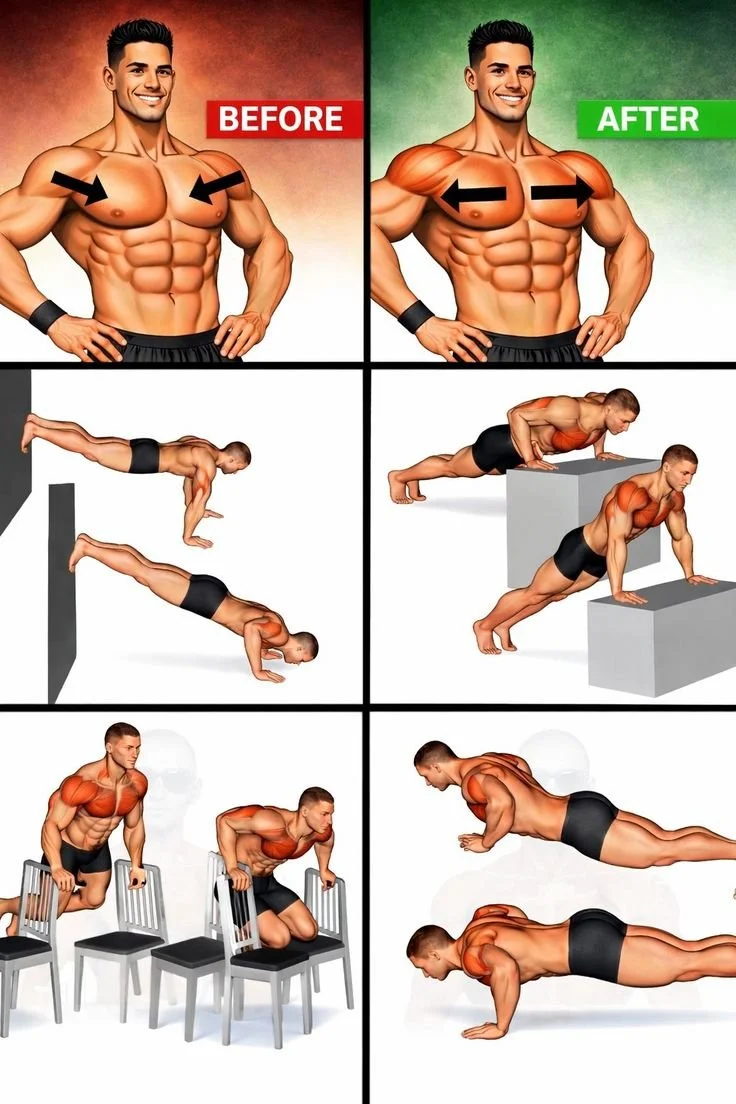
4. Push-ups with Feet Elevated

Elevating your feet during push-ups shifts extra weight onto your upper chest, enhancing muscle activation in that area. It’s an excellent bodyweight alternative that can be done anywhere.

Incorporating Variation

As with any workout regimen, introducing variation can spur further muscle growth. Change the angles, grip, and equipment you use regularly. For instance, alternate between dumbbells and barbells or change the incline to keep your muscles guessing.

Nutrition and Recovery

No workout will succeed without optimal nutrition and recovery. Ensure you’re consuming enough protein, carbohydrates, and healthy fats to support muscle growth. Additionally, prioritize sleep and rest days to allow your upper chest muscles to recover and grow.

Conclusion

While upper chest growth can be frustrating, understanding how to target those muscles effectively makes all the difference. By incorporating the right exercises, avoiding common mistakes, and embracing a holistic approach to training and recovery, you can unlock the potential of your upper chest. Remember, consistency is key, and with determination and the right strategies, you will conquer this stubborn area of your physique. Happy lifting!

The upper chest area can be one of the most stubborn to grow and has been the source of frustration for many advanced bodybuilders and novices alike. Luckily, every problem has its solution, and it’s… Read More »

The Best Workouts For All Upper Leg Muscles (full text in c0mments ⬇️)

The Best Workouts for All Upper Leg Muscles

When it comes to building strength and definition in your legs, focusing on the upper leg muscles is crucial. The major muscle groups in this area include the quadriceps, hamstrings, and adductors. Here’s a guide to some of the best workouts targeting these muscle groups to help you achieve well-defined upper legs.

Quadriceps Workouts

The quadriceps, located at the front of the thigh, are vital for performing everyday activities such as walking, running, and squatting. Here are some of the most effective exercises to engage and strengthen the quads:

1. Squats

  • How to do it: Stand with your feet shoulder-width apart, lower your body as if you are sitting back into a chair, and keep your chest up and back straight. Return to standing.
  • Reps: 3 sets of 10-15 reps.

2. Lunges

  • How to do it: Step forward with one leg, lowering your hips until both knees are bent at approximately 90 degrees. Push back to the starting position and switch legs.
  • Reps: 3 sets of 10-12 reps per leg.

3. Leg Press

  • How to do it: Using a leg press machine, place your feet shoulder-width apart on the platform and push through your heels to extend your legs.
  • Reps: 3 sets of 8-10 reps.

Hamstring Workouts

The hamstrings, located at the back of the thigh, are equally important for overall leg strength and stability. Here are some workouts that effectively target the hamstrings:

1. Deadlifts

  • How to do it: Stand with your feet hip-width apart, holding a barbell or dumbbells. Bend at your hips and knees, lowering the weights while keeping your back straight. Raise back up to standing.
  • Reps: 3 sets of 8-10 reps.

2. Leg Curls

  • How to do it: Using a leg curl machine, position your legs under the pad and curl your legs toward your glutes.
  • Reps: 3 sets of 10-12 reps.

3. Glute Bridges

  • How to do it: Lie on your back with your knees bent and feet flat on the floor. Press through your heels to lift your hips toward the ceiling while squeezing your glutes at the top.
  • Reps: 3 sets of 12-15 reps.

Adductor Workouts

The adductors are the muscles on the inner thigh that help stabilize and bring your legs together during movement. Incorporating these exercises will ensure balanced leg training:

1. Side Lunges

  • How to do it: Step to the side with one leg while keeping the opposite leg straight, bending the knee of the stepping leg. Push back to the starting position.
  • Reps: 3 sets of 10-12 reps per leg.

2. Sumo Squats

  • How to do it: Stand with feet wider than shoulder-width and toes pointing out. Lower into a squat, keeping your chest up.
  • Reps: 3 sets of 10-15 reps.

3. Inner Thigh Machine

  • How to do it: Sit at the inner thigh machine, place your legs against the pads, and squeeze to bring your legs together.
  • Reps: 3 sets of 10-12 reps.

Conclusion

Incorporating these targeted workouts into your routine will help you develop strength and tone across all major upper leg muscle groups. Remember to focus on proper form to prevent injury and maximize your results. Always consider consulting with a fitness professional before starting a new workout regimen to ensure it aligns with your personal fitness goals and abilities. Happy training!

The Best Workouts For All Upper Leg Muscles (full text in c0mments ⬇️) Read More »

Person performing a shoulder workout with dumbbells for strength and muscle gain.

Shoulder Workout on dumbbells

Dumbbell Shoulder Workout: Build Strong, Rounded Delts at Home

Shoulders add width, shape, and power to your upper body. Dumbbells are one of the most versatile tools for shoulder development — they allow a full range of motion, help correct imbalances, and can be used for strength, hypertrophy, and endurance work. If you pair shoulder days with arm routines, consider checking this focused plan inspired by classic splits: Arnold’s ultimate shoulder and arms workout for ideas on pairing movements and sequencing.

This guide covers anatomy, warm-up, a complete dumbbell-only shoulder workout, technique cues, progressions, common mistakes, and a short weekly plan so you can train safely and consistently.

Shoulder anatomy quick primer

  • Anterior deltoid (front): presses and forward raises.
  • Lateral deltoid (side): creates width — targeted by lateral raises.
  • Posterior deltoid (rear): shoulder horizontal abduction and posture — targeted by reverse flyes and face pulls.
  • Rotator cuff: small stabilizers (supraspinatus, infraspinatus, teres minor, subscapularis) — critical for joint health.

Balanced development means hitting all three heads while protecting the cuff.

Warm-up (5–10 minutes)

  • Arm circles (30 sec each direction)
  • Band pull-aparts or light reverse flyes: 2 sets of 12–15 reps
  • Light dumbbell presses: 2 sets of 8–12 reps with very light weight
  • Scapular push-ups or T-spine mobility work for 1–2 minutes

A proper warm-up increases blood flow and primes stabilizers — skip it at your own risk.

Dumbbell Shoulder Workout (All equipment: pair of dumbbells, bench optional)

Goal: hypertrophy and strength. Rest 60–90s between sets unless noted.

  1. Seated Dumbbell Overhead Press — 4 sets x 6–10 reps

    • Strong compound movement that targets anterior and lateral delts. Sit to reduce lower-back compensation. Keep ribs down and press in a slightly arc path.
  2. Standing Single-Arm Dumbbell Press — 3 sets x 8–10 reps each arm

    • Anti-rotation demand improves core stability and isolates side-to-side imbalances.
  3. Dumbbell Lateral Raise (leaning or standing) — 4 sets x 10–15 reps

    • Use a slight bend in the elbow. Lead with the elbow, not the hand. For strict form, use lighter weight and controlled tempo.
  4. Seated Bent-Over Reverse Fly (rear delt fly) — 3 sets x 10–15 reps

    • Hinge at hips, keep chest angled toward floor, pull elbows wide to target posterior delts.
  5. Incline Dumbbell Y-Raise — 3 sets x 10–12 reps

    • Performed on an incline bench or leaning forward, brilliant for upper traps + rear delt integration and shoulder health.
  6. Dumbbell Upright Row (wide grip, high-pull variation) — 3 sets x 8–12 reps

    • Use a wider hand path to emphasize delts and reduce impingement risk — stop at chest height.
  7. Farmer Carry or Suitcase Carry — 2–3 rounds, 30–60 seconds

    • Heavy loaded carry builds trap strength and overhead stability when performed in conjunction with presses.

Finish with light banded external rotations: 2 sets x 15 reps per side to help rotator cuff recovery.

Tip: Prioritize compound pressing early in the workout when fresh, then move to isolation raises.

Technique cues and safety

  • Neutral wrist alignment reduces strain — avoid excessive wrist extension.
  • Avoid shrugging during presses; keep traps down and initiate movement from the deltoid.
  • Control the eccentric (lowering) phase — a 2–3 second descent increases muscle tension.
  • If you have any shoulder pain (not just muscle fatigue), reduce range, lower load, or stop and assess.

Progressions and variations

  • Increase load slowly (2–5% increments) or add a set each 1–2 weeks.
  • Cluster sets (short intra-set rests) can boost strength without increasing absolute load.
  • Use tempo variations: slow eccentrics for growth, explosive concentric for power.
  • Replace seated presses with dumbbell push presses occasionally to overload.

If you want to balance your upper-body routine with core work for better postural support, consider integrating a concise ab plan like this one: 6 essential ab exercises to maintain a rock-solid midsection that supports heavy pressing.

Common mistakes to avoid

  • Using too much weight on lateral raises — swinging reduces delt activation.
  • Neglecting the rear delts — leads to postural problems and imbalances.
  • Rushing through reps — momentum reduces time under tension.
  • Overtraining frequency without adequate recovery — shoulders need care, especially rotator cuffs.

Sample 4-week progression (2 shoulder-focused sessions per week)

Week 1: Moderate weight, focus on form (sets as prescribed).
Week 2: Increase weight on main presses by 2.5–5% or add 1 set to isolation work.
Week 3: Introduce tempo variations (3s eccentrics).
Week 4: Deload week — reduce volume by ~40% to consolidate gains.

Recovery: prioritize sleep, protein intake (~0.7–1.0g/lb bodyweight depending on goals), and a light mobility session mid-week.

Conclusion

For a comprehensive library of exercises to vary your training and keep gains coming, check out this curated list of the 13 Best Dumbbell Shoulder Exercises.

Shoulder Workout on dumbbells Read More »

3D shoulders workout exercises for building strength and muscle tone.

3D Shoulders Workout

3D Shoulders Workout: Build Width, Roundness, and Strength

Well-developed shoulders have three-dimensional appeal: width from the lateral deltoid, roundness from the anterior deltoid, and depth/definition from the posterior deltoid and surrounding musculature. A 3D shoulders workout targets all deltoid heads and the supporting muscles (rotator cuff, traps, upper back) with intention and balance so your shoulders look full from every angle and move safely under load.

Introduction

  • Why a targeted plan matters: random or ego-driven pressing often overdevelops the front delts while neglecting rear delts and rotator cuff stability. For a sustainable, aesthetic shoulder, use balanced volume, varied angles, and progressive overload.
  • If you’re new to planning training blocks, consider the benefits of a structured workout program to keep improvements consistent and measurable.

Shoulder anatomy and why 3D training works

  • Anterior deltoid: responsible for shoulder flexion and many pressing motions.
  • Lateral (middle) deltoid: creates width; emphasizes abduction.
  • Posterior deltoid: gives depth and balances posture; often undertrained.
  • Supporting muscles: rotator cuff for joint health, upper traps for shrugging power, and scapular stabilizers for efficient movement patterns.

Training principles for true 3D shoulders

  • Train all three heads each microcycle: give each head attention across the week rather than one-off workouts.
  • Use multi-angle work: overhead presses (vertical), incline/landmine presses (diagonal), lateral raises (isolation), and face pulls or reverse flyes (horizontal posterior emphasis).
  • Vary loading schemes: heavy sets for strength, moderate weight for hypertrophy, and light/fast sets for tempo and endurance.
  • Prioritize shoulder health: warm up the scapula and rotator cuff, include mobility work, and control volume to prevent overuse injuries.

Warm-up (5–10 minutes)

  • Scapular push-ups: 2 sets of 10–12
  • Band pull-aparts: 2 sets of 15–20
  • External rotation with band: 2 sets of 12–15 per side
  • Light kettlebell or dumbbell halos: 1–2 sets of 10

Sample 3D Shoulders Workout (intermediate lifter)

  1. Overhead Barbell Press (or Dumbbell Seated Press) — 4 sets: 4–6 reps (heavy)
    • Primary strength move targeting anterior and lateral heads.
  2. Single-Arm Landmine Press — 3 sets: 8–10 reps each side
    • Diagonal pressing adds thickness and improves scapular mechanics.
  3. Strict Dumbbell Lateral Raises — 4 sets: 10–15 reps
    • Focus on controlled eccentric and peak contraction for lateral head width.
  4. Rear Delt Face Pulls (or Reverse Pec Deck) — 4 sets: 12–15 reps
    • Posterior emphasis to create depth and prevent rounded shoulders.
  5. Incline Front Raises (plate or dumbbell) — 3 sets: 12–15 reps
    • Adds roundness to the anterior delts without heavy barbell strain.
  6. Shrugs (barbell or dumbbell) — 3 sets: 8–12 reps
    • Finish with controlled shrugs for upper trap thickness.
  7. Optional: Band External Rotations — 2 sets: 15 reps per side (rotator cuff maintenance)

Programming tips

  • Frequency: Train shoulders directly 2 times per week (one heavy/strength session + one hypertrophy/volume session) or include moderate shoulder work within upper-body days.
  • Rep ranges: 4–6 for strength, 6–12 for primary hypertrophy, 12–20 for isolation and endurance/shape work.
  • Rest intervals: 2–3 minutes for heavy sets, 60–90 seconds for hypertrophy sets, 30–60 seconds for burnout/isolation.
  • Progressive overload: increase load, reps, or quality of reps (slower eccentrics, fuller ROM) over weeks.
  • Recovery: rotate heavier and lighter weeks to manage fatigue; give 48–72 hours between intense shoulder sessions.

Common mistakes and how to avoid them

  • Overemphasis on pressing: pair pressing with targeted posterior work each session.
  • Using momentum on lateral raises: control tempo; use lighter loads if necessary.
  • Ignoring mobility: tight pecs and lats will limit overhead mechanics—stretch and mobilize regularly.
  • Skipping rotator cuff work: small stabilizers are essential to lift safely and maintain joint health.

Sample 2-week split (example)

  • Day 1 — Heavy Upper (Overhead press focus) + light posterior work
  • Day 2 — Lower body
  • Day 3 — Hypertrophy Upper (Isolation heavy on lateral + rear delts)
  • Day 4 — Rest or active recovery
  • Day 5 — Push emphasis (chest + secondary shoulder)
  • Day 6 — Pull (back + posterior delts)
  • Day 7 — Rest

If your goal is specifically increasing shoulder width, include targeted lateral raise variations and prioritize mid-deltoid volume; for fuller round delts, emphasize compound pressing and front-dominant isolation. For practical guidance on exercises aimed at widening the shoulders, see this primer on basic exercises for wider shoulders.

Quick progression checklist

  • Track exercises, sets, reps, and notes each session.
  • Aim to add small increments of weight or 1–2 reps every 1–2 weeks.
  • Rotate exercises every 6–8 weeks to avoid plateaus while keeping core compound lifts consistent.

Conclusion

For a complete blueprint and additional programming tips that complement what’s outlined here, check out this detailed guide: 3D Shoulders: Develop Your Deltoids’ Strength & Shape | Flex AI.

3D Shoulders Workout Read More »

Quick and effective waist workout routine for a tiny waist

Quick and Effective Tiny Waist Workout Routine

Quick and Effective Tiny Waist Workout Routine

A slim, well-defined waist is built by strengthening the deep core, trimming excess fat, and improving posture — not by endless crunches. This quick routine focuses on high-impact, low-time moves that target the transverse abdominis, obliques, and hip stabilizers to help create a tighter midsection. For best results, pair this program with a balanced training plan and recovery strategy like a solid full-body workout to manage overall fat and muscle balance.

Warm-up (3–5 minutes)

Start with a short dynamic warm-up to increase blood flow and prime the core:

  • March or jog in place — 60 seconds
  • Hip circles — 30 seconds each direction
  • Cat–cow spine mobilization — 30 seconds
  • Glute bridges (slow) — 10 reps

A focused warm-up reduces injury risk and improves neural engagement for the deep core.

The Routine — 6 Moves (15–20 minutes)

Perform the circuit 3 rounds. Rest 30–45 seconds between rounds. Move deliberately and focus on breathing (exhale on effort, draw the navel toward the spine).

  1. Hollow Body Hold — 20–30 seconds

    • Lie on your back, lift shoulders and legs a few inches, keep lower back pressed to the floor. Maintain steady breathing.
    • Progress: hold longer or add small flutter kicks.
  2. Dead Bug — 8–12 reps per side

    • Lie supine, knees bent at 90°. Extend opposite arm and leg slowly, maintaining a flat lower back. Use slow tempo for control.
  3. Side Plank with Hip Dips — 8–12 dips per side

    • From side plank, lower hips toward the floor then lift back. Builds oblique endurance and stability.
  4. Russian Twists (Weighted or Bodyweight) — 20 reps total

    • Sit slightly reclined, feet lifted if possible. Rotate torso while keeping spine long. Emphasize controlled rotation from the core, not swinging with momentum.
  5. Pallof Press (or Isometric Band Chop) — 10–12 seconds hold per rep x 6–8 reps per side

    • Anti-rotation move that strengthens the deep core and transfers to better posture and a narrower-looking waist.
  6. Standing Oblique Cable or Dumbbell Woodchoppers — 10–12 reps per side

    • Chop from high to low or low to high with control. This adds rotational strength and helps define the waistline when paired with fat loss.

Technique Tips

  • Breath and brace: inhale to prepare, exhale and draw the belly button toward the spine during exertion. Avoid holding your breath.
  • Quality over quantity: 8 high-quality reps are better than 30 sloppy ones. Focus on controlled movement and steady tension.
  • Spine neutrality: don’t over-flex the lumbar spine in pursuit of a “bigger burn.” Keep movement controlled and avoid pain.

Frequency & Progression

  • Do this circuit 3 times per week on non-consecutive days for beginners. Advanced trainees can add an extra round or two, or superset with light cardio for fat-loss emphasis.
  • Track progress by increasing hold times, adding light resistance, or reducing rest intervals. Combine this core focus with a progressive strength plan for the rest of your body — if you’re also prioritizing upper-body aesthetics, you might schedule shoulder and arm days such as in Arnold’s shoulder and arms routine on alternate days.

Nutrition & Lifestyle Notes

  • A visible “tiny waist” depends heavily on body fat percentage. Prioritize a moderate calorie deficit with high protein intake (around 0.7–1.0 g/lb bodyweight), whole foods, and balanced carbs and fats.
  • Posture and mobility: daily thoracic mobility and chest-opening stretches reduce a forward-hunched posture that can visually broaden the midsection.
  • Sleep and stress: chronic stress and poor sleep raise cortisol, which can make abdominal fat harder to lose. Aim for 7–9 hours of quality sleep and simple stress-management practices (breathing, short walks).

Sample 20-Minute Session

  • Warm-up (3 min)
  • Circuit (3 rounds ~12–15 min)
    • Hollow hold 30s, Dead bug 10 each side, Side plank dips 10 each side, Russian twists 20, Pallof press 8 each side, Woodchoppers 10 each side
  • Cool-down: gentle hamstring and hip flexor stretch (2 min)

Consistency — a few focused sessions per week combined with clean nutrition and compound strength training — will produce the most reliable changes in waist appearance.

Conclusion

For additional deep-core variations and techniques to refine your midsection, check out this set of targeted moves: 10 Deep Core Exercises For a Snatched Waist | Hourglass Body …

Quick and Effective Tiny Waist Workout Routine Read More »

Bodyweight chest workout exercises including push-ups and variations.

[Видео] «[Видео] «𝗙𝗜𝗧𝗡𝗘𝗦𝗦𝗟𝗔𝗕𝗢 on Instagram: “✅ Chest Workout with Bodyweight ① Push-up ② Close Grip Push-up ③ Decline Push-up ④ Incline Push-up 3 sets 12-15 reps …»» в 2025 г | Тренировка с гантелями, Фитнес мужчины, Тренировки мышц живота

Bodyweight Chest Workout: Build Strength Anywhere

Looking for a simple, equipment-free chest routine you can do anywhere? This effective bodyweight chest workout focuses on four push-up variations — standard push-ups, close-grip push-ups, decline push-ups, and incline push-ups — performed for 3 sets of 12–15 reps each. If you want consistent progress, consider following a structured workout program to track load, recovery, and technique over time.

Why bodyweight chest work works

Bodyweight exercises build functional strength, teach joint-friendly movement patterns, and are easy to scale. Push-up variations target different portions of the chest, shoulders, and triceps:

  • Standard push-ups: emphasize overall chest and core stability.
  • Close-grip push-ups: shift load to the triceps and inner chest.
  • Decline push-ups: put more stress on the upper chest and front deltoids.
  • Incline push-ups: slightly easier, useful for volume or active recovery.

The workout (3 sets, 12–15 reps)

Perform the following circuit 2–3 times per week, allowing 48–72 hours of rest between intense sessions.

  1. Push-up — 3 sets of 12–15 reps
    Technique: Keep a tight core, straight line from heels to head, lower chest to just above the floor, and press explosively.

  2. Close-Grip Push-up — 3 sets of 12–15 reps
    Technique: Hands directly under sternum or slightly narrower, elbows tracking close to ribs to target triceps and inner chest.

  3. Decline Push-up — 3 sets of 12–15 reps
    Technique: Place feet on a bench or elevated surface. Focus on controlled descent to increase upper chest recruitment.

  4. Incline Push-up — 3 sets of 12–15 reps
    Technique: Hands on an elevated surface (bench, wall, or box). Use this as a volume finisher or to manage fatigue while maintaining quality reps.

Rest 60–90 seconds between sets. If 12–15 reps are too easy for a set, slow down the tempo, add a pause at the bottom, or increase elevation for decline push-ups to make them harder.

Progressions and variations

  • Increase difficulty: weighted vest, single-leg push-ups, or tempo manipulation (e.g., 3-second eccentric).
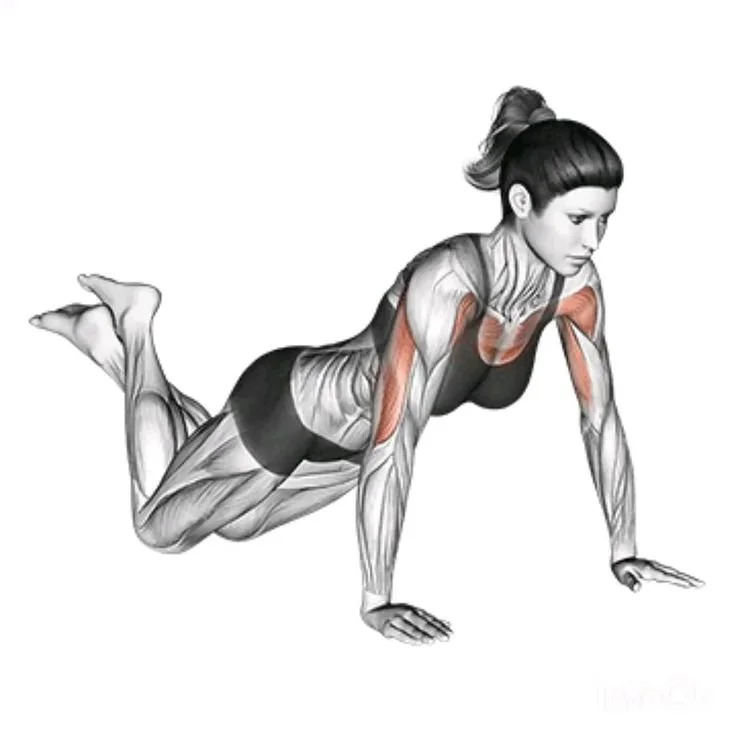
  • Decrease difficulty: elevate hands, reduce range of motion, or perform knee push-ups while building strength.
  • Add unilateral work: archer push-ups or one-arm assisted push-ups to build imbalances and stability.

Pairing chest work with other muscle groups

Incorporate arm- or shoulder-focused exercises to develop balanced upper-body strength. For targeted arm development and fine-tuning technique, consider pairing chest days with focused arm training resources like those on sculpting arms, even if you’re tailoring the programming for a different audience. Bringing arm work into your routine helps pressing strength and improves lockout power on push variations.

Warm-up, mobility, and recovery

  • Warm-up (5–10 minutes): dynamic shoulder circles, band pull-aparts, scapular push-ups, and light cardio to raise core temperature.
  • Mobility: thoracic rotations and pec doorway stretches improve range of motion for deeper, safer push-ups.
  • Recovery: prioritize sleep, protein intake, and active recovery sessions to maintain progress and avoid overuse.

Sample weekly plan

  • Monday: Bodyweight chest workout + light core work
  • Wednesday: Lower-body or conditioning session
  • Friday: Bodyweight chest workout + accessory shoulder/arm work
  • Optional Sunday: Active recovery and mobility

Safety tips

  • Maintain a neutral spine; avoid sagging hips or flaring ribs.
  • If you experience sharp shoulder pain, stop and reassess hand position and range of motion.
  • Progress slowly — heavier loads and advanced variations should come after consistent mastery of form.

Conclusion
This four-variation push-up routine is simple, scalable, and effective for building chest strength and muscular endurance. With consistent practice, proper progression, and attention to recovery, you can make measurable gains without a gym — and easily combine this work with targeted arm or dumbbell sessions to round out your upper-body development.

[Видео] «[Видео] «𝗙𝗜𝗧𝗡𝗘𝗦𝗦𝗟𝗔𝗕𝗢 on Instagram: “✅ Chest Workout with Bodyweight ① Push-up ② Close Grip Push-up ③ Decline Push-up ④ Incline Push-up 3 sets 12-15 reps …»» в 2025 г | Тренировка с гантелями, Фитнес мужчины, Тренировки мышц живота Read More »

Dilek Akmergiz demonstrating top chest exercises with dumbbells on Instagram.

Dilek Akmergiz on Instagram: “📌Top 4 best Chest exercises with dumbbell🔥 Do these 4 exercises for a strong chest 💪🏻 1️⃣Chest press – 3×15 reps 2️⃣Close gri… [Video] [Video] | Stomach workout, Shoulder workout, Workout videos

Top 4 Dumbbell Chest Exercises — Build Strength and Shape with Just One Pair

If you saw Dilek Akmergiz’s quick Instagram clip listing the top 4 chest moves with dumbbells, this article expands on that simple but effective routine. These four exercises give you balanced chest development, better pressing strength, and improved shoulder stability. Pairing chest work with solid core training helps you generate power and maintain form — for a ready reference on core routines check out this best ab workouts to complement your pressing days.

Below you’ll find correct technique cues, suggested sets and reps, tempo and progressions so you can use just one pair of dumbbells to get a fuller, stronger chest.

The 4 Best Dumbbell Chest Exercises (How to do them)

  1. Flat Dumbbell Chest Press (primary mass mover)

    • Why: Builds overall chest thickness and pressing strength while training each side independently to fix imbalances.
    • Form cues: Lie flat on a bench, feet planted, scapula slightly retracted. Press the dumbbells up and together slightly above the sternum; don’t let elbows flare to 90°.
    • Prescribed work: 3 sets x 8–15 reps (for beginners try 3×15 as in the original clip; heavier sets at 8–10 reps build strength).
    • Tempo: 2s down, pause 1s at bottom, explosive 1s up.
  2. Close-Grip Dumbbell Press (inner chest and triceps emphasis)

    • Why: Targets the inner chest fibers and triceps, useful to improve lockout strength and chest definition.
    • Form cues: Keep dumbbells nearly touching over the sternum, elbows track closer to the body than a traditional press. Avoid shrugging the shoulders.
    • Prescribed work: 3 sets x 10–12 reps.
    • Variation: Try this on a slight incline to shift tension toward upper chest.
  3. Incline Dumbbell Press (upper chest development)

    • Why: Strengthens the clavicular head (upper chest) and gives a fuller chest contour.
    • Form cues: Set bench to 20–35°. Press in an arc from upper chest to midline. Keep a stable core and avoid hyperextending the lower back.
    • Prescribed work: 3 sets x 8–12 reps.
    • Progression: Increase incline slightly or use a slower eccentric to increase difficulty.
  4. Dumbbell Flyes (stretch and shaping)

    • Why: Focuses on chest stretch at the bottom and the mind-muscle connection, excellent for shaping and chest peck separation.
    • Form cues: Slight bend in elbows, open arms wide until a comfortable stretch, then drive the pecs to bring weights together over chest. Do not bounce at the bottom.
    • Prescribed work: 3 sets x 10–15 reps.
    • Safety: Use lighter loads than presses to avoid shoulder strain.

Programming Tips, Recovery & Nutrition

  • Sample mini workout (one pair of dumbbells): Flat Press 3×12, Incline Press 3×10, Close-Grip Press 3×12, Flyes 3×15 — rest 60–90s between sets.
  • Progression: Increase reps or weight each week, or add a set. Once you can do the top of your rep range for all sets, increase the load.
  • Frequency: 1–2 focused chest sessions per week is effective for most lifters; allow 48–72 hours recovery.
  • Nutrition & recovery: Strength gains and muscle growth depend on consistent fueling and recovery. For practical daily fueling advice that supports training and recovery, see these 24/7 body fueling tips.
  • Core and shoulder health: Strong core and stable scapulae reduce injury risk and improve transfer of force from torso to arms — integrate anti-rotation and scapular control work into your routine.

Common Mistakes to Avoid

  • Using too much weight on flyes — leads to shoulder strain.
  • Letting knees or hips lift during presses; keep a stable base.
  • Excessive elbow flare during presses which stresses the shoulder joint.
  • Neglecting progressive overload — small, consistent increases win long-term.

Conclusion

Using just a pair of dumbbells you can hit the chest from multiple angles to build strength and shape. Focus on clean technique, steady progression, and recovery. Combine these presses and flyes with core work and proper fueling to maximize results.

Dilek Akmergiz on Instagram: “📌Top 4 best Chest exercises with dumbbell🔥 Do these 4 exercises for a strong chest 💪🏻 1️⃣Chest press – 3×15 reps 2️⃣Close gri… [Video] [Video] | Stomach workout, Shoulder workout, Workout videos Read More »

Exercises targeting tension relief in neck and shoulders for better wellness.

11 Exercises to Ease Tension in Your Neck and Shoulders

11 Exercises to Ease Tension in Your Neck and Shoulders

Tightness in the neck and shoulders is common whether you sit at a desk, carry stress, or train hard. The right combination of gentle stretches, mobility moves, and strengthening can reduce pain, improve posture, and prevent recurring stiffness. If you’re looking for a broader approach to fitness that complements mobility work, this guide pairs well with a deeper training philosophy like Unlocking Your Fitness Potential to keep your body balanced and resilient.

Below are 11 practical exercises you can do almost anywhere. Each one includes a purpose, how to perform it, recommended frequency, and common mistakes to avoid.

How to use these exercises

  • Aim to perform these moves daily if you have persistent tightness; otherwise 3–5 times per week helps maintain mobility.
  • Move slowly and breathe deeply; inhale before an action, exhale as you stretch or hold.
  • Hold static stretches for 20–45 seconds and repeat 2–3 times. Do dynamic moves for 8–12 reps per side.
  • Stop or ease off if you feel sharp pain, dizziness, or numbness.

1. Chin Tucks (Neck Retrractions)

Purpose: Counteracts forward-head posture and eases deep neck extensor strain.
How-to: Sit or stand tall. Gently draw your chin straight back (create a “double chin”) without tilting the head. Hold 5 seconds, relax.
Frequency: 8–12 reps, 2 times per day.
Mistake to avoid: Pushing the head backward or lifting the chin upward.

2. Levator Scapulae Stretch

Purpose: Targets the muscle that runs from the shoulder blade to the neck — a common soreness spot.
How-to: Sit tall. Turn your head 45° away from the side you’re stretching, then tuck your chin and gently tilt the head downward toward your armpit. Use your hand on the back of your head to apply mild pressure.
Frequency: Hold 20–30 seconds, 2–3 reps per side.
Mistake to avoid: Raising the opposite shoulder—keep shoulders relaxed.

3. Upper Trapezius Stretch

Purpose: Releases the broad muscle that often tightens with stress and poor posture.
How-to: Sit tall. Drop one ear toward the same-side shoulder and use the hand on that side to gently increase the stretch. Keep the chin slightly tucked.
Frequency: 20–30 seconds, 2–3 reps per side.
Mistake to avoid: Rotating the head forward — keep it in line with the spine.

4. Doorway Pec Stretch

Purpose: Opens the chest to reduce rounded shoulders, which contribute to neck strain.
How-to: Stand in a doorway with forearms on the frame and elbows at shoulder height. Step forward gently until you feel a stretch across the chest.
Frequency: 30–45 seconds, 2 reps.
Mistake to avoid: Arching the lower back — keep a neutral spine.

5. Scapular Retractions (Shoulder Blade Squeezes)

Purpose: Strengthens the muscles that stabilize the shoulder blades, improving posture.
How-to: Sit or stand tall. Squeeze shoulder blades together, pulling them down and back, hold 2–3 seconds, release.
Frequency: 12–15 reps, 2 sets.
Mistake to avoid: Lifting shoulders up toward the ears.

6. Cat-Cow (Neck and Thoracic Mobility)

Purpose: Mobilizes the entire spine and coordinates neck movement with thoracic motion.
How-to: On hands and knees, inhale to drop your belly and lift your chest (cow), looking slightly upward. Exhale to round the back and draw the chin to chest (cat).
Frequency: 8–12 cycles.
Mistake to avoid: Forcing extreme ranges; move smoothly.

7. Thread-the-Needle (Thoracic Rotation)

Purpose: Improves mid-back rotation and relieves compensatory neck motion.
How-to: On all fours, slide one arm underneath the opposite arm and twist the torso to open the chest. Reach the top arm toward the ceiling to increase rotation.
Frequency: 8–10 reps per side.
Mistake to avoid: Collapsing the lower back — maintain core stability.

8. Corner Stretch (Alternative Chest Opener)

Purpose: Similar to doorway pec stretch but easier to control for those without a doorway.
How-to: Stand facing a corner, forearms on each wall at shoulder height. Lean your chest into the corner until you feel a mild stretch.
Frequency: 20–30 seconds, 2 reps.
Mistake to avoid: Shrugging shoulders — keep them down.

9. Isometric Neck Strengthening

Purpose: Builds endurance in neck muscles to better support your head.
How-to: Place your palm on your forehead and gently push your head into the palm without moving the head. Hold 5–10 seconds. Repeat with palm on the back of your head and both sides.
Frequency: 6–8 reps in each direction.
Mistake to avoid: Using excessive force—gentle resistance is enough.

10. Ball Release (Self-Massage for Trigger Points)

Purpose: Releases knots in the upper trapezius and shoulder area.
How-to: Place a small massage or tennis ball between your upper back/shoulder and a wall. Lean into the ball and roll slowly over tender spots, pausing on painful points for 20–30 seconds.
Frequency: 1–3 minutes per side.
Mistake to avoid: Using a hard surface that causes excessive pain—adjust pressure.

11. Shoulder Rolls and Pendulum

Purpose: Increases circulation and eases tightness by integrating gentle movement.
How-to: For rolls, lift shoulders up, back, and down in a smooth circular motion (10 each direction). For pendulum, lean forward supporting yourself with one hand, let the other arm hang and swing gently in circles.
Frequency: 10–15 reps each.
Mistake to avoid: Moving too quickly or holding breath.

Sample 10-Minute Routine

  1. Cat-Cow — 1 minute
  2. Chin Tucks — 10 reps
  3. Doorway or Corner Stretch — 30 seconds
  4. Scapular Retractions — 12 reps
  5. Levator Scapulae and Upper Trap Stretches — 30 seconds each side
  6. Thread-the-Needle — 8 reps per side
  7. Ball Release — 1 minute per side
    Finish with deep diaphragmatic breathing for 1 minute.

Precautions and When to Seek Help

  • If you experience numbness, radiating arm pain, sudden severe headaches, or weakness, stop the exercises and consult a healthcare professional.
  • Recent shoulder surgery, fractures, or diagnosed cervical spine conditions should be cleared by your clinician before attempting these moves.
  • If you want inspiration on long-term training habits and lessons learned over time, consider reflections like A Letter to My Younger Self on Bodybuilding and Life to combine mobility with sustainable strength work.

Lifestyle Tips to Reduce Recurrence

  • Set a timer to stand and move every 30–60 minutes.
  • Optimize your workstation: monitor at eye level, keyboard close enough to avoid reaching, chair supporting the lower back.
  • Manage stress with breathing exercises, short walks, or mindfulness, since stress often tightens the neck and shoulders.
  • Strengthen upper back and rotator cuff muscles as part of regular training to create long-term balance.

Conclusion

For an additional resource with quick stretches and prevention advice, see Tight Shoulders: 11 Stretches for Fast Relief and Tips for Prevention.

11 Exercises to Ease Tension in Your Neck and Shoulders Read More »

Dynamic shoulders workout routine for intense muscle building

Shoulders ON FIRE Workout Routine

Shoulders ON FIRE Workout Routine

Want shoulders that look and perform like they’re forged from steel? The Shoulders ON FIRE Routine is a focused, efficient plan that blends compound strength work, targeted isolation, and smart volume to drive hypertrophy and stability without wasting time. Whether you’re a gym regular or returning after a break, this routine gives structure, progression, and safeguards to help you build rounded, powerful delts.

If you value joint health and mobility alongside muscle growth, pairing this with flexibility work can help — see the harmony of body and mind approach for complementary mobility practice.

Why this routine works

  • Balanced stimulus: Hitting anterior, lateral, and posterior deltoids through presses, raises, and horizontal/vertical pulling.
  • Strength + hypertrophy: Heavy compound presses build strength; high-rep isolation drives metabolic stress and size.
  • Volume management: Weekly structure prevents overtraining while allowing progressive overload.
  • Rotator cuff and scapular focus: Built-in stability work reduces injury risk and improves transfer to heavier lifts.

Warm-up (10 minutes)

  • 5 minutes light cardio (rower or bike) to raise core temp.
  • Band pull-aparts: 2 x 20
  • Face pulls: 2 x 15 (light)
  • Scapular wall slides: 2 x 12
  • 1 set of empty-bar overhead presses or light dumbbell presses: 12–15 reps

Never underplay the warm-up for shoulders — good prep prevents painful setbacks.

Core workout (60 minutes)

Perform this routine 1–2 times per week depending on your overall split. Rest 60–90 seconds between sets on isolation moves; 90–120 seconds for heavier compound sets.

  1. Barbell Overhead Press — 4 sets x 5–8 reps

    • Focus: Strength and mass for anterior delts and triceps.
    • Progression: Add 2.5–5 lb each week when you can complete top reps.
  2. Seated Dumbbell Press (strict) — 3 sets x 8–10 reps

    • Use slightly lighter weight than standing press; control the eccentric.
  3. Superset A (Lateral Raise + Front Raise) — 3 rounds

    • Lateral Raises (dumbbells): 12–15 reps (2–3 second tempo on the eccentric)
    • Plate or dumbbell Front Raises: 10–12 reps
    • Purpose: Sculpt lateral and anterior heads; use controlled form to avoid swinging.
  4. Rear Delt Focus (choose one) — 3 sets x 12–15 reps

    • Bent-over dumbbell reverse flyes OR face pulls
    • Keep moderate weight and full range to target the posterior delts.
  5. Upright Row (neutral grip) — 3 sets x 8–10 reps

    • Use a wide grip to emphasize delts over traps; stop at collarbone height to limit impingement risk.
  6. Finisher — Drop-set or Burnout

    • Cable lateral raise drop-set: start with a challenging weight, perform 10 reps, drop 20–30% weight, do 8 reps, drop again and do 6 reps.
    • Alternatively, do 2–3 sets of 20 band lateral raises for metabolic finish.

If you’re chasing an Arnold-style pump and complexity, consider supplementing with variations inspired by classic programs — especially when cycling intensity — as described in this guide to Arnold’s shoulder and arms routine.

Sample weekly split (for experienced trainees)

  • Day 1: Chest + Triceps
  • Day 2: Back + Light Posterior Delt Work
  • Day 3: Shoulders ON FIRE (primary shoulder day)
  • Day 4: Legs
  • Day 5: Recovery or conditioning
  • Optional Day 6: Secondary shoulder volume (light) or arms

Adjust frequency according to recovery: beginners thrive with one focused shoulder day per week; intermediates can stimulate growth twice weekly with one heavy and one light session.

Progression and overload

  • Linear progression: Add small increments of weight on compound lifts each week while maintaining form.
  • Volume cycling: Every 4–6 weeks, drop volume by 30% for a deload week.
  • Intensity techniques: Use drop sets, rest-pause, or slow eccentrics sparingly to break plateaus.

Recovery, mobility, and injury prevention

  • Sleep and nutrition are critical: aim for 7–9 hours sleep and sufficient protein (0.7–1.0 g/lb bodyweight).
  • Rotator cuff routine (2x/week): internal/external rotations with band 3 x 12 each side.
  • Avoid behind-the-neck presses and excessive overhead volume if you have past shoulder pain. Listen to pain vs. effort — sharp joint pain is a stop signal.

Example 6-week progression (for compound press)

Week 1: 4×6 at 70% 1RM
Week 2: 4×6 at 72.5% 1RM
Week 3: 4×5 at 75% 1RM (increase weight)
Week 4: 3×8 at 68% 1RM (volume-focused week)
Week 5: 4×5 at 77.5% 1RM
Week 6: Deload — 50–60% volume and weight

Track your lifts and notes on form to ensure steady gains.

Common mistakes to avoid

  • Using momentum on lateral raises — strict form beats ego weight.
  • Neglecting rear delts — leads to imbalance and postural issues.
  • Skipping scapular stability work — limits press strength and increases risk.
  • Overtraining with too much weekly overhead volume — schedule recovery.

Equipment options and substitutions

  • No dumbbells? Use resistance bands for lateral/front raises and single-arm presses.
  • No barbell? Use kettlebells or single-arm landmine presses for a stable pressing pattern.
  • Cables are great for constant tension on lateral and front raises.

Takeaways

  • Balance strength and isolation to build full, functional shoulders.
  • Prioritize warm-up, rotate variations, and progress gradually.
  • Use targeted rotator cuff and scapular work to support heavy pressing.

Conclusion

To download a structured printable plan and follow-up workouts to support an intense shoulder program, see the Fire Workout.

Shoulders ON FIRE Workout Routine Read More »

Scroll to Top