

 amanda cohen
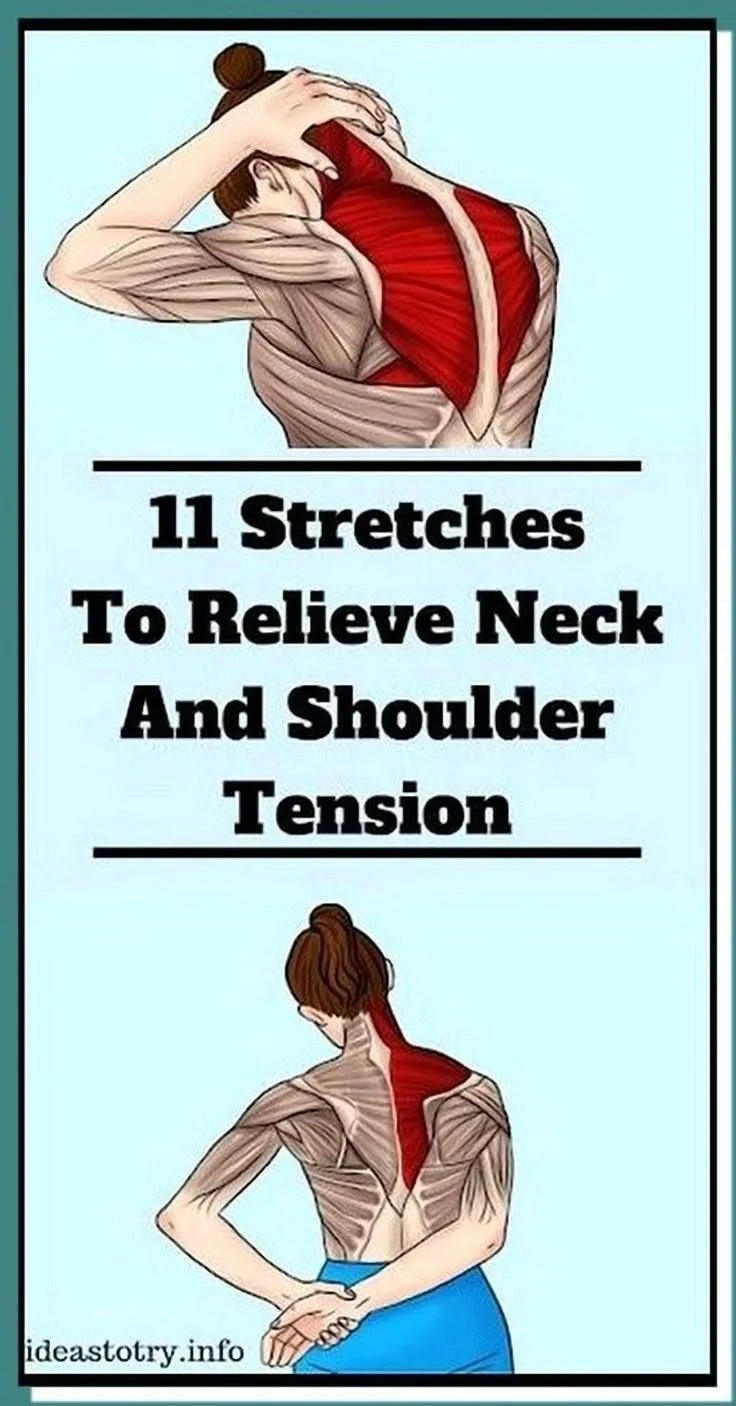
11 Exercises to Ease Tension in Your Neck and Shoulders
Tightness in the neck and shoulders is common whether you sit at a desk, carry stress, or train hard. The right combination of gentle stretches, mobility moves, and strengthening can reduce pain, improve posture, and prevent recurring stiffness. If you’re looking for a broader approach to fitness that complements mobility work, this guide pairs well with a deeper training philosophy like Unlocking Your Fitness Potential to keep your body balanced and resilient.
Below are 11 practical exercises you can do almost anywhere. Each one includes a purpose, how to perform it, recommended frequency, and common mistakes to avoid.
How to use these exercises
- Aim to perform these moves daily if you have persistent tightness; otherwise 3–5 times per week helps maintain mobility.
- Move slowly and breathe deeply; inhale before an action, exhale as you stretch or hold.
- Hold static stretches for 20–45 seconds and repeat 2–3 times. Do dynamic moves for 8–12 reps per side.
- Stop or ease off if you feel sharp pain, dizziness, or numbness.
1. Chin Tucks (Neck Retrractions)
Purpose: Counteracts forward-head posture and eases deep neck extensor strain.
How-to: Sit or stand tall. Gently draw your chin straight back (create a “double chin”) without tilting the head. Hold 5 seconds, relax.
Frequency: 8–12 reps, 2 times per day.
Mistake to avoid: Pushing the head backward or lifting the chin upward.
2. Levator Scapulae Stretch
Purpose: Targets the muscle that runs from the shoulder blade to the neck — a common soreness spot.
How-to: Sit tall. Turn your head 45° away from the side you’re stretching, then tuck your chin and gently tilt the head downward toward your armpit. Use your hand on the back of your head to apply mild pressure.
Frequency: Hold 20–30 seconds, 2–3 reps per side.
Mistake to avoid: Raising the opposite shoulder—keep shoulders relaxed.
3. Upper Trapezius Stretch
Purpose: Releases the broad muscle that often tightens with stress and poor posture.
How-to: Sit tall. Drop one ear toward the same-side shoulder and use the hand on that side to gently increase the stretch. Keep the chin slightly tucked.
Frequency: 20–30 seconds, 2–3 reps per side.
Mistake to avoid: Rotating the head forward — keep it in line with the spine.
4. Doorway Pec Stretch
Purpose: Opens the chest to reduce rounded shoulders, which contribute to neck strain.
How-to: Stand in a doorway with forearms on the frame and elbows at shoulder height. Step forward gently until you feel a stretch across the chest.
Frequency: 30–45 seconds, 2 reps.
Mistake to avoid: Arching the lower back — keep a neutral spine.
5. Scapular Retractions (Shoulder Blade Squeezes)
Purpose: Strengthens the muscles that stabilize the shoulder blades, improving posture.
How-to: Sit or stand tall. Squeeze shoulder blades together, pulling them down and back, hold 2–3 seconds, release.
Frequency: 12–15 reps, 2 sets.
Mistake to avoid: Lifting shoulders up toward the ears.
6. Cat-Cow (Neck and Thoracic Mobility)
Purpose: Mobilizes the entire spine and coordinates neck movement with thoracic motion.
How-to: On hands and knees, inhale to drop your belly and lift your chest (cow), looking slightly upward. Exhale to round the back and draw the chin to chest (cat).
Frequency: 8–12 cycles.
Mistake to avoid: Forcing extreme ranges; move smoothly.
7. Thread-the-Needle (Thoracic Rotation)
Purpose: Improves mid-back rotation and relieves compensatory neck motion.
How-to: On all fours, slide one arm underneath the opposite arm and twist the torso to open the chest. Reach the top arm toward the ceiling to increase rotation.
Frequency: 8–10 reps per side.
Mistake to avoid: Collapsing the lower back — maintain core stability.
8. Corner Stretch (Alternative Chest Opener)
Purpose: Similar to doorway pec stretch but easier to control for those without a doorway.
How-to: Stand facing a corner, forearms on each wall at shoulder height. Lean your chest into the corner until you feel a mild stretch.
Frequency: 20–30 seconds, 2 reps.
Mistake to avoid: Shrugging shoulders — keep them down.
9. Isometric Neck Strengthening
Purpose: Builds endurance in neck muscles to better support your head.
How-to: Place your palm on your forehead and gently push your head into the palm without moving the head. Hold 5–10 seconds. Repeat with palm on the back of your head and both sides.
Frequency: 6–8 reps in each direction.
Mistake to avoid: Using excessive force—gentle resistance is enough.
10. Ball Release (Self-Massage for Trigger Points)
Purpose: Releases knots in the upper trapezius and shoulder area.
How-to: Place a small massage or tennis ball between your upper back/shoulder and a wall. Lean into the ball and roll slowly over tender spots, pausing on painful points for 20–30 seconds.
Frequency: 1–3 minutes per side.
Mistake to avoid: Using a hard surface that causes excessive pain—adjust pressure.
11. Shoulder Rolls and Pendulum
Purpose: Increases circulation and eases tightness by integrating gentle movement.
How-to: For rolls, lift shoulders up, back, and down in a smooth circular motion (10 each direction). For pendulum, lean forward supporting yourself with one hand, let the other arm hang and swing gently in circles.
Frequency: 10–15 reps each.
Mistake to avoid: Moving too quickly or holding breath.
Sample 10-Minute Routine
- Cat-Cow — 1 minute
- Chin Tucks — 10 reps
- Doorway or Corner Stretch — 30 seconds
- Scapular Retractions — 12 reps
- Levator Scapulae and Upper Trap Stretches — 30 seconds each side
- Thread-the-Needle — 8 reps per side
- Ball Release — 1 minute per side
Finish with deep diaphragmatic breathing for 1 minute.
Precautions and When to Seek Help
- If you experience numbness, radiating arm pain, sudden severe headaches, or weakness, stop the exercises and consult a healthcare professional.
- Recent shoulder surgery, fractures, or diagnosed cervical spine conditions should be cleared by your clinician before attempting these moves.
- If you want inspiration on long-term training habits and lessons learned over time, consider reflections like A Letter to My Younger Self on Bodybuilding and Life to combine mobility with sustainable strength work.
Lifestyle Tips to Reduce Recurrence
- Set a timer to stand and move every 30–60 minutes.
- Optimize your workstation: monitor at eye level, keyboard close enough to avoid reaching, chair supporting the lower back.
- Manage stress with breathing exercises, short walks, or mindfulness, since stress often tightens the neck and shoulders.
- Strengthen upper back and rotator cuff muscles as part of regular training to create long-term balance.
Conclusion
For an additional resource with quick stretches and prevention advice, see Tight Shoulders: 11 Stretches for Fast Relief and Tips for Prevention.


GIPHY App Key not set. Please check settings