
PowerLegs
A focused leg workout sharpens strength, stability, and athleticism—whether you’re training for performance, physique, or everyday function. This short guide gives clear, practical routines and tips you can use at home or in the gym today. For core pairing and progression ideas, try the leg raise and oblique crunch challenge to complement your lower-body work.
Why train legs? Strong legs improve posture, reduce injury risk, and raise metabolic output. Below are efficient exercises, set recommendations, and technique notes to get the most from your sessions.
Leg essentials
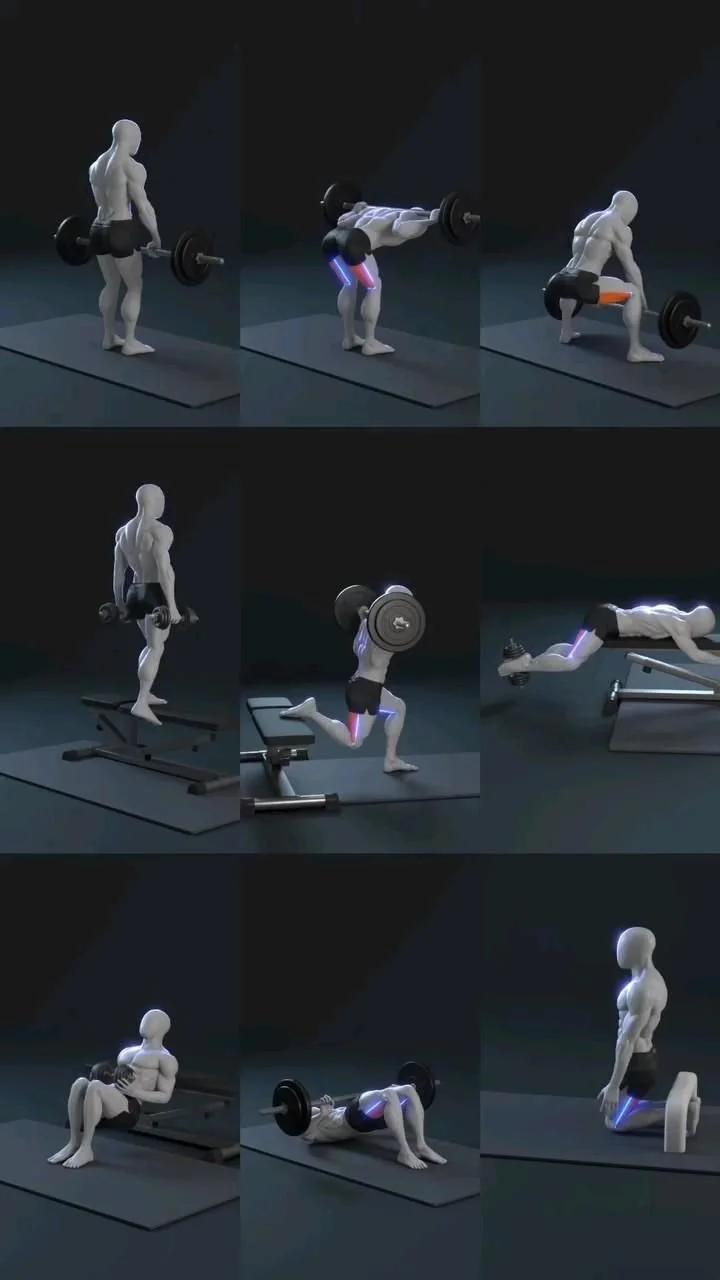
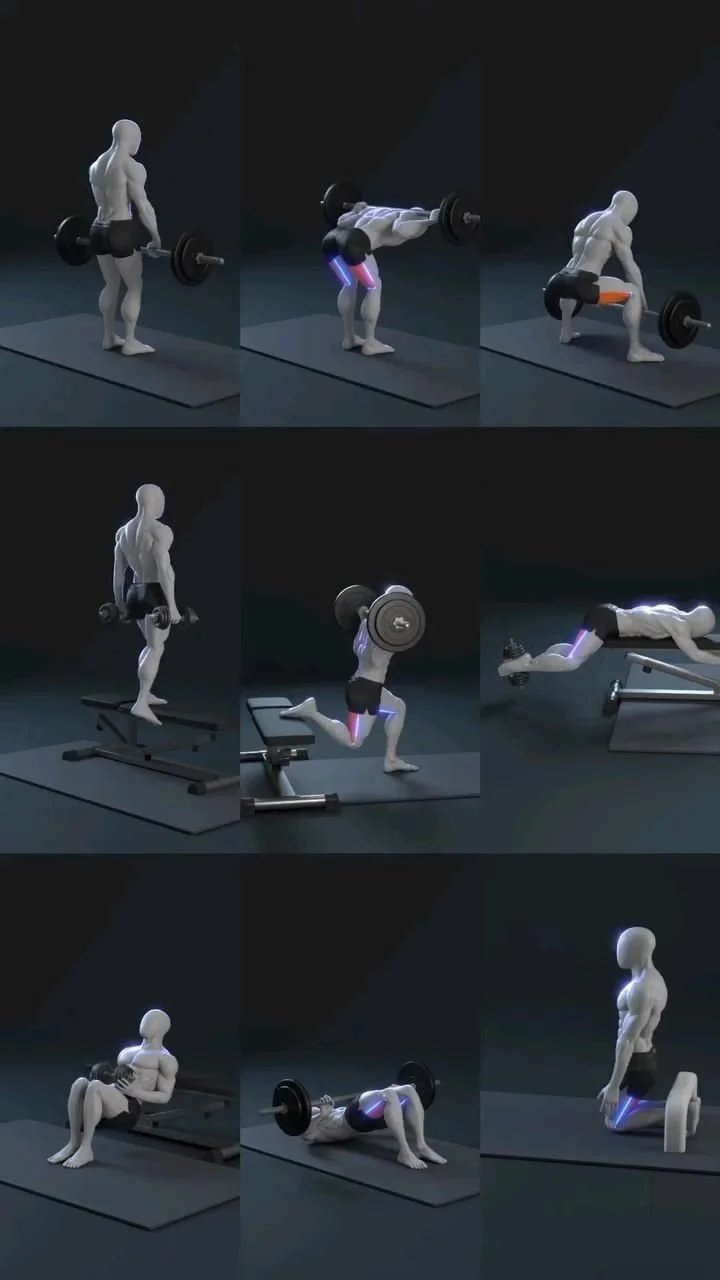
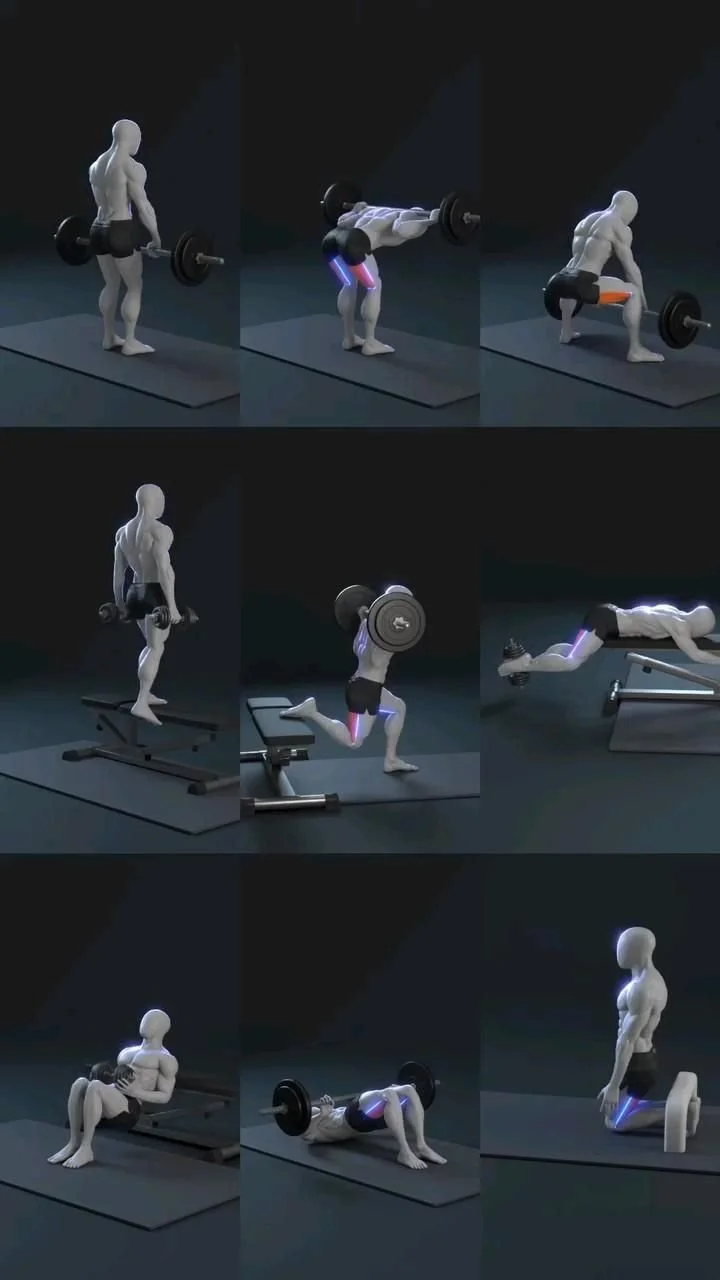
- Squats (back or goblet): 3–5 sets of 5–12 reps. Keep chest up, drive through heels, and maintain a natural arch in the lower back.
- Romanian deadlifts / hip hinges: 3–4 sets of 6–10 reps. Focus on hip flexion and a soft knee to target hamstrings and glutes.
- Forward and reverse lunges: 3 sets per side of 8–12 reps. Step with control and avoid letting the knee track too far forward.
- Bulgarian split squat: 3 sets of 6–10 reps per leg. Great unilateral strength and balance builder.
- Calf raises (seated or standing): 3 sets of 12–20 reps. Use full range of motion and controlled tempo.
Sample workouts
- Strength-focused (2–4 sets): Heavy squats 5 reps, Romanian deadlifts 6–8 reps, Bulgarian split squats 6–8 reps per leg.
- Hypertrophy-focused (3–4 sets): Goblet squats 10–12 reps, walking lunges 12–16 steps, leg curls or hamstring bridges 10–15 reps, calf raises 15–20 reps.
- Conditioning/quick session (circuit, 3 rounds): 10 goblet squats, 12 alternating lunges, 15 kettlebell swings, 60-second bodyweight calf raises—minimal rest.
Programming tips
- Frequency: 1–3 leg sessions per week depending on recovery and goals.
- Progression: Increase load, add reps, or reduce rest. Track workouts to ensure steady improvements.
- Recovery: Prioritize sleep, protein intake, and mobility work. Light posterior-chain activation (glute bridges) and hamstring stretches help recovery.
Technique & injury prevention
- Warm up dynamically—leg swings, bodyweight squats, hip circles.
- Nail the basics before adding heavy load: depth and knee alignment on squats, hinge mechanics on deadlifts.
- If mobility is limiting form, use regressions (box squats, elevated heels) until mobility improves.
- Balance volume across quads, hamstrings, and glutes to avoid muscle imbalances.
Accessory and progression ideas
- Add tempo variations (slow eccentrics) to increase time under tension.
- Incorporate single-leg work for asymmetry correction and stability.
- For targeted upper-leg development and variations, see this curated list of best upper leg workouts for deeper options and progressions.
Conclusion
For a concise reference to the most effective exercises and variations you can use in your leg-day programming, check out Gymshark’s guide to the best leg exercises which pairs well with the routines above.

GIPHY App Key not set. Please check settings