
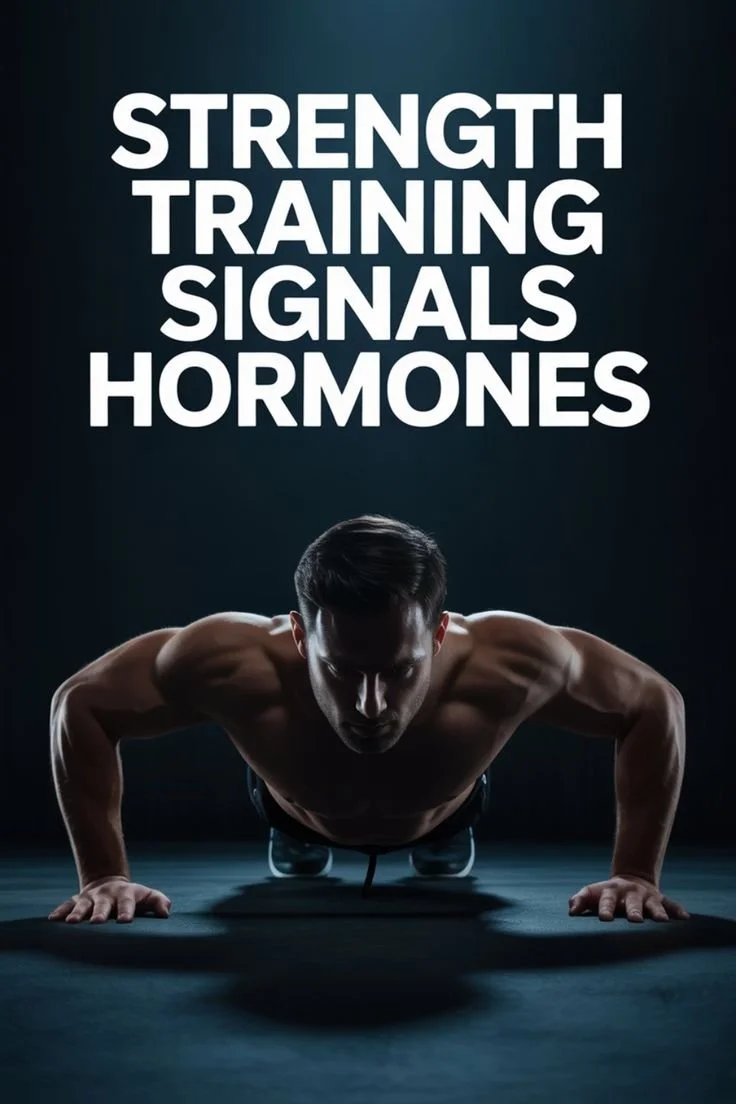
Motion Signals: Men’s Hormone Health
Movement is more than a way to burn calories — it’s an active signal your body sends about hormone balance, stamina, and long-term health. Gentle shifts in daily activity and deliberate exercise both influence testosterone, insulin sensitivity, and metabolic hormones that shape mood, libido, and muscle. For practical strength approaches that complement hormonal goals, consider learning why heavy lifting can be valuable even across sexes by reviewing expert perspectives on resistance work like why women benefit from heavy lifting.
Why movement matters
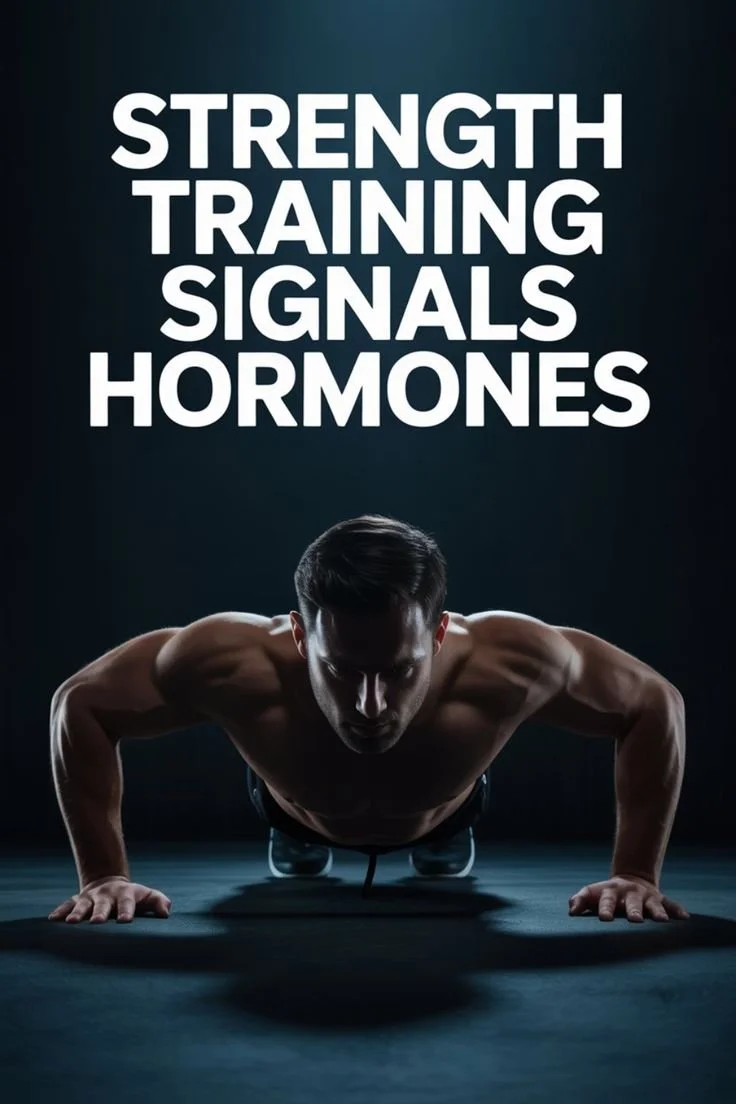
Physical activity triggers hormonal cascades. Resistance training boosts anabolic hormones, aerobic work improves insulin action, and regular mobility reduces stress-hormone spikes. These changes aren’t just immediate — consistent movement patterns tell the endocrine system how to allocate resources for muscle repair, fat storage, and reproductive function. Men who lose daily activity often see subtle declines in testosterone and rises in inflammatory markers; conversely, those who keep moving tend to preserve lean mass and sexual health.
Daily rhythm: small moves, big signals
Small daily habits — walking between meetings, taking the stairs, or a brief afternoon mobility circuit — maintain insulin sensitivity and steady cortisol rhythms. If you’re short on time, efficient sessions exist: try focused bursts from curated resources like 10-minute workouts for home to preserve cardiovascular and hormonal benefits without long gym visits. These micro-sessions can blunt midday fatigue and support evening sleep, which in turn stabilizes hormone production overnight.
Strength and metabolic hormones
Heavy, compound lifts prompt growth hormone and testosterone spikes after a session, which support muscle maintenance and metabolic rate. That’s why targeted strength plans are useful for men wanting to protect muscle as they age. If you’re tuning macronutrients alongside training, established guidance on protein targets can sharpen results — see practical intake discussions like daily protein intake and realistic goals for context. Pairing protein with resistance work enhances muscle protein synthesis and helps maintain hormone-friendly body composition.
Movement, stress, and recovery
Exercise is a hormetic stress: beneficial in the right dose, harmful when chronic and unmanaged. Overtraining or poor recovery elevates cortisol and can suppress reproductive hormones. Balance movement with sleep, nutrition, and active recovery strategies. For focused shaping and strength work that complements recovery cycles, there are specialized approaches such as precise arm-sculpting and progressive overload that can be adapted from resources like targeted strength programming principles, even if the original guidance is tailored for different audiences — principles like progressive tension and structured rest are universal.
Signs movement is reflecting hormone changes
Watch for patterns: declining drive, unexplained fatigue, loss of muscle despite training, or persistent belly fat can all point to shifting hormones. Conversely, consistent gains in energy, better sleep, improved recovery, and steady strength progress suggest movement is supporting endocrine health. If symptoms are severe or sudden, seek medical evaluation rather than self-diagnosing.
Practical habits to let movement signal health
- Prioritize compound strength 2–3 times weekly to stimulate anabolic hormones.
- Add short, brisk aerobic sessions or walks to improve insulin action.
- Schedule rest days and prioritize sleep to prevent cortisol overload.
- Track progressive overload rather than endless volume; quality beats quantity for hormonal benefits.
Conclusion
If you notice numbness, persistent tingling, or unexplained sensory changes that interfere with movement and balance, consult authoritative resources such as the NINDS peripheral neuropathy page for information on symptoms and care.



GIPHY App Key not set. Please check settings