
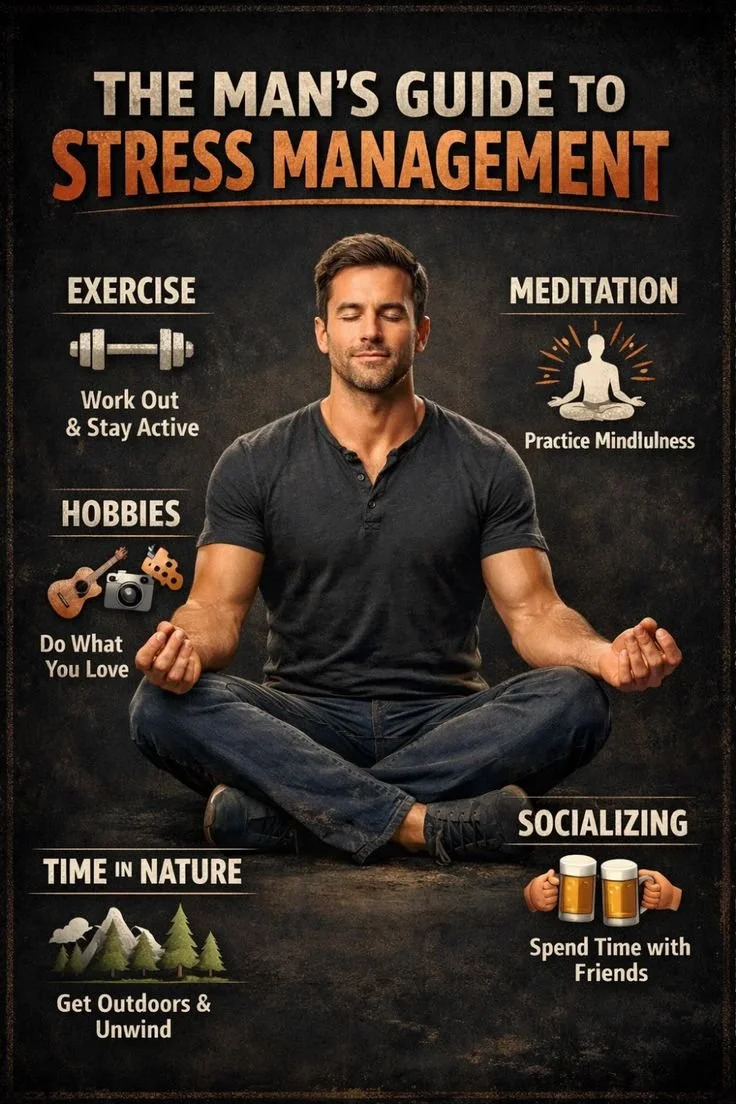
Quick Calm: 5 Pro Strategies to Beat Overwhelm
Stress is a normal response to pressure, but when it becomes constant it steals focus, sleep, and joy. This short guide gives five proven, practical strategies you can use today to reduce overwhelm and anxiety, regain control, and build resilience for the long term. Start your day with a protein-packed breakfast to stabilize blood sugar and set a calmer tone for stressful mornings.
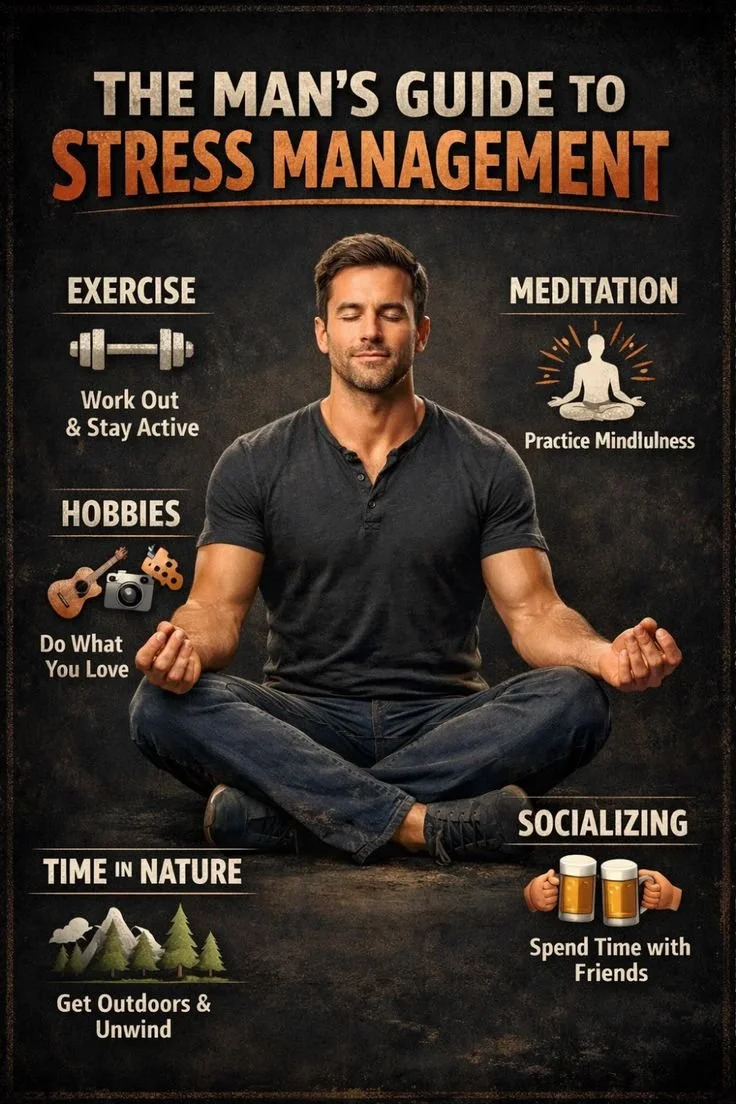
- Controlled Breathwork: Reset the Nervous System
- What to do: Try the 4-6-8 technique — inhale for 4, hold for 6, exhale for 8 — for 3–5 cycles whenever anxiety spikes.
- Why it works: Slow diaphragmatic breathing signals safety to the vagus nerve, lowering heart rate and cortisol.
- Quick routine: Sit tall, hand on your belly, breathe through the nose, and focus on a full exhale. Repeat until you feel steadier.
- Move Intentionally: Short, Purposeful Activity
- What to do: Break up your day with 5–10 minute movement bursts — a brisk walk, light stretching, or mobility drills.
- Benefit: Movement clears mental fog, improves mood via endorphins, and releases physical tension.
- If you want guided strength or mobility recommendations, note how small shoulder and upper-body drills can relieve desk-related stress and improve posture by exploring simple shoulder mobility and strength drills.
- Reframe Thoughts: Short CBT Tools
- What to do: When you notice catastrophizing thoughts, pause and ask: “Is this true? What’s helpful to think right now?”
- Practical step: Use evidence-based rebuttals — list what you know, what you assume, and one action you can take now.
- Result: This shifts reactive anxiety into manageable problem-solving and reduces rumination.
- Manage Energy, Not Just Time
- What to do: Prioritize tasks around your energy peaks, batch shallow tasks, and schedule one focus block for deep work.
- Technique: Use a 50/10 rhythm — 50 minutes focused, 10 minutes break — or experiment with shorter sprints if attention is limited.
- For longer-term stamina and motivation tips, incorporate strategies from endurance training to keep mental fatigue at bay; see practical advice on endurance and focus techniques.
- Micro-Rests and Rituals: Small Habits, Big Impact
- What to do: Build pocket-sized recovery habits: a 60-second grounding exercise, a hydration reminder, or a 10-minute unplug before bed.
- Why it helps: Frequent micro-rests stop stress from accumulating and improve recovery between demands.
- Add core-strengthening posture work to support longer sitting periods and reduce back tension with targeted moves such as core and abdominal routines to support better posture and resilience.
Practical Daily Checklist (use one each day)
- Morning: 2 minutes breathing + protein-rich breakfast
- Midday: 10-minute movement break
- Afternoon: One 50-minute focus block
- Evening: 15-minute wind-down (no screens, gentle stretch)
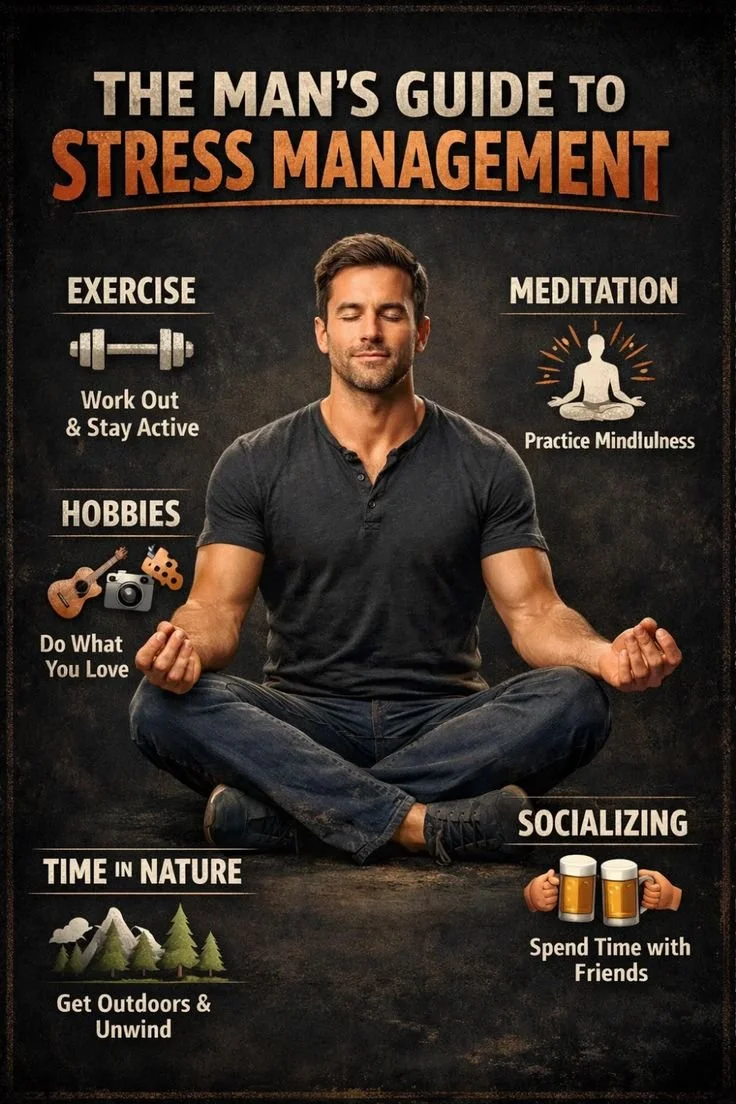
Conclusion
If you want reliable, research-informed tips for reducing stress at home and supporting family wellbeing, consult UNICEF’s guide on reducing stress for parents for practical, child‑friendly strategies and additional resources.




GIPHY App Key not set. Please check settings