
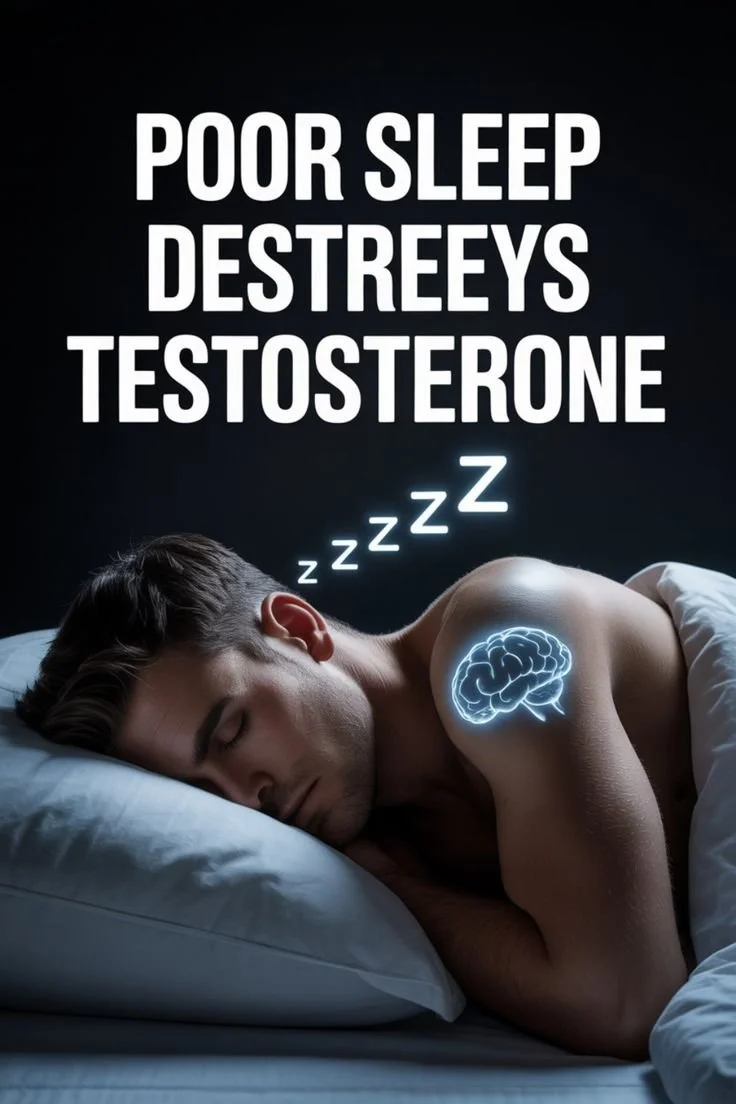
Nightly Gains: Sleep & Testosterone
Quality sleep does more than refresh your mind — it supports the hormonal rhythms that govern energy, mood, muscle repair, and particularly testosterone production. Men and women alike rely on consistent, deep sleep to maintain healthy testosterone levels, and poor sleep can undermine both performance and long-term health. To support recovery and posture during training, consider incorporating reliable movement patterns like these basic shoulder exercises for better posture into your routine.
How Sleep Shapes Testosterone Production
Testosterone secretion follows a circadian pattern: levels typically rise during sleep, peaking in the early morning. Interrupted or shortened sleep blunts these nocturnal surges, which over time can lower baseline testosterone. Beyond direct hormonal signaling, insufficient sleep increases cortisol (a stress hormone) and impairs glucose metabolism — both of which can indirectly suppress testosterone.
Good sleep also supports the physical recovery needed for strength and muscle-building. Stronger hips and properly stabilized pelvises aid in compound lifts that stimulate testosterone-friendly adaptations; resources on safe hip strengthening like this 6 exercises for healthy, strong hips can be useful for structuring recovery-focused training.
Sleep Stages, REM, and Deep Sleep
Not all sleep is equal. Deep slow-wave sleep (SWS) is most strongly linked to anabolic hormone release, while REM contributes to cognitive recovery. Fragmented sleep reduces time spent in deep phases, undermining the hormonal environment for repair and testosterone synthesis. Prioritizing uninterrupted blocks of sleep, and habits that promote deep sleep, is crucial.
Finding movement patterns and glute activation techniques that prevent pain and improve sleep-related comfort can help — be mindful of common form errors when training glutes, as explained in this guide to donkey kick mistakes to avoid for better glutes.
Practical Strategies to Protect Testosterone Overnight
- Maintain consistent sleep and wake times, even on weekends.
- Create a cool, dark, quiet bedroom environment to encourage deep sleep.
- Time heavy training earlier in the day when possible; late-night high-intensity sessions can be stimulating.
- Limit caffeine and alcohol close to bedtime — both disturb sleep architecture.
- Reduce evening screen exposure or use blue-light filters to help melatonin onset.
- Use relaxing pre-sleep routines such as light stretching, reading, or gentle creative activities; simple calming practices like sketching can lower arousal before bed, as suggested in creative-winddown routines like human figure drawing essential techniques for artists.
When to Seek Professional Advice
If you consistently get 7–9 hours of good-quality sleep but experience symptoms like low libido, persistent fatigue, or unexplained muscle loss, consult a healthcare provider. They can assess sleep disorders (like sleep apnea), run hormonal panels, and recommend targeted treatments. Addressing underlying sleep disorders often restores normal hormone patterns and improves overall well-being.
Conclusion
For a controlled clinical look at how short-term sleep restriction affects testosterone levels, see this relevant study on the effect of 1 week of sleep restriction on testosterone levels.



GIPHY App Key not set. Please check settings