
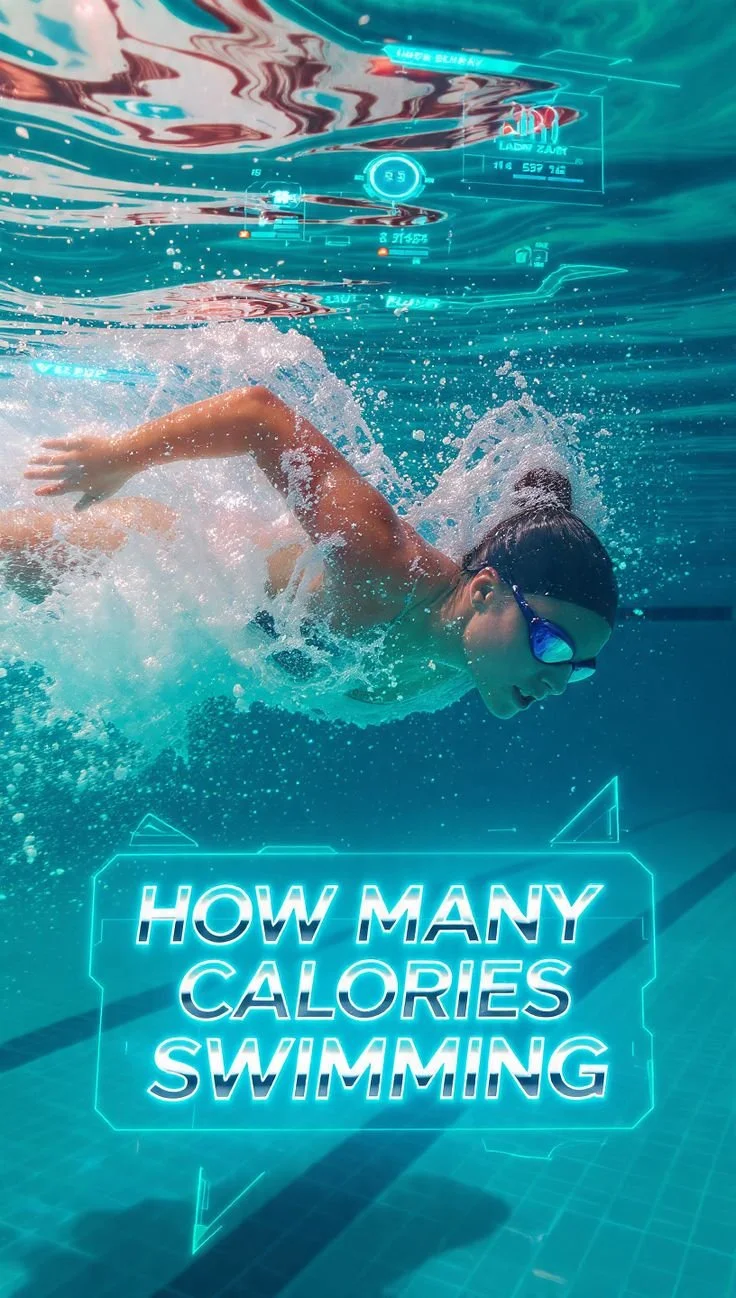
Splash & Burn: Swimming Calories Uncovered
Swimming is one of the most efficient full-body workouts — it builds strength, improves endurance, and torches calories with low joint impact. Whether you’re doing casual laps or sprint intervals, understanding how many calories you burn can help you set realistic goals and plan workouts that match your fitness level. 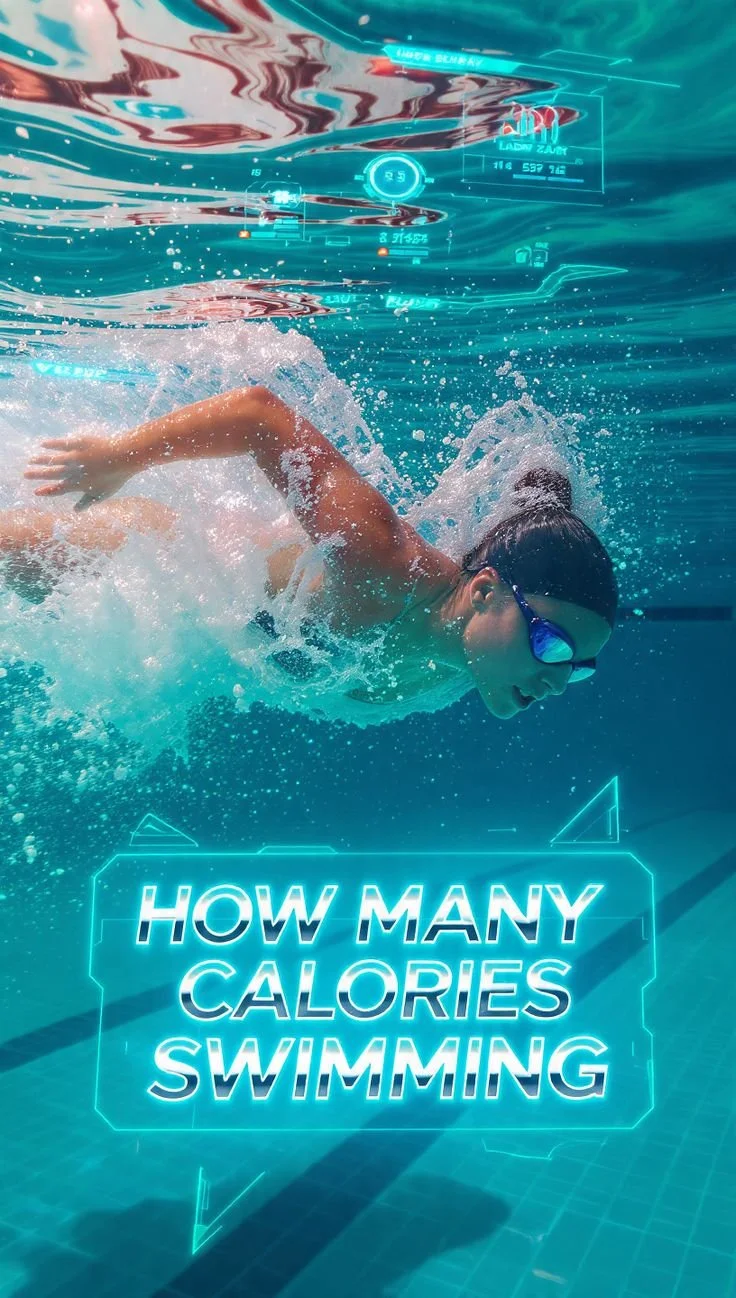
Why swimming is such a calorie powerhouse
Swimming engages large muscle groups (legs, core, back, and shoulders) simultaneously, which raises your heart rate while keeping impact low. For people focused on shaping the midsection, pairing pool sessions with targeted routines can accelerate results — learn how to refine your midsection with focused workouts like those in this guide to getting a slim waist.
Calories burned by stroke (rough averages)
- Freestyle (moderate pace): Great all-rounder — expect roughly 400–700 kcal/hour depending on speed and body weight.
- Backstroke: Slightly lower intensity than freestyle for many swimmers — around 350–600 kcal/hour.
- Breaststroke: Often more technique-heavy, with bursts of power and rest — roughly 300–600 kcal/hour.
- Butterfly: The most intense stroke for most people — can burn 600–900+ kcal/hour for sustained efforts.
If you train with others or enjoy group motivation, you’ll appreciate the energy and consistency that classes provide; consider community-style sessions to keep your pool schedule regular, as discussed in this article on joining group fitness classes.
Intensity, duration, and individual factors
Calories depend on:
- Body weight: Heavier people burn more calories doing the same activity.
- Intensity: Faster speeds and interval sets increase calorie burn.
- Efficiency: More skilled swimmers use less energy at a given pace.
- Water temperature and pool conditions: Cold water can slightly increase calorie use.
Pair swim training with mindful practices to improve focus and breathing, which can increase workout quality and consistency — see tips for enhancing the mind–body connection in this piece on mastering the mind-body connection.
How to maximize calorie burn in the pool
- Use intervals: Alternate sprint laps with recovery laps to spike heart rate.
- Mix strokes: Changing strokes forces different muscles to work and prevents plateaus.
- Add resistance: Try drag suits or paddles, and complement them with dryland resistance training like fabric bands — check practical leg and resistance routines here: fabric resistance bands workouts.
- Increase session length gradually: Longer sessions at moderate effort can equal or exceed short intense workouts for calorie burn.
Sample swim workouts (beginner → advanced)
- Beginner: 10-min warm-up, 20 minutes steady freestyle, 5 minutes drills, 5-min cool-down.
- Intermediate: 10-min warm-up, 6×100m moderate with 30s rest, 8×25m sprints with 1-min rest, cool-down.
- Advanced: 15-min warm-up with drills, 10×200m at threshold with 20s rest, 8×50m all-out, cool-down.
Outdoor swimming and cross-training
Open-water swims add navigational elements and often more resistance from waves and currents, increasing calorie expenditure. If you prefer nature-based training, blending outdoor swims with trail runs or beach circuits can refresh your routine — explore outdoor workout ideas in this article on outdoor workouts for a refreshing fitness experience.
Conclusion
Swimming’s calorie burn varies by stroke, intensity, and individual traits, but it remains one of the most effective low-impact ways to torch calories and build full-body fitness. For an example of calorie estimates in a different aquatic context, see this resource on calories burned scuba diving.



GIPHY App Key not set. Please check settings