
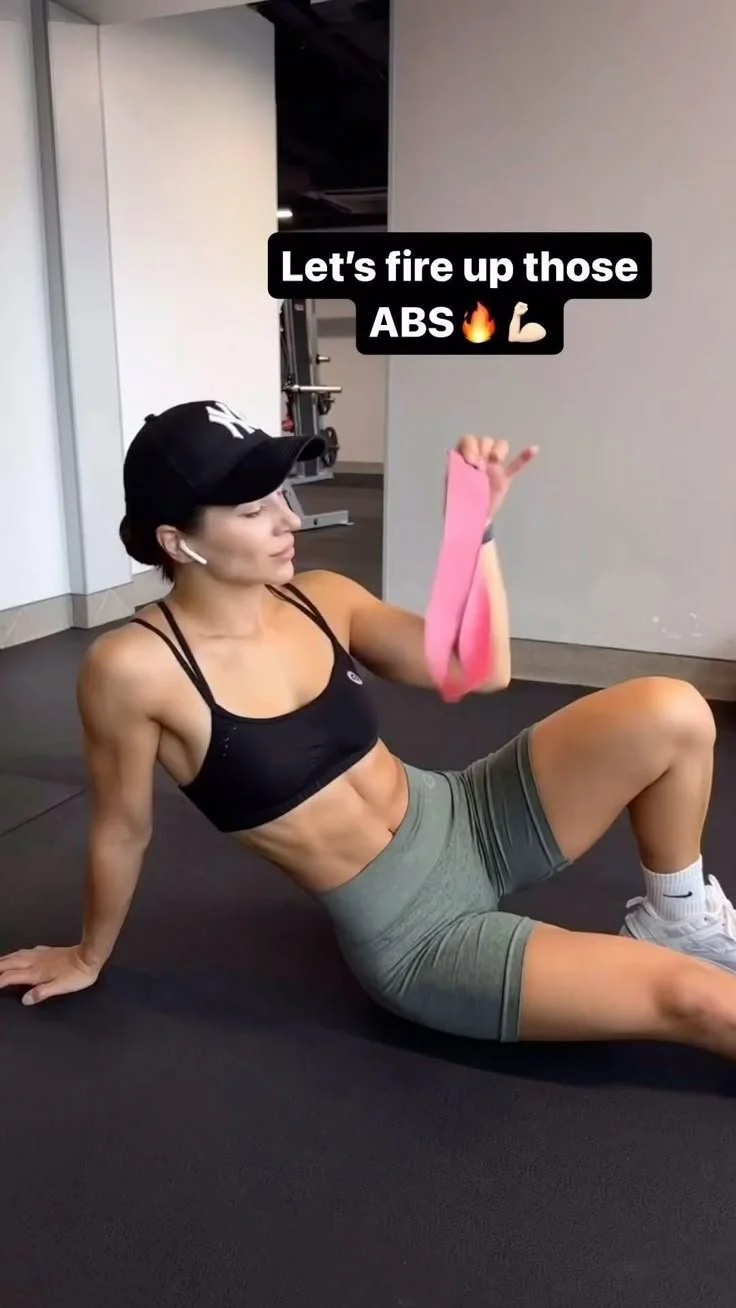
Fabric Resistance Bands: A Practical Guide to Stronger Legs and a Firmer Core
Introduction
Fabric resistance bands have become a staple for home and gym workouts because they combine durability, comfort, and versatile training options. Unlike thin latex loops that can pinch or roll, fabric bands sit snugly against the skin, making them ideal for lateral movements, hip activation, and intense glute work. If you like taking your routine outside, check out this piece on outdoor workouts for ideas on fresh-air training sessions that pair well with resistance bands.
Why choose fabric resistance bands?
- Comfort: Fabric bands are softer and less likely to dig into skin during high-rep sets or lateral exercises.
- Durability: Woven fibers resist overstretching and tearing better than many rubber bands, especially under heavy use.
- Stability: The non-slip texture helps the band stay put on your ankles, thighs, or arms, so you can focus on form.
- Travel-friendly: Lightweight and compact, fabric bands are easy to pack for trips or outdoor sessions.
How fabric bands differ from latex (rubber) bands
Latex bands are great for progressive tension (they stretch further), making them suitable for mobility work and assistance exercises like pull-up help. Fabric bands, however, excel at exercises where the band must stay positioned (side-lying leg lifts, clamshells, lateral walks) and provide a predictable, even resistance without rolling. Choosing between them depends on exercise selection and personal comfort.
Choosing the right resistance levels
Most fabric band sets come in multiple resistances — light to extra heavy. General guidance:
- Light: activation, rehabilitation, warm-ups
- Medium: isolated glute and hip work, beginner full-body moves
- Heavy/Extra Heavy: challenging glute bridges, standing squats, lateral band walks for stronger athletes
Start with a medium band if you’re unsure and progress to heavier bands as technique and strength improve.
Essential exercises for legs and glutes
- Lateral band walk: Place a band just above the knees or around ankles; step sideways with tension on the band, keeping hips level. Great for glute medius activation.
- Banded squats: Band above the knees to cue proper knee tracking and increase hip engagement.
- Glute bridges / hip thrusts: Band above knees to force outward drive from the hips and recruit more glute fibers.
- Clamshells: Performed in a side-lying position, excellent for targeting the deep hip stabilizers.
These moves are perfect for adding resistance to bodyweight workouts or complementing heavier strength training.
Core and abs with fabric bands
Fabric bands can be used to intensify ab drills by adding anti-rotation and anti-extension challenges. For example, loop a band around your feet during dead-bug variations to maintain tension, or use a band to resist rotational chops. If you want more focused ab routines that pair well with band-assisted training, explore targeted routines like the best ab workouts for men to incorporate with banded supplemental work.
Sample 20-minute banded leg & core workout
- Warm-up (3 min): Bodyweight squats, hip circles, banded monster walks
- Circuit (3 rounds):
- 12 banded squats
- 20 lateral band steps (10 each side)
- 15 glute bridges with band
- 20 band-resisted dead-bug reps (10 each side)
Rest 60–90 seconds between rounds. Adjust reps and band resistance to match your fitness level.
Maintenance and care
To keep fabric bands performing well:
- Hand-wash in mild soap and lukewarm water; air-dry flat away from direct heat.
- Inspect regularly for frays or weakened stitching.
- Store away from sharp objects and prolonged direct sunlight to extend life.
Tips for safe, effective training
- Focus on controlled movement and tension throughout the range of motion.
- Choose a band that allows you to finish your target reps with good form; if you break form, switch to a lighter band.
- Combine bands with bodyweight or free weights for progressive overload.
- Use bands for both warm-up activation and high-rep accessory work to improve stability and muscular endurance.
Where fabric bands fit in your program
Fabric resistance bands are ideal as accessory tools to improve muscle activation, injury prevention, and movement quality. They work especially well for those prioritizing glute development, rehab, or wanting low-impact options that still challenge muscular endurance. Integrate them on light training days, during warm-ups, or as superset accessories following heavy compound lifts.
Conclusion
If you’re ready to add high-quality fabric bands to your routine, consider the Fit Simplify Pro Series Resistance Loop Exercise Bands, Set of 3 for a versatile, durable option that covers a range of resistances and is well-suited for leg and core work.

GIPHY App Key not set. Please check settings