
Silent Strength
Confidence isn’t always loud. Often it’s the small, intentional choices — posture, grooming, movement — that make you appear stronger before you say a word. Whether you’re walking into a meeting, meeting someone for the first time, or simply moving through your day, mastering nonverbal cues lets your presence speak for itself. For a practical edge, don’t overlook the foundation: strong hips support poised posture, so consider incorporating six exercises for healthy strong hips into your routine to feel steadier and more grounded.
Body language basics
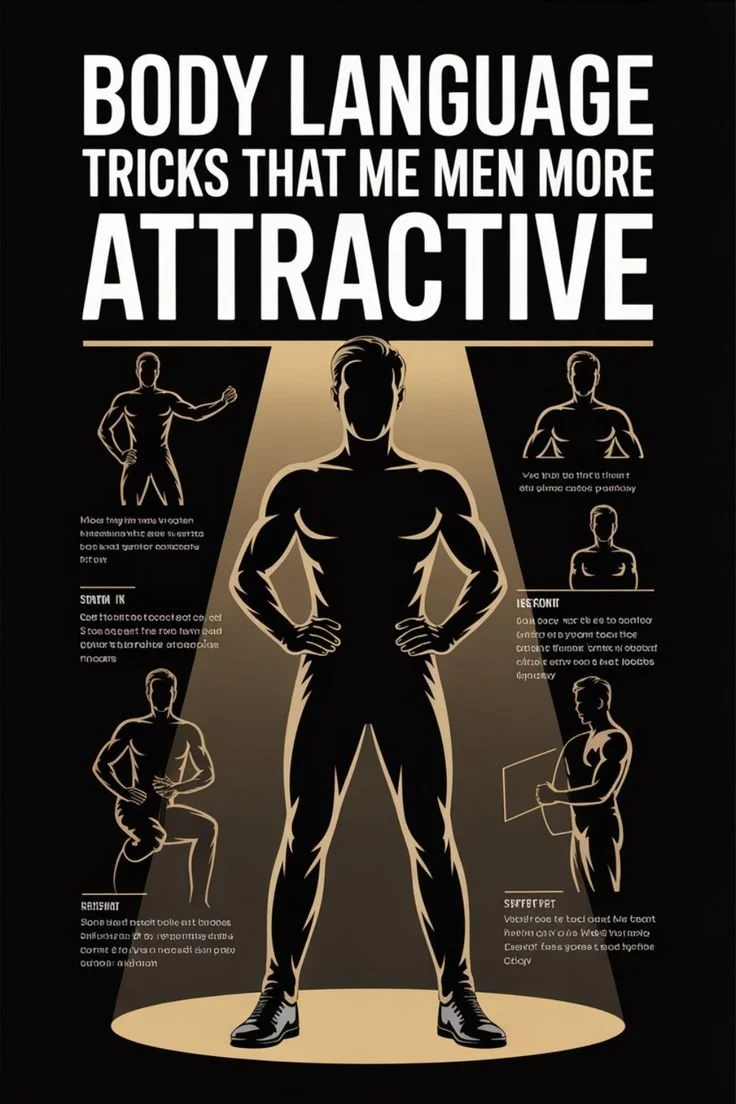
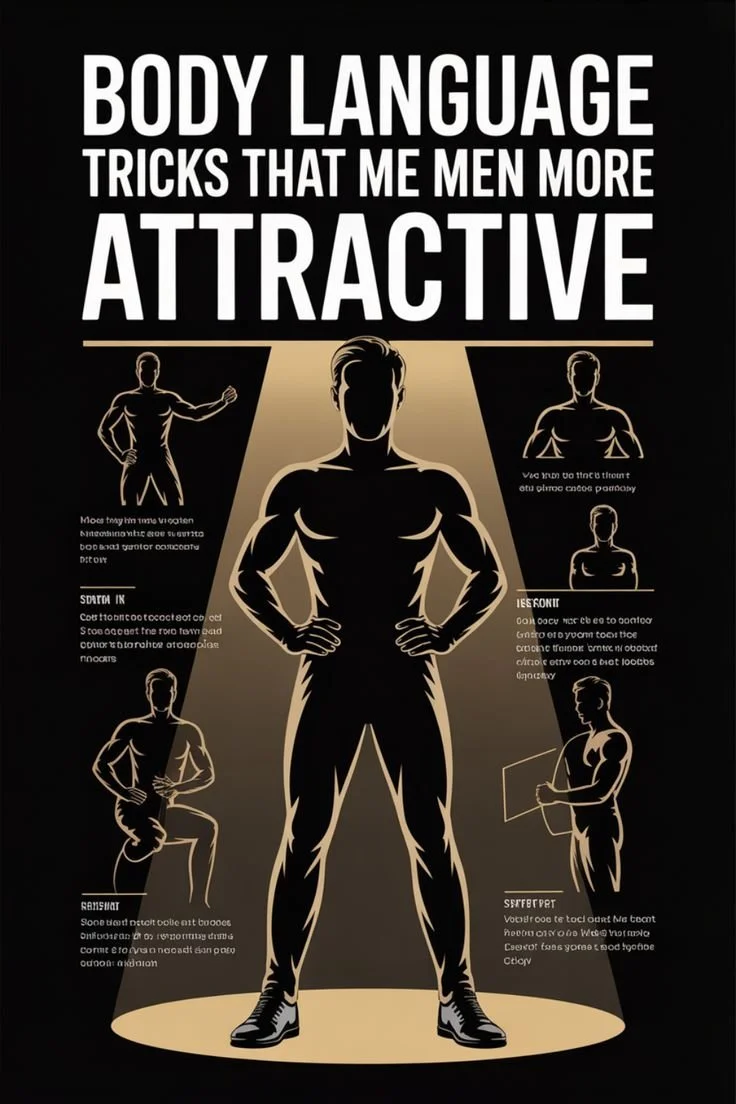
Stand tall, not stiff. Imagine a string pulling the crown of your head upward while your shoulders relax back and down. A neutral chin (not jutting forward or tucked dramatically) preserves an open throat and eases breathing — which also improves voice quality. Keep your weight centered on the balls of your feet rather than leaning on one hip; this projects balance and readiness.
Face and eyes
Your face is a shorthand for your mood and intent. Practice a relaxed, attentive expression: soften your forehead, maintain gentle eye contact (enough to show engagement, not to intimidate), and allow a slight, genuine smile when appropriate. Micro-expressions matter — a brief, welcoming look can register as approachable strength.
Dress with purpose
Clothing that fits and is appropriate for the setting immediately elevates perceived competence. Choose clean lines, well-fitting silhouettes, and a restrained palette that reflects the image you want to project. Small details — polished shoes, a neat haircut, or a pressed shirt — send signals of discipline and care without a word.
Movement and pace
How you move communicates intent. Walk with a steady, deliberate pace and avoid hurried, clipped steps. When you enter a room, slow down slightly to scan and orient yourself; purposeful movements show control. Use open gestures: palms slightly visible when speaking suggests honesty and confidence.
Voice and breathing
A calm, measured speaking style reinforces strength. Breathe from your diaphragm to give your voice warmth and projection without shouting. Pause briefly before answering questions — the silence gives your response weight and suggests confidence.
Physical conditioning matters
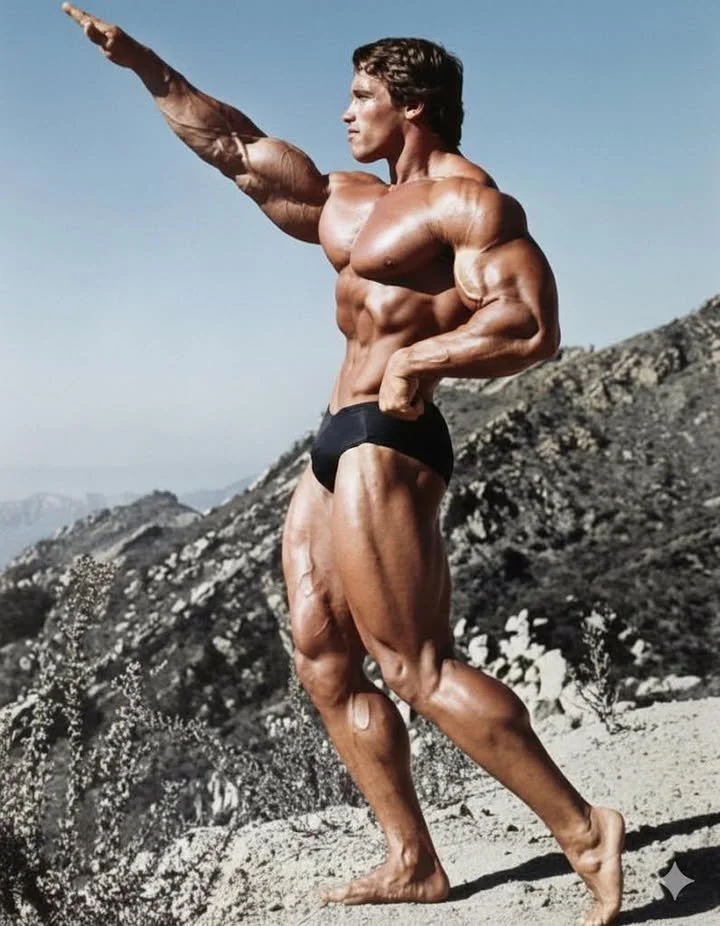
Strength training translates to better posture and more confident movement. Targeted routines that build your chest and back improve the structural support for an upright, powerful stance. If you prefer to train at home, routines to build a stronger chest and back at home can be particularly effective for improving how you carry yourself.
Micro-habits that add up
- Carry weight evenly: distribute bags across both shoulders or alternate sides so you don’t develop asymmetry.
- Practice the “power pose” briefly before important events: standing tall with open posture for a minute can help steady nerves.
- Mirror subtly: matching someone’s energy and pace — in a respectful way — builds rapport and gives you a measured presence.
Situational awareness
Strength without arrogance is tuned to context. Read the room: sometimes quieter, attentive listening is the most powerful stance. In other moments, a steady, assertive tone combined with calm body language will set the course. Flexibility is itself a mark of confidence.
Small investments, big returns
You don’t need a dramatic makeover. Improving posture, grooming, movement habits, and basic strength can alter how people perceive you in minutes and how you feel in decades. Consistency in these small actions creates an enduring impression of competence and composure.
Conclusion
A well-honed nonverbal presence complements what you say and often determines whether your words land. For an entertaining reflection on how language and perception interact, see this piece titled I Am Lapidary But Not Eristic When I Use Big Words.


GIPHY App Key not set. Please check settings