
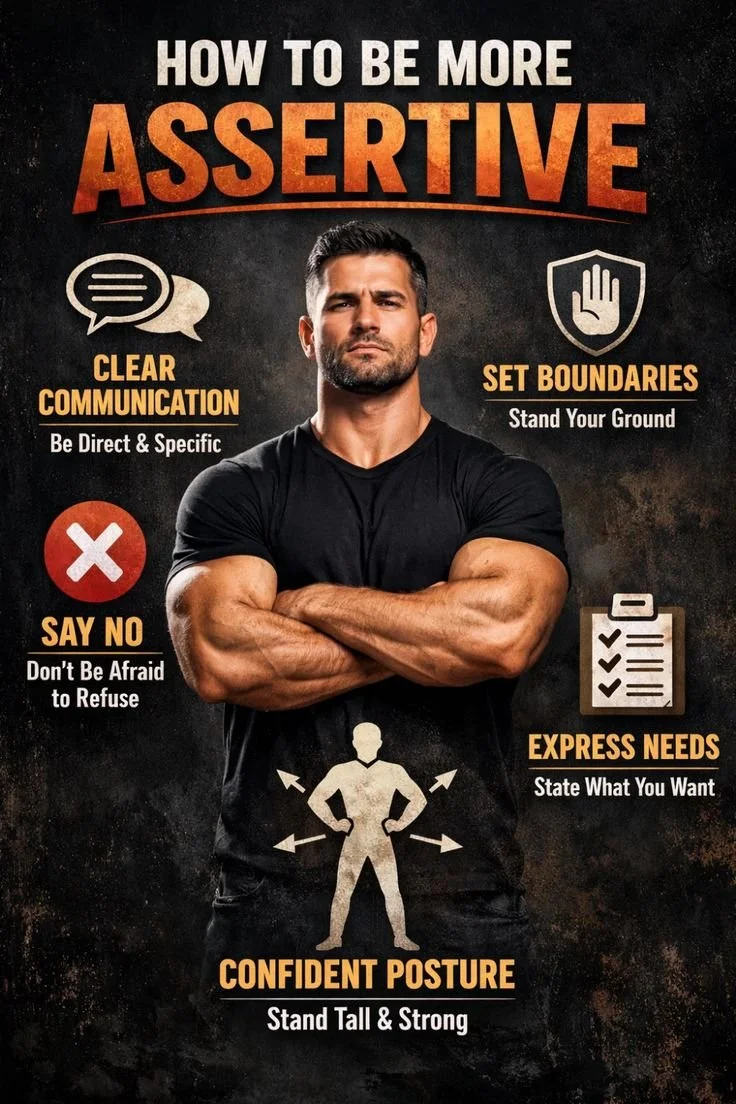
Stand Your Ground: 5 Steps to Real Assertiveness
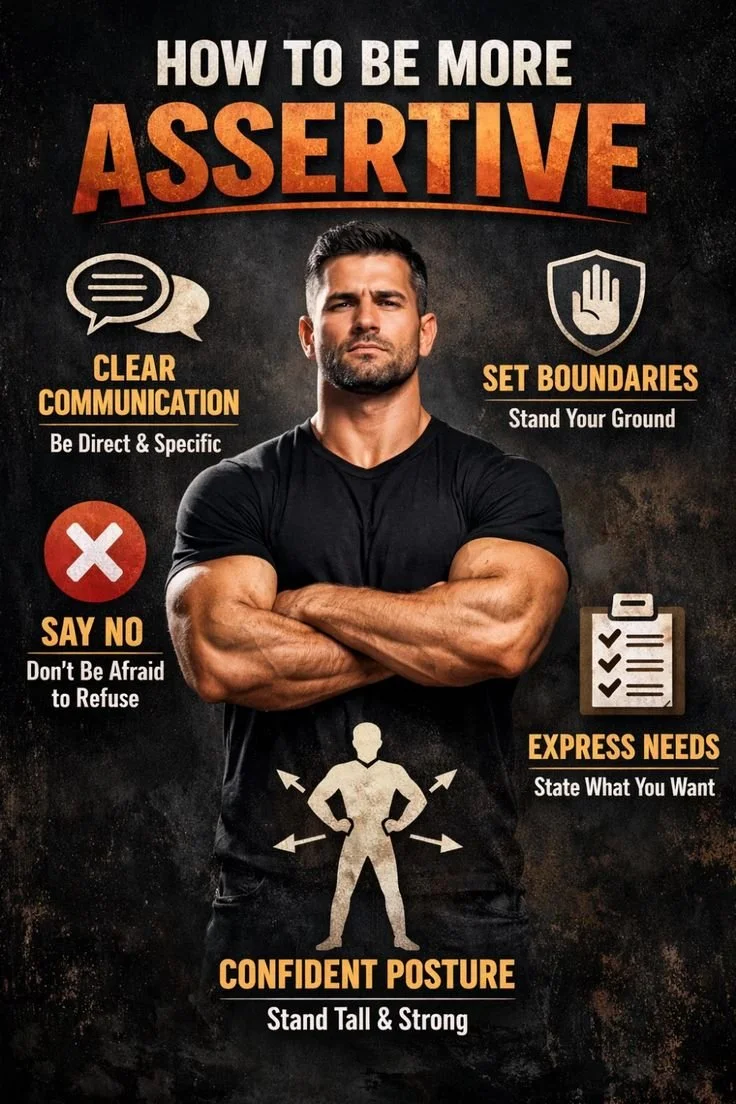
Being more assertive doesn’t mean becoming aggressive — it means expressing your needs clearly, holding boundaries, and earning respect without apology. These five practical steps will help you shift from people-pleasing to poised, confident communication that others notice and respect. After you read the first tip, you’ll find a simple practice to improve posture and presence that pairs well with the top cable exercises for shoulders to boost physical confidence.
-
Know what assertiveness really is
Assertiveness sits between passivity and aggression. It’s stating your view honestly while respecting others. Start by identifying where you currently fall on that spectrum: in meetings, do you avoid speaking up? At home, do you agree to tasks you resent? Awareness is the first step to change. -
Learn to say no — and mean it
Saying no is a core assertive skill. Use short, clear phrases like “I can’t take that on right now” or “I don’t agree with that approach.” Rehearse brief responses ahead of time so you don’t get pulled into over-explaining. If you struggle to feel grounded while asserting yourself, remember small physical wins help; strengthening muscles such as with the best exercises to build triceps can boost your posture and the way you occupy a room. -
Use confident body language and voice
Assertiveness isn’t just words. Stand tall, keep your chin level, make eye contact, and use an even, calm tone. Pauses are powerful — they let your words land. If you want a stronger base for standing and moving with presence, work on lower-body stability and posture; avoiding common donkey kick mistakes to avoid will help your glutes engage properly so you feel steadier when you speak up. -
Practice “I” statements and short scripts
Prepare simple scripts for common situations: “I feel overwhelmed when X happens — can we try Y?” or “I prefer to handle tasks this way.” Practice these lines aloud or with a friend until they feel natural. Role-playing makes real interactions less stressful because your brain has a practiced response ready. -
Build resilience with self-care
Assertiveness is easier when you’re rested and nourished. Respecting your own needs — sleep, movement, and food — makes it simpler to hold boundaries. Try quick, nourishing meals that keep energy steady; an easy low-carb burrito bowl recipe can be a fast go-to that supports clarity and mood on busy days.
Conclusion
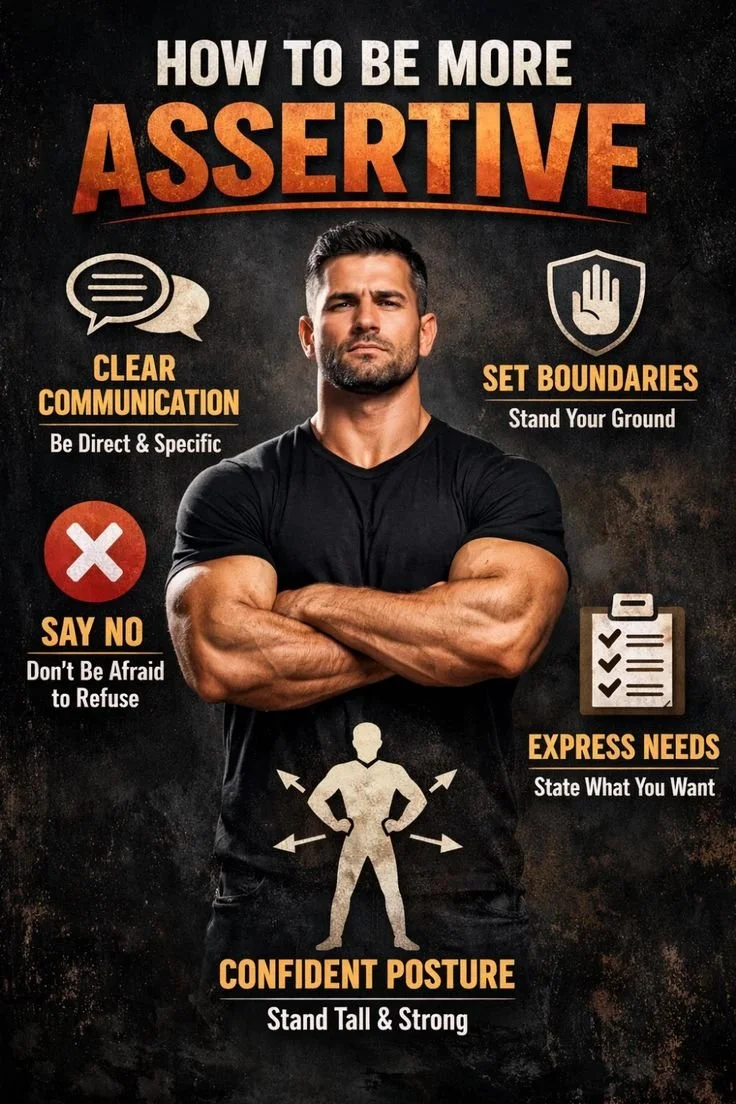
Becoming assertive is a skill you can learn step by step: define your limits, rehearse clear responses, use your body to convey confidence, and support yourself with good habits. If you want a personal perspective on the transition from people-pleasing to standing firm, listen to How I Learned to Be Assertive (and stopped being a pushover!) [083] for real-world examples and encouragement.




GIPHY App Key not set. Please check settings