

 Riri
Riri
Abs Workout: Build Strength, Stability, and Definition
Developing a strong midsection does more than improve how your clothes fit — it enhances posture, reduces injury risk, and increases performance in everyday movements and sports. This guide covers practical principles, effective exercises, programming ideas, and common mistakes so you can structure efficient abs workouts and make consistent progress.
Why Train Your Abs
- Core strength stabilizes the spine and pelvis during movement.
- A conditioned midsection transfers force between upper and lower body, improving lifts and athletic performance.
- Targeted abs work helps improve muscle endurance and can reveal definition when combined with proper nutrition and fat-loss strategies.
Quick Anatomy Overview
The "abs" are a group of muscles that work together:
- Rectus abdominis: the vertical "six-pack" muscle responsible for trunk flexion.
- External and internal obliques: rotate and laterally flex the trunk; they also resist rotation and help stabilize the spine.
- Transverse abdominis: the deep stabilizer that compresses the abdomen and supports intra-abdominal pressure.
Understanding these roles helps you pick exercises that train both movement (dynamic control) and stabilization.
Core Training Principles
- Train the core with a mix of anti-flexion (e.g., crunches), anti-rotation (e.g., Pallof press), anti-extension (e.g., plank variations), and dynamic movement exercises (e.g., leg raises).
- Focus on quality over quantity: controlled reps with full range and proper breathing beat high-rep sloppy sets.
- Progressive overload applies to abs too — increase difficulty by adding weight, changing leverage, slowing tempo, or increasing time under tension.
- Frequency: 2–4 focused core sessions per week is sufficient for most people when paired with compound lifts that engage the core (squats, deadlifts, overhead presses).
Incorporate a mix of stability and dynamic exercises rather than only doing crunches or machines. For ideas on advanced bodyweight builds and at-home moves, try this practical routine: dragon flag and laying hip raise at-home abs workout.
Sample Abs Workouts
Pick one of these depending on your goal and available time.
-
Beginner — 12–15 minutes
- Dead bug: 3 x 8–10 per side
- Knee tucks on floor: 3 x 12
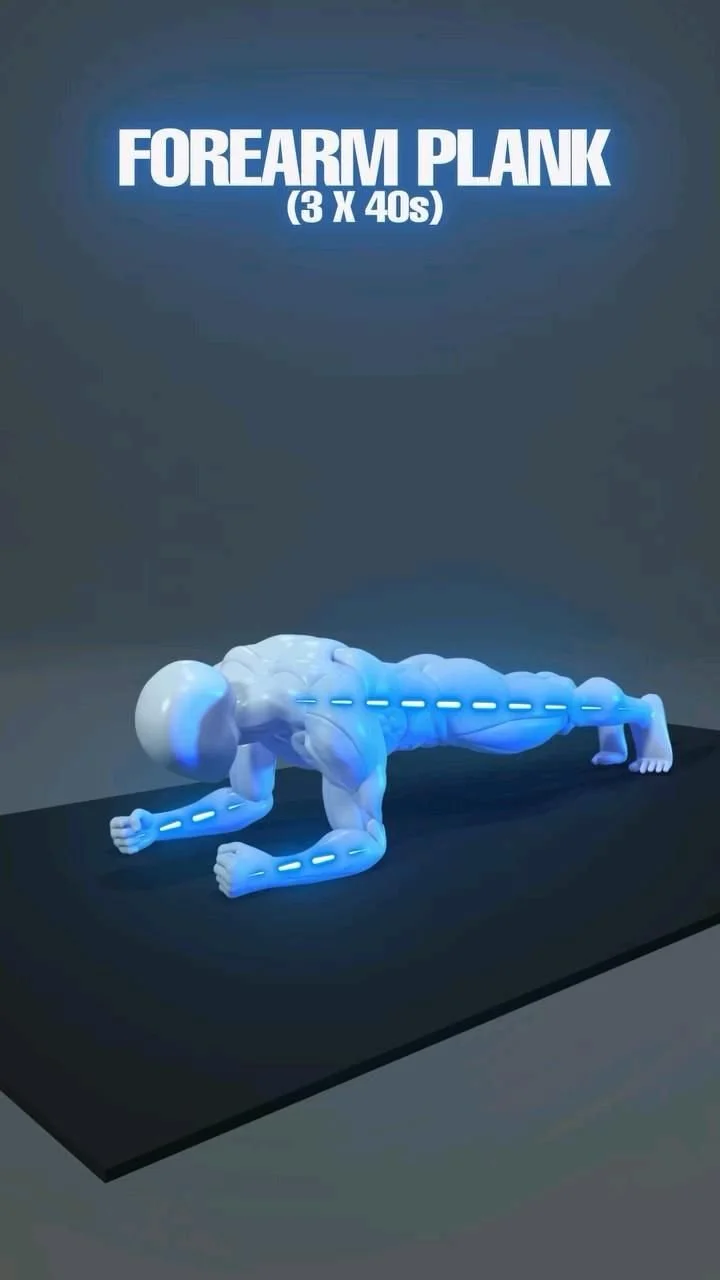
- Forearm plank: 3 x 30–45 seconds
-
Intermediate — 20–25 minutes
- Hanging knee raises or lying leg raises: 4 x 12–15
- Russian twists (weighted if possible): 3 x 20 total
- Side plank with hip dip: 3 x 10–12 per side
-
Advanced — 25–30 minutes
- Hanging leg raises to toes or toes-to-bar: 5 x 8–12
- Dragon flags or slow negatives: 4 x 6–8
- Cable or band anti-rotation chops: 4 x 8–10 per side
Pair abs sessions with compound lifts or cardio sessions, not necessarily on the same day as heavy deadlifts or squats when you need full grip and core recovery.
Progressions and Variations
To keep progressing, adjust one variable at a time:
- Increase range of motion (progress from knee tucks to straight-leg raises).
- Add load (hold a dumbbell between feet or wear ankle weights).
- Alter tempo (longer eccentric phase for more tension).
- Move to more challenging variations (plank to single-arm plank, hanging leg raise to toes-to-bar).
If you enjoy progressive at-home challenges that combine oblique emphasis and leg-raise development, this training challenge offers structured variations: leg raise and oblique crunch training challenge.
Nutrition and Recovery
Visible abs require a combination of muscle development and body-fat reduction. Prioritize:
- A modest calorie deficit with adequate protein (0.7–1.0 g per lb bodyweight) to preserve muscle.
- Sufficient sleep and stress management to regulate hormones.
- Recovery between hard core sessions; ab muscles are small but need time to adapt.
Common Mistakes to Avoid
- Doing endless reps without progression.
- Relying solely on crunches or machines.
- Neglecting breathing and bracing — exhale on exertion and brace the core during loaded movements.
- Overtraining abs every day without recovery.
Conclusion
A balanced abs program combines core stability, anti-rotation work, and progressive dynamic movements while supporting nutrition and recovery. For a large library of movements and video demonstrations to expand your exercise toolbox, see this comprehensive resource: Abs Exercises: 150+ Free Video Exercise Guides | Muscle & Strength



GIPHY App Key not set. Please check settings