

 amanda cohen
Men’s Momentum Blueprint
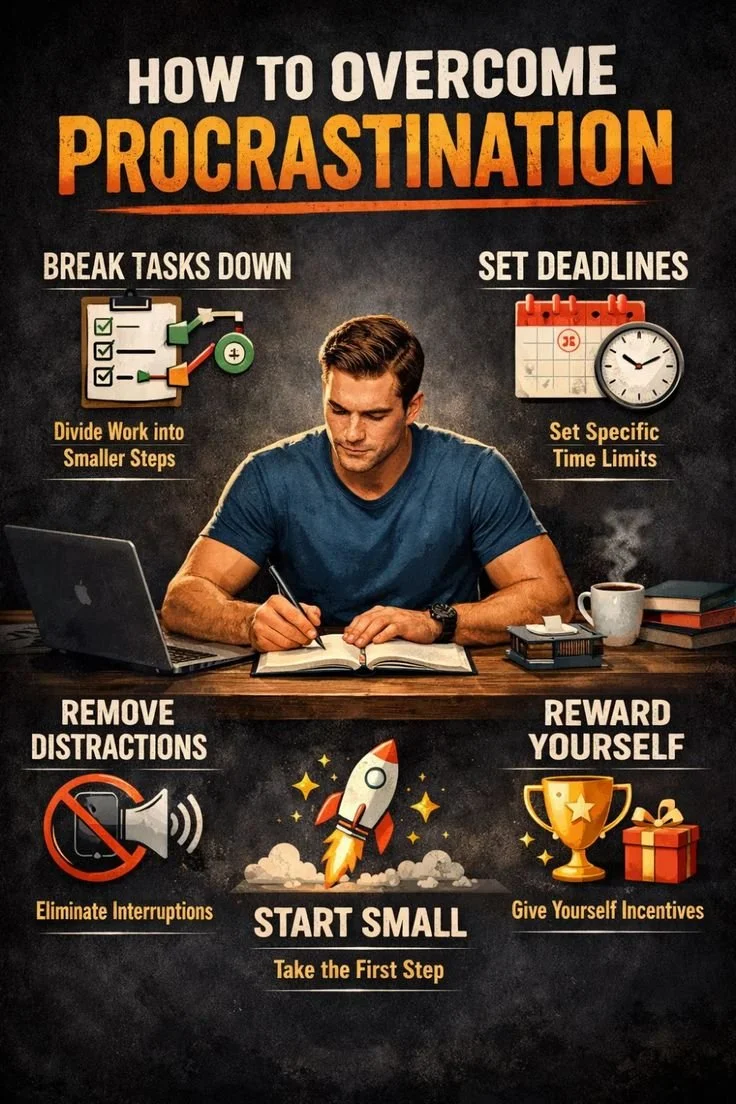
Procrastination isn’t a character flaw — it’s a strategy gone wrong. This short guide reframes delay as a fixable pattern and gives practical, masculine-focused tactics to move from intention to consistent action. Start small, align your environment, and turn friction into fuel; even daily wins compound fast when you keep the momentum. For example, many men build discipline by crafting a consistent gym routine that anchors other habits.
Why men stall (and how to outsmart it)
- Procrastination often hides behind perfectionism, decision fatigue, or unclear next steps. Reframe the problem: you’re not lazy — you lack a low-resistance path to begin.
- Identify your “trigger” moments (evenings, Monday mornings, between meetings) and build micro-actions that replace the avoidance loop.
Start with micro-commitments
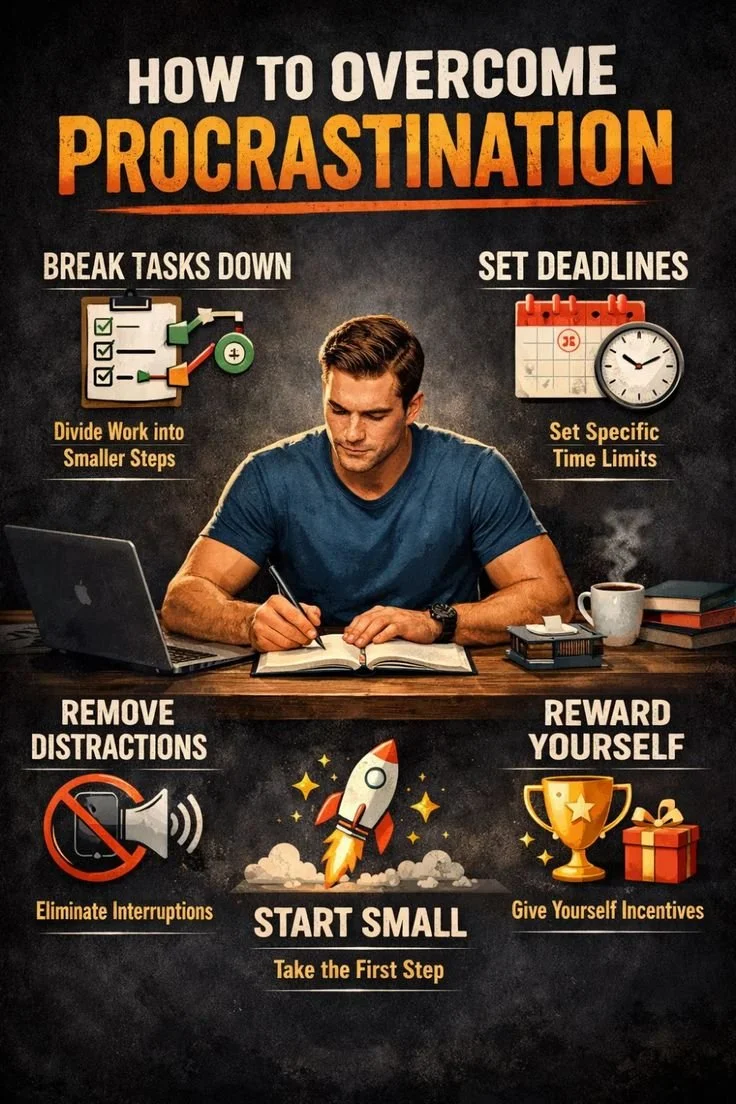
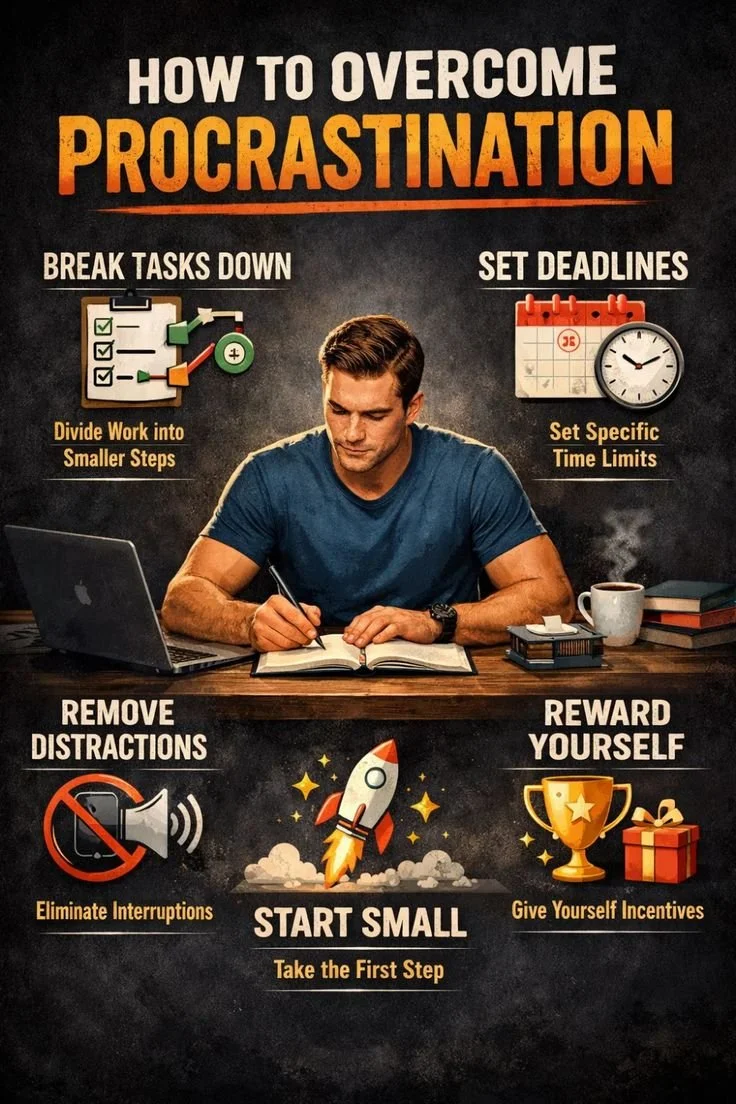
- Use the 2-minute rule: make the first step ridiculously small. Instead of “write a chapter,” commit to “open the document and write one paragraph.” Micro-commitments convert belief into behavior.
- Apply physical micro-wins to build momentum; learn simple movement drills and avoid common pitfalls by checking targeted technique tips like these donkey-kick technique tips for small wins.
Design a non-negotiable routine
- Rituals remove decisions. Anchor work sessions to fixed cues (e.g., a protein shake, a 10-minute warm-up) so your brain learns the sequence: cue → action → reward.
- Stack habits: pair a new action with an established one. For instance, after your morning shower, spend 10 minutes on your highest-priority task.
Leverage identity and accountability
- Shift the story: think “I’m the kind of man who finishes his commitments” rather than “I’m trying to be productive.” Identity-based habits endure because they align with self-image.
- Use accountability partners, public commitments, or short weekly check-ins to keep yourself honest.
Manage energy, not just time
- Track when you’re sharpest and schedule deep work then. Block off 60–90 minute focus sessions and protect them fiercely.
- Small rituals that restore energy—movement, sunlight, hydration—sustain consistency. Explore mindful movement practices in a practical yoga routine guide to boost recovery and focus.
Create systems, not goals
- Goals are direction; systems produce results. Build repeatable systems (time blocks, evening reviews, “if-then” plans) that make the right choice the default.
- For a broader blueprint connecting performance and lifestyle, consider principles from an unlocking your fitness potential guide and adapt those habit frameworks to productivity.
Track progress and celebrate streaks
- Visual streaks (calendar, habit app, whiteboard) provide immediate feedback and motivate continuation. Small celebrations reinforce the neural pathways that cement habits.
- When you fail, analyze quickly, adjust the system, and restart the streak within 24 hours to avoid the “might as well” effect.
Toolbox — quick tactics to start today
- Two-minute starts, time-blocking, implementation intentions (“If X happens, I will Y”), and temptation bundling (pair a task with a desired reward).
- Environmental hacks: remove friction (place tools in reach), reduce distractions (turn off notifications), and create visible cues for desired behaviors.
Conclusion
For ongoing strategies and a focused breakdown on stopping delay cycles, read Ali Abdaal’s Break the Procrastination Cycle newsletter which offers practical, research-backed techniques to reinforce the momentum you build here.



GIPHY App Key not set. Please check settings