

 Riri
Riri
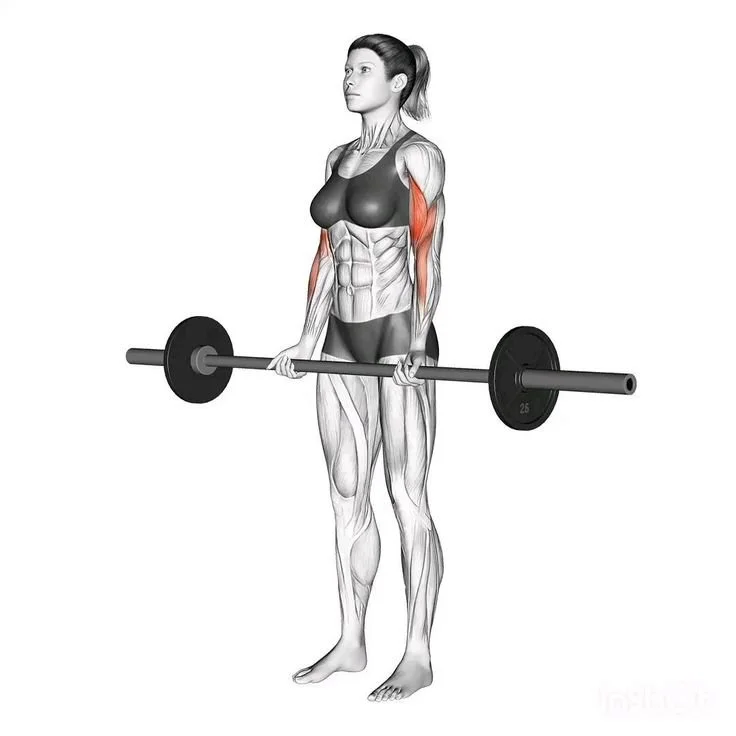
Peak Curl: Efficient Bicep Workout
A focused bicep workout doesn’t need to be complicated to be effective. With the right mix of compound lifts, isolation moves, and smart progression, you can build size and strength while minimizing joint stress. For a structured introduction to movements and variations, check this comprehensive biceps workouts guide that outlines exercise options for different goals.
Why a short, smart biceps routine works
Biceps respond well to progressive overload and frequent, moderate-volume stimulus. Instead of chasing heavy singles every session, use controlled repetitions and slight tempo changes to really target the muscle fibers. Aim for 2–4 bicep-focused sets per session when training arms directly, and add accessory work if your compound lifts (rows, chin-ups) are limited.
Sample beginner-to-intermediate bicep workout
- Warm-up: 5–8 minutes of light cardio and dynamic shoulder/arm swings.
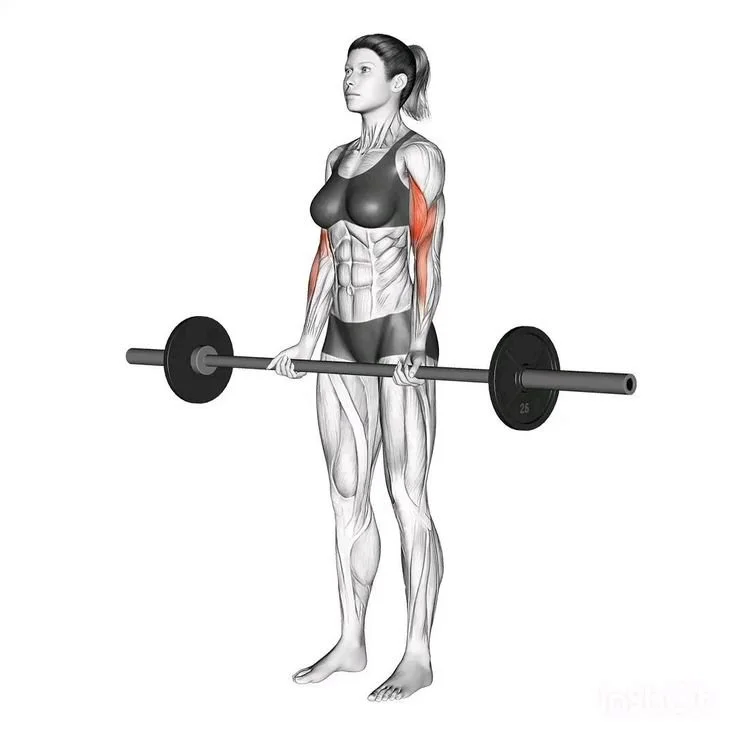
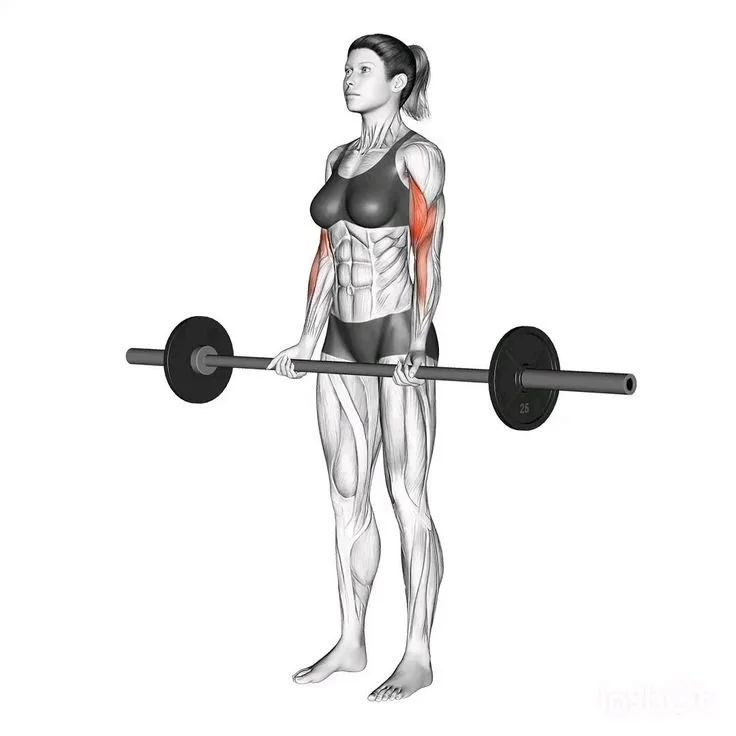
- Exercise 1 — Standing barbell or EZ-bar curls: 3 sets of 6–10 reps (focus on full range and avoid swinging).
- Exercise 2 — Incline dumbbell curls: 3 sets of 8–12 reps (longer stretch, slower eccentric).
- Exercise 3 — Hammer curls: 2–3 sets of 10–12 reps (targets brachialis for fuller arms).
- Finisher — Concentration curls or cable curls: 2 sets of 12–15 reps, strict form.
Rest 60–90 seconds between sets on compound curls and 45–60 seconds for isolation moves. Adjust load so the last 1–2 reps are challenging but maintainable with good form.
Training tips and variations
- Tempo: Try a 2-1-2 tempo (2s concentric, 1s squeeze, 2s eccentric) for time under tension.
- Frequency: Train biceps directly 2x per week for most lifters, with lighter and heavier sessions.
- Progressive overload: Add small increments in weight, reps, or total sets each week.
- Bodyweight/short sessions: If you have limited time or equipment, you can still stimulate growth — see this collection of 10-minute home workouts for ways to keep intensity high with minimal gear.
Recovery and injury prevention
Rotate grip widths and hand positions to reduce overuse, and prioritize forearm and wrist mobility. If you experience tendon discomfort, reduce volume and focus on slower eccentrics with lighter loads until pain subsides. Nutrition and sleep are equally important — aim for adequate protein and at least 7 hours of quality sleep per night.
Conclusion
For additional curated exercises to add variety and mass-building focus to your program, check out Gymshark’s six best bicep exercises for mass.

GIPHY App Key not set. Please check settings